Aviation Day
Aviation Days
Comments Off on Aviation Day
 |
|

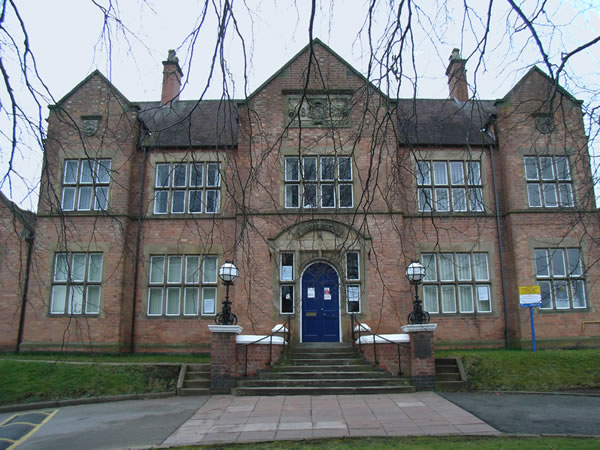
Several old buildings can still be found dotted around the present day Queen’s Hospital campass. Built in the early 1880s, they are in fact surviving remnants of the Belvedere Workhouse which occupied the site (functioning as such until 1930) before it was handed over to the National Health Service for the building of the new District Hospital in 1948.
Select page to view:
Belvedere Workhouse Site
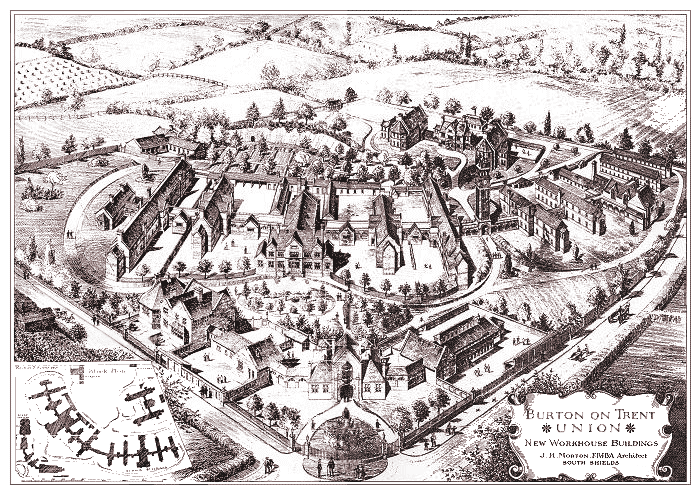
In 1880, construction began of a new larger workhouse to accommodate 550 inmates at a site to the north-west of the town on the south side of Belvedere Road at Outwoods. As can be seen from the Architects drawing, it was designed by J.H. Morton from South Shields. It was, like all workhouses, designed much like a prison. The workhouse campas followed the designs of other workhouses of the time and was finally built by Walker and Slater, an establshed builders from Derby.
The total cost of the building was £43,000. It was completed in 1884 and formally opened on 23rd October by the Chairman of the appointed Board of Guardians, Major Bindley.
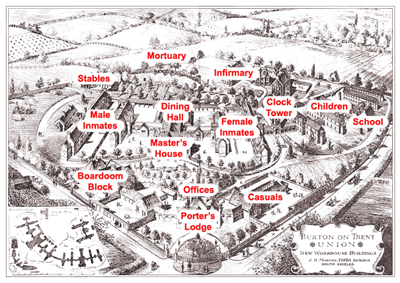 The main entrance was at the junction Belvoir Road and Belvedere Road. In and Out gates led to a Reception and Porter’s Lodge; passing through these were the general offices. A large archway at the rear led to the Master’s House which was the most impressive building on the campas. Behind that stood the main hall, predominantly used as a dining-hall but also used to address the inmates en masse. Adjacent to the hall were a kitchen block and laundry.
Heading to the left was the two storey Boardroom Block, which aside from the obvious board room, housed the most senior members of staff and Board of Guardian Offices.
Inmates were separated into blocks with males, females and children being kept apart, even when from the same family. Within the children’s block, boys and girls were further segregated. Next to the children’s block was a school house. To the right was the Casuals block for short-term inmates. This also included secure accommodation for tramps and vagabonds.
At the rear of the site was an Infirmary and close by, a mortuary. Also at the rear was a stable block since this was before motorised transport. Almost certainly, the site would have included a chapel with its own chaplain but, at the time of writing, I have not been able to establish exactly were this was.
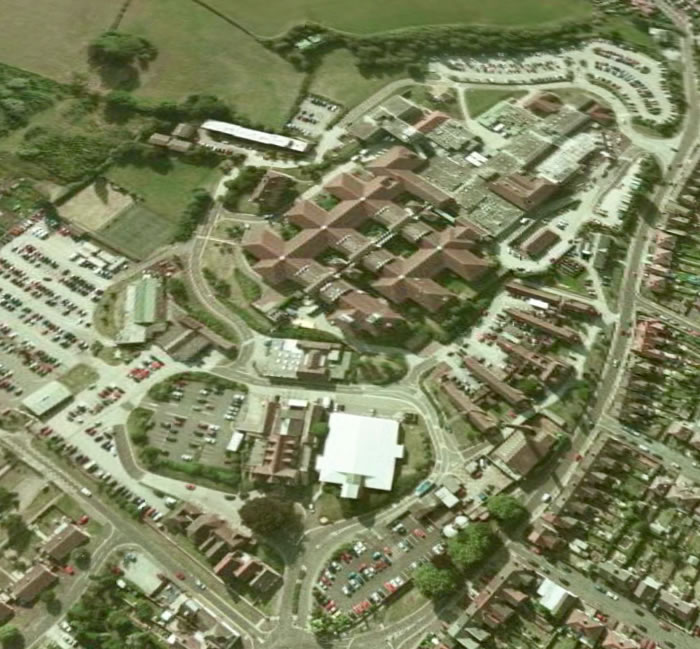
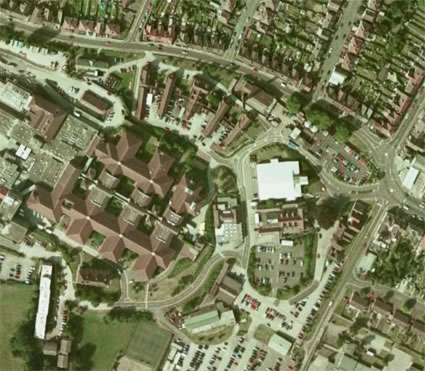
A present day aerial photo shows that the general footprint of the original Belvedere Workhouse site is still very much in evidence.
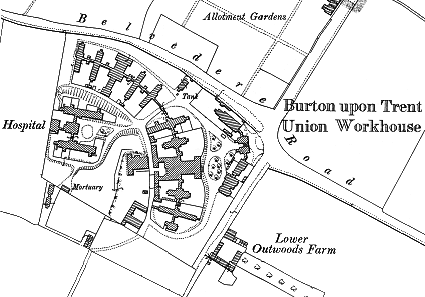
Though still not finished, the Belvedere workhouse made it onto the 1882 Ordinance Survey map and extract of which can be seen below.

A closer look still looks fairly familiar.
The same area is now much more developed but it is still quite easy to place it and fragments of the original site can easily be identified.
In 1930, the workhouse became Burton-upon-Trent Public Assistance Institution. In 1948, the whole site was transferred to the National Health Service for the building of Burton District Hospital.
Several buildings survived to become part of the new hospital and even today, remain in use as part of Queen’s Hospital.
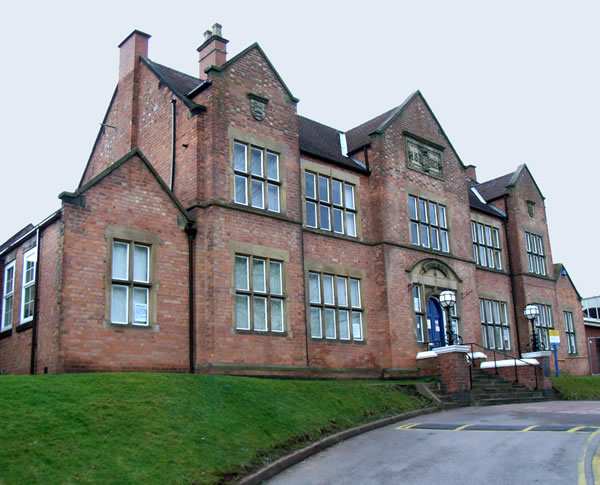
The Master’s House still survives and now houses the Chief Executive and Clinical Directors. A face on view is difficult today because of a single large tree which has been allowed to mature.
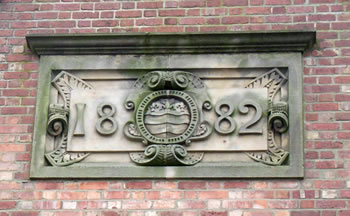
The plaque in the gable of the Master’s House confirms the year of construction.
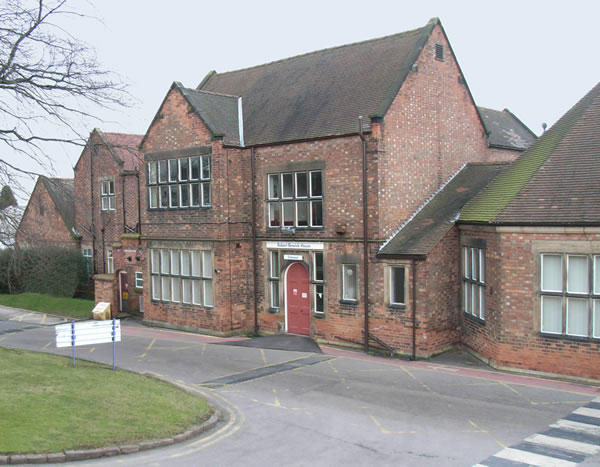
The Boardroom Block also survives as the Human Resource department of the present day hospital.
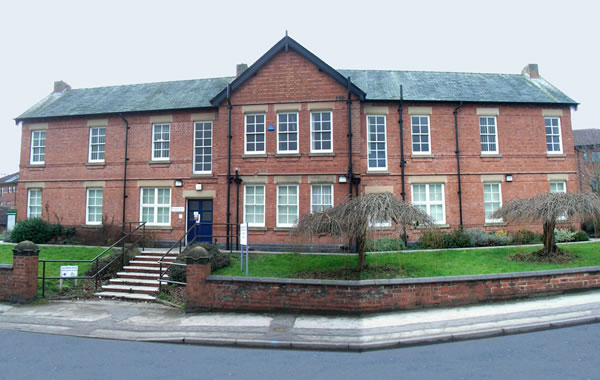
What was the workhouse school became the Belvedere Center, still used by the Urology department
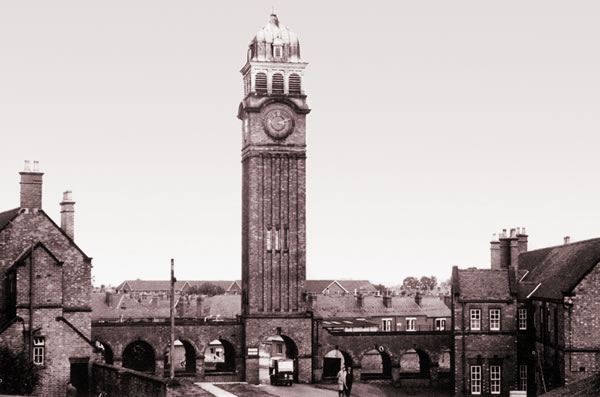
Probably the most identifying feature of the workhouse site was the imposing clock tower which has sadly, been demolished.
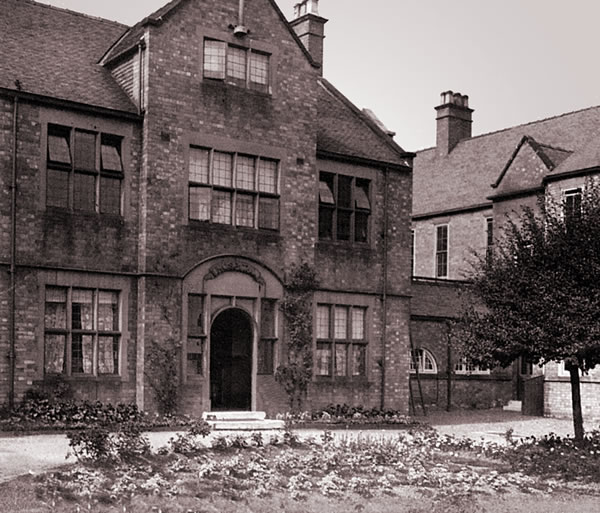
The workhouse infirmary retained a medical role and was used as the maternity hospital as part of the district hospital.
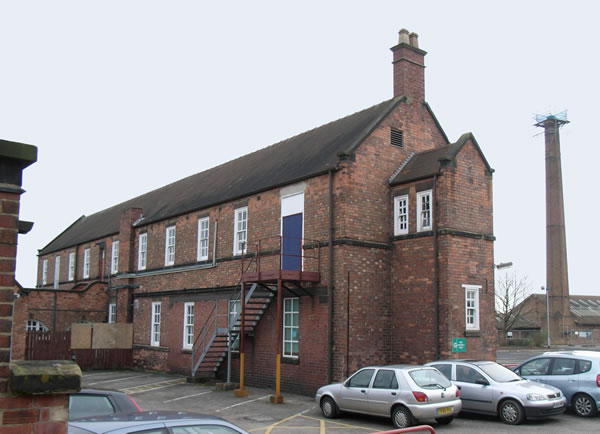
The children’s accommodation block was used by the District Hospital as the health records department and, known as the Clock Tower Wing, was also used for storage. With the advent of computers, it became largely redundant and was finally demolished in 2008.
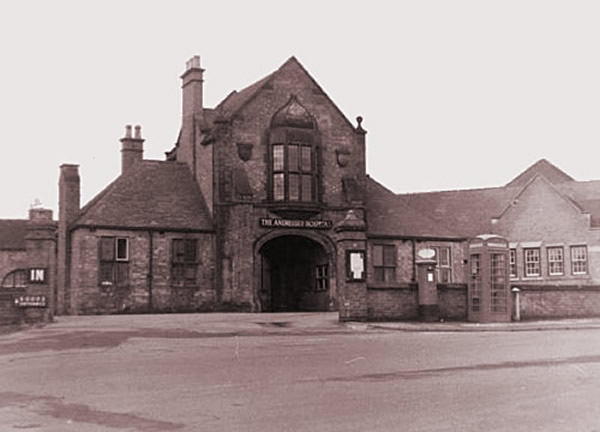
The distinctive Porters Lodge and its archway that formed the main entrance to the workhouse was sadly, demolished to improve site access.
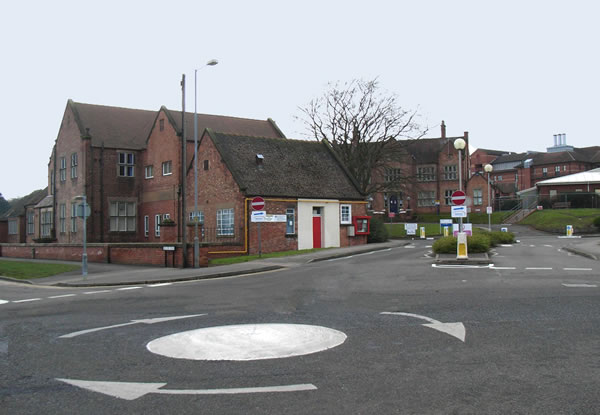
The main entrance to the workhouse can though, still be recognised. The Master’s House and the back of the Boardroom block can be seen to give a good idea of their relative positions.
Life at Belvedere Road Workhouse
Workhouse conditions were harsh so as to deter the able-bodied idle poor from relying on them. Men and women were segregated and children were separated from their parents. Aged pauper couples who by definition were neither idle nor criminal were not allowed to share a bedroom. By entering a workhouse paupers were held to have forfeited responsibility for their children. On admission, inmates surrendered their own clothes, any money or possessions were confiscated and they were issued with a plain uniform and single blanket which added to the depression.
At Belvedere, after rising at 6:00am for breakast, inmates worked from 7:00am to 12:00am before breaking for lunch. Work resumed from 1:00pm to 6:00pm. After dinner, inmates were confined to their accommodation from 8:00pm. This was actually less severe than many workhouses of the time. I have not been able to accurately establish what work inmates actually did but there are a few instances of resentment and hosility from Burton Companies not able to compete with Belvedere’s cheap labour.
Discipline was strictly enforced with typical punishments being a beating on the open hand or rear. Though food was very restrictive in the first place, it could also result in a reduction of food rations. In extreme cases, an inmate could be confined to a cell for a set period. Another form of both punishment and reward was through the appointment of different jobs. The worst jobs for offenders and more pleasant jobs for those that deserved it. Generally, treatment in the workhouse was very little different to being in prison with inmates being effectively punished for finding themselves in poverty. The only difference was that inmates could ‘discharge’ themselves and leave if they so wished but of course, invariably, they had no better option than being there in the first place.
The diet was also deliberately poor quality because it was not intended to attract inmates. An early breakfast is separate sittings consisted of a piece of bread and bowl of gruel. No second helpings were permitted except on Christams Day. Lunch was a rationed bowl of poor-quality vegetable soup though this was a Belvedere luxury not seen in most workhouses. Dinners were dull, predictable & tasteless and Supper usually took the form of a crust of bread and cheese. Members of the workhouse generally suffered from malnutition. All meals were eaten in observed silence and, in the early days, no cutlery was provided. Again, workhouse inmated fared worse than their prison counterparts. The official ration in HM Prisons was 300 ounces of food a week. The workhouse diet was often around 180 ounces a week only.
Inmates had to be pretty sick before being admitted to the infirmary. Treatment was basic and many left to the mortuary rather than back to the workhouse. Schooling was also very elementary though this improved when it was realised that an educated pauper child was less likely to return to the workhouse as an adult. Although Belvedere Workhouse enjoyed the luxury of a school, this was not the case in all workhouses. Children were often forcibly apprenticed to coalmines and local factories without the permission or knowledge of their parents. Many Belvedere children found themselves apprenticed to South Derbyshire coalmines from as young as eight.
This was largely due to the fact that the money to ‘Poor Law Commissioners’ was very poor, relying on an element of charity. The Workhouse Master for example, had a salary of around £80 where his counterpart, the Governor of a prison would have been paid around £600. Doctors and teachers were paid around half what they could earn outside of the workhouse and nurses were often unpaid and untrained inmates themselves.
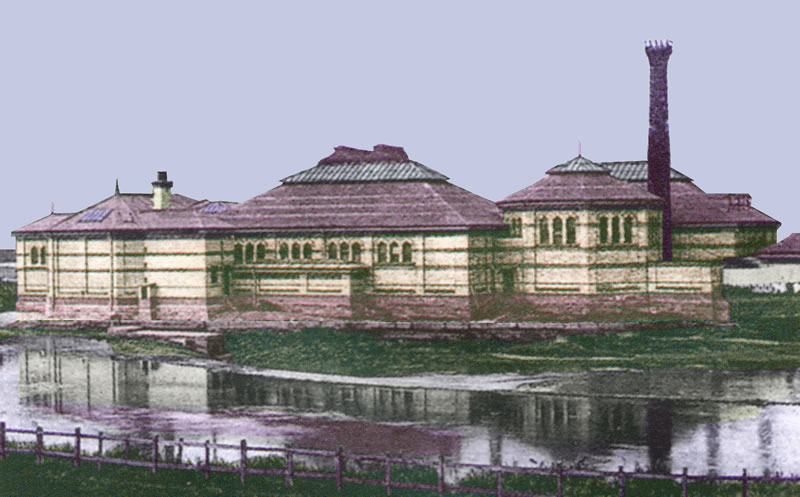
Burton baths were built and donated to the town by Richard and Robert Ratcliff, the sons of the brewer Samuel Ratcliff. They were handed over to the improvement commissioners and officially opened to the public in 1875.
Select page to view:
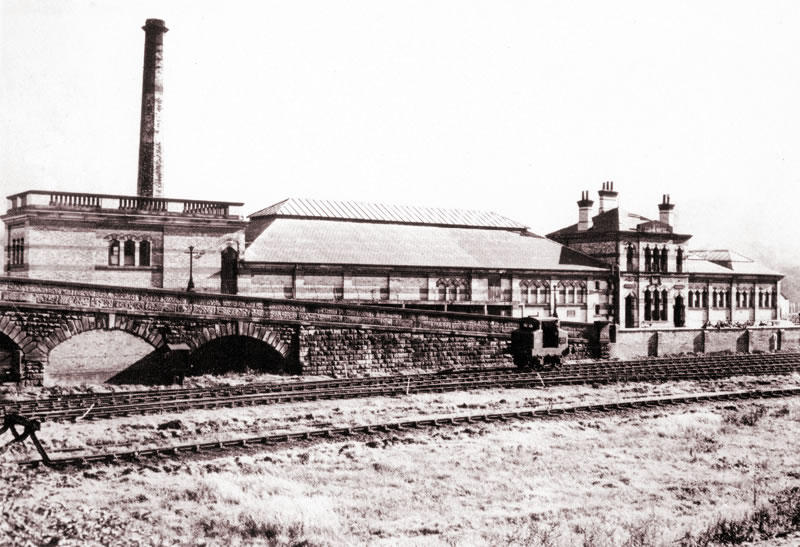
Several requests for a Burton public swimming baths had been made with the only available swimming in the river Trent. These were most strongly voiced in 1853. It would be over twenty years though, before any action was taken.
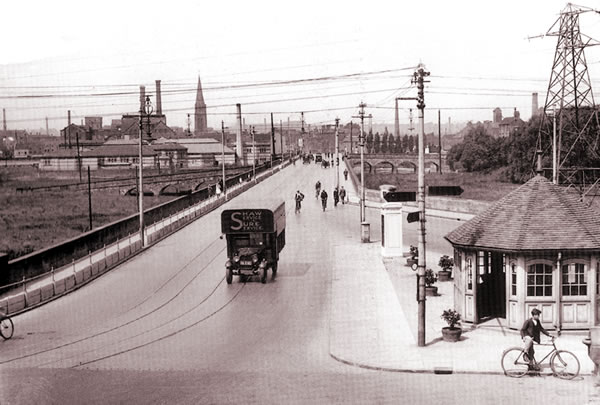
In the 1870s, baths were built and donated to the town by Richard and Robert Ratcliff, the sons of the brewer Samuel Ratcliff. Burton Baths was handed over to the improvement commissioners and officially opened to the public in 1875. The baths, which included two separate swimming pools, was situated at the bottom of the ramp on the south side of the Trent Bridge. Turkish baths were added in 1903.
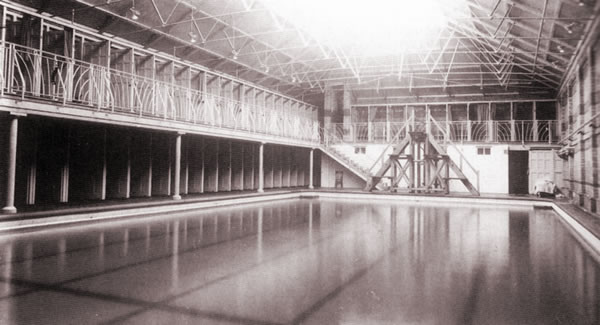
The new interior, complete with diving boards, will bring back memories for some. It will be better remembered as below for most though. Remember the open doorway to the other smaller pool, that always seemed to be a bit warmer?
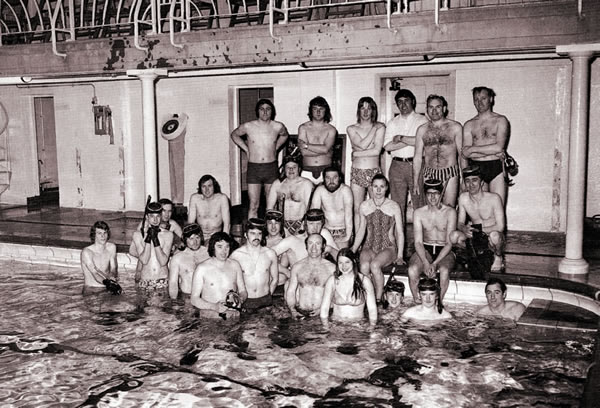
Burton Baths was demolished soon after the nearby replacement Meadowside Centre was opened in 1980.
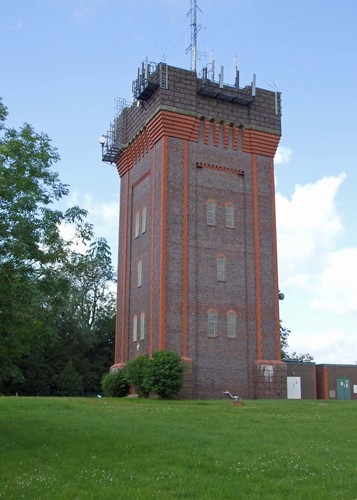 The Waterloo Tower, standing in what is known as Waterloo Clump, is without doubt Burton’s most prominent landmark and can be seen from many miles aways from Northerly, Southerly and Westerly directions. My own house stands at the foot of it and it can be seen from some windows so it is a particularly welcome marker on the skyline on homeward journeys.
Aside from magnificent local views, in clear conditions, views ranging as far as Erdington (Birmingham), Cannock Chase, the Weaver Hills and the Peak District. Landmarks such as Lichfield Cathedral can easily be picked out.
It was built by local prominent builder, Thomas Lowe and Son Ltd., as the result of an agreement between Burton Corporation and the South Staffordshire Waterworks Company and officially opened on November 30, 1905.
The Tower itself is only 30.5m (100 feet) high, but stands on hilltop which is 125m (410 feet) above sea level. This makes the top of the tower over 350 feet higher than the river Trent. It is 15m square with walls 2.5m thick.
It was agreed that South Staffs Water would purchased two plots of land, one for the erection of the tower and the other at the bottom of Waterloo clump for a pump engine-house. The object of building the tower was that all the houses in Winshill could enjoy a supply of water sufficient to reach their top storeys. The tower and engine-house cost £6,500, and the Corporation agreed to contribute £1,000.
Essentially, the tower houses a huge tank where water for domestic use is stored after being pumped up from the engine-house to provide a large head of water which, due to gravity, could be supplied at much higher pressure than was available from the district reservoir. The water tank itself is cast iron. It is over 3m deep with a capacity of 50,000 gallons weighing 225 tons when full.
When built, the tower was much more visible from the town than it is today now that the surrounding trees have grown to maturity. One interesting use of the tower a few years after it built was in conjuntion with the Aviation days held on Bass Meadow. Flags of different colours used to be displayed to the town the state of play indicating for example, that flying had been suspended due to wind conditions or, more excitedly, that another flight was imminent.
These days, the top of the tower is crammed with antenna which take advantage of its position. Now that the tower is no longer used for its original purpose, there have been some proposals that it should be demolished and the land re-developed but this has been met with strong protest on the basis that it is such a well known landmark.
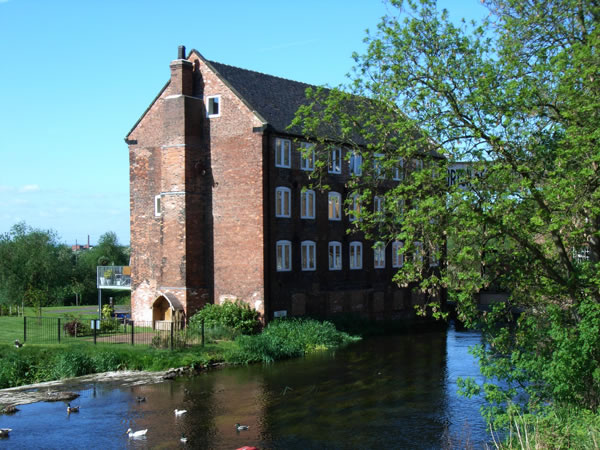
Peel Mill stands almost inconsequentially next to the river in Winshill, at the bottom of Mill Hill Lane. It is easy to pass it by without much notice but it has a fascinating story to tell.
It was opened in Burton by Robert Peel who reloccated his milling operation from Altham, near Blackburn, after a large gangy broke into Peel’s mill there and destroyed most of the machines due to the Luddite feelings that they would put many people out of work.
So what about the most famous Robert Peel who was Home Secretary, Chancellor of the Exchequer and (twice) Prime Minister best known as the founder of the Police Force? Any relation? In fact yes, he was the mill owner’s Grandson!
Select page to view:
Mention the name Robert Peel and the first historic figure that probably comes to mind is man most famous for the formation of the Police Force. This feature concerns his Grandfather, Robert Peel.
Robert Peel experimented with fabric printing in some outbuildings of the family yeoman farm. He made the fortuitous acquaintance of a government officer who had been posted from London whose former job involved the responsibility of an India based textile company with a unique process for permanently fixing patterns on fabric but had been refused permission to establish a similar company of his own in London. The two of them established a small fabric printing company in some outbuildings of the family farm in Lancashire
Another nearby Lancastrian, James Hargreaves, had been experimenting with a machine that could do the work of a group of women sitting at individual spinning machines, far more efficiently. It was the forerunner of the spinning Jenny.
Peel immediately recognised the potential and re-mortgaged the farm to raise money to develop the machine. In 1765, the first mill was in operation at Altham near Blackburn. It had a rack of 40 spinning jenny’s operating in tandem, each turning eight spindles. This was combined with Peel’s printing process to produce his earliest design which featured a single parsley leaf repeated in diagonal rows. This became widely known as ‘Parsley’ Peel and was a great commercial success. So much so that it became his nickname too.
Industrial advancement was everywhere and within a couple of years of Peel’s first mill opening, Richard Arkwright had patented his water powered spinning frame and James Watt was on his way to perfecting the steam engine. Almost overnight mass production had arrived and cotton spinning was no longer a cottage industry. Hand spinners using traditional spinning wheels could simply not compete with ‘modern’ mechanisation.
A large assembled group, feeling that their very livelihood was under threat, broke into Peel’s mill and destroyed as many machines as possible, throwing many of them into the adjacent river Calder. The textile world wasn’t ready for Peel’s advancements so, rather than trying to rebuild, he decided to look around for another potential site, far away enough from the rioters but close enough to his now established customers.
Burton-on-Trent
Burton-on-Trent proved to be ideal. Most raw cotton arrived at the Liverpool docks and there was a direct link via the new Trent and Mersey canal which had been recently opened in 1777. Unlike the Lancashire he was leaving behind, Burton embraced the idea of new industry and Joseph Wilkes, a very successful businessman and director on the Burton Boat Company which leased the shipping rights on the river Trent from the Earl of Uxbridge and who owned his own bank, was more than happy to help finance Peel’s new business. Another great advantage of having Wilkes involved was that the terms of the Burton Boat Company’s lease enabled them to supply him with sites for mills and water to power them.
Mill wheels need a guaranteed, steady flow of water to act as a driving force. Without proper water management the Trent at Burton was too unpredictable, too slow flowing and liable to flood. At Winshill however, there was already a site for a former fulling mill on an artificial island with suitable weirs and sluices to control the flow. By 1781, all remains of the original fulling mill had disappeared, to be replaced by a new much larger purpose built four storey mill. Another fellow director of the Burton Boat Company, Sampson Lloyd, also ran a foundry. This was just upstream of the proposed mill, allowing mill machinery to be built and easily shipped into place. After a few years, it was decided to remove the first floor to make a much higher ground floor which was comprised of 8 high bays measuring 120 feet by 30 feet.
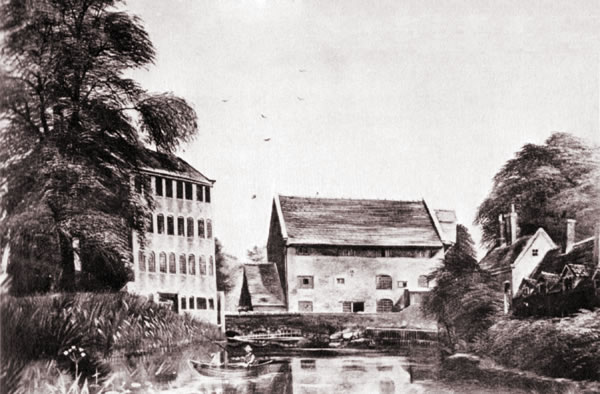
Before the arrival of photography, the above early 19th cenury painting of the Peel Mill, together with what was then, Burton Corn Mill, provides the best available record of the scene.
Robert Peel, by now almost 60 years old but still very energetic and with two keen sons. A second mill soon followed at Bond End in Blackpool Close, 300 yards south of the Fleet stones. Construction started in 1782 and was completed the following year. It was supplied by water from a specially dug channel known as Peel’s Cut. To assist in the construction he purchased several large consignments of timber from J.W. Wilson of Burton costing £66.00.
The third mill was constructed between 1784 and 1787 and was built on the site of the old Upper Mill near Waterside in Stapenhill. In 1795 the fourth mill was built at Bond End close to the other existing mill; this mill was called the “New Building”. In 1814, part of the old forge mill at Winsill was converted into their fifth and final mill in Burton.
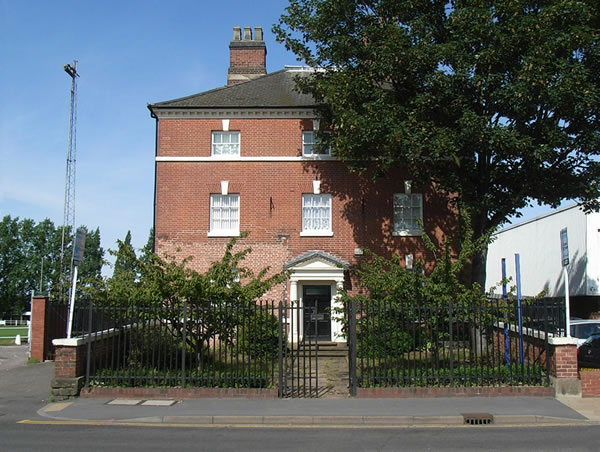
Robert had started by leasing two houses in Horninglow Street but, once established, brought a large Georgian town house in Lichfield Street which he re-fronted and completely refurbished. Peel House was conveniently close to his Bond End works. He also had cottages built close to their mills for workers and superior houses for managers, overlookers and superintendents.
In little more than a decade the Peel’s had made the textile industry the major employer in the area, before the enormous growth in the brewing industry, and other business entrepreneurs, seeing the opportunity created by Peel’s success, started mills of their own. Thomas Dicken and Benjamin Wilson, two of the early brewers in Burton, left the brewing industry and joined forces to establish a mill on the river Trent at Alrewas. In Tutbury, John Bott and his son Charles, already involved in producing woollen cloth, erected a five-storey cotton mill on land leased from the Duchy of Lancaster in Bridge Street where the existing mill stream could be exploited as a power supply. Numerous other mills also sprung up and down the Trent from Burton.
This rash of factories springing up to cash in on the advantages of new industrial technology may have been mechanised but manpower was still essential. Spindles had to be loaded, looms supplied with thread, machines constantly maintained, raw materials and finished goods moved. For the most part it was boring, repetitive and noisy work. Around a quarter of all mill workers were children. Many officially ‘paupers’, poor children and orphans sent as indentured apprentices to prevent them becoming a burden on their home parish in the days long before the welfare state. Mill owners were responsible for housing and feeding their apprentices.
Hours of work in Peel’s mills were generally six o’clock in the morning until nine o’clock at night with only a short break for a midday meal, six days a week. They did though, directly and indirectly, provided employment for almost 800 local workers which was a significant proportion of the population at the time. Although conditions seem atrocious by modern standrads, they were actually much better than in many other industries of the time.
Summoned before a Select Committee set up by the Government to investigate conditions in factories, Peel said that as a busy man he did not have much time to visit his factories personally and claimed that it was the mill managers, paid by results, who were responsible for the poor conditions and long hours. Robert Peel, now ‘Sir’ Robert Peel, to his credit, used his public position to try and improve conditions and supported several acts of parliament, among them, setting limits on the number of hours children could work and ensured they were provided with suitable clothing and a basic education.
Robert Peel retired in 1792 and moved back to Lancashire leaving his sons in charge at Burton. By then, Robert Peel II had set up his own business. Initially in partnership with Wilkes he purchased the bulk of Sir Thomas Thynne’s Drayton Bassett estate and opened his own textile mills at Tamworth.
His son, John Peel, and other members of the family continued their operations in Burton for a few more years but in a fast moving business the local mills were becoming outdated and uncompetitive. Only one steam engine had been installed. The centre of textile manufacture was gravitating back northwards to Lancashire and Yorkshire. One by one the local mills began to close and brewing took over as the principal industry.
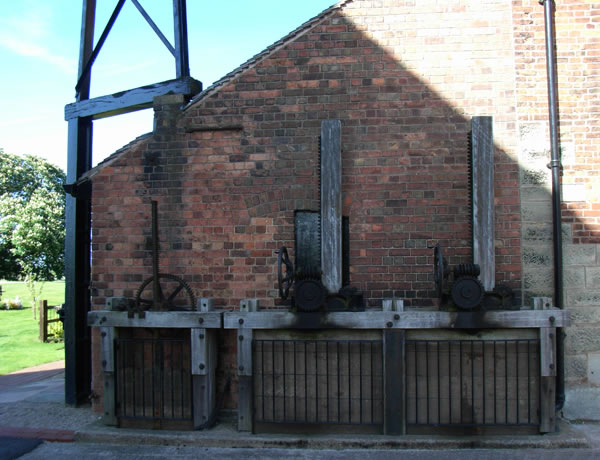
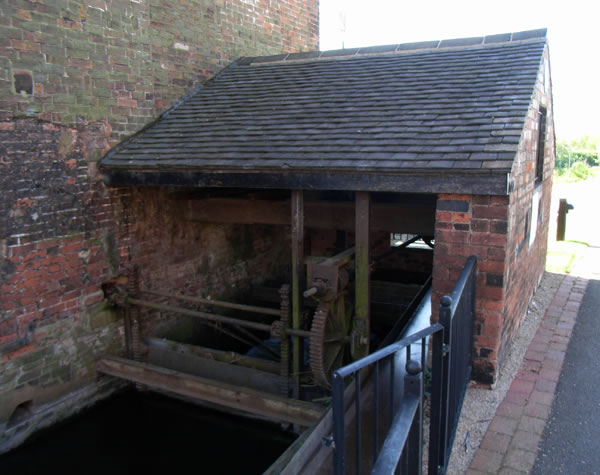
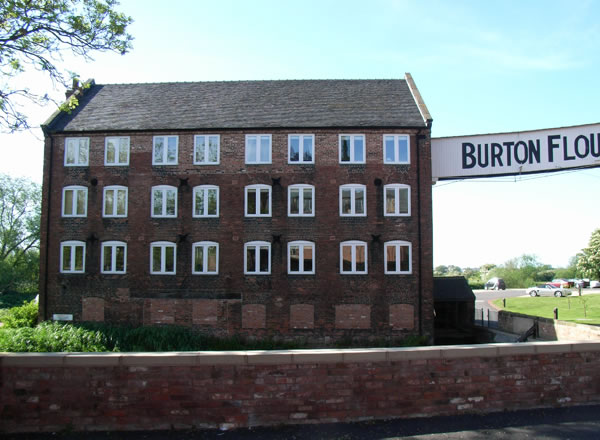
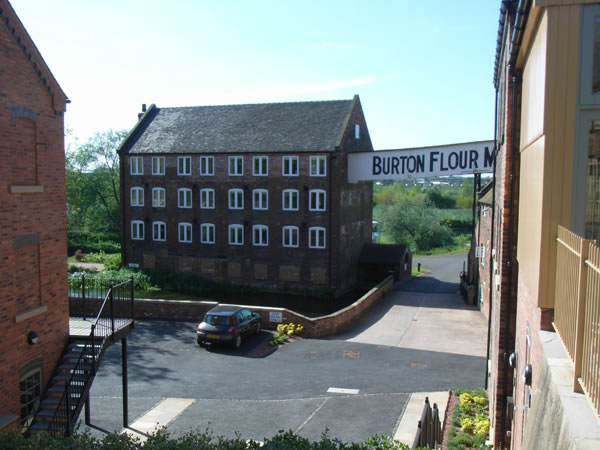
The original Peel mill can still be seen at the bottom of Mill Hill Lane in Winshill and it is still easy to imagine it on its own little island. For a while, it was used as part of the much larger Greensmith’s Flour Mill which grew up next to it. It has now been converted to apartments and, although the main controlled stream has now been replaced with a roadway, a number of the original mechanisms have been retained as features.
Robert Peel II (1st Baronet)
Robert Peel II had a good London education before joining his father’s company. He was made a partner at the age of 23 and very soon, he had taken control of the business and began to make full use of the new technology that was transforming the textile industry.
Peel, still a Lancastrian at heart, established other milling interests at Woodhill, to the north of Bury. After marrying the daughter of one of his partners, he settled at Chamber Hall in the town. It was there that Robert III was born, one of 11 children.
Robert Peel II, with a much better education than his father had enjoyed, was a very shrewd businessman and, still aware that his introduction of machinery was still likely to cause problems among traditional Lancashire textile workers, he built a new factory in Tamworth and manned it partly with pauper children from London workhouses. Financially, this venture was a complete success and in the 1790s, Robert Peel II was recognised as one of Britain’s leading industrialists, commanding a workforce of 15,000. In 1790, he was elected MP for Tamworth and 10 years later he was knighted and became 1st Baronet.
Sir Robert Peel II eventually sold his share of cotton mill interests and retired from business with enormous wealth in 1818. He continued to lobby for improvements in working conditions and supported the Factories Act, passed in 1819 banning the employment of children under nine. Nevertheless, 20 years after the Factories Act the Burton mills were employing 100 children aged between nine and 13 years.
Despite his fortune which had been made using them, Robert Peel II became a strong supported of causes to improve working conditions and to better provide for the most vulnerable. In 1802, he was largely responsible for the Health and Safety of Apprentices Act, which limited the working hours of cotton-mill workers to a maximum of 12 hours a day.
Sir Robert Peel II died at his Drayton Manor home on 3rd March, 1830.
Robert Peel III (2nd Baronet)
The next Robert Peel, born in 1788 near Bury in Lancashire, was the oldest boy and third of eleven children to Robert Peel (1st Baronet).
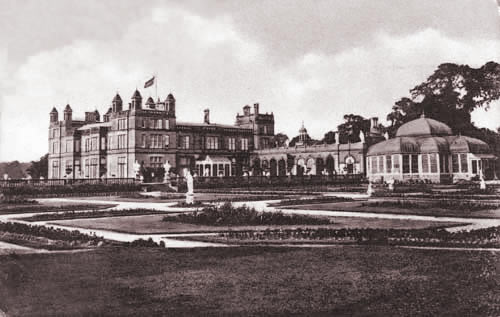
Educated at Harrow, Young Robert Peel, for the second generation in a row, bettered even his father’s phenomenal success. Eventually, he bought Wilkes’ share of the business. In place of his father’s manor house, he had the magnifient Drayton Manor mansion built by Robert Smirke, one of the most fashionable architects of the time, with the extensive grounds designed by William Gilpin, a great landscape gardener of the time.
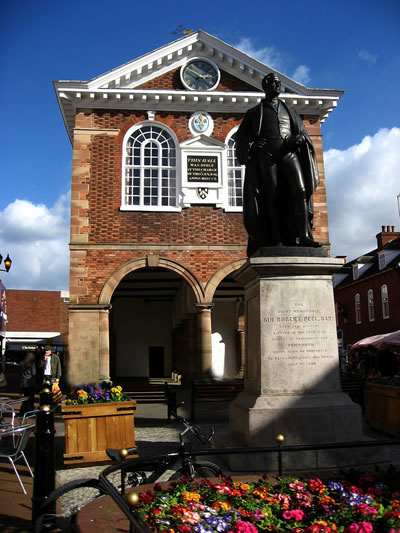
He also went on to represent Tamworth in parliament in 1809. Eventually, he became Home Secretary, where he was most famously instrumental in creating the police force (hence the terms ‘Bobby’ and ‘Peeler’). For the short period from 10 December 1834 to 8 April 1835, he became Conservative Prime Minister of the United Kingdom, and again from 30 August 1841 to 29 June 1846.
Sir Robert was killed following a fall from his horse on Constitution Hill in London and was buried in the small parish church at Drayton. His statue stands in the Market Place at Tamworth.
More Robert Peels
There were six baronets all together, all named Sir Robert Peel, until the direct line ended in 1942. The title was then transferred to a younger branch of the family and the present Earl Peel is the third Earl, fourth Viscount and eighth Baronet.
All due in part to the success of a small mill in Winshill!