 EARLY HISTORY
The fact that Stapenhill church is dedicated to Saint Peter suggests that it may have foundation that preceeded the conquest since this dedication was most common in the Anglo-Saxon period. The church could well have had minister status in the late 11th century when it is known that there were chapels at Stanton (then Heathcote), Newhall and Drakelow as well as one in Caldwell, recorded in 1280. It is recorded that a plot of land once belonging to a chaplain in Brizlincote was assigned to the chamberlain of Burton abbey in 1326 which suggests a chapel there too. All came under the Stapenhill parish and were to be served by Saint Peter’s.
According to an early 16th-century history of the abbots of Burton, Stapenhill church was given to the abbey by Abbot Beohtric. After the dissolution of the abbey by Henry VIII, the patronage, like most of Burton, was passed to William Paget, his close advisor.
Not all holdings of Burton abbey in Stapenhill were not fully integrated into Stapenhill parish. Some houses near Stapenhill church and the hall at Brizlincote Farm were in Burton parish for ecclesiastical purposes, although residents there were often buried at Stapenhill.
In 1650 parliament advocated that these outlying parishes should also come under the Stapenhill parish. The transer did eventually happen, but not until 1864 – 214 years after the suggestion was made!
In 1884, the river Trent was the dividing line between Staffordshire and Derbyshire so Stapenhill was in Derbyshire; it was therefore transferred from the Lichfield diocese, which was in Staffordshire, to the newly-established diocese of Southwell, where it remained until 1927 when it was taken into the Derby diocese.
In 1925, Saint Peter’s was transferred to the Church Association Trust which later became the Church Society Trust.
INCOME AND PROPERTY
In the 1150s the priest at Stapenhill was assigned some tithes by the abbey. When Bishop William Cornhill (1214-23) confirmed the abbey’s ownership of the church there, he stipulated the institution of a vicar. The order was repeated by Bishop Alexander Stavensby in 1230, and following the resignation of the church by John de Caen, presumably the rector, in the same year a vicarage was ordained; the abbey was inducted as rector in 1231.
There appear to have been later disputes about the endowment of the vicarage, and in 1268 the bishop confirmed that the abbey as rector was entitled to the tithe of corn throughout the parish, including its chapelries of Caldwell, Drakelowe, and Newhall, and also the tithe of hay and the small tithes from its demesne land. The vicar was to have the tithe of hay and the small tithes from other land, together with a house in Stapenhill and parcels of glebe land in various parts of the parish.
The church income was valued at £15 13s 4d a year in 1291.
In 1535 the abbey received £10 a year, probably representing the great tithes, and the vicar received only £2 10s (13 shillings from glebe, 16 shillings from small tithes, and 21 shillings from offerings), the vicar however, also received an annual payment of £3 6s 8d from the lords of Newhall (presumably in lieu of tithes).
By 1650 the church income had grown to £43 6s 8d a year, together with £5 for Caldwell. In 1665 the vicar still claimed all the small tithes, but by 1668 Caldwell paid a modus of £6, as did Stanton and Newhall by 1693. The Caldwell modus was evidently disputed, but was confirmed in 1676 by an agreement which required the vicar to preach once a month at Caldwell.
In 1707 the vicar received £31 from glebe and tithes and £12 3s from moduses, together with Easter offerings, fees, and small rents. Owen Lloyd, vicar from 1768 to 1813, disputed the Caldwell modus in 1773, and by decision of the House of Lords in 1777 he was restored the small tithes there, worth c. £40 a year. The Stanton and Newhall payment was disputed by his successor in 1815, but the defendants argued that it was not in fact a modus but rather a pension derived from there once having been a chapel at Newhall. The vicar’s claim was evidently dismissed, and he still received the payment in 1841.
At inclosure in 1773 the vicar was assigned 24 acres on Stapenhill heath in lieu of small tithes from ancient inclosures, and in 1841 the total glebe was 86 acres. It was probably as a result of the renting of glebe to brickmakers that the vicar’s net income had risen by 1831 to £373, out of which he paid £93 to the curate of Caldwell.
There was a vicarage house of two bays in 1665, enlarged to four bays by 1698. Owen Lloyd left it in a ruinous condition, and it was still uninhabitable in 1831. A new house, east of the church on what was probably the same site, was built in the late 1830s by John Clay who was vicar from 1837 to 1877, even though Clay lived in a family house near the church. The 19th century vicarage house was sold in the late 1960s and the present vicarage built to the west on the main road.
CHURCH LIFE
William Bradshaw, a noted puritan divine, was suspended from his lectureship at Chatham, Kent, in 1602. Following this, he was supported by Alexander Redich of Newhall and began to preach in a private chapel in Redich’s grounds. As the congregation grew larger, Bradshaw moved into Stapenhill church, and he continued to preach there, as well helping to conduct a ‘common exercise’ in the Burton area. He died on a visit to London in 1618. Another puritan, John Lucas, was appointed as vicar in 1647, and in 1650 he was described as being ‘of good conversation’.
The registers, now held at Matlock, date back to 1679.
Soon after Owen Lloyd became vicar in 1768, he began to celebrate holy communion at Michaelmas, in addition to Christmas, Easter, and Whitsun, and in the earlier 1770s there were between 30 and 40 communicants. A sermon was preached every Sunday morning. A stipendiary curate, Hugh Jones, served Stapenhill for the absentee vicar Henry Des Voeux in 1824; Jones was also the curate at St. Modwen’s in Burton, where he lived. In 1829 the curate was Joseph Clay, the son of the Burton banker Joseph Clay (d. 1824). The younger Joseph retired because of ill health, and his brother John was curate in 1834, becoming vicar in 1837. He died in office in 1877. In 1851 there were two Sunday services, with average attendances of 140 in the morning and 180 in the evening; there was also a Sunday school.
The growing number of brickyard workers caused the vicar to engage a scripture reader in the early 1850s, and in 1869 a mission room was opened in Short Street, doubling up as a board school from 1874. Another mission room opened at the southeast end of Stanton Road in 1884 was served from Christ Church, in Burton. The parish church itself was completely rebuilt on a much larger scale in 1881 to accommodate the increased population.
The services were formerly mainstream Church of England, but the church now has an evangelical ethos and there is a strong supporting lay ministry.
In 1874 the vicar proposed to convert the boys’ day school at the north end of Stanton Road into a parish reading room and library. The present building there was erected by subscription in 1891 and was vested in diocesan trustees in 1900. Later known as the Glebe School, the building was restored in 1988 and was used in 1999 mainly as a church hall.
CHURCH BUILDING
Nothing survives of the medieval church of St. Peter, but an 18th-century drawing shows a building whose exterior was mainly of 13th-century date with a chancel, nave, and two-stage west tower with crenellated parapet.
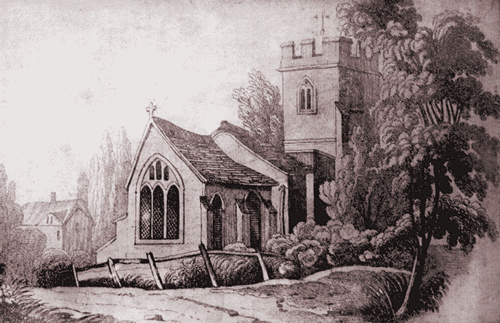
The nave and possibly the chancel were probably aisled on the north side. Internally, however, that building included earlier features such as a roundheaded chancel arch, possibly of pre-Conquest date, and the nave was probably of a length found in many Anglo-Saxon churches. The nave and tower were demolished in or shortly after 1780 and were replaced with an aisleless nave with a bell-turret at the west end. The cost was probably met by local subscription, the chancel being left untouched presumably because Lord Paget as the rector was not prepared to pay for its rebuilding. A north gallery was erected in the nave in 1821. It was retained when the nave was rebuilt in the late 1830s under the direction of Henry Stevens of Derby and entirely at the expense of the new vicar, John Clay. The pulpit and reading desk were sited on the south side of the chancel arch, and the new work included the addition of a south porch and a west tower with tall lancet windows and pinnacles. The chancel was demolished in 1860 or 1861, again with Stevens as architect, and the nave was extended eastwards to form a new chancel with only a shallow projection. The pulpit and reading desk were separated, the former (or possibly a new one) being moved to the north side of the chancel arch.
The increase in population in the 1860s and 1870s necessitated a larger building, and money was raised to rebuild the church in its present form in 1881. The main benefactors were members of the Clay family and Burton brewing firms.
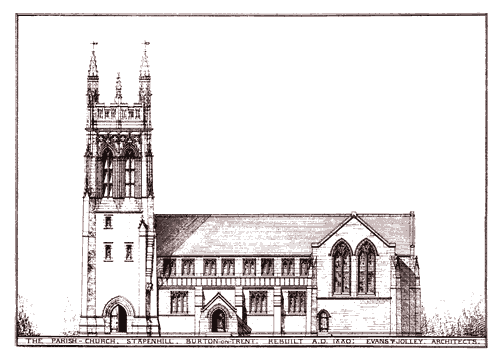
Above is the original Architects drawing by Evans and Jolly of Nottingham. The indicated date of 1880 AD was the original anticipated date and should not be taken as an historic record because it was not actually completed until some years later.
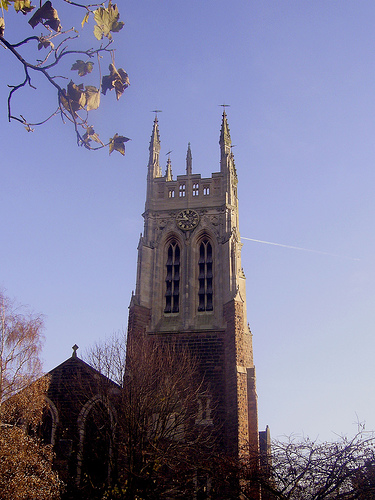
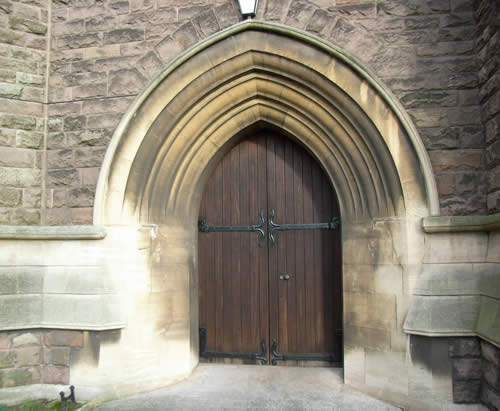
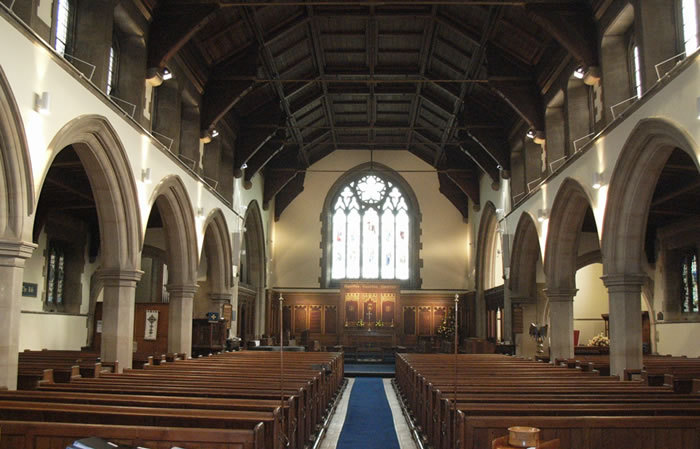
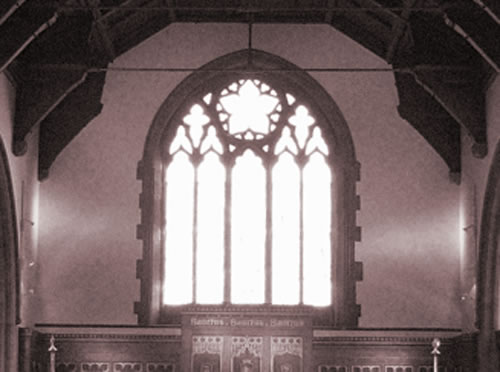
The church comprises a short chancel, short north and south transepts with north vestry, an aisled nave of four bays lit by clerestory windows, a small south porch, and an engaged south-west tower with pinnacles; there is also a door and internal porch under the tower. Derbyshire stone was used for the walls, with dressings of Bath and Ancaster stone. Internally, the organ was resited in a gallery at the west end of the nave and the pulpit placed in the centre of the chancel, flanked by prayer and lesson desks.
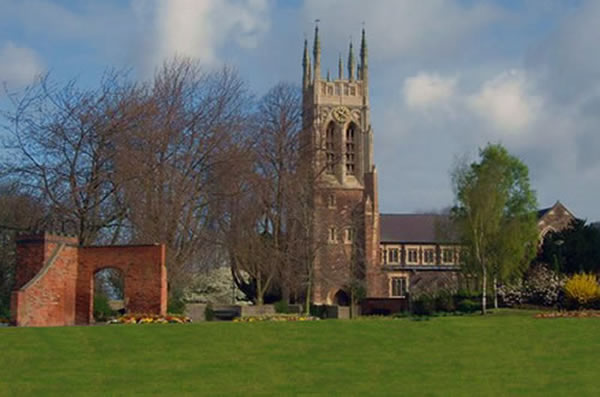
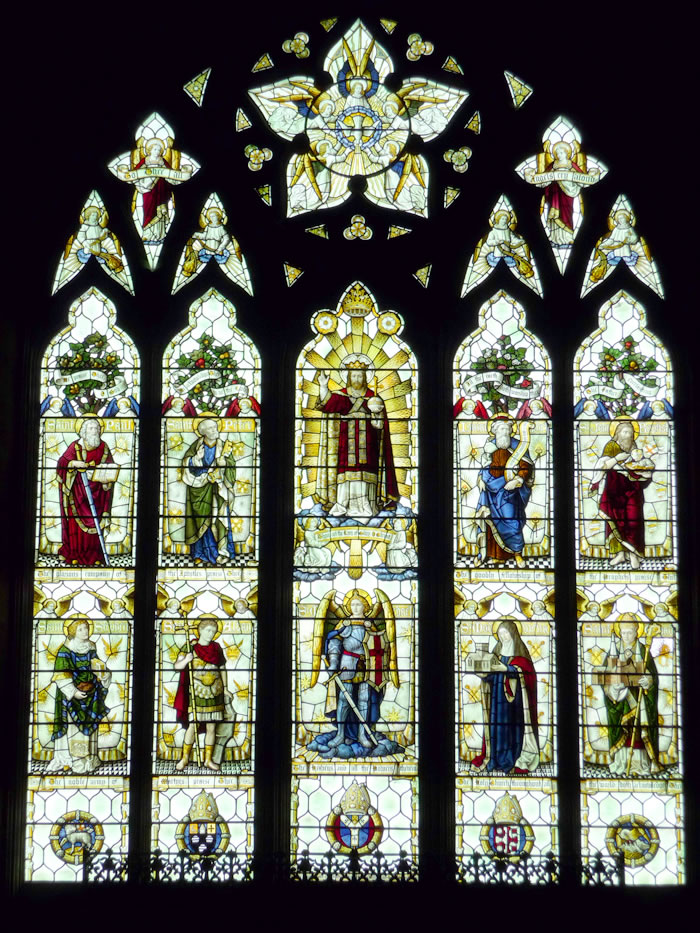
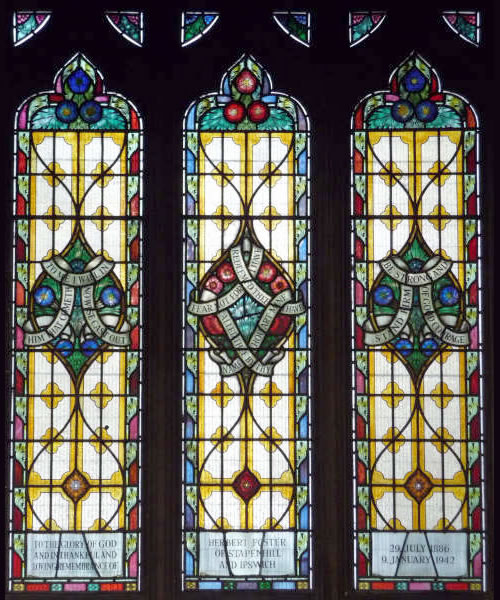
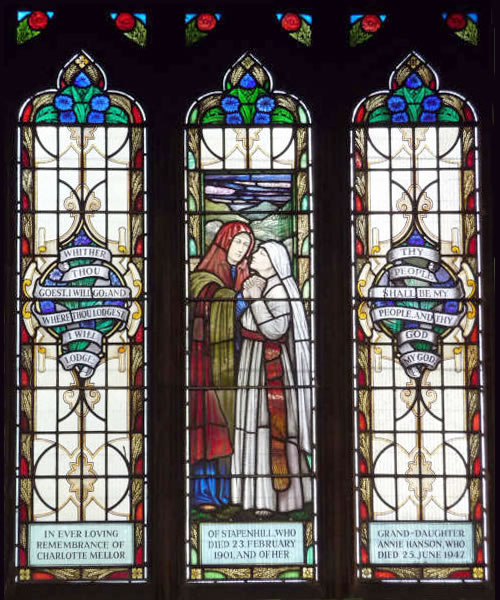
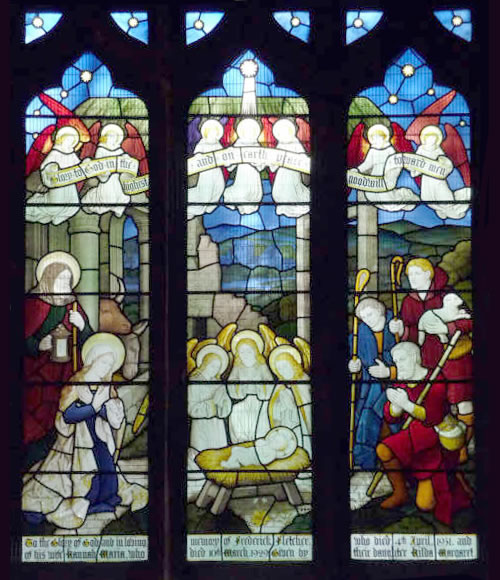
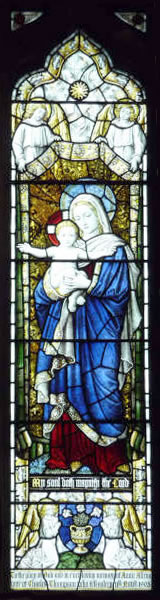
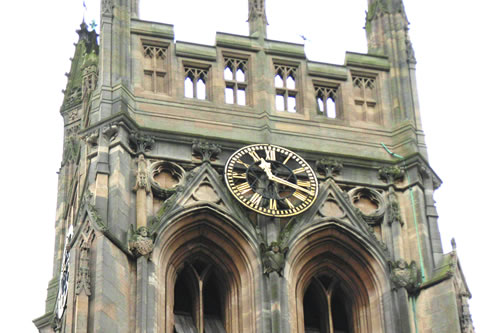
The upper stages of the present tower with its pinnacles were not yet completed in 1881 but were added soon afterwards in limestone. The west gallery was removed and the organ placed on the north side of the chancel in the early 20th century, when the chancel and south Lady chapel were refitted in an Art Nouveau style: a memorial east window in the Lady chapel is dated 1908.
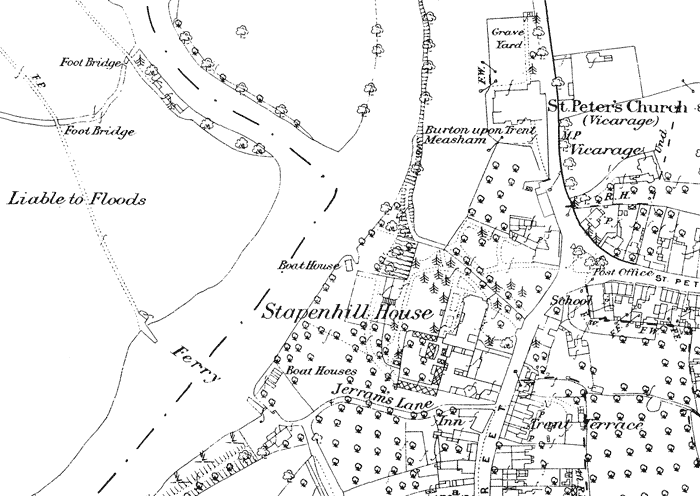
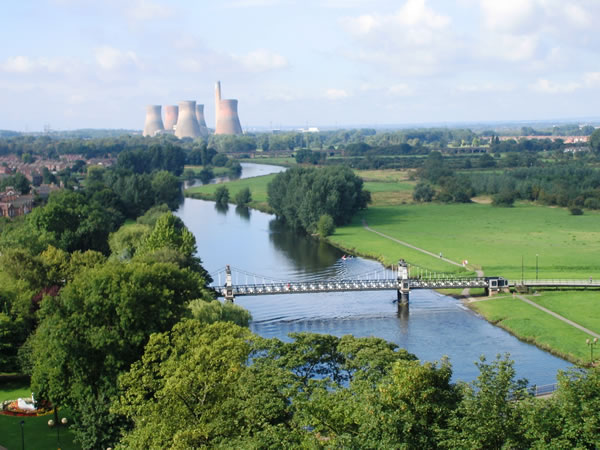
A map prepared in the year that the new church was built shows that things were quite different at the time. There was not yet a Ferry Bridge and persons with business on the other side of the river had the options of paying the penny toll for the ferry and walking across the meadow, catching the house-drawn omibus from Stapenhill Green, close to Saint Peter’s for fourpence, or walking to the old trent bridge.
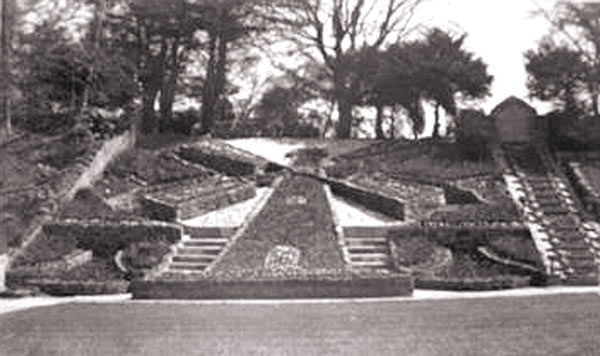
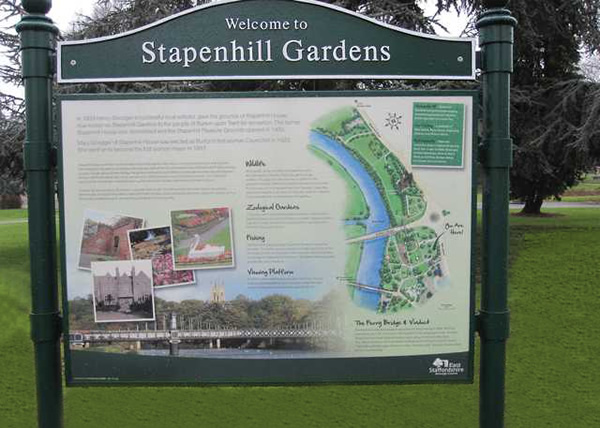
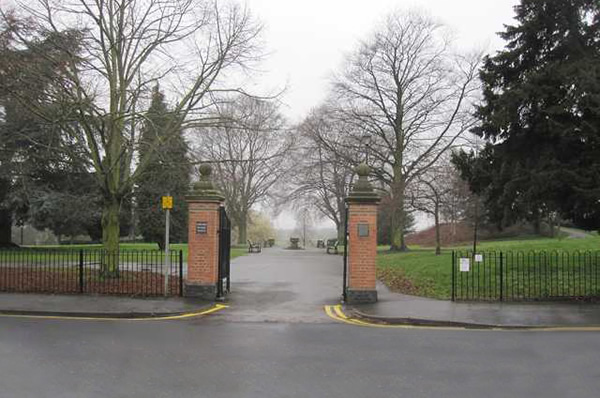
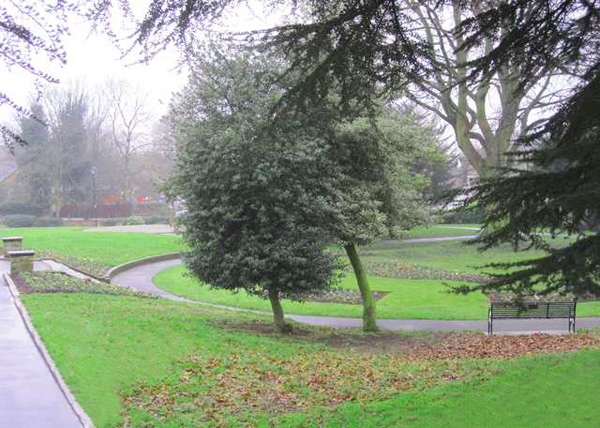
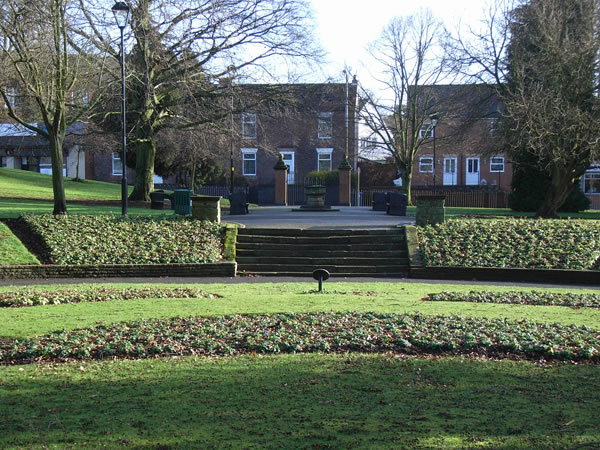
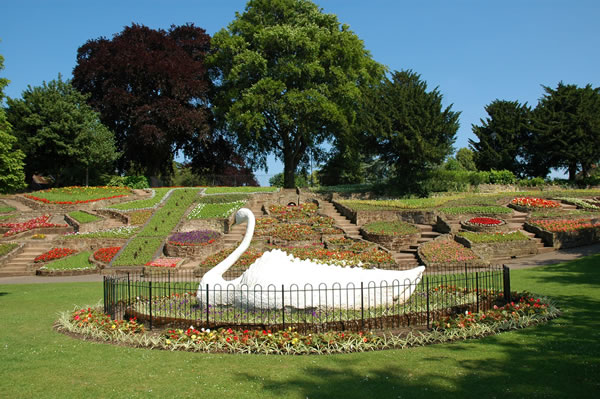
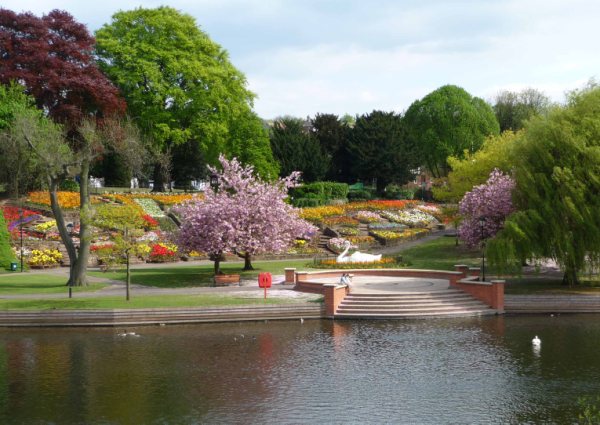
Stapenhill House dominates the area adjacent to the church with what was to become Stapenhill Gardens forming part of their private garden with a boathouse near the present day white swan monument.
Burial Graveyard
The burial graveyard around the church was no longer in use in the late nineteenth century. It was closed when Burton municipal cemetery was opened nearby in 1866. To compensate the church for the loss of income due to burials, the council maintain the grounds of what used to be the graveyard.


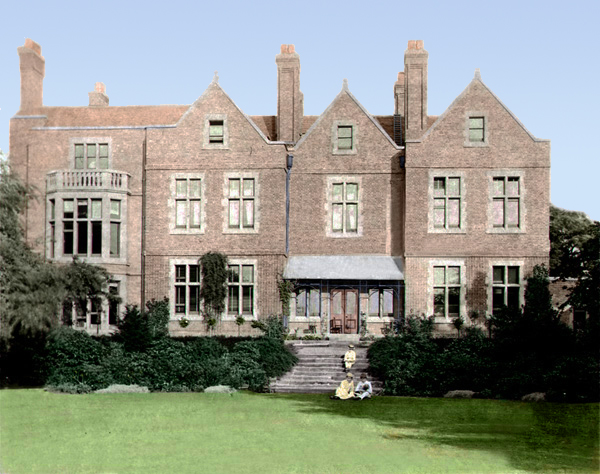
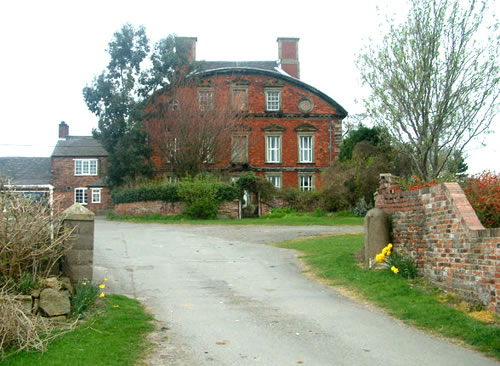
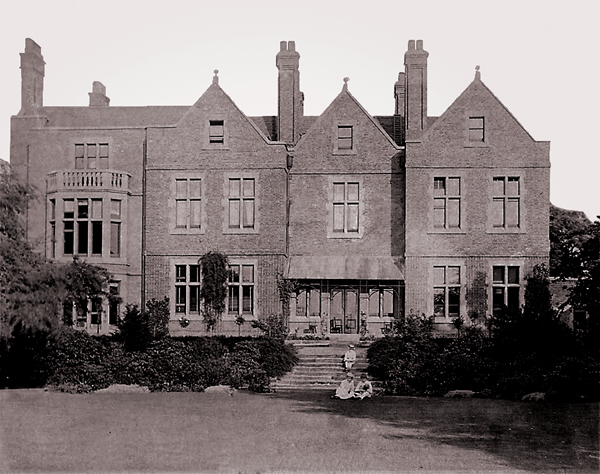 Stapenhill House was owned by the Spender family until 1820, when the owner, John Spender died, and it is thought that the house then was inherited by his children, including his daughter Sarah, whose husband, Joseph Clay, bought out the other heirs in 1824.
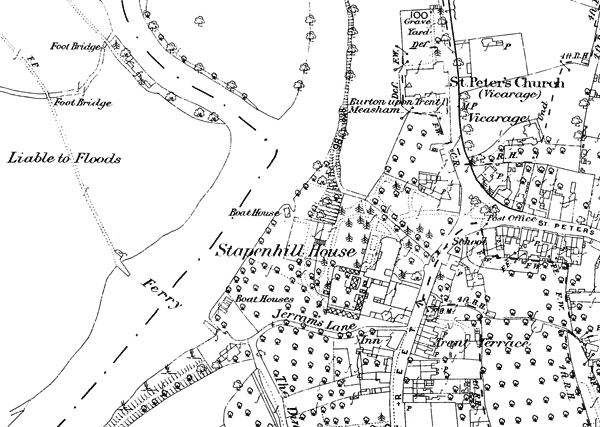 This OS map extract from around the same time reminds that Stapenhill House knew very different times. Most obviously, the Ferry Bridge had not yet been built; a ferry boat was still in operation followed by a walk across the meadows to Burton. In wet weather, or if you could not afford the penny crossing, the only alternative was a walk to the Trent Bridge.
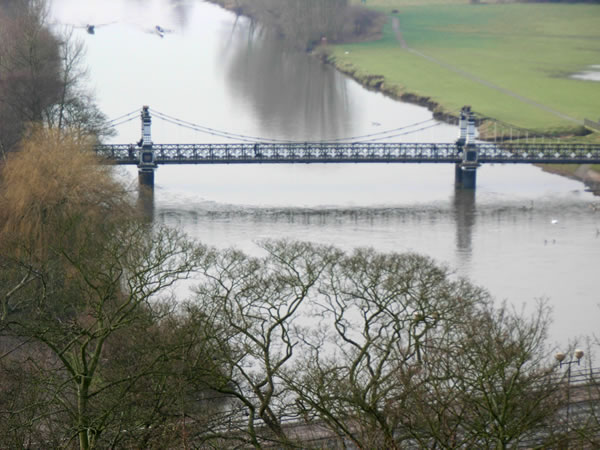
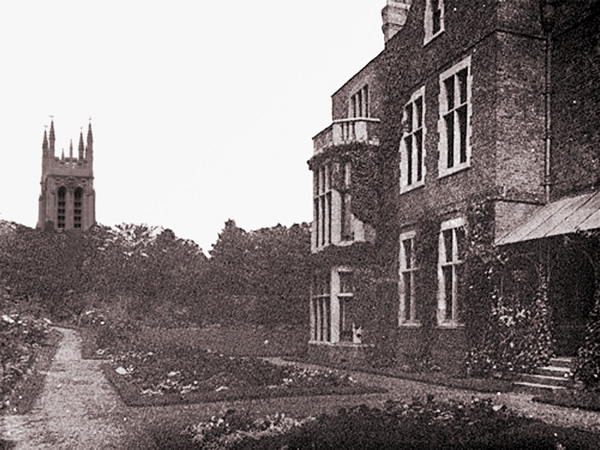 Stapenhill House neighboured with Saint Peter’s Church and vicarage. The old vicarage garden gateway can still be seen as an isolated folly as you drive onto Saint Peter’s Bridge.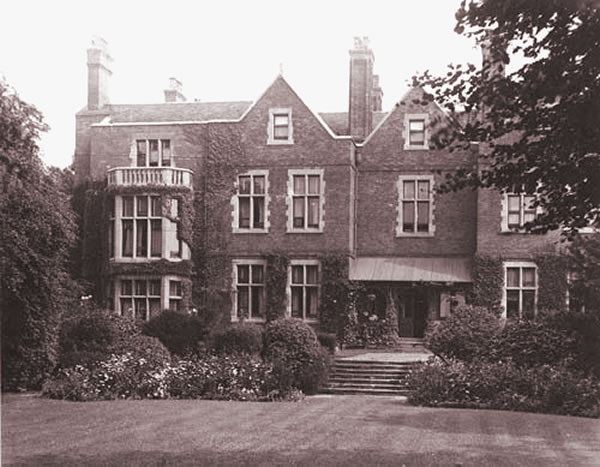
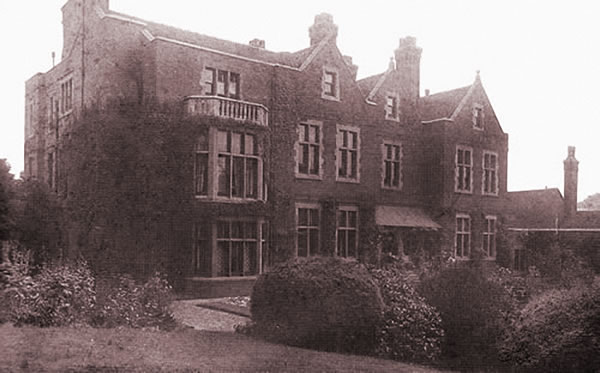
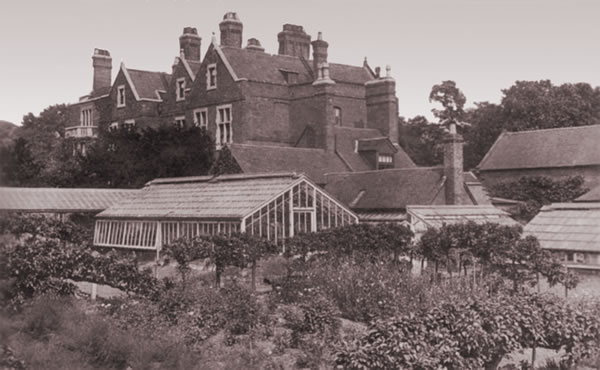 The original Stapenhill House gardens ran to Jerrams Lane where they were surrounded by a high brick wall. This rare view from that direction reminds that the gardens once boasted among other things, extensive greenhousing, heated vinery, peach house and a large kitchen vegetable garden.
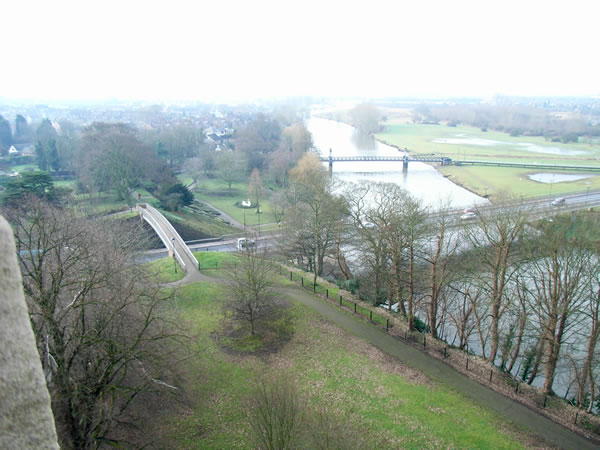
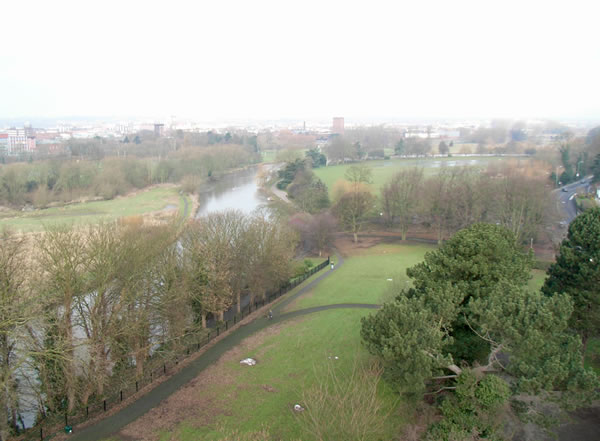
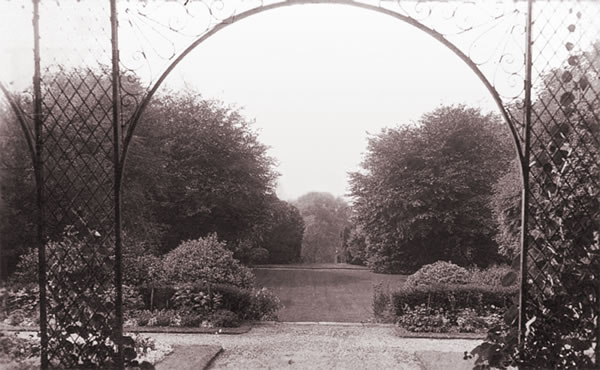 Looking down the garden from Stapenhill House, it is slightly deceptive that the garden suddenly falls away down to another terrace next to the river.
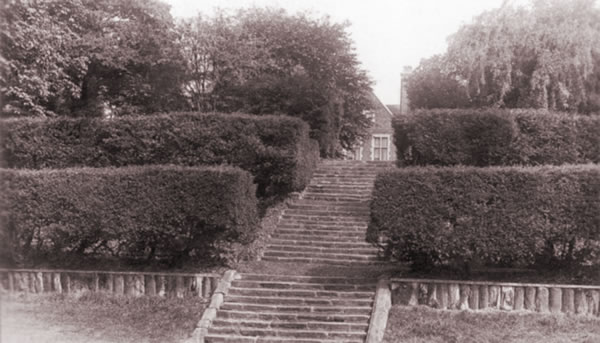 The position of the main steps up from the river terrace (where Burton’s White Swan now stands) can still be clearly seen, although the actual steps have long since disappeared. Rather than the well known ornate gardens, the original Stapenhill House garden was simply a series of terraces with a hedge on the front of each.
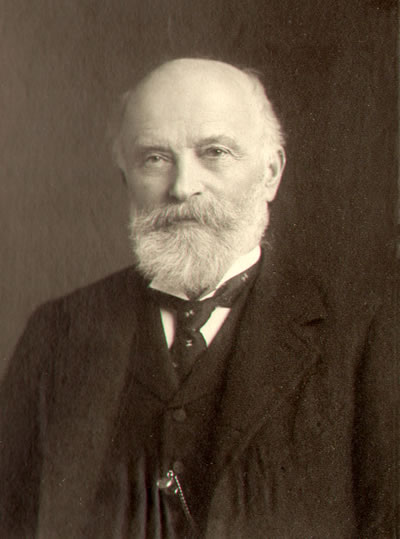 Shown above is Charles John Clay in 1908. Another Stapenhill House resident.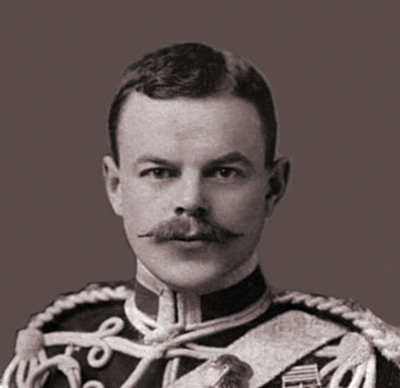
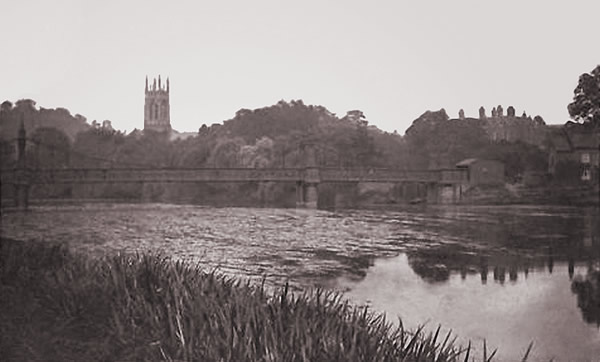
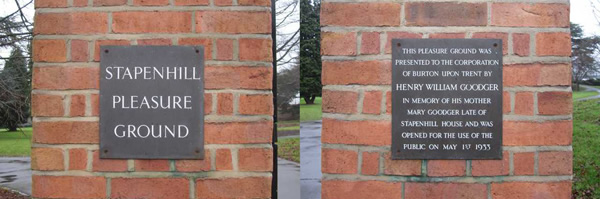
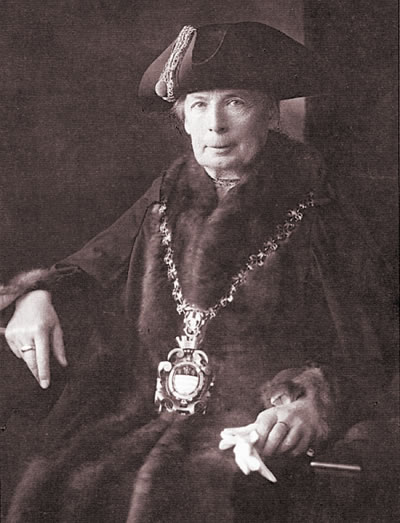 The last residents of Stapenhill House were the Goodger family who were well established Burton solicitors. They purchased the land and estate from the Clay family in 1911. Mrs Mary Goodger J.P made her mark on Burton’s history by being installed as the towns first (and as far as I am aware, only) Lady Mayor for 1931/32. She died shortly afterwards.