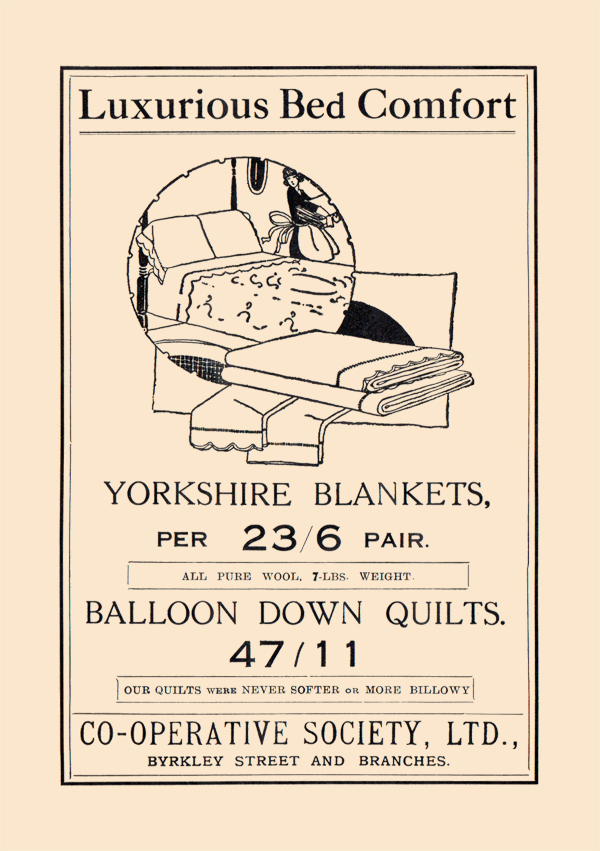
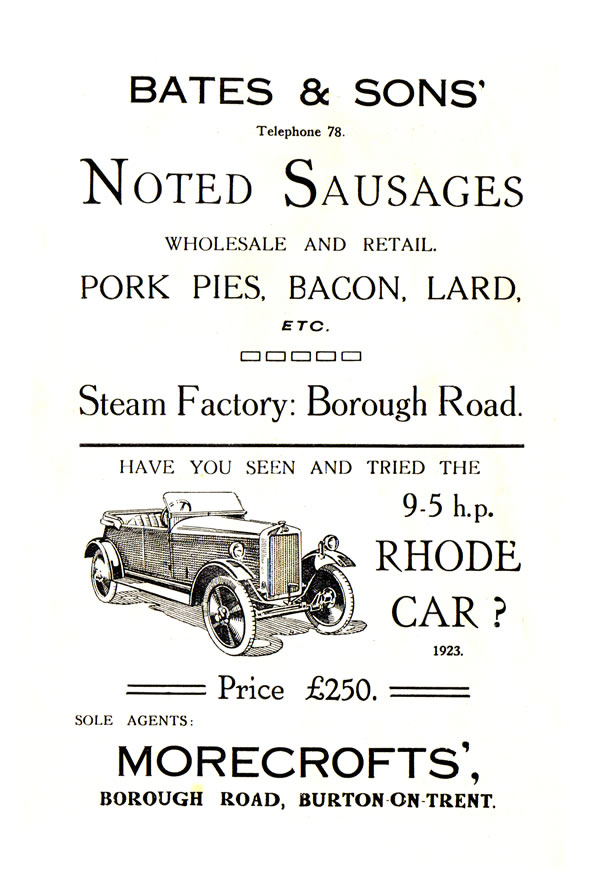
Railway Station

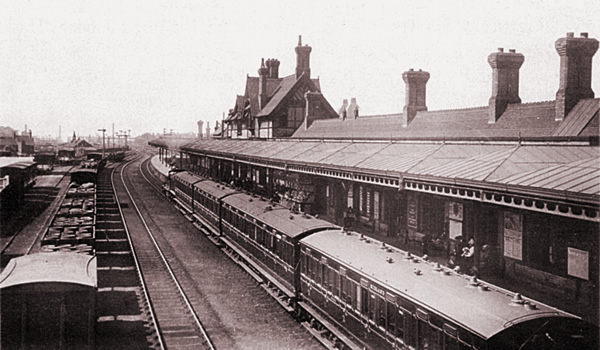
Though many will be able to remember the old railway station on the site of the current one, this was not the original Burton station. It was in fact opened in 1883 to replace the first station opened in 1839, further up the line at the very end of Station Street (then Cat Street).

At the same time, the new Station Bridge was built prior to which, there was only a foot crossing between Station Street (Cat Street) and Borough Road where the new Saint Paul’s Institute and Liberal Club had recently been opened (later to become the Town Hall). The number of lines was also quadrupled to cater for much greater needs.

Select page to view:


Railway Station History

Old Station (1839)

Burton’s first railway station was opened in 1839 by the Birmingham and Derby Junction Railway on its original route from Derby to Hampton-in-Arden meeting the London and Birmingham Railway for London. The station stood at end of what was then called Cat Street, which was eventually renamed in 1844 to the now much more familiar Station Street.

In 1848, the North Staffordshire Railway Company opened a line from Crewe to Derby, with a branch line from Uttoxeter which connected Tutbury and Burton. A small passenger train known affectionately as the Tutbury Jinny, seen below, was a popular sight at the old Burton station.  It operated a push-pull service between the two stations.

This later became known as the more colloquial ‘Tutbury Jinnie’ and became important for commuters and shoppers, who travelled from Tutbury to Burton. In its heydey, it provided eight trains each way on weekdays and two on Sundays. However, as the motor car became more accessible, a survey in 1960 revealed that the service was only carrying an average of twelve passengers and running at a loss of around £7000, which was quite a significant sum at the time. The service managed to survive until June 1963 when it was withdrawn. It can be seen below in its more modern guise in its final years.

A year after the previous line, in 1849, the Midland Railway Company, which now owned and operated the Birmingham to Derby line, opened a line from Burton to Leicester which crossed the Trent by a substancial viaduct still known today as the Leicester Line Bridge.

Burton’s main streets became congested by drays delivering barrels to the station from the breweries which were mostly located near the river. As early as 1853 it was proposed to lay a railway track from the main line south of Horninglow Street as far as the breweries in High Street to service them.

Under an Act of 1859 the Midland and other railway companies were authorised to construct two branches from the North Staffordshire line in Stretton, one running across Guild Street and High Street and the other under Hawkins Lane, across Anderstaff Lane (later Wetmore Road), and southwards along the west arm of the Trent. The branches met at sidings on the Hay behind the High Street breweries. A separate Act of 1860 authorised a private line from the Guild Street branch to serve Allsopp’s brewery on the north side of Horninglow Street. The construction of the Hay branch was instrumental in the demolition of the old medieval bridge over the Trent and its replacement by a new bridge opened in 1864.

Further lines in the central and eastern parts of the town were laid privately by brewing companies under an Act of 1862 and by the Midland Railway Company under Acts of 1864 and 1867. To serve brewery premises on the west side of town lines were laid by the Midland company in 1874, including one along the disused Bond End canal. Lastly, the London and North Western Railway Company in 1882 made a line along the east side of the Trent and Mersey canal between Shobnall and the Stretton junction.

The below extract from a map produced in 1865 shows the yet disjointed Station Street (now renamed from Cat Street) and Borough Road. It is also interesting to note that the soon to be demolished windmill is still in place on what would become the rear of the Station Hotel. It would also be a few years before Saint Paul’s Church followed by Saint Paul’s Institute and the Liberal Club (eventually destined to become the Town Hall) appeared.

As an ever increasing centre for beer brewing, Burton soon became criss-crossed brewery companies’ private lines and the numerous level crossings became the bain of the town!


New Station (1883)

A construction of a new much needed station was agreed in 1881. The first part of the plan necessitated the Station Bridge to be constructed to join the top of Cat Street (Station Street) to Borough Road, prior to which, there was only a foot crossing. The new station was built 150 yards down the line. It was built as an island platform with bays at each end, with substancial buildings along its length. At the same time, the number of tracks was quadrupled to cater for much greater needs.

Buildings, including freight handling and a booking hall, were built at the upper bridge level. They were built in early English retro-style, partly timbered to look older than they actually were. Access down to the platforms was reached by a wide flight of steps with one side for ascending, the other for descending.

The new station was opened in 1883 and the old station was demolished. It had much larger buildings at the upper level and a large canopy provided shelter at the front.

The distinctive canopy survived pretty much unchanged by the time tha above 1910 photograph was taken. Trams had by now replaced horse drawn hanson cabs. The canopy was eventually removed to meet the demand for car parking.

Views of either side of the platform looking in the Branston direction from viewpoints at the upper level which used to be inside the station buildings but now form part of the car park.

A posed picture by some of the senior staff from the Bass Brewery prior to a trip financed by the company. Bass trips, with other breweries following suit, became legendary with numerous trains being specially commissioned for trips to various seaside resorts.

A view of the distinctive platform clock which I am sure I can remember, together with the news kiosk which did a brisk trade in newspapers, confectionery and cigarettes.

Two views of the platform in around the 1950s. The above one shows the most familiar view with brewery buildings having taken over the site of the original station. The below view shows that at the time, the platform extended on the other side of the Station Bridge, showing the Station Hotel which still stands, built soon after the station to take advantage of the new prime position.

Just down the line, visible from the station platform in its day, in front of what was Ind Coope Ltd, bottling store (now IMEX Business Park) was a typical signal box.

In 1870 a new locomotive shed was built to the south of the station. This consisted of a roundhouse built round a 42 feet diameter turntable. In 1892 another roundhouse was added, with a 50 feet diameter turntable. In 1923 these were replaced by still larger 57 feet and 55 feet turntables respectively. It can be seen below, still in regular use in 1960 a few years before it fell into disuse.

By 1948 it had 111 locomotives allocated to it, but with the arrival of diesel locomotives it became a sub-depot of Nottingham and was finally closed in 1968.

I am reliably informed that the above photo shows an LMS Class 5-4-6-0 at Burton.

And for the enthusiasts, 5MT number 45140 again taken at Burton. Though having little knowledge of trains, I can very vaguely remember the days when trains looked like proper trains!

Only just about making it through quality control – but two photos too good to omit showing the north-bound platform.

Finally, a few more photos towards the end of its life.

One of the very last photographs taken of the distinctive platform building.

Most of the private brewery railway lines were closed between 1963 and 1968 and the tracks were removed, with road transport now far more preferred.

The station was rebuilt yet again in 1971. The booking office remains in around the same place and the platform stairs are largely original to the previous station. The final photos show the present station for comparison.


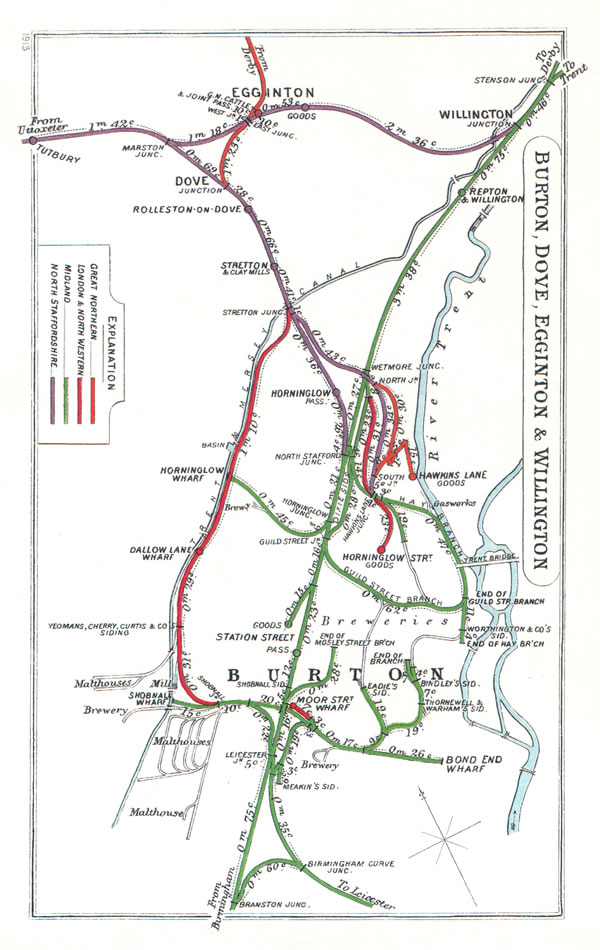
1913 Railway Map

The map from 1913 shows how responsibility of the line was shared between the Great Northern, London and North Western, Midland and North Staffordshire railway companies.

Other town branch lines were operated by individual breweries.


1612 Last Heretic – Edward Wightman

Edward Wightman of Burton-on-Trent was the last person to be executed by burning at the stake for heresy in England in 1612.

Early Life
Edward was born at Burbage, Leicestershire in 1566. He was the son of a schoolteacher and draper (cloth trader) but during his childhood he moved to Burton-on-Trent where he was educated at Burton Grammar School. After initially working in his mother’s drapery business, Edward was apprenticed by a wool cloth trader in Shrewsbury. Edward’s parents were members of the traditional Church of England with no known separatist or puritan leanings but, whilst in Shrewsbury, he became involved with, and strongly influenced by, a group of puritans headed by John Tomkys. The radical brand of Protestantism included the rejection of the trinity and the divinity of Jesus Christ as well as a complete rejection of the institutionalized Church of England. This would have been extremely dangerous in Tudor times, but still pretty thin ice in the times of James I.

In 1590, he was admitted as a master into the Shrewsbury Drapers’ Company, but within a few years, he returned to Burton-on-Trent to start a clothing business. He married Frances Darbye in 1593. They produced 2 sons and 5 daughters.

When Edward returned to Burton, the religious mood had changed quite dramatically from his childhood days there when religion in the town was dominated by the local noble, Lord Paget who still promoted Roman Catholicism.

In 1583, during the interim period, Lord Paget had fled England after ending up on the losing side of some political plotting involving Mary, Queen of Scots. Henry Hastings emerged as the new local noble and political leader, and he was a committed Protestant. Under his leadership, a new evangelical puritanism emerged in Burton. Peter Eccleshall, the Burton curate, was indicted in 1588 for not using the Book of Common Prayer. A puritan evangelist, Philip Stubbes, lived in Burton for a time during the early 1590′s, thus a modest form of puritanism quickly became well-established in Burton.

The clothiers and various influential business people in Burton were very much involved in the religious transformation so Edward’s turn to puritanism was part of a town-wide trend. In 1595, Lord Hastings died, and William Paget, son of the previous noble, was reinstated in the lands of Burton. Despite Paget’s establishment as Baron in 1604, he spent little time in the Burton area so there was no reverse of evangelical puritanism in the town. This paved the way for Edward eventually becoming a radical ‘lay leader’ in the religious community.

Stapenhill Witch
In February 1596, at a time when the country was obsessed with witchcraft, thirteen year old Thomas Darling accused Alice Goodridge of Stapenhill of being a witch and possessed him with a devil. Young Thomas exhibited the classic ‘Exorcist’ symptoms such as vomiting, paralysis, and hallucinations. During his fits of spiritual possession, he would apparently be possessed by the devil one moment and the Holy Spirit the next.

The new puritan minister in Burton, Rev. Arthur Hildersham, became interested in the case, and prayed with Darling, but was unable to exorcise the boy’s demons. Another puritan minister, Rev. John Darrell, who came from nearby Ashby-de-la-Zouch was finally able to exorcise Darling and drive off his possessor.

Alice Goodridge was jailed in Derby and interrogated at Burton town hall in May 1596. Under pressure, she confessed. Many who knew of the Darling case were not convinced of the truth of the boy’s possession. It soon became a symbol in the growing political struggle between the puritan and Anglican communities. The Burton puritans sought to document and prosecute the case aggressively.

Edward Wightman took a strong interest in the Darling case and when Alice Goodridge was interrogated in Burton, Edward was one of five men who ‘examined’ her showing that he was an important and well-respected public figure and religious authority. He was actively involved in documenting the boy’s possession and involved in the ecstatic prayers associated with the boy’s exorcism. The testimonials on the truth of the boy’s claim included the signatures of Edward, Rev. Eccleshall, most of the Burton clothier community, and many established and well-connected local individuals.

The case demonstrates Edward’s highly emotional and spiritual brand of puritanism and his position of authority and leadership despite his relative youth. His involvement in the Darling case proved a turning point in his life, making him entirely amenable to the possibility of unmediated spiritual intervention. Darling claimed not just to be possessed by the devil, but engaged in a series of ‘spiritual wars’ in which both demonic and angelic voices were said to emanate from him.

In the wake of the Darling case, there was a significant backlash against the puritans. Rev. Darrell, the minister who had finally succeeded in exorcising the boy, was convicted of fraud and went into hiding. The practice of group exorcisms was suppressed and soon afterwards died out.

Edward the Radical
Partly through circumstance, Edward was driven to an even more radical separatism. In the late 1590s, England suffered a severe economic downturn after a series of very bad harvests, and several bad aspects of the economy. The cloth trade was particularly badly hit and Edward’s business pursuits failed. By 1603, Edward had purchased an alehouse in Burton and was now a simple tavern keeper, impoverished and deeply in debt. His financial standing had taken a disastrous turn, close to ruin. His swift rise to prominence in Burton society during the 1590s followed by almost as fast a fall fuelled his religious extremism.

Edward was also involved in a court case over a dispute between him and his former apprentice, Samuel Royle, from November 1600 through January 1601. For whatever reason, Edward apparently failed to appear before the court in January 1601, which may have cost him a 40 pound bond. The loss of that sizeable sum might have finished Edward off in the clothing business. The justice who handled the Royle v Wightman dispute was Sir Humphrey Ferrers, and later events suggest that Edward harbored ill feelings toward the noble.

Despite Edward’s legal and financial woes, it is apparent that he retained some degree of significant stature among the new leading puritans in Burton and still closely associated with key figures in Burton’s religious society. They apparently thought well of him and perhaps still looked to him for religious leadership.

The first documented evidence of Edward’s descent into extremism came in early January 1608. Sir Humphrey Ferrers had recently died and Edward was entertaining company in his own home. The conversation turned to Ferrers’ death and Edward’s grudge against him from the 1601 case that may have helped precipitate Edward’s ruin. Edward stated to the assembled company that he believed that the soul does not leave the body upon death, but rather stays with the body until Judgment Day, at which point it either ascends to heaven or descends to hell. Though not too shocking now, this would have been shockingly heretical at the time.

Edward became more vocal about his view of the nature of the soul and death. He continued to argue the point with local clergy. Curate Henry Aberley of Burton opted to use his own pulpit to argue against such heretical ideas, but this apparently led to bitter, and sometimes public, arguments with Edward. As a result, Edward stopped attended the Burton parish church and began worshipping elsewhere.

Despite Edward’s theological split with the established religious community, he was not abandoned by religious leaders. This is consistent with the behavior of other puritanical communities in response to other heresies. Instead of prosecuting or excommunicating the errant individual they would try to reform his views. Chief among those who engaged Edward was Burton puritan minister Rev. Arthur Hildersham, who had probably played a major role in Edward’s ascendance in the religious community a decade earlier.

Hildersham, and Rev. Simon Presse of Egginton, Derbyshire, met with Edward privately and attempted to convince him to change or moderate his view. The obstinate Edward refused and Hildersham ultimately responded by preaching against Edward’s heretical views from his Burton pulpit on March 15, 1609. Hildersham continued to correspond with Edward for a time, but eventually tired of Edward’s stubbornness and cut off the debate. Edward apparently interpreted this as a victory and became all the more convinced of the righteousness of his heterodoxy.

From 1609 to 1611, the process of engaging and attempting to ‘correct’ Edward’s view continued, but Edward became increasingly radicalized and spent his energies writing manuscripts outlining his views. He was a prolific writer, although none of his writings have survived. He was known to never leave home without a number of his books which he read and preached to anyone who would listen. Edward was only ever a ‘lay leader’ in the religious community and never held an official ministerial position. Although enjoying a number of followers for a time, by 1611 he was increasingly avoided and eventually became something of a loner.
King James I Condemnation
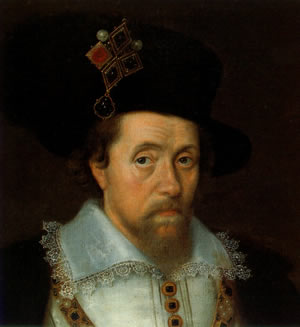
England had become a relatively tolerant nation under Elizabeth I but the religious and political situation changed when James I took the throne in 1603. Although King James was tolerant toward Catholics and helped liberalize the Church of England, with the famous English translation of the bible bearing his name, he saw Protestant dissenters, such as Puritans, Baptists, and Quakers, as a major problem and challenge. Among James’ great religious interests was support of catholic orthodoxy, which includes adherence to the major creeds. He took his title of ‘Defender of the Faith’ seriously and since 1607 he had been engaged with Roman Catholics over the ‘Oath of Allegiance’. Edward’s views were therefore, very much opposed to the King’s view.

Wightman set about putting together a compendium of his theology for his upcoming hearing and defense. Perhaps thinking that he would at least be allowed time to plead his case, he delivered copies of it to members of the clergy in an effort to gain support.

Now completely deluded, believing in his own righteousness and persuasiveness, he delivered a manuscript detailing his radical theology (thought to have originally been intended for Anthony Wotton) to King James I despite being fully aware of the King’s religious stance. This was a dubious move to say the least, particularly since the King had recently ordered the execution of Bartholomew Legate for heresy.

The manuscript consisted of eighteen leaves (pages). To give a flavour, it began, “A letter written to a learned man to discover and confute the doctrine of the Nicolaitanes very mightily defended with all the learned of all sorts, and most of all hated and abhorred of God himself, because the whole world is drowned therein: And seeing he hath promised to answer he knew not to what, and least he should also deal with me as the men of that faction have done already…”. The document concluded, “… and say glory be to God alone which dwelleth in the high heavens, whose good will is such towards men that he will now at the last, plant peace on the earth, and let all people say, Amen”. You may be relieved to know that almost the remainder of the document has not survived.

In February 1611, Edward interrupted Lent worship services in Burton with loud outbursts. It took significant effort to get him to quiet down. Finally, the Burton religious community had had enough. The Burton minister involved and others from Burton presented the case against Edward at the ecclesiastical visitation of Bishop Richard Neile of Westminster within a few weeks of Edward’s February 1611 disruptions. In early March 1611, Edward was summoned by Neile to Curborough, near Lichfield. Neile promptly returned to London and reported his findings to King James. The King was set on dealing with this troublesome heretic.

In April 1611, by order of the King, local church authorities issued a warrant for his arrest. The order instructed the church constables of Burton to immediately take him before Bishop Richard Neil at the Consistory Court at Lichfield Cathedral for interrogation of his religious views and for conformation to the established Anglican order. Neile’s Chaplain, who assisted in prosecuting Wightman, was William Laud, the future Archbishop of the Church of England, who was later executed himself!

The Trial
The first day of the trial was held on November 19, 1611. On the second day of the trial on November 26, the crowd was so large that the trial had to be moved to the larger space of the Chapel of the Blessed Virgin. On December 5, Edward was brought before the court for his final appearance. Throughout the trial, Edward did not attempt to defend himself. Instead, he attempted to educate them on the righteousness and intellectual rigor of his arguments, ‘clarifying’ the court’s conception of his heresies.

Sentence was pronounced on December 14, 1611. The charges brought against him included eleven distinct heresies. Part of the charge was that he believed “that the baptizing of infants was an abominable custom; that the doctrine was a total fabrication and that Christ was only a mere man and not the son of God; that the Lord’s Supper and baptism were not to be celebrated; and that Christianity was not wholly professed and preached in the Church of England, but only in part.” Other charges included several equally radical opinions.

After months of being subjected to a series of conferences with ‘learned divines’, Wightman was finally brought before Bishop Neil for the last time. Having refused to change any of his views, he was sentenced to be excommunicated and condemned to be burned at the stake following approval by King James I. Prior to his execution, he was to be placed in a public open place as an example to others who might harbour similar beliefs.
The Execution
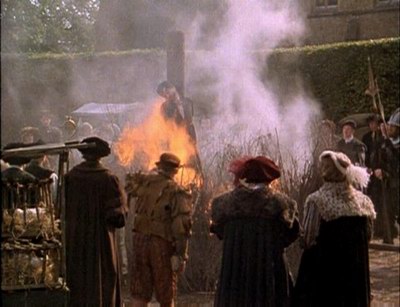
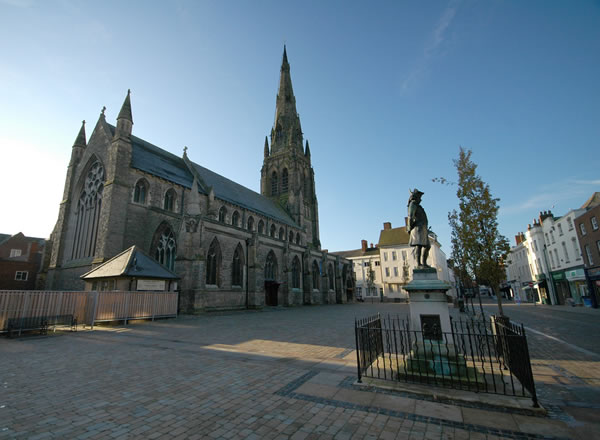
When the execution day arrived on March 20, 1612, Edward was tied to a post on the square in Lichfield next to Saint Mary’s church and the fire was lit under him. On feeling the heat, Edward screaming out in recantation and he was pulled down, already badly burned. A written retraction was hurriedly prepared and Edward, in pain and weakness, orally agreement as it was read to him. Later, however, no longer fearing the flames, he refused to sign the retraction and blasphemed louder than before.

King James re-approved his execution and a few weeks later on April 11th, he was once more led to the stake. Once again, on feeling the intense heat of the fire, Wightman cried out in recantation again but this time, the sheriff told him he would cost him no more and commanded more faggots (bundles of thin sticks) to be thrown on to make the flames roar. Edward was burned to ashes.

Conclusion
Seeing that heresy still survived with a number of religious radicals still emerging, King James I lost faith in burning heretics. After the case of Edward Wightman, it was decided that those found guilty of heresy should instead silently and privately waste away in prison rather than excite others with a public execution.

It was not until 1677 that an act of Parliament expressly forbade the burning of heretics, securing once and for all, Wightman’s dubious position in history as ‘The last person in England to be burned at the stake for heresy’.



Bass Logo

Bass, founded by William Bass in 1777, is one of the most successful brewing companies of all time. When the London Stock Exchange established the original FT 30 index in 1935, listing the top 30 UK companies, Bass was included in the list.
The company was also a pioneer of International brand marketing. The Bass Red Triangle was the first trademark to be registered under the UK’s Trade Mark Registration Act 1875, as trade mark number 1!

The 1875 Act came into effect on 1 January 1876 and that New Year’s Eve, a Bass employee saw the New Year in by queuing overnight outside the registrar’s office, in order to be the first to register a trademark when the office opened the next morning.

In fact, Bass, Ratcliff & Gretton Limited received the first two registrations, the first being the Bass Red Triangle for their pale ale, and the second the Bass Red Diamond for their strong ale.

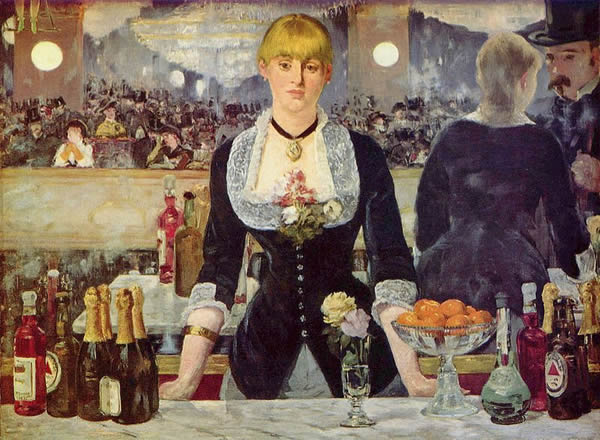
Bottles of Bass with the Red Triangle logo have appeared in art and literature, perhaps most famously, featuring in over 40 paintings by Pablo Picasso who must have enjoyed the odd tipple.

It is one of the most distinctive, identifiable and historically significant logos and brands in the World. When Bass was taken over by Coors, one of the first things they did was to drop it. Doh!


L.S. Lowry

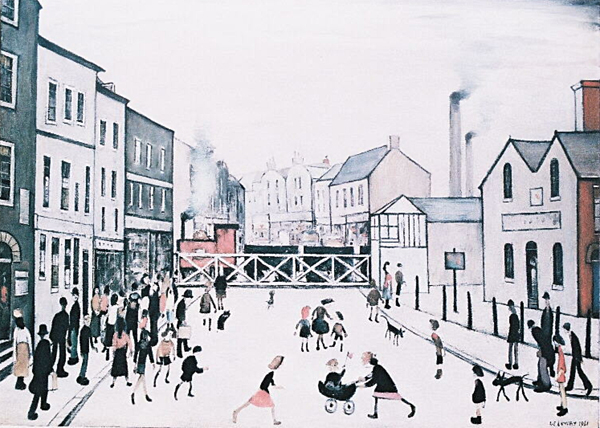
Though I can’t confess to being much of a fan myself, Laurence Stephen Lowry is one of Britain’s best loved and most famous painters, best known for his scenes of life in the industrial districts of Northern England during the early 20th century. He had a distinctive style of painting with human figures often referred to as his “matchstick men”.

The above painting is one of his best known works. The original was painted in 1961 as an oil on canvas measures approximately 21″ x 29″. It is one of a number of pictures that Lowry painted in Burton. The picture shows a brewery engine pulling a beer wagon across a the crossing in High Street, Burton, running past the Blue Posts public house and through the gap which now leads to Burton library.

Lowry often visited Burton while staying with friends. He liked the town and was partial to a pint of Bass which he maintained didn’t taste the same anywhere else. He produced numerous other sketches of Burton which were eventually published as paintings but not quite as famous as this example simply known as ‘The Crossing’.


1002 Burton Abbey

Burton Abbey was founded in 1002 by Wulfric Spot, the extremely wealthy Earl of Mercia, and was granted a charter by King Ethelred in 1004. As a Burtonian ‘born and bred’, I was dumbfounded at the sheer scale of Burton Abbey which occupied a 14 acre site. I remain amazed that I could have lived in the Town for 50 years before discovering that such a structure ever existed. What I had always known as the Abbey was in fact, an almost insignificant annex which spent at least some of its time as an infirmary. The picture shows what seems to be the most accurate image of the Abbey in its heyday; it is my own colourization of a 1661 engraving by W. Hollar.

Burton Abbey

HenryIn 1534, Henry VIII had Parliament authorize Thomas Cromwell to ‘visit’ all monastries, including Burton Abbey, ostensibly to make sure they were instructed by the King instead of the Pope, but making sure to inventory their assets for later seizure. By 1536, Henry was installed as Head of the Church of England and had laws had been enacted to allow the King to seize any church building with an income of less than £200. Many were confiscated. Some were pillaged and destroyed, other smaller ones were turned into graineries, barns and stables. Whilst still under threat, the first recorded mention of a schoolmaster was in 1537 when Abbot William Edys, the 35th and final Abbot of Burton, appointed Richard Harman, a distinguished scholar and dignitary.

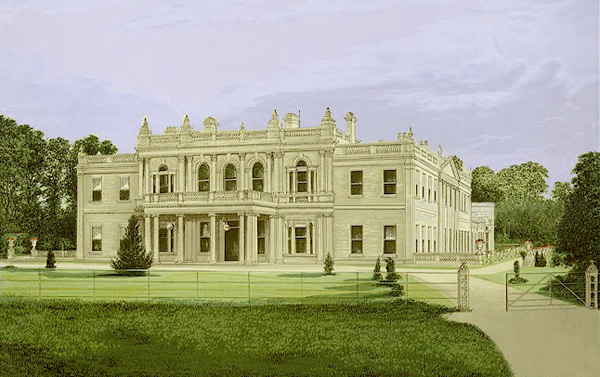
PagetAs the Dissolution continued, many great Abbeys such as Glastonbury, Shaftesbury and Canterbury which had flourished as pilgrimage sites were reduced to ruins. Some were gifted to the Kings most ‘loyal subjects’. On 4th November 1540, Abbot Edys was finally forced to surrender Burton Abbey whereupon it was gifted (together with extensive grants to lands including what is now Cannock Chase) to Sir William Paget – a close adviser to Henry VIII who later became 1st Baron Paget of Beaudesert (pictured. This, fortunately, meant that the Abbey was one of the few to survive leaving it one of the largest in the country. A descendent of William Paget became the Marquess of Anglesey in 1815 and still owned most of the land in Burton.


1322 Battle of Burton Bridge

The 10th March, 1322 was not a great for Burton; it came under heavy attack and much of it was destroyed. Even so, it is quite an exciting thought that the invasion troops were led by the King Edward II of England himself and of him riding into Burton on his charger.

The story starts with Thomas Plantaganet, Earl of Lancaster (1278-1322), who was the grandson of King Henry III. After marrying Alice, daughter and heiress of the Earl of Lincoln, the earldom of Derby was added to those he already owned and with it came Tutbury Castle.

Thomas didn’t much like his cousin Edward II and felt that he would make a much better King himself. He became one of the leaders of the baronial opposition to the King; he also sided with the Scots against him. This was confirmed to the King when Robert Bruce ravaged the north of England but the Earl of Lancaster’s lands were among those spared.

In retaliation, King Edward II (pictured) decided that he would lead an attack against Tutbury Castle and assembled an army in London.

Hearing of this, Thomas returned to Tutbury with his own army of 30,000 men. Knowing that Burton Bridge was the only crossing over the river Trent for many miles in either direction and therefore sure to be the route taken by the King, he put much of his defensive effort into fortifying it on the Burton side. The King however, received the advice that there was a little known passable ford at Walton a few miles upstream. He therefore sent a decoy force to look as large as possible while the main body of soldiers crossed at Walton to lauch an attack on Burton from the direction of Branston.

Thomas was caught by surprise and was heavily defeated at the Battle of Burton Bridge on 10th March, 1322 and retreated to Tutbury Castle, leaving most of Burton in flames. Tutbury Castle was later looted and damaged but not destroyed.

Thomas was expecting reinforcements from his Scottish allies to join him at Tutbury but they didn’t show up so he was forced to escape over the Dove back to his seat and main residence at Pontefract Castle. On the way back, Thomas and his remaining troops met another body of royalists under the command of Sir Andrew Harclay. After suffering losses in this skirmish, he was deserted by his troops and forced to surrender.

The captured Earl of Lancaster was escorted back to Pontefract where he was condemned to death as a traitor and beheaded by sword there on 22nd March, 1322, just twelve days after his battle at Burton. This might have been considered a lenient sentence because traitors were more commonly drawn and quartered first!

Re-building of the unfortunately positioned Burton began.

Thomas was remembered as a defender of popular liberties and buried in a tomb at Pontefract. There was also an effigy of him in St Paul’s Cathedral, London. He left no children and his titles and estates were forfeited to the crown but in 1323, his younger brother, Henry Plantaganet, successfully petitioned to take over the earldom of Leicester.

King Edward II was deposed and murdered in 1327. The throne was passed to his son, Edward III who who wrote to the pope numerous times requesting the canonisation of Thomas but this was rejected. After Edward II’s death, Parliament posthumously reversed Thomas’s conviction so Henry also also took possession of the Earldoms of Lancaster, Derby, Salisbury and Lincoln making him the new owner of Tutbury Castle.

A large hoard of gold and silver coins hidden in three small barrels was discovered by workmen in 1831, the equivalent of well over £250,000 today, is thought to have been the payment from the Earl to his troops and Scottish allies, hidden in the bank of the river Dove as he fled for Pontefract where they remained undiscovered for over 500 years. The above example coin was one of the newest and depicts Edward II’s father King Edward ‘Longshanks’ I.


1643 Civil War

Burton in the English Civil War
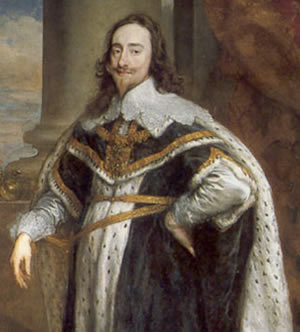
The English Civil War started in 1642 when Charles I (pictured) raised his royal standard in Nottingham. England was split between those that supported the King and those that supported Parliament. In the case of Burton, support was fairly strongly parliamentarian. One of the most prominent Burton paliamentarian was Daniel Watson of Nether Hall. Before the outbreak of the civil war, he was a lawyer but he became a captain of dragoons in the Derbyshire cavalry.
Burton’s allegiance was largely a result of its puritan following. There was some unrest in the town at the outset of the war with rumours of gunpowder being hoarded to support rebellion. Although investigations by Lord Paget concluded that this was unfounded, in 1643, there was a large explosion in Saint Modwen’s church in the Market Place which destroyed the roof and blew out the windows.

Lord Paget, Burton’s most senior figure, was clearly undecided on where his loyalties should lie. Initially, in 1642, he declared support for Parliament but in June of the same year, he switched allegiance to the King. In September 1644, he reverted back to supporting parliament, clearly trying to hedge his bets in his own interest

With its highly strategic river crossing that was noted at the time as “the chief passage from South to the North”, and situated between parliamentary Stafford and Derby and royalist Lichfield, Tutbury, and Ashby-de-la-Zouch, Burton was destined to be fought over throughout the civil war and lacking walls or natural defences, it changed hands many times.

Burton was the rendezvous for the royalist forces of the Earl of Chesterfield and his son Ferdinando Stanhope late in 1642, but the establishment of a parliamentarian garrison at Derby brought Burton to the attention of the conservative parliamentarian Sir John Gell and the rest of the Derbyshire county committee. In February 1643 Gell placed an artillery company in Burton under Major Johannes Molanus, a Dutchman who had actually come to England to assist with drainage projects in Lincolnshire. The garrison withdrew later the same month with orders to support an attack on the royalist stronghold of Newark in Nottinghamshire.

After capturing Lichfield for the king at the end of April 1643, Prince Rupert also placed a garrison at Burton, but it was promptly driven out by the forces of Gell and Lord Grey of Groby, commander-in-chief of the East Midlands Association. They installed Captain Thomas Sanders with a garrison of 200 foot, 60 dragoons, and one cannon drawn from the forces of Derbyshire. Sanders quickly deserted Gell’s command and placed himself and his troops under another parliamentarian officer, Col. Richard Houghton, and the Staffordshire county committee. Sanders was more radical than Gell, and may have feared that his appointment with only a small force in poorly defended Burton was Gell’s way of removing a potential rival.

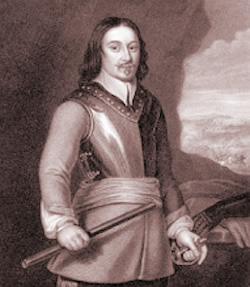
On 4th July, 1643, that garrison was stormed in what was probably the most famous local battle of the war – ‘The Battle of the Bridge’. An army under Queen Henrietta Maria, wife of Charles I, was commanded by Thomas Tyldesley (pictured), a supporter of Charles I and a Royalist commander from Lancashire, at the time having the rank of Colonel, led a cavalry charge across the bridge to attack Burton. It was a very bloody confrontation in which the church was damaged and the town was, according to Gell, “most miserably plundered and destroyed”. At the end of the battle, so much booty was taken that the Queen, who witnessed the battle, recorded that her soldiers “could not well march with their swollen bundles”.
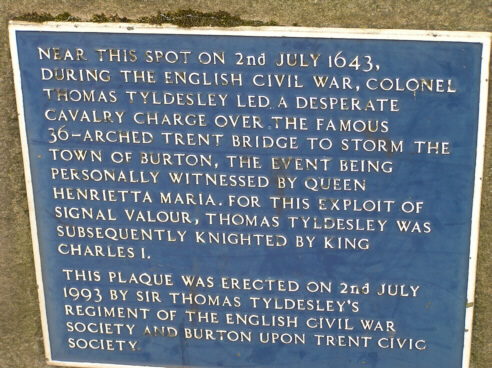
After the battle, Burton became an important Roundhead stronghold and, largely because of the success of this attack against the odds, Thomas Tyldesley was knighted. A plaque to commemorate the event was erected on the replacement (current) bridge by the Burton Civic Society in 1993. It is still there today but goes largely unnoticed.

The royalists remained in control for the next six months and fortified the bridge, but were again driven out by Gell’s troops in January 1644. No garrison appears to have been established, and Burton was soon again under royalist control, although it was attacked and ‘plundered’ in a parliamentarian raid in April 1644.

The King’s forces from Lichfield were quartered in the town in July 1644 but they were driven out by Gell’s troops. A fresh parliamentary garrison of both Derbyshire and Staffordshire troops was installed in the town in November 1644, but by February 1645 Burton was once more under royalist control, and it was there that Charles I made his headquarters briefly at the end of May 1645. It was firmly and finally under parliamentarian control by early 1646, when the town contributed both money and beer to the parliamentarian forces besieging Tutbury and Lichfield.

A later list made in 1662 recorded that 127 former Burton parliamentarians. This was the largest count in Staffordshire with the esception of Stafford.

After the Restoration, Burton was a dissenting centre, with large Presbyterian and Baptist conventicles meeting there with five excluded ministers. This raised some doubt with Anglicans over the loyalty of the town’s population. Nonconformity remained strong in the town until the early 18th century. Within ten years of the passing of the Toleration Act in 1689, six houses were registered for dissenters and there were Presbyterian, Baptist and Quaker meetings in Burton.

A plaque to commemorate the event, erected by Burton Civic Society in conjunction with Sir Thomas Tyldesley’s regiment of the English Civil War Society, can be found on the current Trent Bridge.


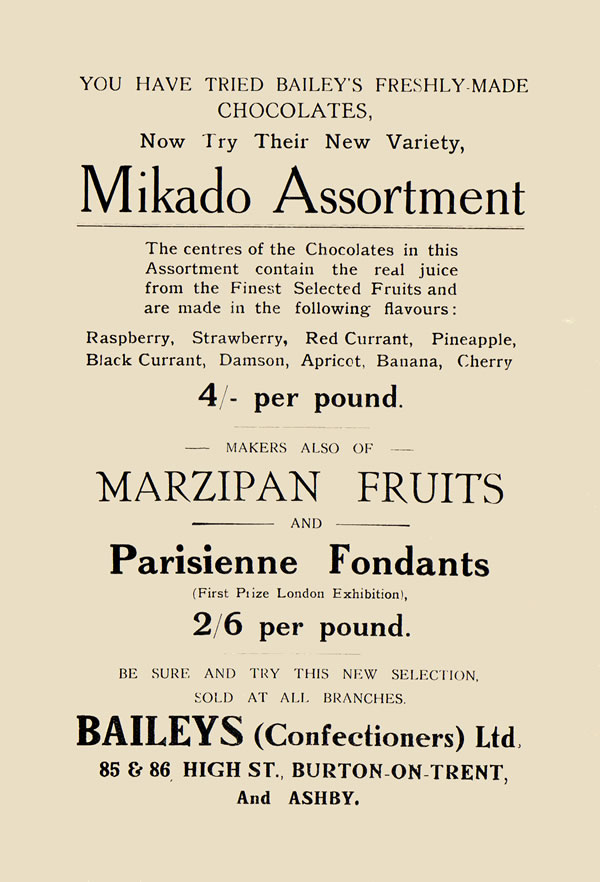
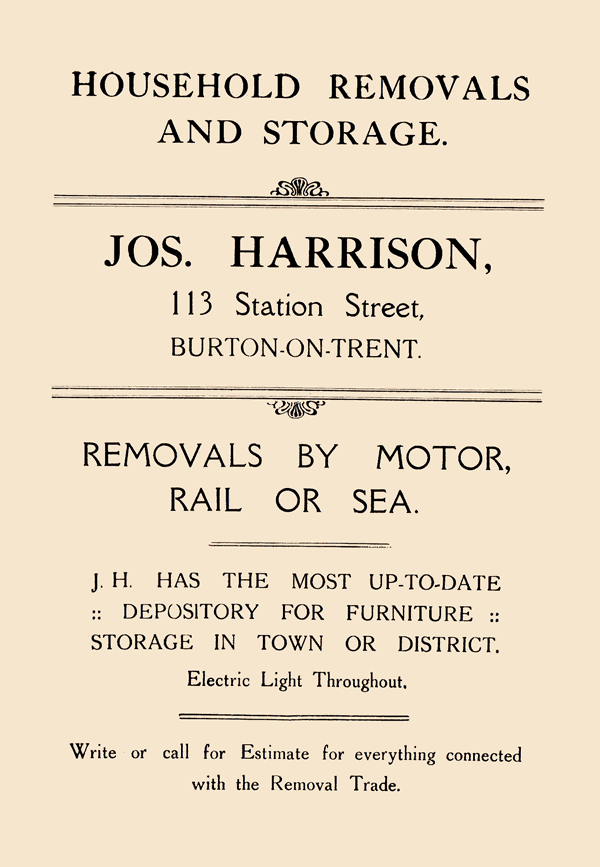
Pre-1920 Adverts

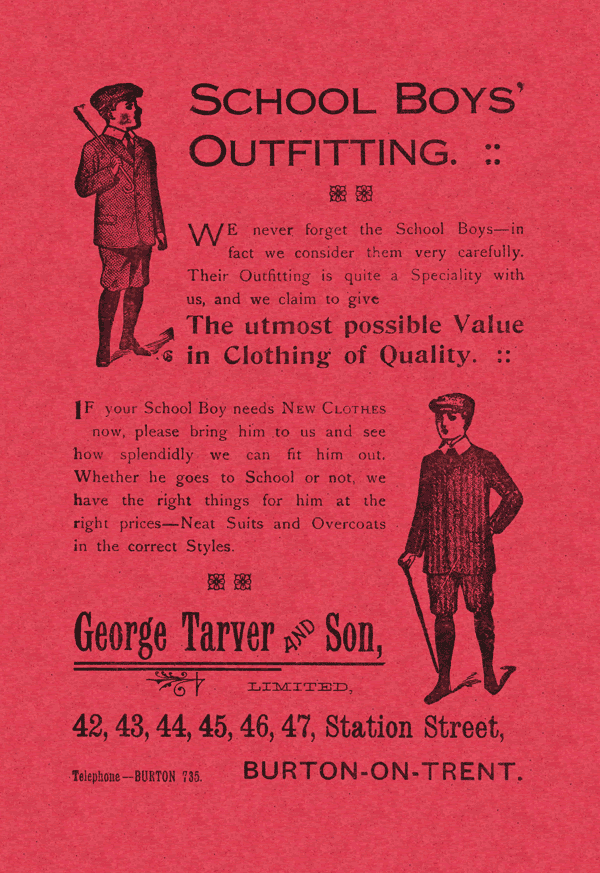
1919 – George Tarver and Son, Gents Outfitters

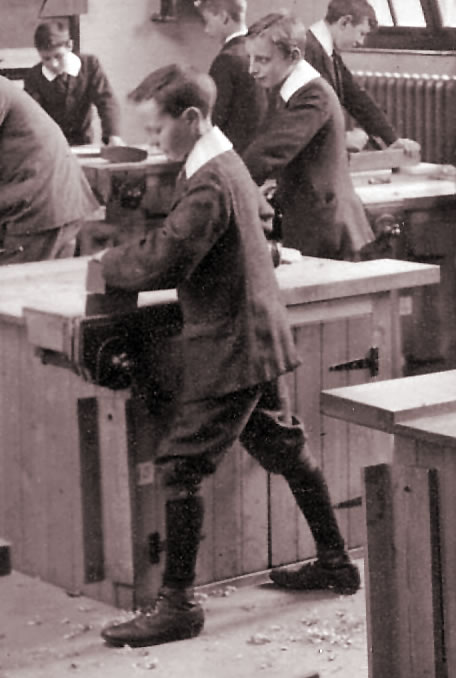
Just in case you have any doubts over whether pupils actually dressed this way… the above picture was taken at Burton Grammar School at around the same time.


Next Page »

Website by Kevin Gallagher