Menu Close

Picture Palace (Regent)

The Picture Palace was a 900-seat cinema that opened on November 17, 1920, at the junction of Dallow Street and Horninglow Road, the Derby Turn Picture Palace opened on Wednesday 17th November 1920. The proprietor was Derby Turn Picture Palace Company Ltd. and the manager was Alfred J. Wise. A 15ft deep stage was provided for variety acts. The proscenium was 30ft wide. There were 900 seats.

By 1922 the manager was S. A. Suffolk, who was later to set up Sheridan Films Services and run his own cinemas. Western Electric(WE) sound was installed; on 28th July 1930 the first ‘talkie’ was “Innocents of Paris” starring Maurice Chevalier. In 1932 the cinema was sold to opposition company Burton-on-Trent Picturedrome Company, who renamed it the Regent Cinema. At this time it is believed the seating capacity was reduced to 690.
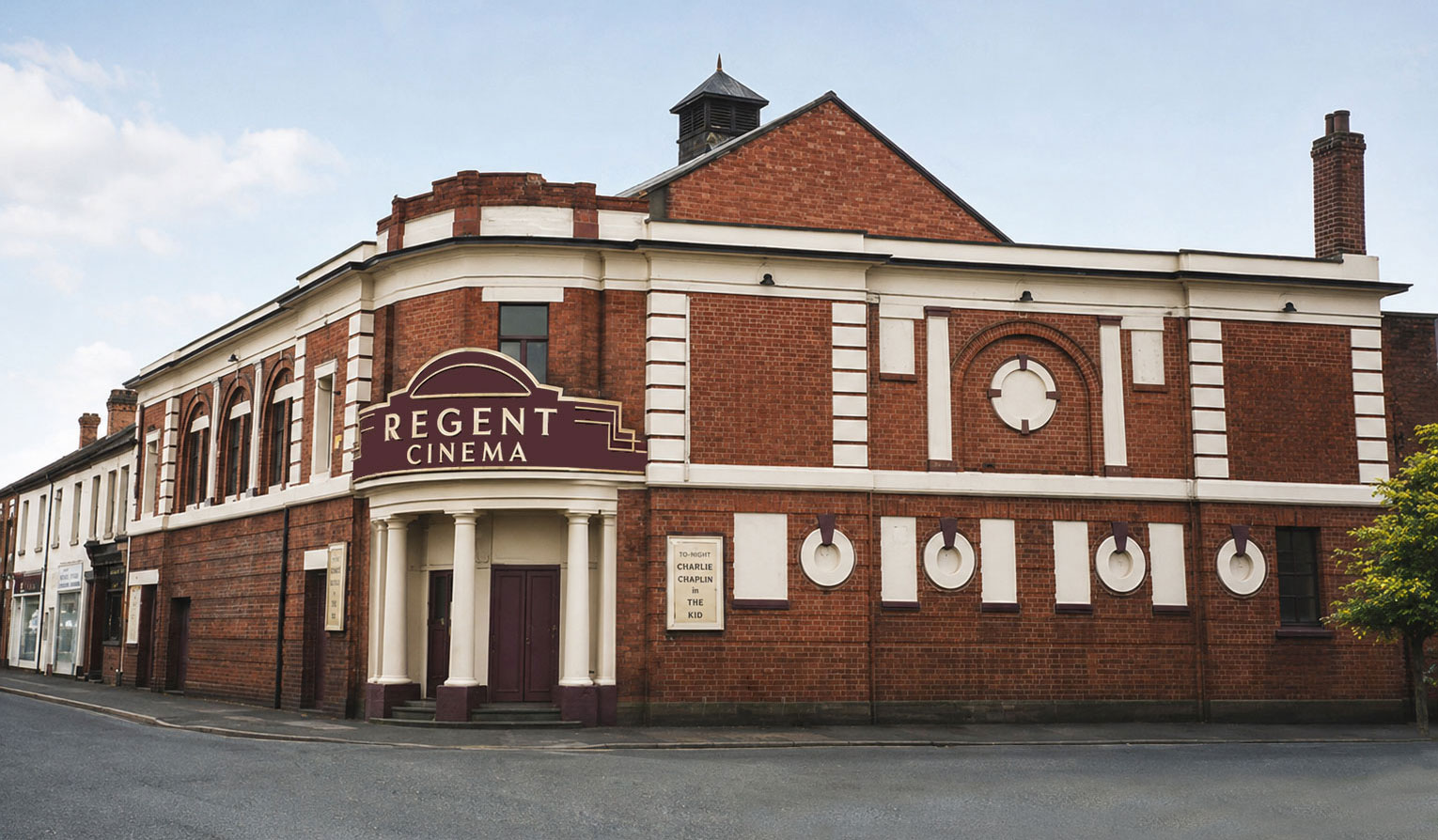
The cinema closed in 1940 when it was requisitioned by the government as a Ministry storehouse. Post-war, it became a post office and later, a Bingo Hall.

The building was destroyed by a large fire whilst vacant in 2008.
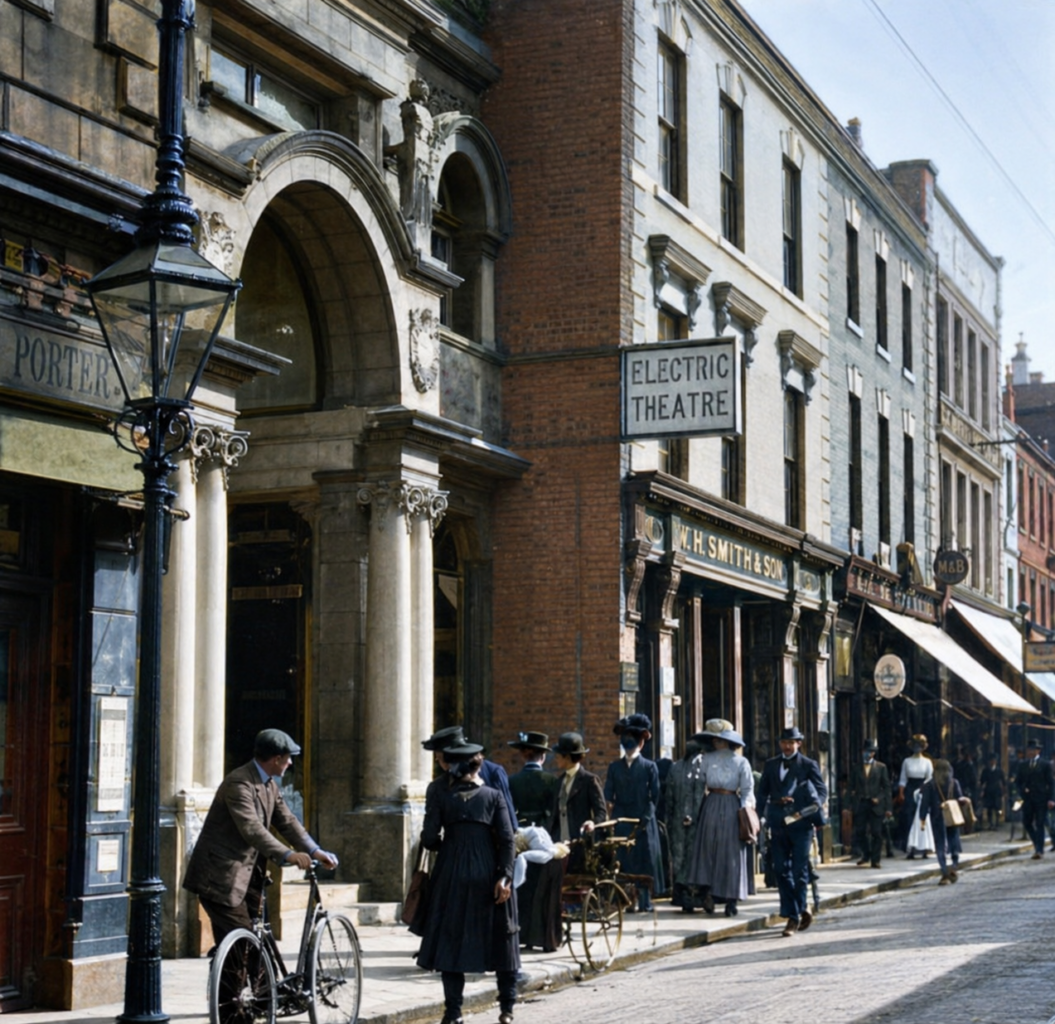
Electric Theatre

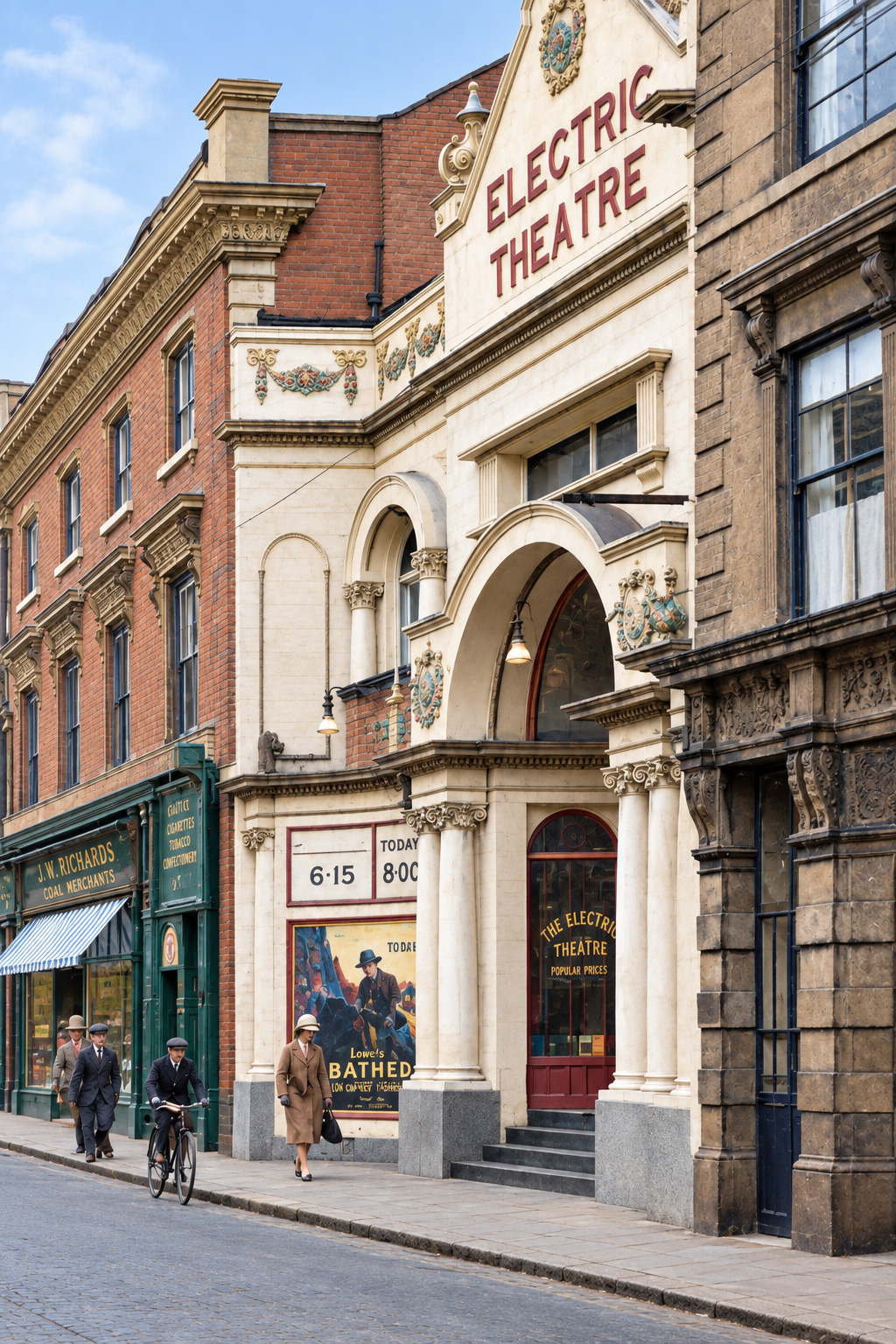
The Electric Theatre, generally known as simply ‘The Electric’, in High Street, was purpose-built on the site of the Empire Tea Store with its 750 velvet tip-up seats and tea lounge. It was opened on October 25, 1910, with the enticing ‘The Indiscretions of Betty’.

In 1928, it was taken over by Gaumont British Theatres chain and was closed for the auditorium to be reconstructed and reopened the same year with an increased seating capacity for 1,025. attached café was retained. The interior was remodelled in 1941 to make utilize unused space and increase the capacity to 1,050.

The first talkie (non-silent) picture, ‘King of the Khyber Rifles’, was shown to much excitement in 1929 which spelled the beginning of the end for the piano player.

The cinema closed for a few days, as did all cinemas, on the outbreak of the Second World War in 1939 but was soon reopened with a special showing of Sherlock Holmes starring Basil Rathbone.

It was acquired by Gaumont on November 28, 1949, and was closed on May 29, 1956.

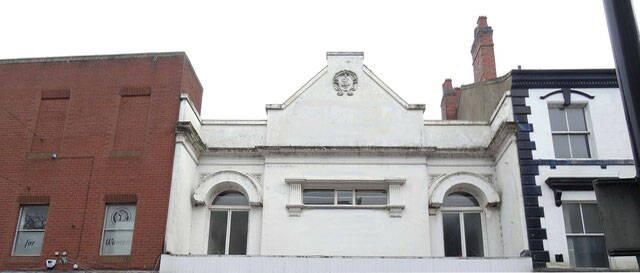
If you glance up at the upper half of the buildings in High Street opposite the banks, you can still see this unassuming piece of history that has seen so much change.

Picturedrome

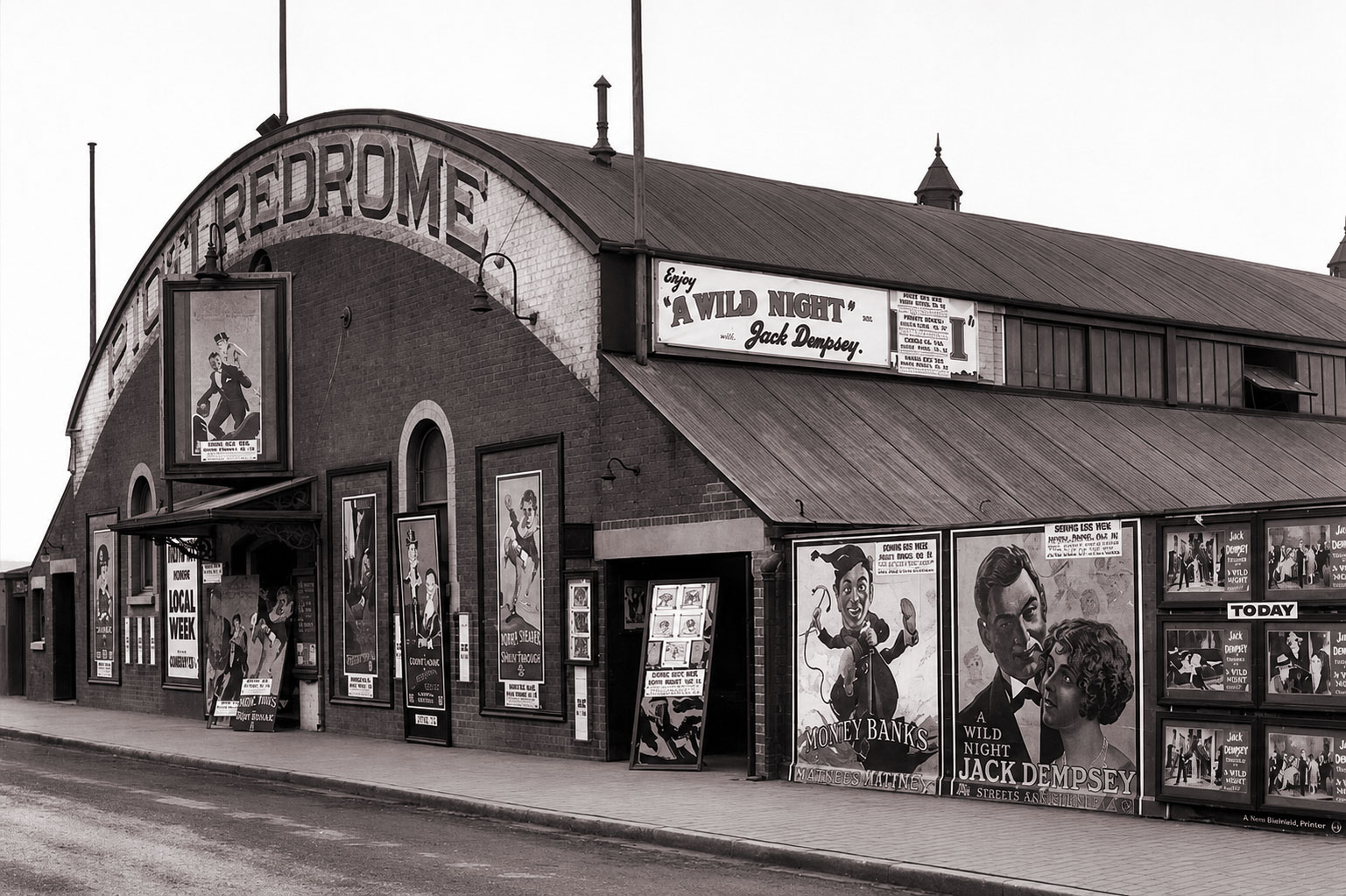
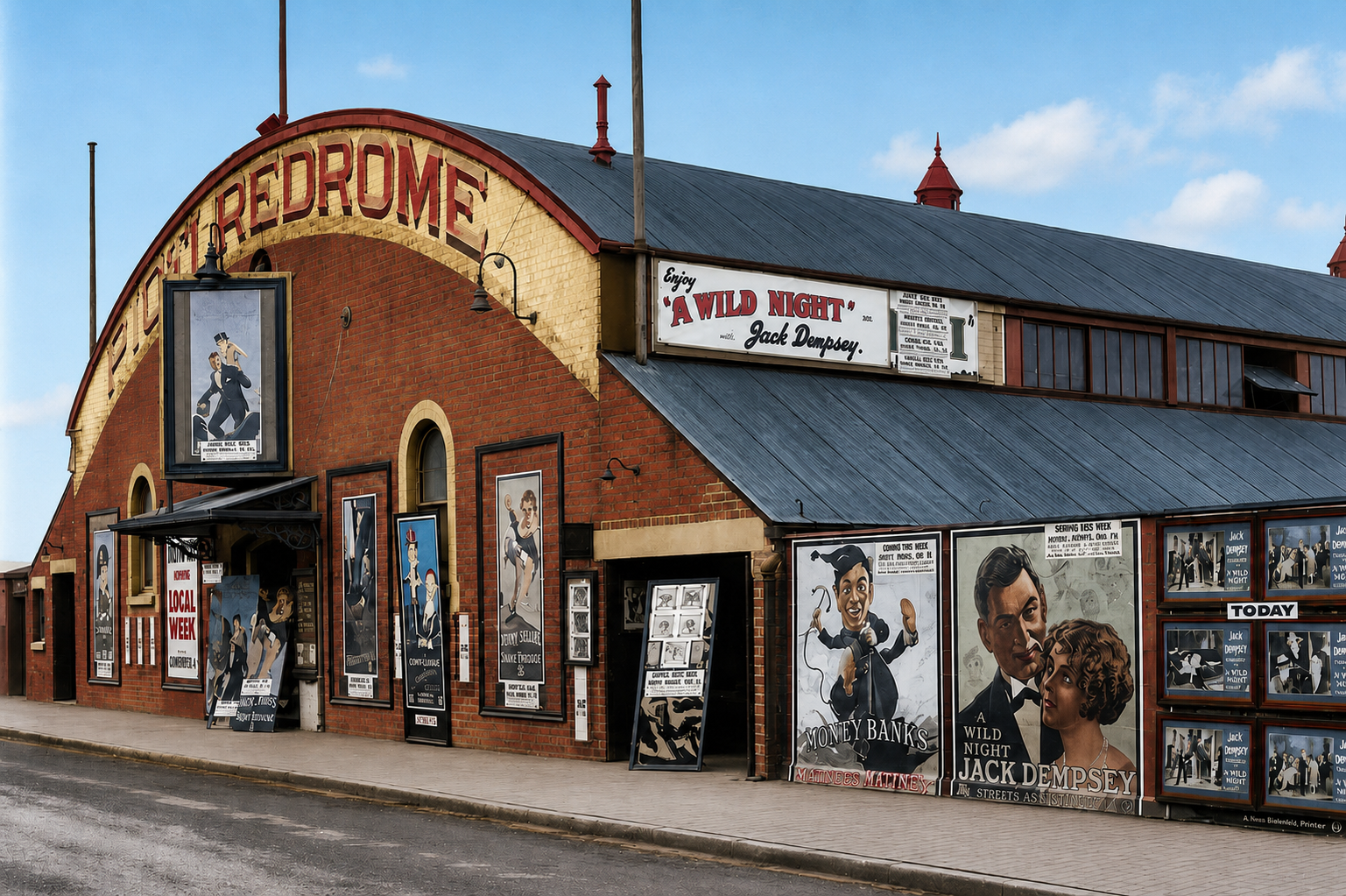
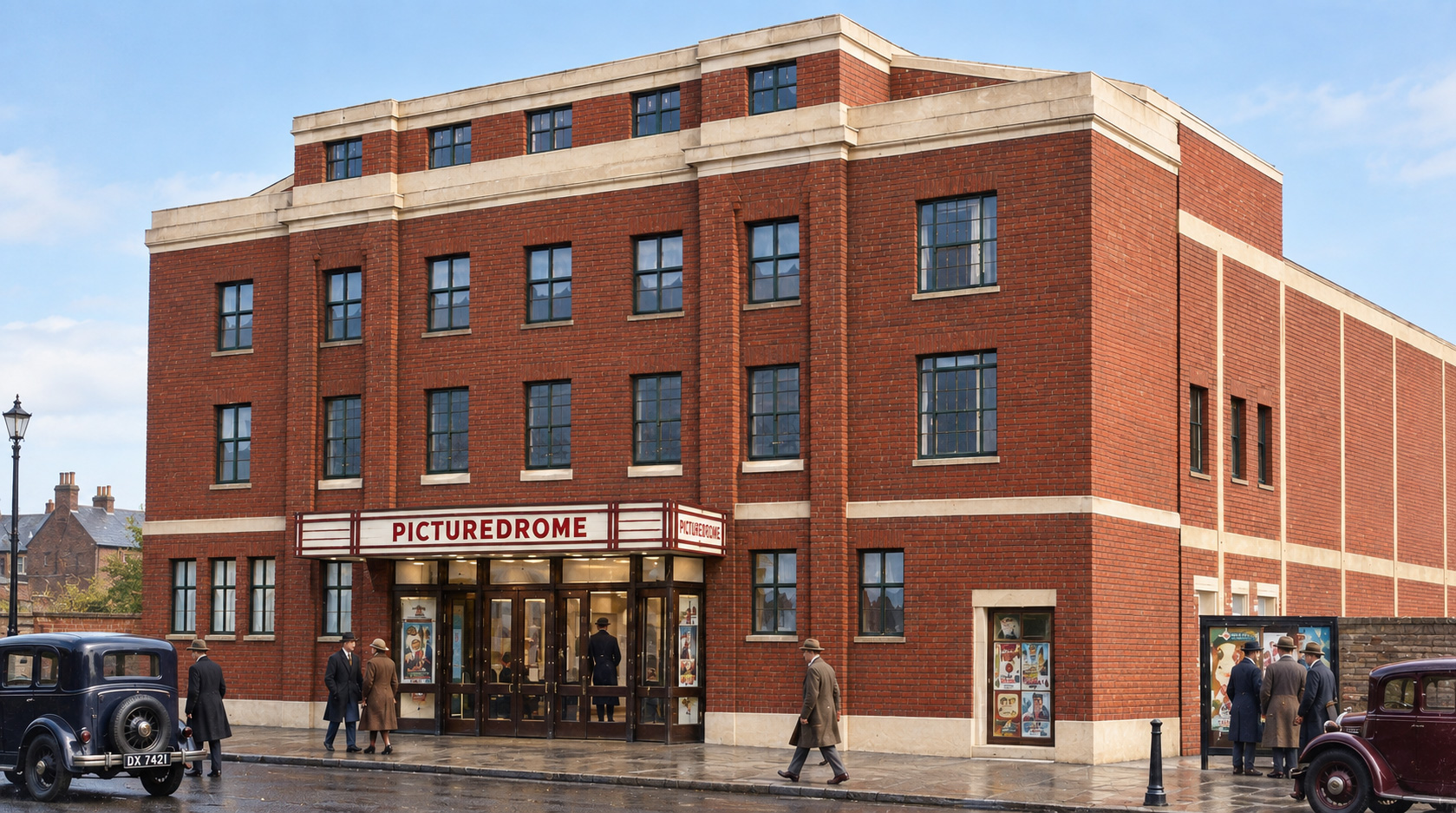
The Picturedrome opened in 1913. It was situated in Curzon Street, adjacent to the Railway Station. Like other cinemas to follow, the cinema was established by local fairground entrepreneurs George Orton, Charles Spooner, and Orton’s sons. It was adapted from what was previously a roller skating rink before being used by the Territorial Army. The building was acquired when it had fallen into disuse after the territorials moved to a superior home at the rear of the police station.

It housed a church organ brought and transported from a London church which was played enthusiastically during the film, which itself of course was silent. In the late 1920s, the Picturedrome had the distinction of showing Burton’s first ever talking picture which was hugely attended. The cinema was serviced by a poster man whose task it was to regularly paste up new posters as the films changed.

The original structure was demolished in August 1931, and a lavish, modern new building holding around 2,000 seats was constructed in just four months. It was designed by architect Alderman Thomas Jenkins and local builders. In 1955, it was acquired by Odeon Theatres Ltd in 1955 and was officially renamed the following year.

It closed as a cinema on June 5, 1965 and the building was transitioned into a Top Rank bingo club, later operating as Mecca Bingo until it closed in December 2003. The structure was subsequently demolished, and a block of flats now stands on the site.

Ritz Cinema

The Ritz Cinema was built in 1935. It was, commissioned by Orton & Spooner, a company based in Burton which earlier in the century had made fairground rides and shows, and later owned the Burton Picturedrome Company. Also so[[prting and involved was Thomas Jenkins, a local architect who had designed the Electric Theatre, of 1910, and conveniently, Mayor of Burton at the time.

It was built on the site of the New Theatre and Opera House, of 1902, which showed films from 1930 which was demolished in 1934. This was a rebuilding of St George’s Hall, a concert hall of 1868. Interestingly, the front of this building was in George Street and the back in Guils Street: the reverse of the buildiding that replaced it.

The cinema is a steel-framed brick building in Modernist style; the façade on Guild Street has above the ground floor entrance a central section projecting forwards, which features five square Crittall Windows, and a row of smaller windows above.

The interior was designed in Art Deco style by Annie Orton, a relation of the owner and after buying a ticket, you entered the door to the left to the stalls and up the stairs through the door to the right for the balcony.

The first film shown at the Ritz Cinema was ‘Blossom Time’. A staple was the ‘Saturday Morning Club’ with a variety of films including the likes of ‘Old Mother Riley’.

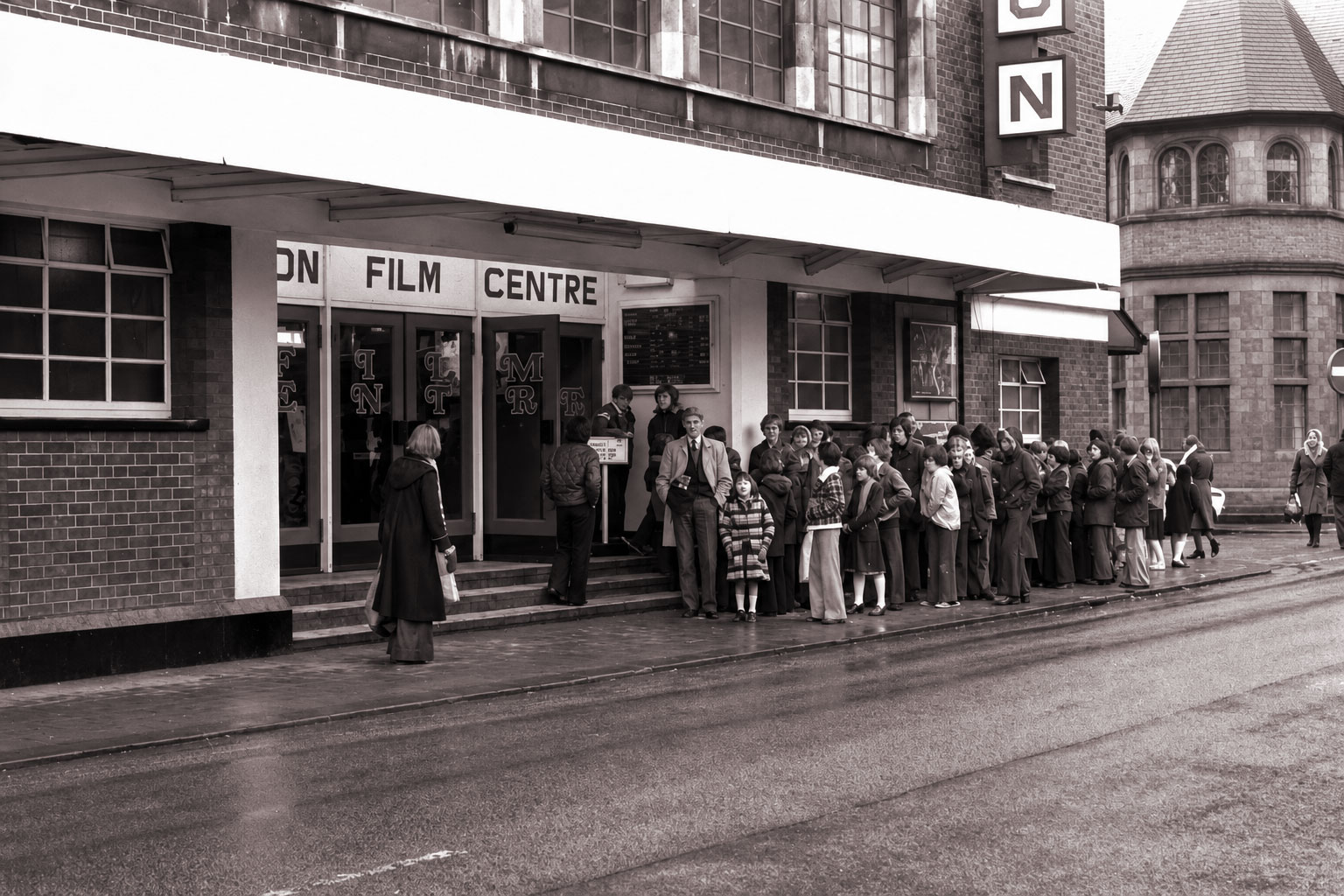
In 1957, it changed ownership and became known as ‘The Gaumont’. It changed again in 1957 to become a member of the ‘Odeon’. Finally, in 1966, it changed to become the ‘Robins Cinema’ although, as can be seen in the above 1870s photo, the Odeon signage remained. It was re-designed in 1974 to have three separate screens.

It was the most successfull and longest lasting cinema in the town, largely due to its central location, but closed as a cinema in 1999.