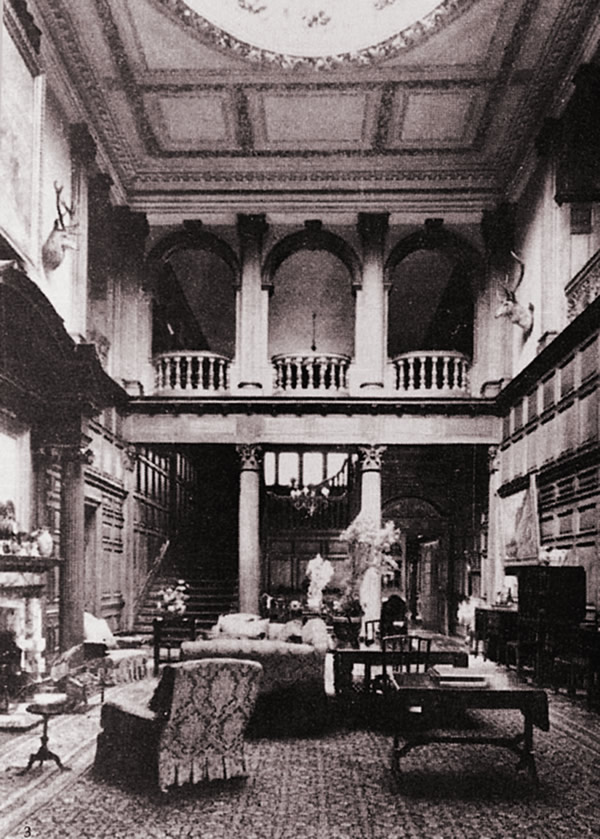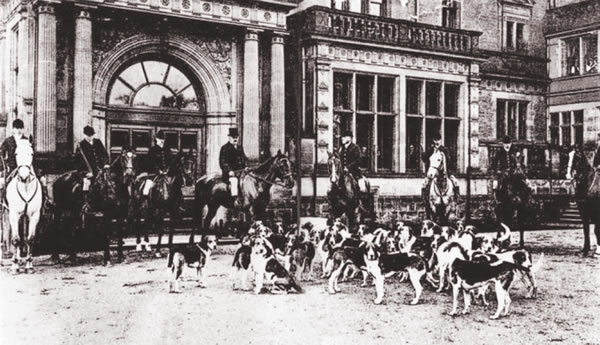
The name Byrkley, which has changed a few times over the centuries, is derived from the family De Berkeley of Berkeley Castle in Gloucestershire. In the 13th century there was a hunting lodge on the site which was in the heart of the ancient Forest of Needwood. Thomas de Berkeley was keeper of the Tutbury ward and occasionally stayed there.
Needwood Chase, as it was then known, had become the hunting preserve of the powerful Norman family de Ferrers, Earls of Derby, whose collective estates were known as the Honour of Tutbury. In 1267 the daughter of William de Ferrers married Thomas de Berkeley.
Because the Ferrers allied themselves with Simon de Montford in his rebellion against Henry 111 they were forced to forfeit their extensive estates to the crown. These subsequently became part of the Duchy of Lancaster which passed to the crown again in 1399.
Those were bloody times but Byrkley Lodge saw the coming and going of generations of monarchs, of charters and changing laws, was controlled by numerous keepers and saw the births, marriages and deaths of numerous tenants.
The hunting lodge was usually the residence of the keeper who was appointed by the King. It was also used on occasions by the monarch on hunting expeditions. Edward IV, who was a particularly keen huntsman, spent lavishly on extensions and repairs. Byrkley Lodge alternated with Tutbury Castle at one time as a venue for the wood mote or forest court. At such times miscreants would be brought before officials who would levy fines for trespass, poaching and other forest offences.
King James I often visited his much loved lodge at Byrkley. The ‘Woodmote Court’ was the only local judicial body. On 19 May 1337 the Chief Forester (Judge) dealt with the following cases:
– A person of Tatenhill fined 2 shillings for stealing three tops of fallen oak trees near Byrkley fishpond.
– Robert Clerk fined 12 pennies for taking one oak tree top from Dunstall Hill.
– Robert Dicon fined 6 pennies for cutting down lime trees.
– Richard Merriot fined 6 pennies for trespassing two colts in the lord’s fenced Byrkley Park.
– The Rector of Tatenhill Church fined 12 pennies for trespassing 140 sheep in Byrkley Park.
– Henry Brown fined 3 pennies for breaking down park palings in Highlands Park half a mile from Byrkley.
All offenders were held in the mercy of the court under surety of the Chief Forester.These courts were no longer necessary once the disafforestation of Needwood was affected after the enclosure in 1801. By this time the forest had changed. Once the home of the wolf, wild boar and wild fallow deer, it was now exploited for timber and pasture. On the lush meadows and grassland grazed the stock and dairy herds and the horses of the Earls and manorial lords. Plentiful oaks supplied acorns for pigs, and where oaks and timber trees were felled underwood and thorn were planted to provide cover for game. Venison, fish from the ponds, and honey from Needwood supplied the Lancastrian households and provided rewards for their supporters and officials.
In 1754 Lord Townshend, whose wife Lady Charlotte Compton had inherited Tamworth Castle and succeeded to the Ferrers barony, acquired the leasehold of Byrkley Lodge as his hunting seat. Here he built a house more extensive and somewhat more elegant than the earlier lodge, where they could retire in peace for a few months of the year.
It had become fashionable in the early 18th century to seek quiet, for some even solitude, in a country retreat, and Byrkley Lodge was ideally situated. Needwood Forest became the haunt of poets, philosophers and painters in search of the picturesque, as well as those in pursuit of the regular sporting pleasures of the forest.

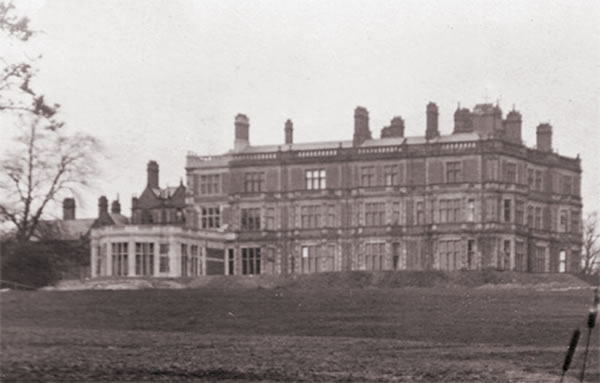
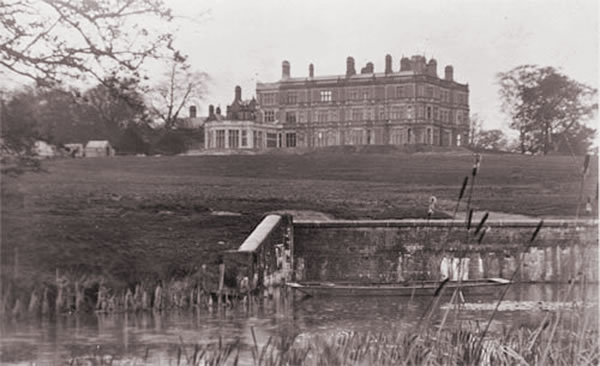 The deeds of this lease are interesting in the detail of care for the property stipulated by Miss Sneyd. Of particular interest are the gardens and greenhouses mentioned, hothouses, shrubberies and pleasure grounds. Michael Bass had to spend £350 for improvements and reparations and ‘keep the gardens and garden grounds belonging to the Mansion House cropped and manured and managed the same according to the most approved methods of gardening’.
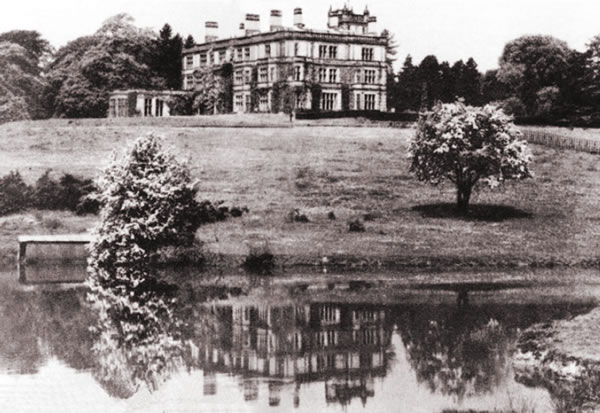 Before the Bass family rebuilt the Lodge, previous occupants had tried to make Byrkley different. Albino rabbits were bred and released in large numbers into the grounds. Byrkley Park was the only country estate in existence to have true white rabbits running wild. When the Bass family lived at the Lodge, workers were not allowed to shoot any of these white rabbits.