Menu Close

Baguley Engineers Limited

In 1911, engineer Ernest E. Baguley set up Baguley Cars Ltd, taking over the assets of the defunct Ryknield Motor Company on Shobnall. The company continued production of a range of motor vehicles with now superior four cylinder petrol engines.

Baguley four cylinder car. 1912

In 1912, Baguley entered an agreement to manufacture railcars for Drewry Company. The same year, Baguley acquired the stock, order books, designs and patents of McEwan Pratt which was in liquidation. Baguley formed a new subsidiary – McEwan Pratt Ltd – to fulfil existing orders. Leonard Bentall, the McEwan Pratt draughtsman, became the chief draughtsman of Baguley and led the design of future locomotives.

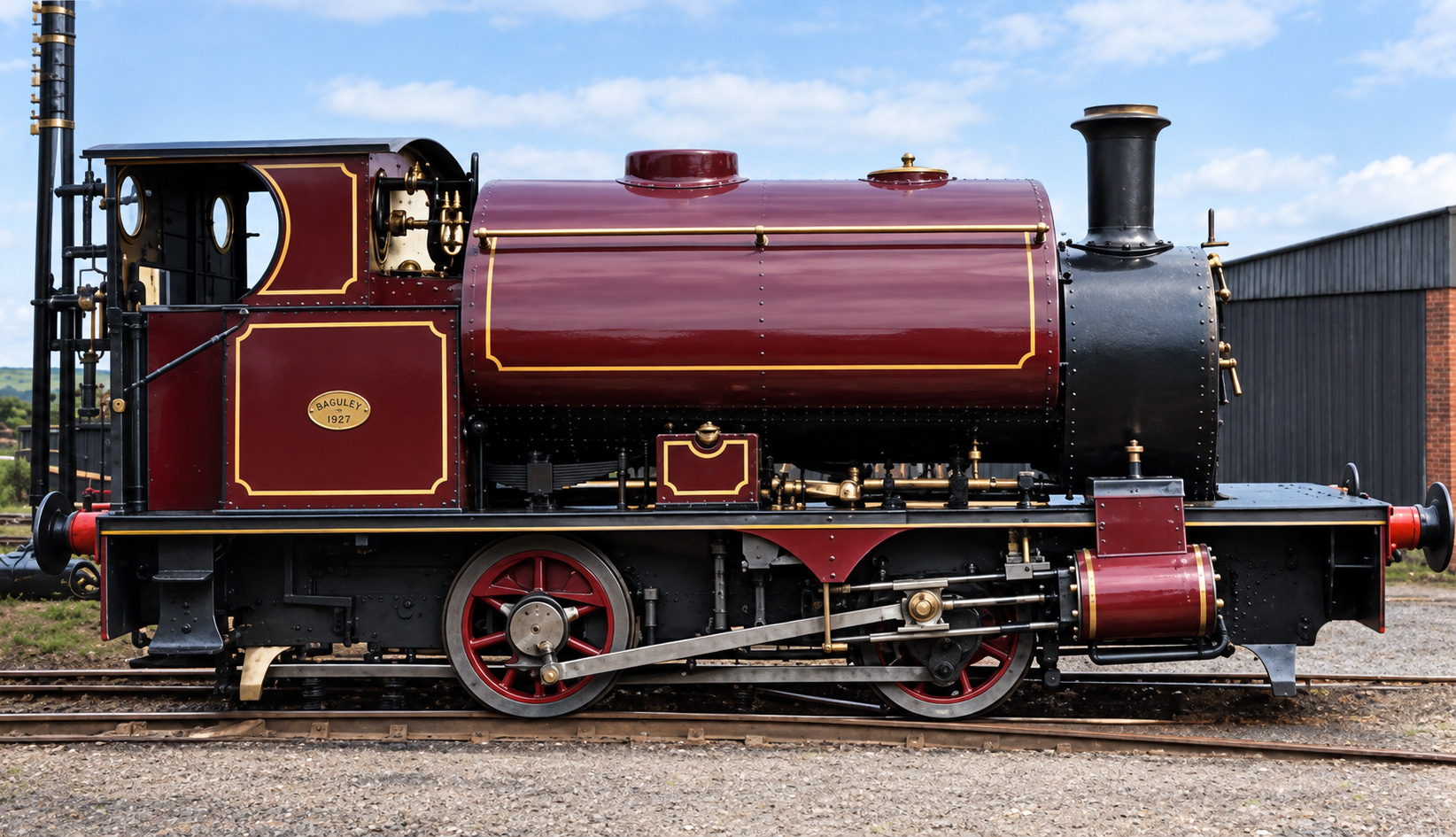
Baguley started to build its first petrol hydraulic locomotive in 1919 but because the production of large transmission components had been severely disrupted by World War I leading to long delays, it was converted mid-production to a steam engine. The company went on to build 31 steam locomotives.

After the War there was a decline in the production of road vehicles due to competition from other larger manufacturers. This was balanced by an increase in the demand for railway equipment. This shift led to the company name being changed to Baguley Engineers Ltd on 10 April 1923.

Baguley steam locomotive. 1927

During the 1920s there was some friction because Drewry complained that Baguley was failing to produce more modern designs of engine and chassis. Drewry began to move their business to the English Electric Company but went into decline before finally going into liquidation in 1931. Most of the plant and effects were sold at auction on 10 November 1931.

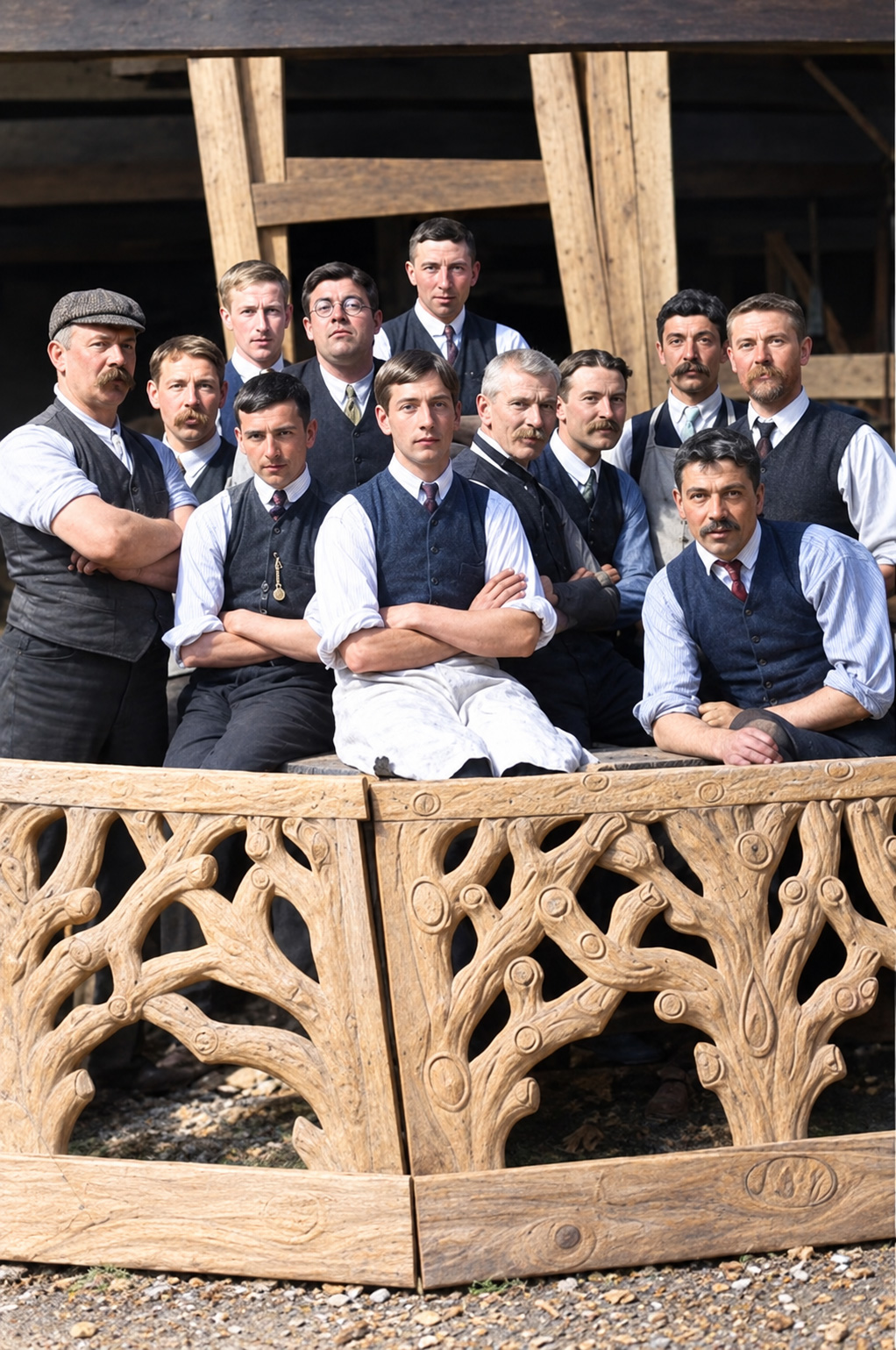
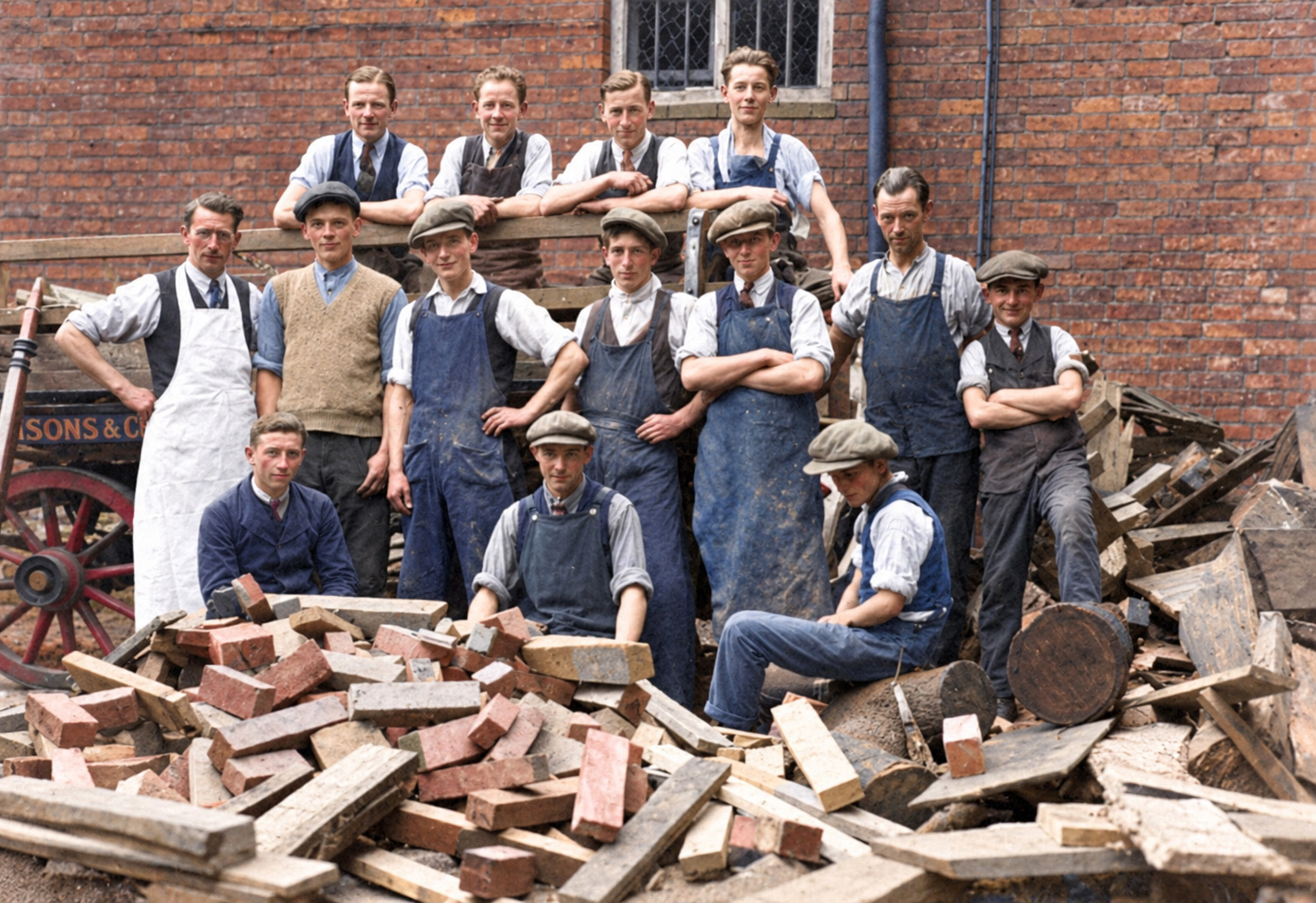
Baguley employees who built the last locomotive before the company closed in 1931.

W.E.C Souster, the previous Managing Director, and his brother Frederick C. Souster, revived the company shortly after its liquidation with W.E.C Souster serving as chairman and the brothers as co-managing directors. The new company, registered on 30 April 1932, was named E. E. Baguley Ltd. located in Clarence Street, a smaller premises still in Burton. It was initially set up as a maintenance and repair business for Baguley locomotives but soon expanded into production of diesel locomotives and rail inspection vehicles for Drewry.

In 1934 E. E. Baguley Ltd. moved to larger premises at Uxbridge Street, Burton-on-Trent where it survived until January 1964 when it was acquired by Drewry Ltd to form Baguley-Drewry Limited. The company finally closed in 1984.

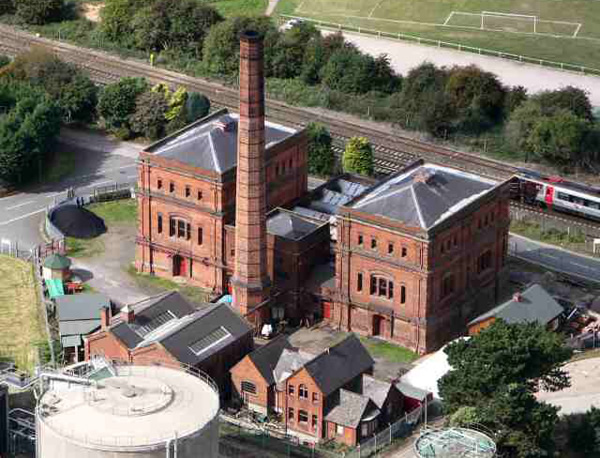
Claymills Pumping Station

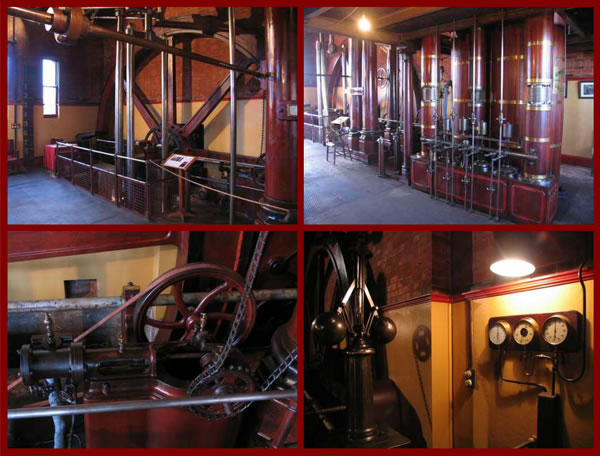
Claymills Pumping Station is an excellent example of Victorian engineering and has buildings dating back to 1885. It was important in the development of Burton upon Trent during the Victorian age, bringing much needed improvements to local sewerage handling.

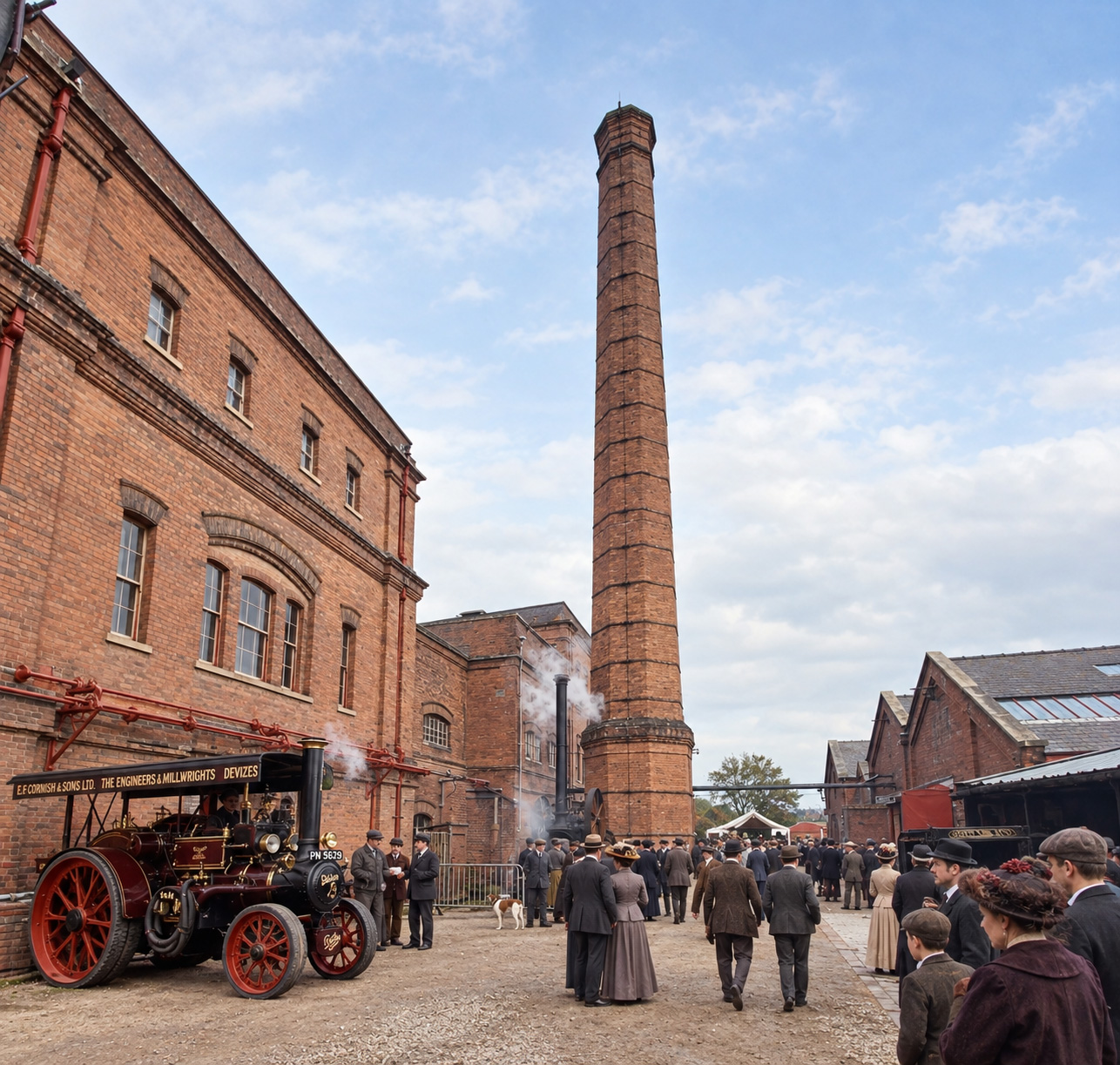
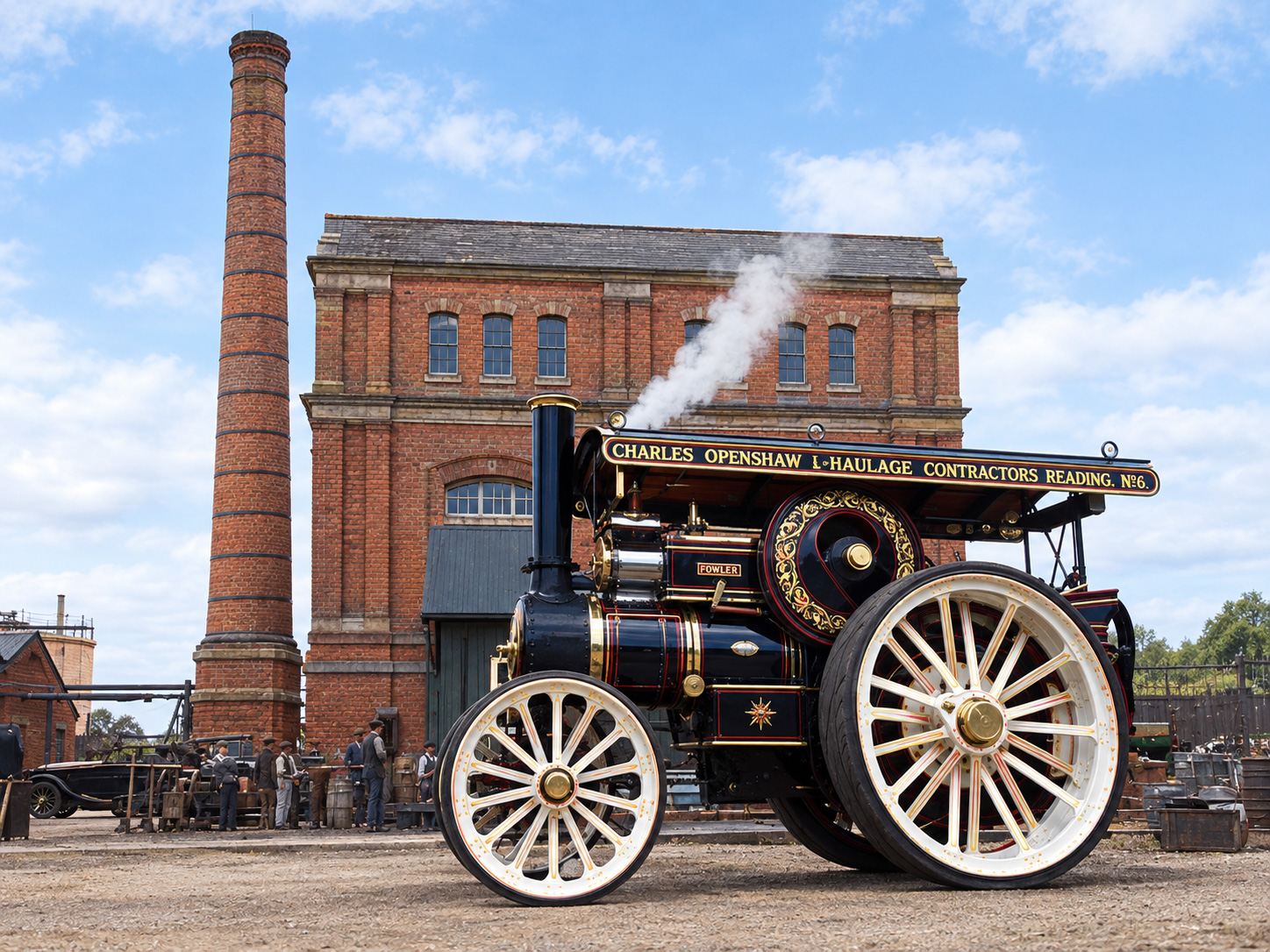
The magnificent traction engines are still lovingly maintained by enthusiasts.

At the heart of Claymills are its magnificent beam engines, boilers and historic machinery which are still original very well maintained providing a fascinating look into the past.

It has been preserved as a museum offering a varied programme of talks, guided tours and hands on learning, and is described by English Heritage as ‘the most complete site of its kind in the UK’.

It has an informative website of its own so, rather than replicate, I will provide the link:  Claymills Pumping Station Website

Orton & Spooner

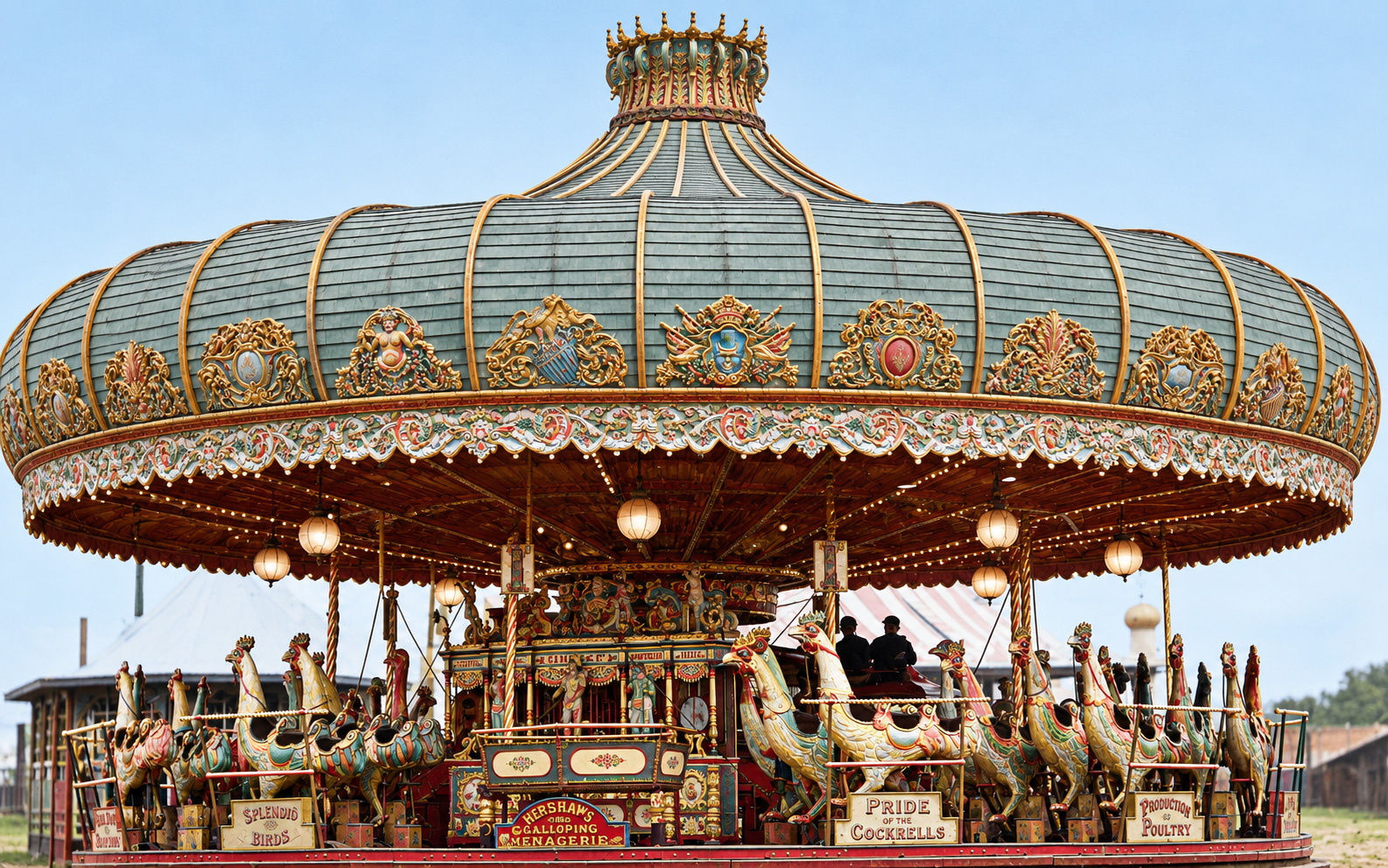
Orton & Spooner was a famous British engineering and fairground manufacturing company based in Burton upon Trent that operated from 1875 until 1977. The company built some of the world’s finest amusement rides, showfronts, and living wagons.

Origins and Partnership

George Orton (1843–1924) was born in Measham. He was a wheelwright and coachbuilder by trade and in 1875 he established the Lion Carriage Works in Victoria Cresent, Burton upon Trent to build transport wagons. From about 1883, he concentrated on building living decorative wagons for travelling showmen.

Charles Spooner (1871–1939) was born in Burton and was a wood-carver, and at first made drays and handcarts for brewing companies in the town. He set up in business in 1892 in a yard behind his father’s public house. The Swan. at the Winshill end of the Trent Bridge, and made carved work for showmen and builders of fairground rides, including animal figures for carousels. He was one of Orton’s main suppliers. From 1894 they worked almost exclusively together; their skills fit well together which would lead to a long partnership. In 1897 he married Orton’s daughter Rose Ann.

The two businesses officially joined to become George Orton, Sons and Spooner Ltd. in 1925.

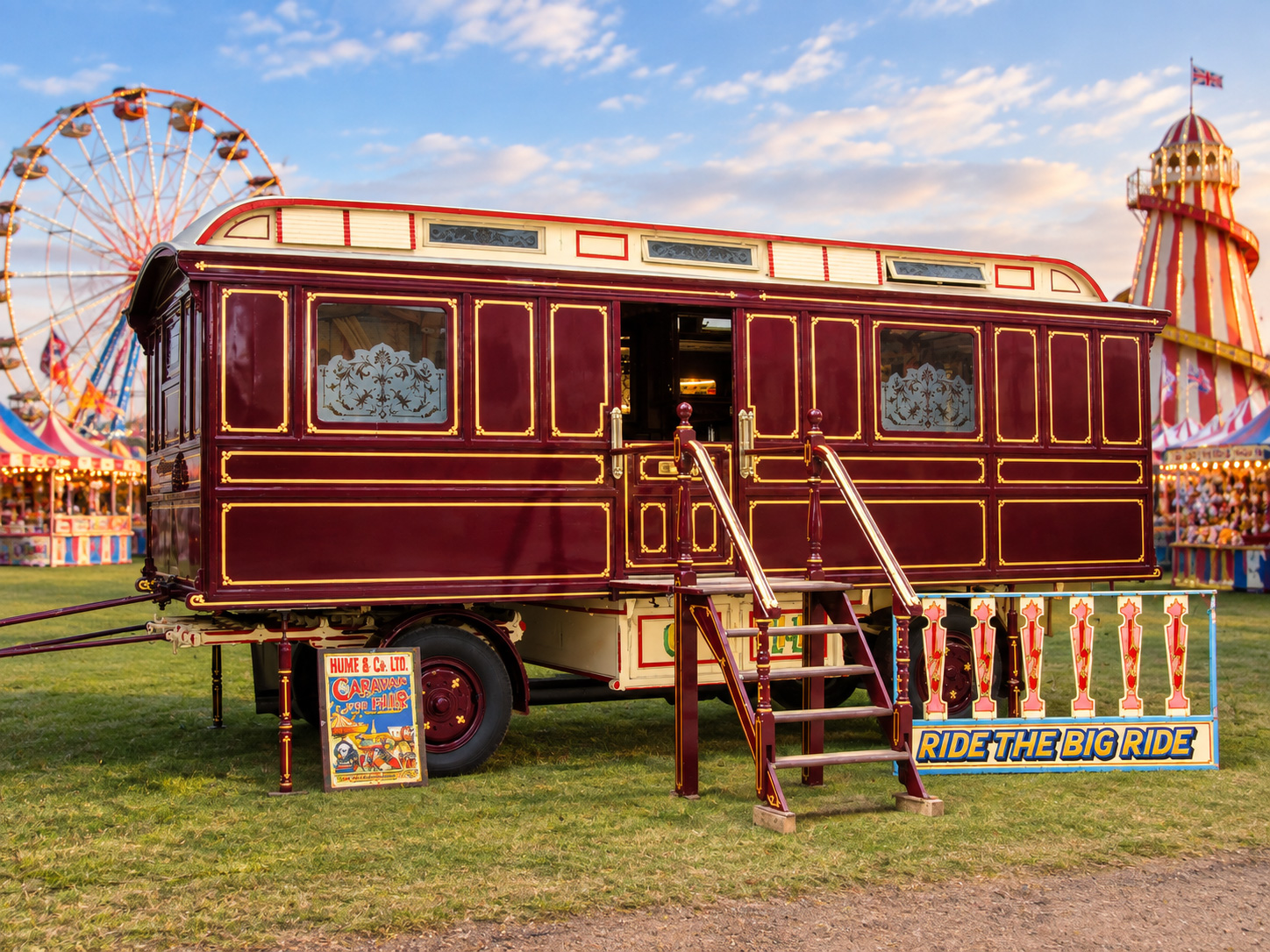
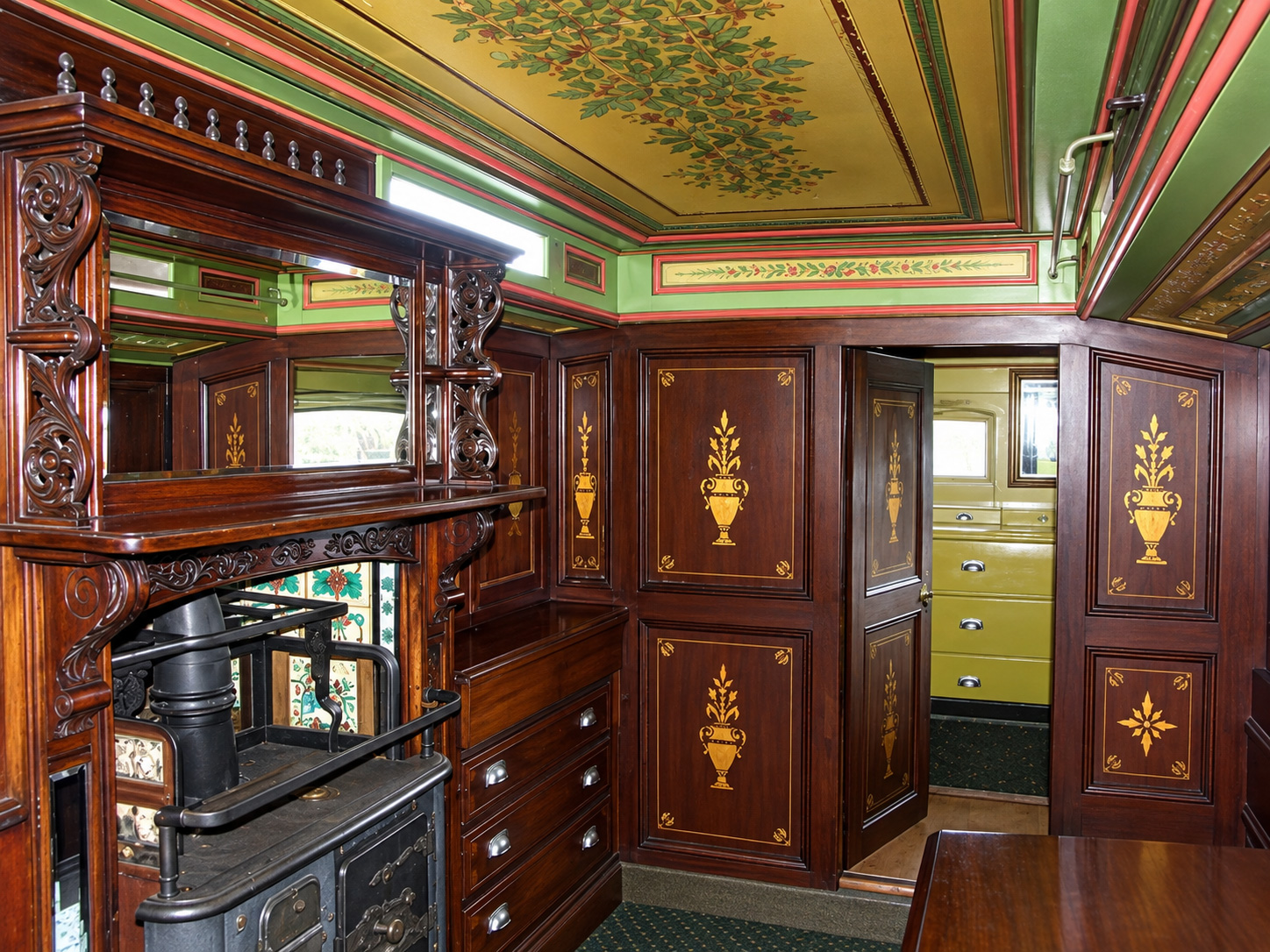
Orton and Spooner Showman Van, equally as impressive inside and out

George Orton retired in 1910, and the business was run by his sons Tom and Charles, his daughter Annie and Charles Spooner. The company in 1912 built erecting sheds on land he had bought in Victoria Crescent in Burton, large enough for a complete fairground ride. Elements for rides assembled here continued to be built at the Lion Work.

Fairground Golden Age

The most important fairground ride at this time was the ‘Circular Switchback’, powered by steam. Orton & Spooner’s main competitor was Frederick Savage of King’s Lynn; after the closure of Savage in 1910, Orton & Spooner dominated the market to become the top fairground ride manufacturers in the UK.


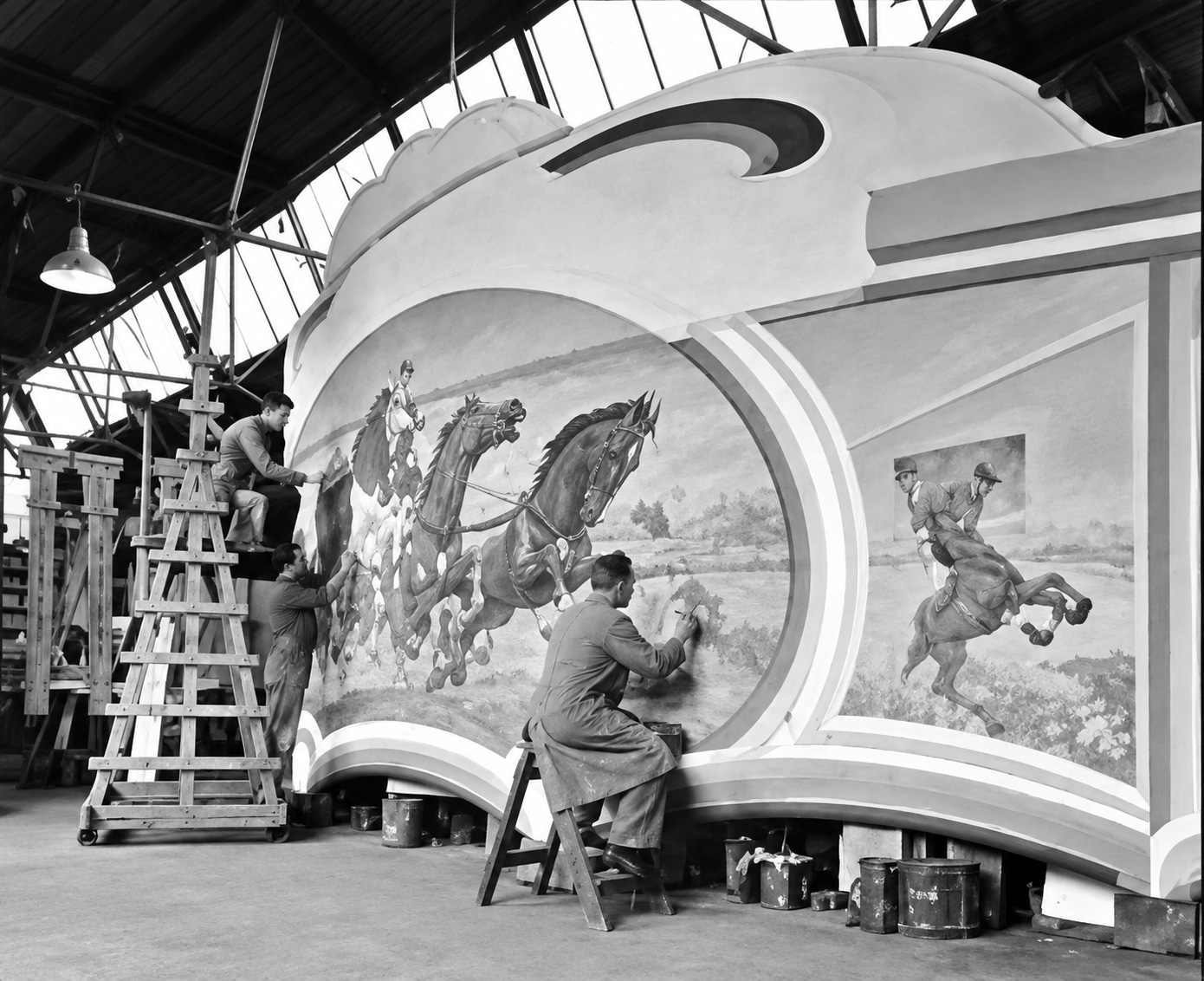
The elaborate panels for all of their rides of all sizes were hand painted at the Orton and Spooner factory.

Orton and Spooner artists at work

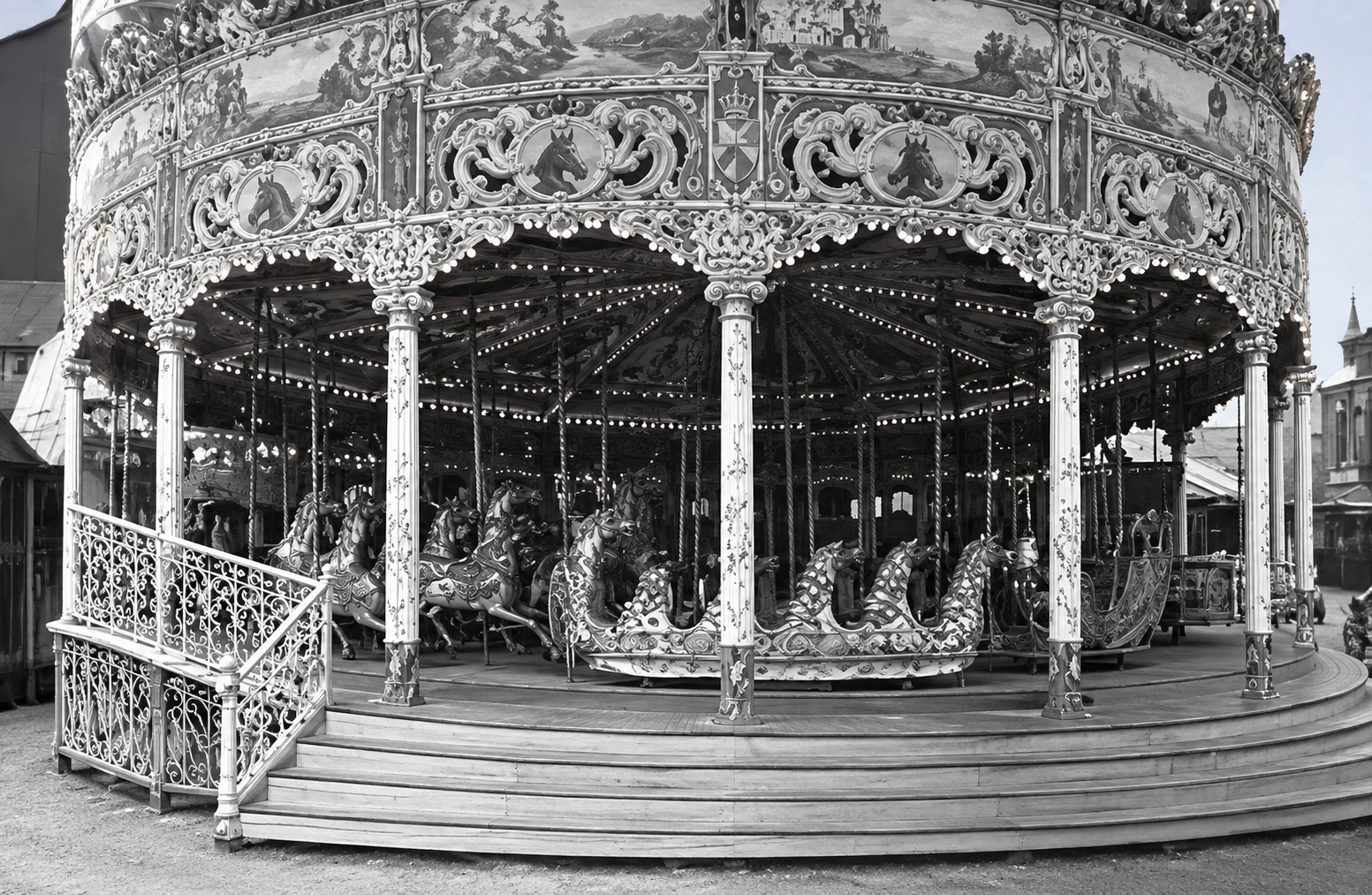
The magnificent four-abreast platform Galloper with a pagoda top, specially built by Orton and Spooner can be seen below at a 1900 Carnival in Glasgow. Amazingly, it was used as a travelling fairground attraction to large fairs such as the Nottingham Goose Fair. It finally ended up being shipped across the Atlantic to Coney Island, New York and was still there in the 1960s but minus the elaborate top.

Orton and Spooner Galloper 1900

In 1912, they built their first so called ‘Electric Scenic Railway’ fairground ride. They went on to make dozens of these large tracks. The ‘scenic railway’, powered by electricity, became important and it was Orton & Spooner that made the first such ride, with a circular undulating track. Over twenty years they built, rebuilt or modified 32 scenic railways. 

Orton and Spooner first Electric Scene Railway 1912

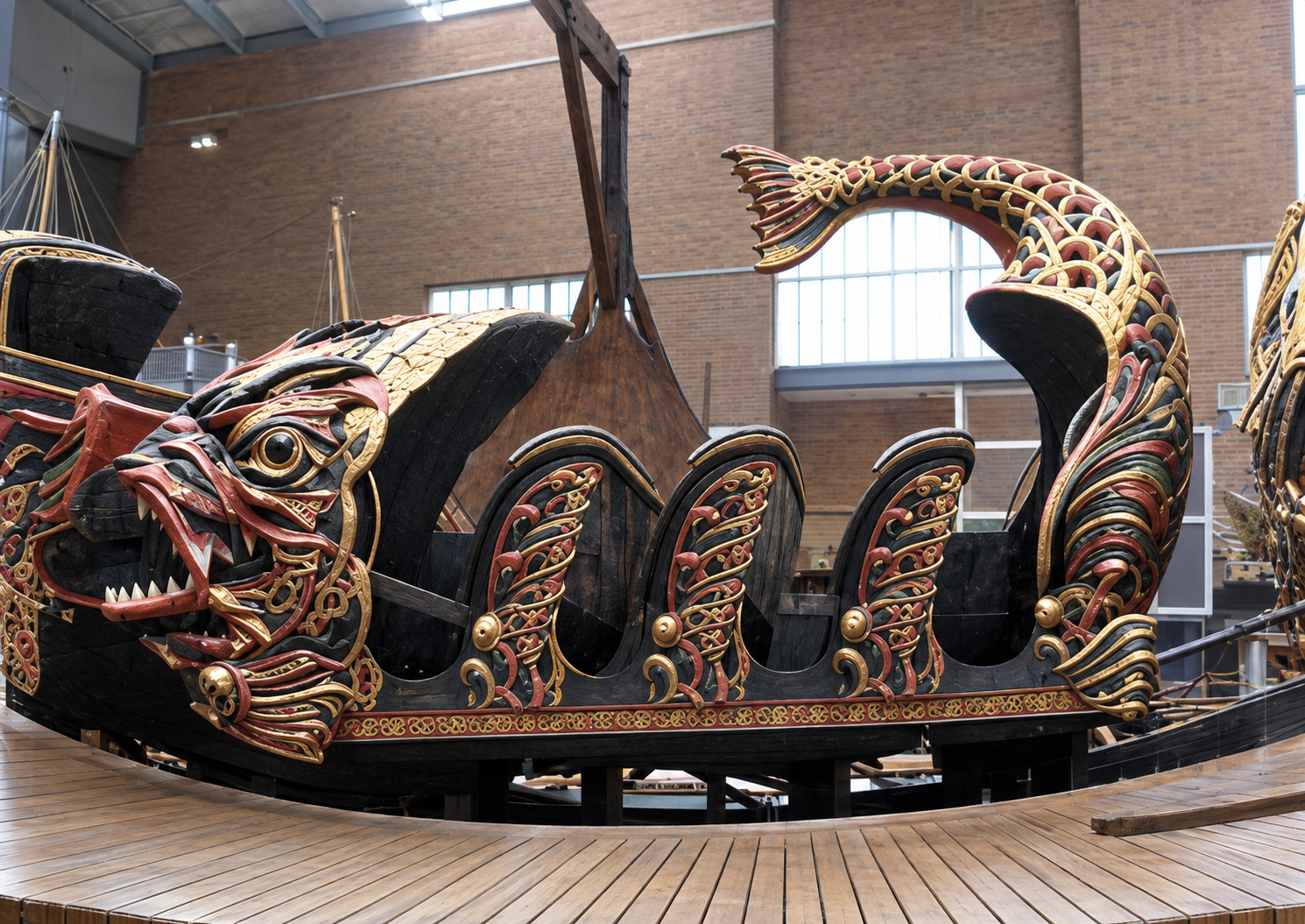
And below, a typical ‘Circular Railway’ carriage carved by Spooner. It was named ‘Whale’ though the teeth suggest something more sinister.

In the 1920s and 1930s, they shifted to smaller rides like Noah’s Arks, Dodgems, and Ghost Trains. Their hand-carved wooden animals and horses were famous for their high quality. From the late 1920s, the most important machines were smaller roundabouts, particularly ‘Noah’s Ark’, so called because of the various carved animals in the ride. They also made other fairground machines and side stalls.

Another great Orton & Spooner ride on a fairground in 1968.

Wars and Final Years
The British government took over the Orton and Spooner factory during both World wars. They built portable aircraft hangars in World War I and military vehicles in World War II. After World War II, demand for fancy fairground rides dropped and the company stopped building fairground rides in 1954.

It survived until 1977 as a light engineering company until it was finally closed in 1977.

Peel Mill


Peel Mill stands almost inconsequentially next to the river in Winshill, at the bottom of Mill Hill Lane. It is easy to pass it by without much notice but it has a fascinating story to tell.

It was opened in Burton by Robert Peel who relocated his milling operation from Altham, near Blackburn, after a large mob broke into Peel’s mill there and destroyed most of the machines due to the Luddite feelings that they would put many people out of work.

So what about the most famous Robert Peel who was Home Secretary, Chancellor of the Exchequer and (twice) Prime Minister best known as the founder of the Police Force? Any relation? In fact yes, he was the mill owner’s Grandson!

Mention the name Robert Peel and the first historic figure that probably comes to mind is man most famous for the formation of the Police Force. This feature concerns his Grandfather, Robert Peel.

Robert Peel experimented with fabric printing in some outbuildings of the family yeoman farm. He made the fortuitous acquaintance of a government officer who had been posted from London whose former job involved the responsibility of an India based textile company with a unique process for permanently fixing patterns on fabric but had been refused permission to establish a similar company of his own in London. The two of them established a small fabric printing company in some outbuildings of the family farm in Lancashire

Another nearby Lancastrian, James Hargreaves, had been experimenting with a machine that could do the work of a group of women sitting at individual spinning machines, far more efficiently. It was the forerunner of the spinning Jenny.

Peel immediately recognised the potential and re-mortgaged the farm to raise money to develop the machine. In 1765, the first mill was in operation at Altham near Blackburn. It had a rack of 40 spinning jenny’s operating in tandem, each turning eight spindles. This was combined with Peel’s printing process to produce his earliest design which featured a single parsley leaf repeated in diagonal rows. This became widely known as ‘Parsley’ Peel and was a great commercial success. So much so that it became his nickname too.

Industrial advancement was everywhere and within a couple of years of Peel’s first mill opening, Richard Arkwright had patented his water powered spinning frame and James Watt was on his way to perfecting the steam engine. Almost overnight mass production had arrived and cotton spinning was no longer a cottage industry. Hand spinners using traditional spinning wheels could simply not compete with ‘modern’ mechanisation.

A large assembled group, feeling that their very livelihood was under threat, broke into Peel’s mill and destroyed as many machines as possible, throwing many of them into the adjacent river Calder. The textile world wasn’t ready for Peel’s advancements so, rather than trying to rebuild, he decided to look around for another potential site, far away enough from the rioters but close enough to his now established customers.

Burton-on-Trent
Burton-on-Trent proved to be ideal. Most raw cotton arrived at the Liverpool docks and there was a direct link via the new Trent and Mersey canal which had been recently opened in 1777. Unlike the Lancashire he was leaving behind, Burton embraced the idea of new industry and Joseph Wilkes, a very successful businessman and director on the Burton Boat Company which leased the shipping rights on the river Trent from the Earl of Uxbridge and who owned his own bank, was more than happy to help finance Peel’s new business. Another great advantage of having Wilkes involved was that the terms of the Burton Boat Company’s lease enabled them to supply him with sites for mills and water to power them.

Mill wheels need a guaranteed, steady flow of water to act as a driving force. Without proper water management the Trent at Burton was too unpredictable, too slow flowing and liable to flood. At Winshill however, there was already a site for a former fulling mill on an artificial island with suitable weirs and sluices to control the flow. By 1781, all remains of the original fulling mill had disappeared, to be replaced by a new much larger purpose built four storey mill. Another fellow director of the Burton Boat Company, Sampson Lloyd, also ran a foundry. This was just upstream of the proposed mill, allowing mill machinery to be built and easily shipped into place. After a few years, it was decided to remove the first floor to make a much higher ground floor which was comprised of 8 high bays measuring 120 feet by 30 feet.


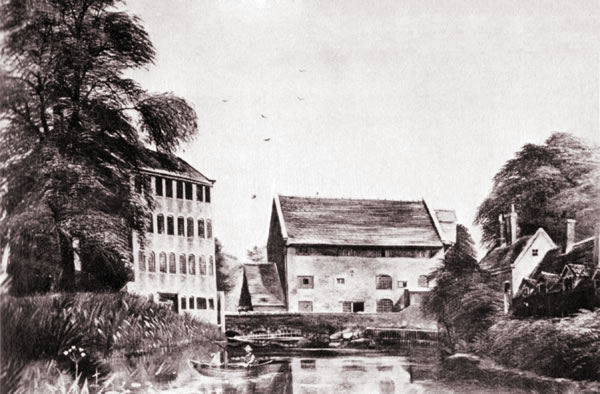
Before the arrival of photography, the above early 19th cenury painting of the Peel Mill, together with what was then, Burton Corn Mill, provides the best available record of the scene.

Robert Peel, by now almost 60 years old but still very energetic and with two keen sons. A second mill soon followed at Bond End in Blackpool Close, 300 yards south of the Fleet stones. Construction started in 1782 and was completed the following year. It was supplied by water from a specially dug channel known as Peel’s Cut. To assist in the construction he purchased several large consignments of timber from J.W. Wilson of Burton costing £66.00.

The third mill was constructed between 1784 and 1787 and was built on the site of the old Upper Mill near Waterside in Stapenhill. In 1795 the fourth mill was built at Bond End close to the other existing mill; this mill was called the “New Building”. In 1814, part of the old forge mill at Winsill was converted into their fifth and final mill in Burton.

Robert had started by leasing two houses in Horninglow Street but, once established, brought a large Georgian town house in Lichfield Street which he re-fronted and completely refurbished. Peel House was conveniently close to his Bond End works. He also had cottages built close to their mills for workers and superior houses for managers, overlookers and superintendents.

In little more than a decade the Peel’s had made the textile industry the major employer in the area, before the enormous growth in the brewing industry, and other business entrepreneurs, seeing the opportunity created by Peel’s success, started mills of their own. Thomas Dicken and Benjamin Wilson, two of the early brewers in Burton, left the brewing industry and joined forces to establish a mill on the river Trent at Alrewas. In Tutbury, John Bott and his son Charles, already involved in producing woollen cloth, erected a five-storey cotton mill on land leased from the Duchy of Lancaster in Bridge Street where the existing mill stream could be exploited as a power supply. Numerous other mills also sprung up and down the Trent from Burton.

This rash of factories springing up to cash in on the advantages of new industrial technology may have been mechanised but manpower was still essential. Spindles had to be loaded, looms supplied with thread, machines constantly maintained, raw materials and finished goods moved. For the most part it was boring, repetitive and noisy work. Around a quarter of all mill workers were children. Many officially ‘paupers’, poor children and orphans sent as indentured apprentices to prevent them becoming a burden on their home parish in the days long before the welfare state. Mill owners were responsible for housing and feeding their apprentices.

Hours of work in Peel’s mills were generally six o’clock in the morning until nine o’clock at night with only a short break for a midday meal, six days a week. They did though, directly and indirectly, provided employment for almost 800 local workers which was a significant proportion of the population at the time. Although conditions seem atrocious by modern standrads, they were actually much better than in many other industries of the time.

Summoned before a Select Committee set up by the Government to investigate conditions in factories, Peel said that as a busy man he did not have much time to visit his factories personally and claimed that it was the mill managers, paid by results, who were responsible for the poor conditions and long hours. Robert Peel, now ‘Sir’ Robert Peel, to his credit, used his public position to try and improve conditions and supported several acts of parliament, among them, setting limits on the number of hours children could work and ensured they were provided with suitable clothing and a basic education.

Robert Peel retired in 1792 and moved back to Lancashire leaving his sons in charge at Burton. By then, Robert Peel II had set up his own business. Initially in partnership with Wilkes he purchased the bulk of Sir Thomas Thynne’s Drayton Bassett estate and opened his own textile mills at Tamworth.

His son, John Peel, and other members of the family continued their operations in Burton for a few more years but in a fast moving business the local mills were becoming outdated and uncompetitive. Only one steam engine had been installed. The centre of textile manufacture was gravitating back northwards to Lancashire and Yorkshire. One by one the local mills began to close and brewing took over as the principal industry.

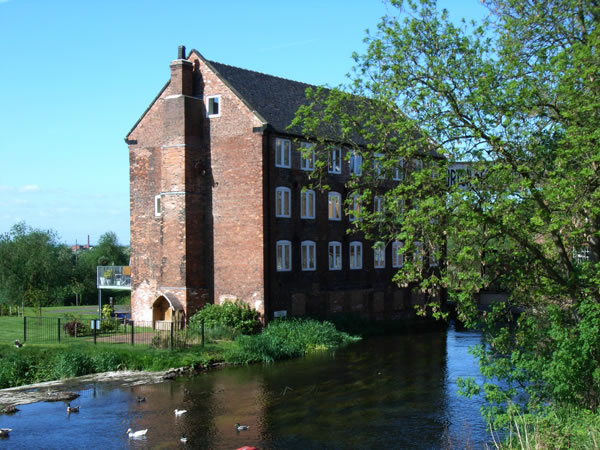
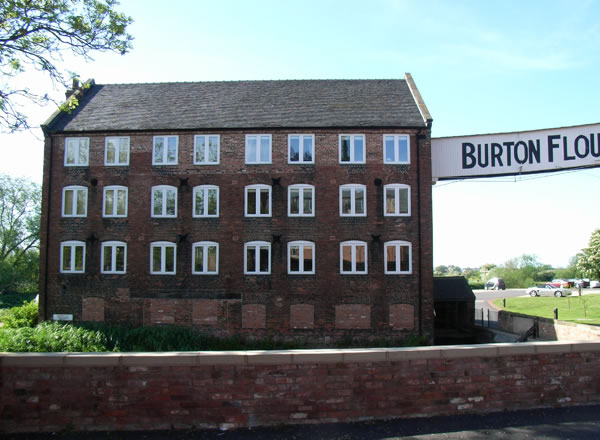
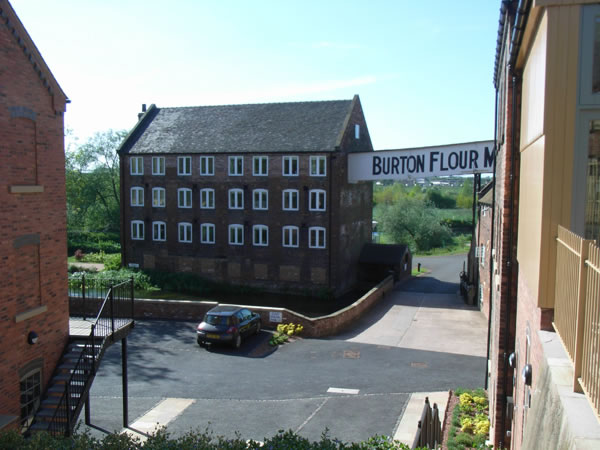
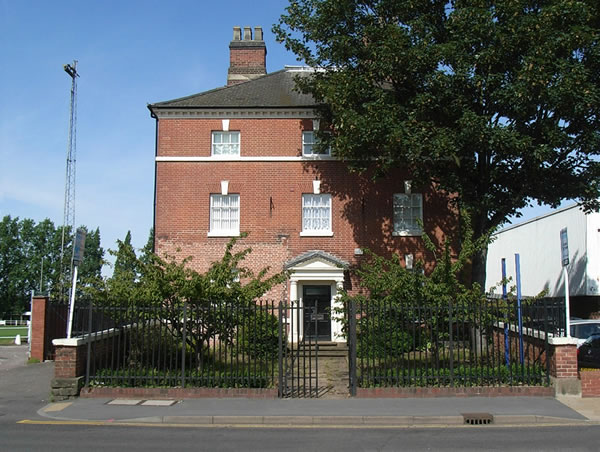
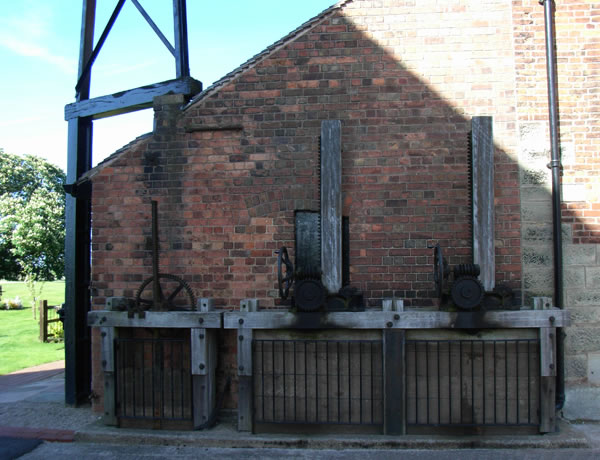
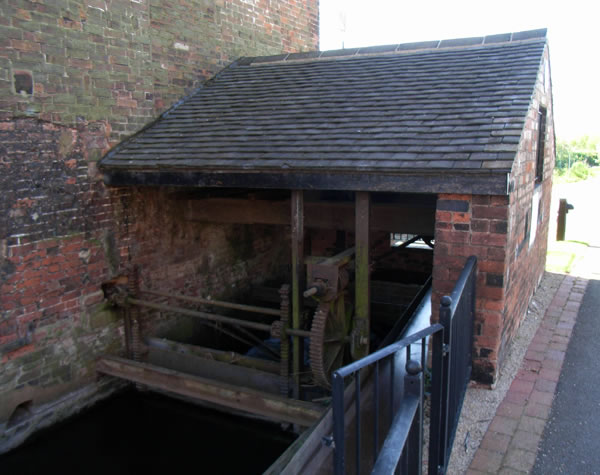
The original Peel mill can still be seen at the bottom of Mill Hill Lane in Winshill and it is still easy to imagine it on its own little island. For a while, it was used as part of the much larger Greensmith’s Flour Mill which grew up next to it. It has now been converted to apartments and, although the main controlled stream has now been replaced with a roadway, a number of the original mechanisms have been retained as features.

Robert Peel II (1st Baronet)
Robert Peel II had a good London education before joining his father’s company. He was made a partner at the age of 23 and very soon, he had taken control of the business and began to make full use of the new technology that was transforming the textile industry.

Peel, still a Lancastrian at heart, established other milling interests at Woodhill, to the north of Bury. After marrying the daughter of one of his partners, he settled at Chamber Hall in the town. It was there that Robert III was born, one of 11 children.

Robert Peel II, with a much better education than his father had enjoyed, was a very shrewd businessman and, still aware that his introduction of machinery was still likely to cause problems among traditional Lancashire textile workers, he built a new factory in Tamworth and manned it partly with pauper children from London workhouses. Financially, this venture was a complete success and in the 1790s, Robert Peel II was recognised as one of Britain’s leading industrialists, commanding a workforce of 15,000. In 1790, he was elected MP for Tamworth and 10 years later he was knighted and became 1st Baronet.

Sir Robert Peel II eventually sold his share of cotton mill interests and retired from business with enormous wealth in 1818. He continued to lobby for improvements in working conditions and supported the Factories Act, passed in 1819 banning the employment of children under nine. Nevertheless, 20 years after the Factories Act the Burton mills were employing 100 children aged between nine and 13 years.

Despite his fortune which had been made using them, Robert Peel II became a strong supported of causes to improve working conditions and to better provide for the most vulnerable. In 1802, he was largely responsible for the Health and Safety of Apprentices Act, which limited the working hours of cotton-mill workers to a maximum of 12 hours a day.

Sir Robert Peel II died at his Drayton Manor home on 3rd March, 1830.

Robert Peel III (2nd Baronet)
The next Robert Peel, born in 1788 near Bury in Lancashire, was the oldest boy and third of eleven children to Robert Peel (1st Baronet).

Educated at Harrow, Young Robert Peel, for the second generation in a row, bettered even his father’s phenomenal success. Eventually, he bought Wilkes’ share of the business. In place of his father’s manor house, he had the magnifient Drayton Manor mansion built by Robert Smirke, one of the most fashionable architects of the time, with the extensive grounds designed by William Gilpin, a great landscape gardener of the time.

He also went on to represent Tamworth in parliament in 1809. Eventually, he became Home Secretary, where he was most famously instrumental in creating the police force (hence the terms ‘Bobby’ and ‘Peeler’). For the short period from 10 December 1834 to 8 April 1835, he became Conservative Prime Minister of the United Kingdom, and again from 30 August 1841 to 29 June 1846.

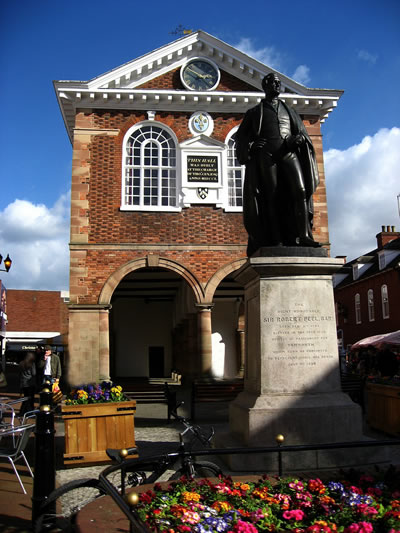
Sir Robert was killed following a fall from his horse on Constitution Hill in London and was buried in the small parish church at Drayton. His statue stands in the Market Place at Tamworth.

More Robert Peels
There were six baronets all together, all named Sir Robert Peel, until the direct line ended in 1942. The title was then transferred to a younger branch of the family and the present Earl Peel is the third Earl, fourth Viscount and eighth Baronet.

All due in part to the success of a small mill in Winshill!

Ryknield Motor Company

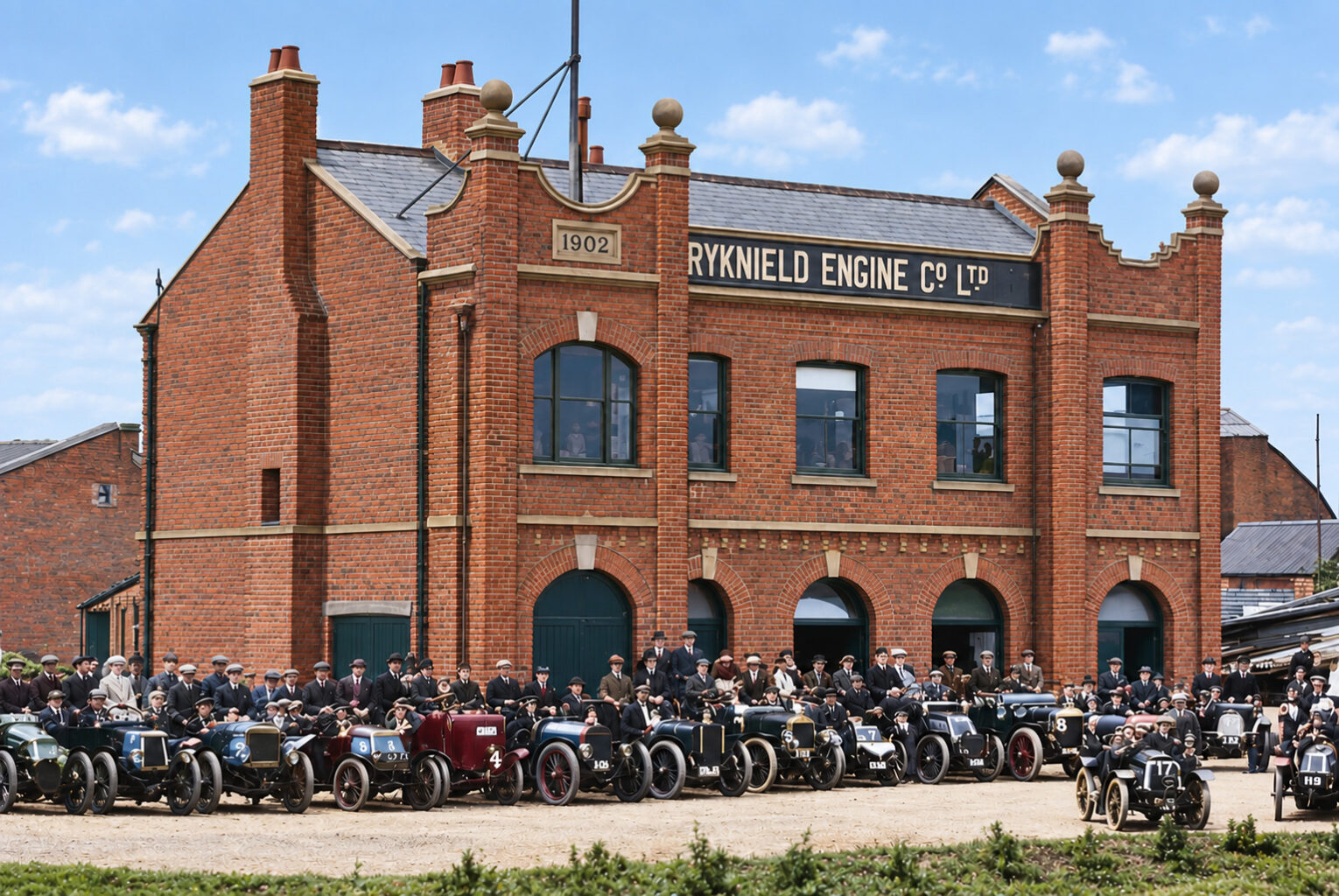
The Ryknield Engine Company was established in 1902 with purpose built factory and offices on Shobnall Road with prominent date-stone on the face of the building. The original intention was simply to build both steam and petrol engines for road vehicles.

The Shobnall Road factory during a vehicle exhibition c1905

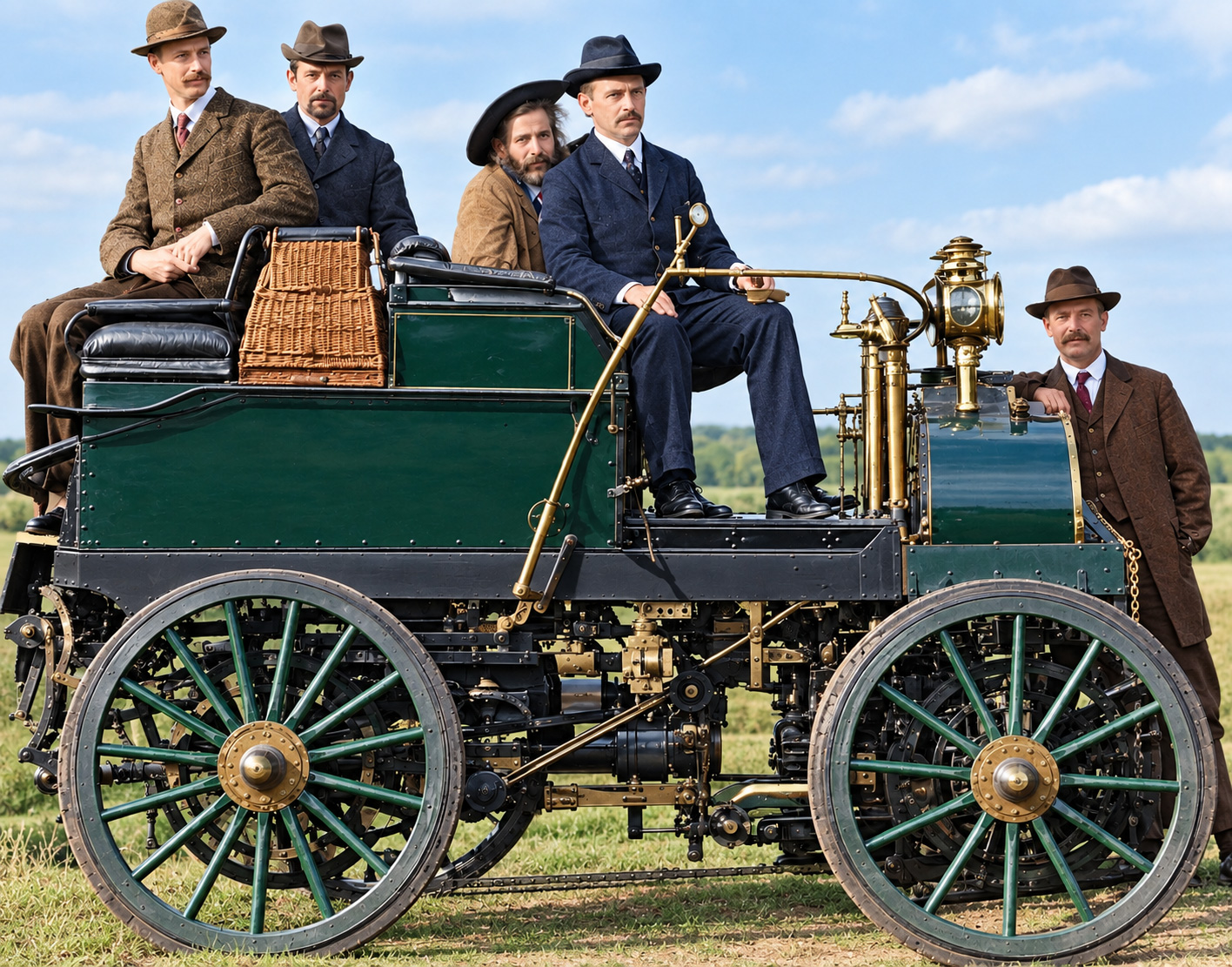
Ernest E. Baguley, who had been an apprentice in the rail industry, saw the potential of the motor car and in 1901 he designed a steam-engine for a motor car whilst employed as an engineer with W.G. Bagnall Ltd. They did not share his enthusiasm so he left to join the newly formed Ryknield Engine Company as manager in November 1902.

The first ever Ryknield steam powered car. 1902

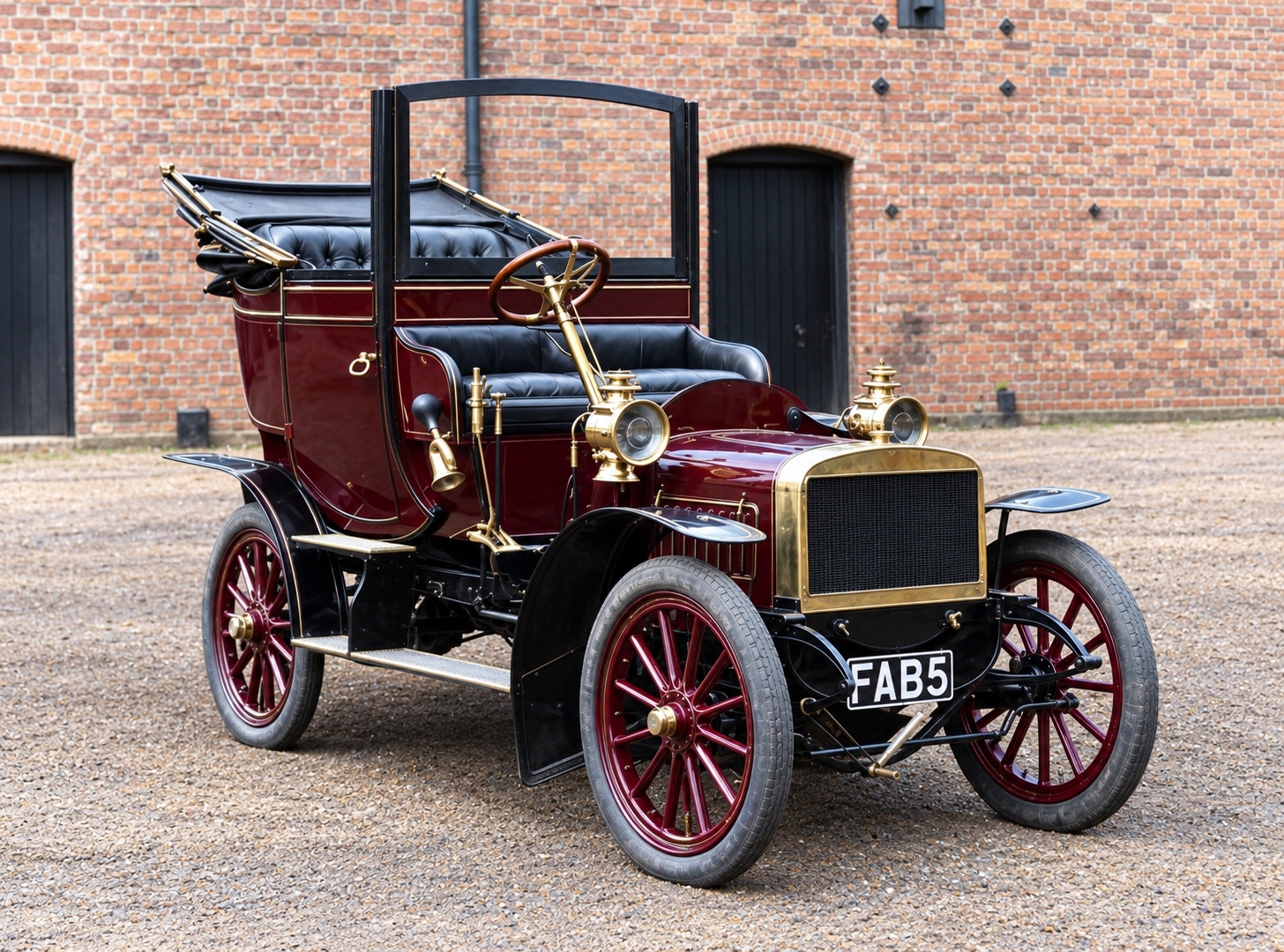
However, the company quickly realised that for road vehicles, petrol internal combustion engines was the future and by the end of 1903, they were producing cars like this fine example with the all essential horn mounted on the steering wheel, despite being under 9 horsepower.

Rynield petrol car 1903

Things developed at breakneck speed. No waiting years for the new model, pretty much every car was a further development of the last. There was now room for more than one passenger and the horn was mounted in a much more sensible place.

Rykield car 1904

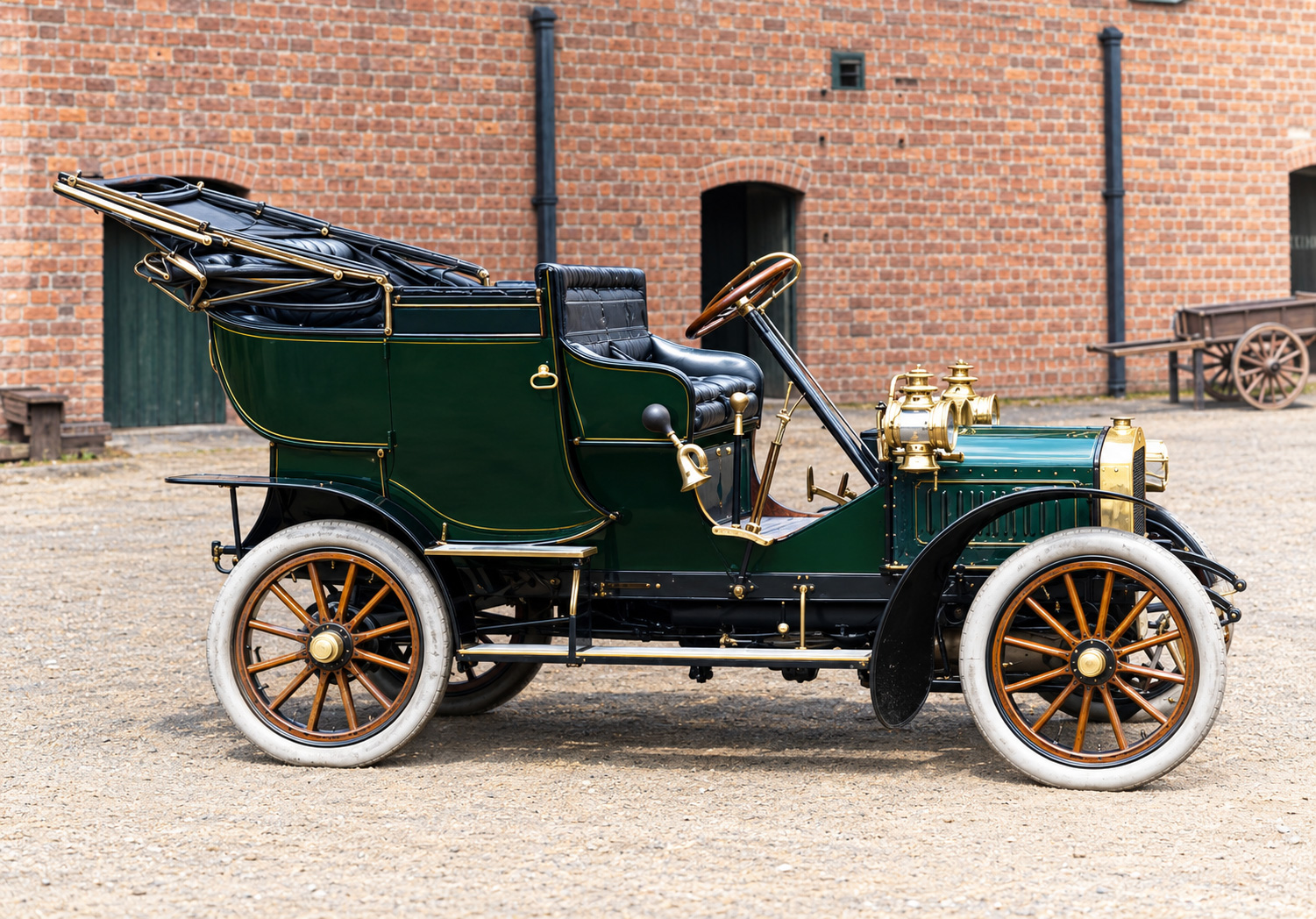
A year later, the engine power had increased and the driver back support had improved after complaints of discomfort. This example was particularly fetching after the owner had requested sporty (well, different coloured) wheels.

Rynield car 1905

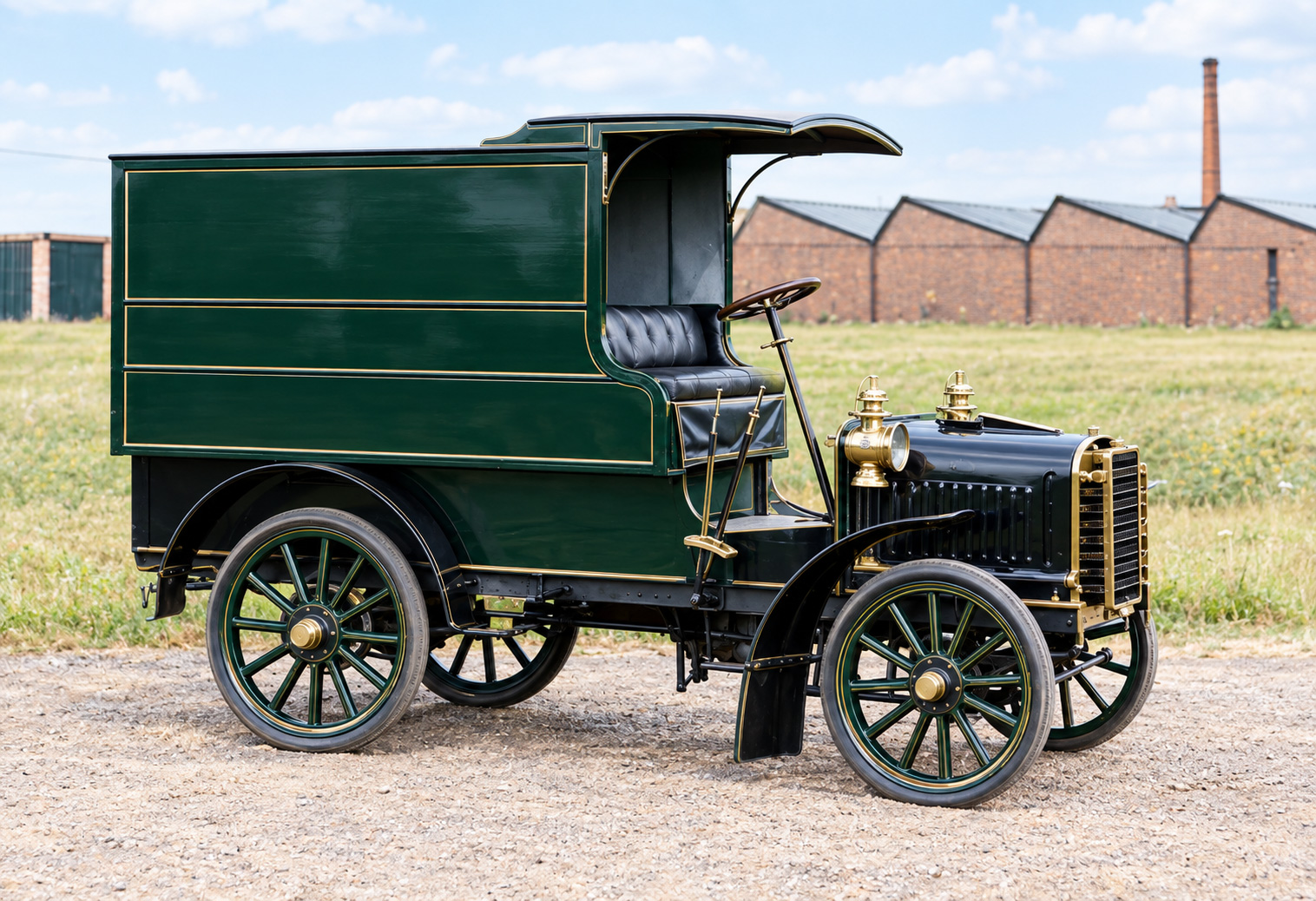
Relatively popular Ryknield light van. This is one of the first to be build and still awaiting its custom livery for its proud business owner.

Ryknield light van

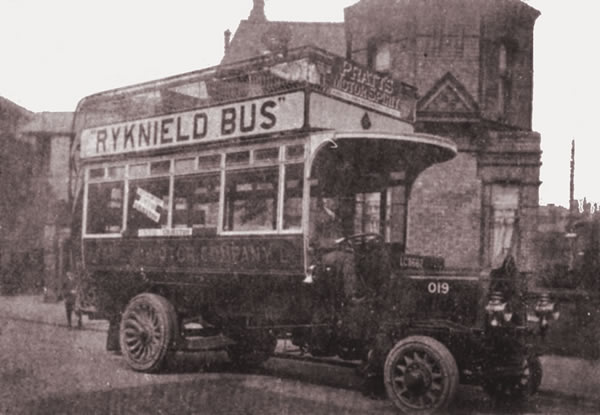
Ryknield Motor Company built the first passenger carrying bus to run in Burton in November 1907. Interestingly, it did not belong to Burton Corporation. It was built and operated by the company itself as an experiment to see if transport available to the fare paying general public could prove to be financially successful.

Ryknield petrol bus. 1907

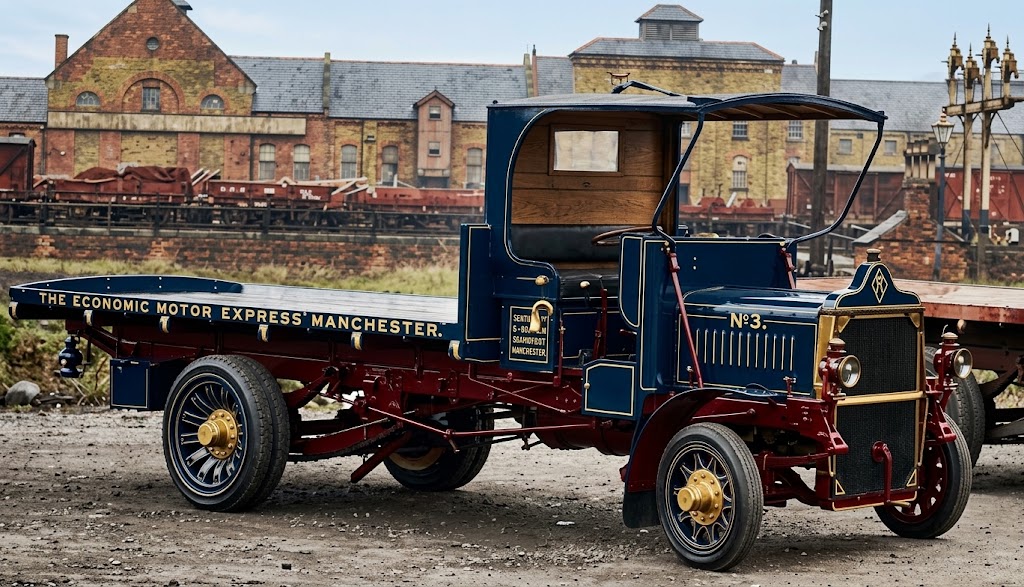
Ryknield did have a go at building larger commercial vehicles like this one for a Manchester company but without great success because this sector was by now covered by far superior offerings despite this producing a whopping 45 horsepower.

Ryknield commercial vehicle was not a great success. c1910

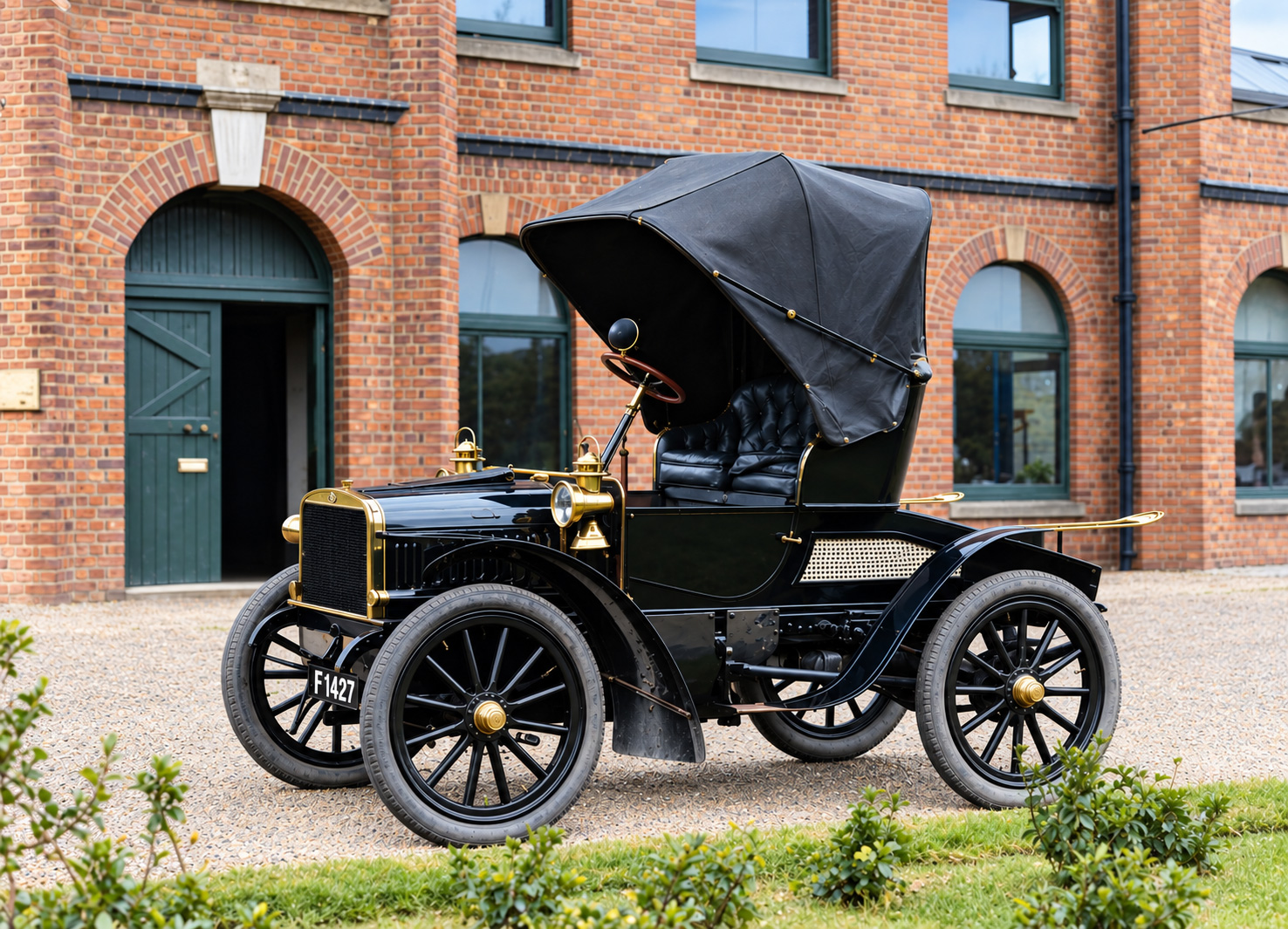
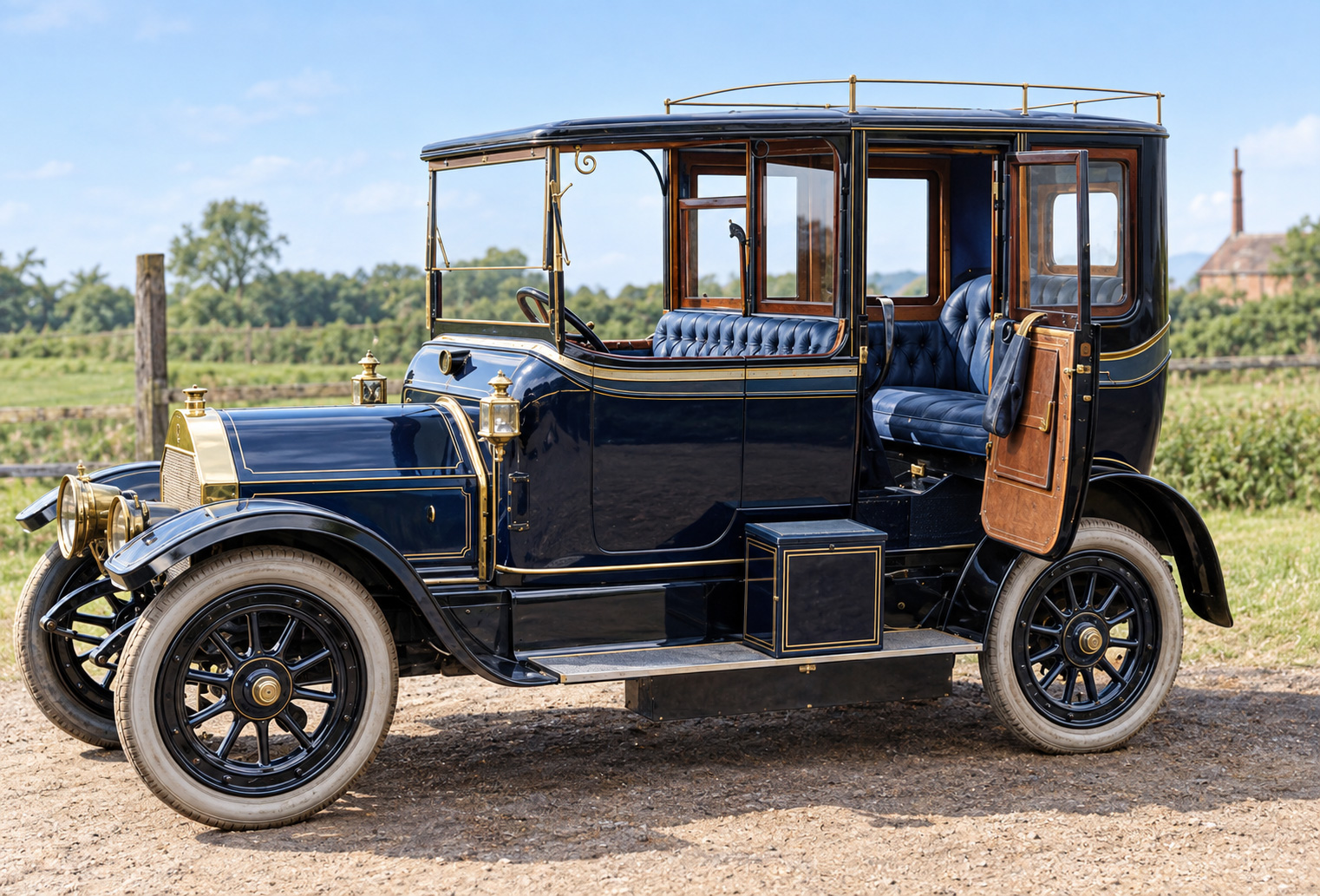
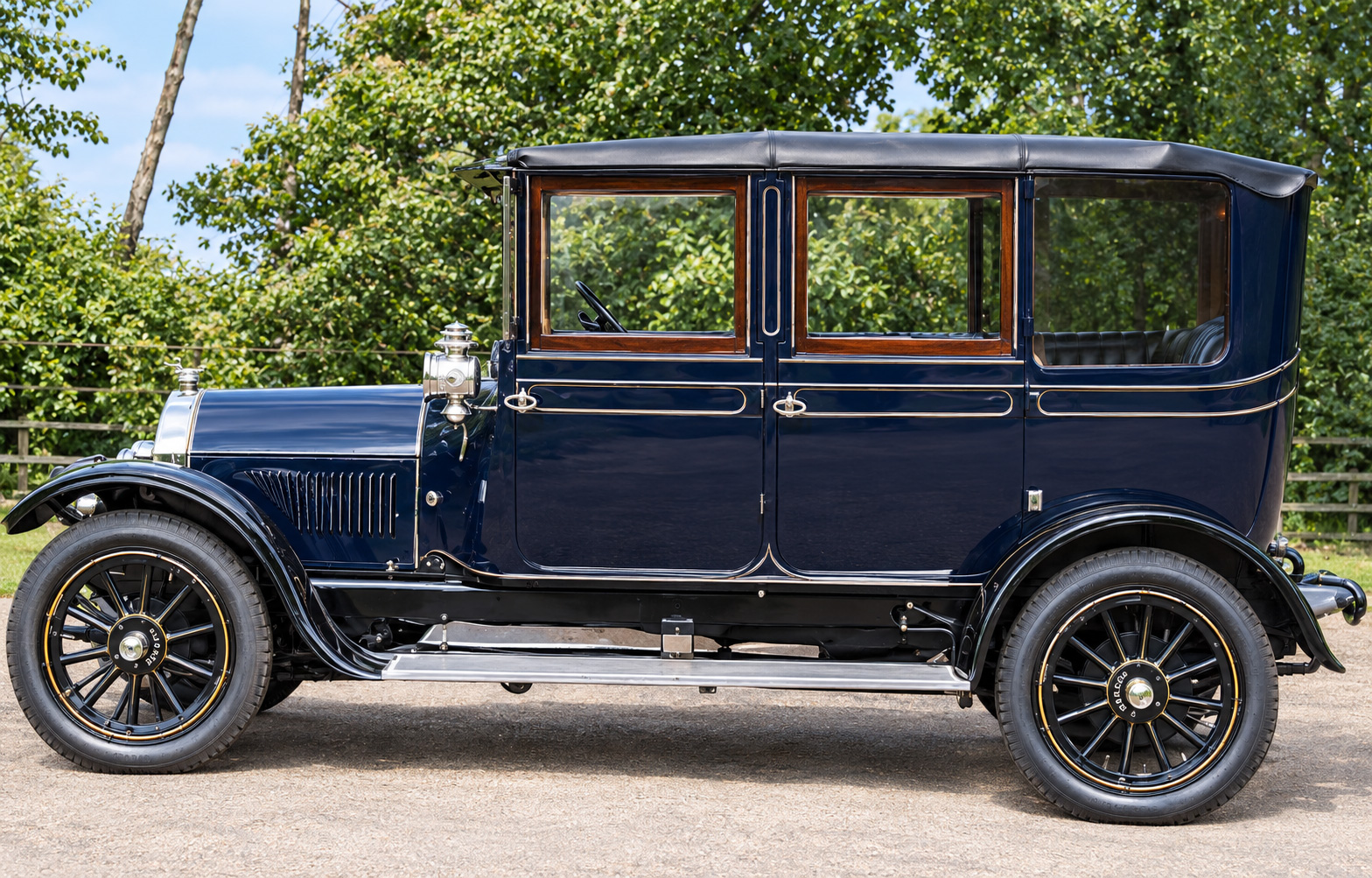
Ryknield motor company ran into financial difficulties and was taken over by the larger Baguley company whose main operation until then had been steam locomotives but they had an interest in producing motor cars and road vehicles. By the time the business had ceased, it had progressed to making cars such as this beauty made for Messrs. Bass & Co.

Ryknield car built for Mssrs. Bass & Co. 1911

Thornewill Family

Thomas Thornewill (senior) was baptised in Burton Parish Church on 4th October 1719, the son of Thomas and Elizabeth Thornewill.

The Thornewill firm dates back to at least 1732 making iron goods. Thomas Thornewill (junior) was apprenticed in that year, at the age of thirteen.

Thomas Thornewill (senior) married Elizabeth Astle on 20th October 1746. She was the widow of Francis Astle, a noted local feltmaker and hatter who had died in 1735. He had left most of his properties to his wife Elizabeth (by a will of 20th May 1735), including a freehold house, on the south side of New Street. She was to have the use of this house for the remainder of her life, and it was then to be sold by Astle’s executors, Thomas Towndrow (gentleman) and John Downes (feltmaker), and the proceeds invested in land worth £5 a year to provide clothing for four poor boys of Richard Allsop’s Charity School in Burton.

Thomas Thornewill of Burton, now listed as ‘Edge Tool maker’ settled the property and its contents to Elizabeth, so that if he died they would pass to her. In 1751, Thomas leased a garden adjoining his freehold property on its eastern side, from William Jordon (cooper) for an annual rent of six shillings. This is significant in that it was the first move towards an expansion of the Thornewill property between New Street and Park Street (which was then known as Pinfold Lane).

Elizabeth, Thomas Thornewill’s wife, died in 1755 and it became the duty of Francis Astle’s executors to dispose of the freehold property in accordance with his will. The freehold property was advertised for sale in the “Derby Mercury”. Thomas Thornewill of Burton and his brother Francis of Clay Mills, both now listed as ‘Edge Tool Makers’ purchased the freehold property in New Street from Thomas Towndrow, the surviving executor or trustee of Francis Astle, for the sum of £140.

By 1760 the Thornewill brothers had established a small business there still making edge tools such as axes, knives and spades. From this time on they began to systematically expand their property in New Street whenever the chance arose. It was not however, their only business interest. A reference to Clay Mills in a 1760 indenture shows that the Thornewills were already in possession of the Forge Mill there. This was sited on the Mill Fleam, a watercourse branching from the River Dove, on or near the site of an old water corn mill. The exact dates when the Thornewills leased the mill and opened the forge are not known, but were probably around the year 1740.

Water power was needed for working the bellows and hammers in the forge and also to operate rolling and slitting mill. The forge usually consisted of a “finery” in which the iron was hammered into blooms and a “chafery” in which the blooms were reheated and beaten into bars. In the rolling and slitting mills the iron was rolled into sheets and then cut into rods ready for the nailers. The Thornewill’s forge may not have had rolling and slitting mills attached in 1760, but it certainly had in 1807 when they purchased the premises outright.

In 1760 about 25,000 tons of iron were imported annually into England (approximately 50% of the requirements) mainly from Russia and Sweden. The Thornewills used this imported iron, which they purchased from the Burton brewers of the time, such as Benjamin Wilson, John Walker Wilson and Samuel Sketchley. The brewers normally accepted some iron, flan or timber as part payment for the beer that they exported along the Trent to the Baltic countries.

Thomas Thornewill (ironmonger and spademaker) leased the White Hart Inn in High Street from the Earl of Uxbridge on 23rd September 1769. Later in the year, he sub-let a house and garden on the north side of New Street (which he previously leased from the Earl of Uxbridge) to John Shorthose (turner). In a property lease of 1770 John Shorthose is described as a spademaker and was an employee at the Thornewill works in New Street.

In March 1772, Thomas and Francis Thornewill leased from the Earl of Uxbridge, two further tenements and a garden to the east of their freehold property, and also a property to the west. Ever expanding, Thomas also leased land at Stretton, including some waste land near the forge.

By 1778 the Thornewill’s business had grown considerably. They were in possession of extensive properties in Burton, particularly in New Street, and at Clay Mills, Stretton. They were purchasing large quantities of imported iron, (for example, in August, 1778 Thomas Thornewill bought 658 iron bars imported by John Walker Wilson from St. Petersburg, Russia, for £273 7 6) and were manufacturing considerable quantities of spades, iron hoops, iron plate and other forms of hardware. They were probably the main suppliers of iron hoops to the Burton brewers of the time, and this was no doubt the way in which the firm developed as brewery engineers.

At the beginning of 1784, Thomas Thornewill made his will, and in this he left his leasehold properties to his daughter Sarah Spiers. After Thomas’s death Sarah sold the property lying to the east of the freehold property, to George Wood for £125, and it was not until 1834 that the Thornewills were able to buy it back from George’s son William. The Wood family, together with William Shorthose, Philip Port and William Smith were also, at this time, eager to acquire land on the south side of New Street, where they operated (approximately 1775 1835) a large screw making works. No doubt the Thornewills supplied this firm with iron.

Thomas Thornewill (senior) died in 1786 and the firm came under the management of Thomas, his son, and Francis, his brother.

In the same vein as his father, in 1801, Thomas Thornewill leased two more properties on the South side of New Street.

Francis Thornewill made his will in 1805 which showed that he was a man of considerable wealth. He left the bulk of his estate to his sons, John and Francis, but he was still able to leave £500 to his daughter Anne; and £200 to his grand daughter Anne Neal. He died just 2 years later in 1807 having done much to build up the business. He had also been one of the Townmasters in 1792 and was a Feoffee in 1794.

In March 1807, Thomas Thornewill (junior) purchased outright for £3,220, extensive properties and rights at Clay Mills from the Earl of Uxbridge. These included:
(a) “Cliffcroft” 7 acres of land containing Dove Cliff House, that was built for him about 1700, gardens, plantations, pleasure grounds, etc.
(b) Clay Mill forge with “all those iron works and all the slitting mills, forges, warehouses, buildings and works belonging thereto”.
(c) A warehouse and tenement near the Grand Trunk Canal in Stretton.

The Grand Trunk Canal had been opened in 1770 and was a considerable improvement on the Trent navigation.

By 1811, Thornewill’s were operating a forge at Wichnor as well as at Clay Mills. At the latter there was also a foundry and an iron casting house.

In the 1818 edition of the Bradshaw & Parsons Directory of Staffordshire, there are two Thornewill listings, the new one being in New Street. These appeared as:

  • J. & F. Thornewill spade manufactures.
  • John Thornewill & Co. merchants.

Although not listed in the Directory, Thornewill & Co. also held the forge at Stretton (Clay Mills) and William Gretton was the iron master there. At the time, there were also recorded living in the area around the works an iron founder, a foundry man, three spade makers, end three nailers, in addition to six patten ring makers and fourteen screw forgers who worked at the nearby screw mill.

By 1834, the Bradshaw & Parsons Directory had pretty much been replaced by The White’s Directory of Staffordshire. The listed had changed slightly to:

  • John & Francis Thornewill Iron and brass founders and spade manufacturers.
  • John Thornewill & Son Iron Merchants.

In 1835/36 the leases for the New Street properties were successfully renewed. By 1837, most of these premises together with the freehold property were in the possession of Robert, John and Francis who were now running the business.

By 1837, Thomas Thornewill made his will. By this time, he was 77 years of age and had taken little part in the running of the business for some time. A few of the main clauses of his will illustrate the considerable wealth that the Thornewill family had acquired since 1760 when Thomas (senior) and Francis (senior) had raised the £140 to buy the freehold premises in New Street. It listed:

  • To Mary, his daughter £3,600.
  • To Ann Fenwick (daughter) £3,700.
  • To Jane (daughter) £3,100.
  •  To Frances Hewitt (daughter) £1,000 q + £2,700 in trust.
  • Residue from the sale of two farms at Yoxall and Hadley End, and other estates; personal effects; and Dove Cliff House, together with the nearby forges, workmen’s houses furnaces rolling and slitting mills, watercourses, weirs, fisheries, and adjoining lands, all to pass to Edward, his son.

During 1839, the New Street premises were further extended and the firm constructed a number of new buildings on its existing land. A large area of land extending to Pinfold Lane was also purchased by Robert Thornewill from Thomas Lambert and in 1840, the date above a new archway marked the alterations.

A large two storied building was built in 1845. Mr. William Jones, the tenant of the neighbouring property, wrote a letter to Robert Thornewill complaining about the number of windows in the upper storey of the new building.

On 1st Feb 1847, Robert Thornewill purchased the leasehold premises, to the west of the freehold property, from Thomas Cooper. These very old premises had, for the previous one hundred and fifty years been used by Francis Astle, Thomas Cooper and others, as a hat factory. At a later date the houses were demolished or extensively modified to form the present offices.

An Indenture of partnership between Robert Thornewill and J.R. Warham (engineer), now described as engineers, ironfounders and iron merchants was signed on 2nd July 1849

Robert Thornewill purchased a piece of land adjoining the west side of the works in Park Street from William Wood in 1852. This meant that the site now occupied a complete 2 acre plot of land between New Street and Park Street.

It was probably about this time also that the business changed considerably in the types of goods that it produced. From its beginning to about 1845 it was little more than a hardware firm making iron, copper, and brass goods for use locally, particularly in the Burton breweries. From 1845 onwards it became an engineering firm in the true sense, and it is significant that Bagshaw, in his Directory of Derbyshire of 1846, lists the firm of Robert Thornewill of New Street iron and brass founders and steam engine makers. These early engines were probably sold mainly to local collieries and breweries.

The 1851 White Directory of Staffordshire, stated that Thornewill and Warham Iron foundry and Engine and Machine Works in New street “employs 75 men and 25 boys”. He also mentioned that Thornewill & Co. had an ironworks at Clay Mills, and that Edward Thornewill lived at Dovecliff House, Rolleston.
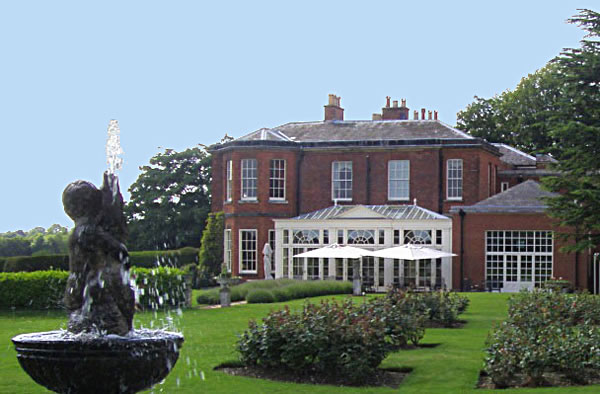
Dovecliff House, Rolleston

Robert Thornewill (senior) died in 1858 and his share of the business passed to his wife Martha Hammond Thornewill (neé Wright), in accordance with his Will of 20th Feb 1856.

An article in The Burton Weekly News of 30th March 1860 stated “apart from brewing, the only considerable manufactory now is Messrs Thornewill and Warham’s iron foundry and Engine and Machine Works.”

By this time the firm was producing approximately fifteen to twenty steam engines annually. These consisted of pumping, haulage and winding engines and tank locomotives which were sold mainly to collieries in Derbyshire, Leicestershire, Staffordshire and Warwickshire. A few were sold to Burton breweries and to ironworks and lead mining companies in the Midlands.

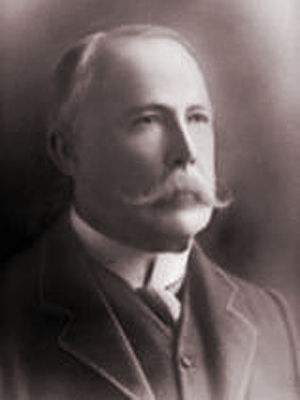
On 25th November 1868, the partnership of M. H. Thornewill and J. R. Warham was dissolved to allow Robert Thornewill pictured above (son of Robert Thornewill (senior) who had died in 1858) to enter. At this time the property, stock and other assets of the firm were valued at £43,048 1 6 of which M. H. Thornewill held £27,720 15 7 and John Robson Warham £15,327 5 11.

Under the new partnership agreement J. R. Warham was to control 6/12ths, M. H. Thornewill 5/12ths, and R. Thornewill 1/12th of a total capital of £44,000.

At the end of 1878, Thornewill and Warham purchased a piece of land with a number of properties, on the corner of Lichfield Street and Park Street, from Frederick Gretton, a brewer of Burton, for £2,500. It adjoined John Bell’s brewery on its north east side. In 1879 some of this land was sold to the Midland Railway Co., who built a line through Thornewill and Warham’s premises from the south side of Station Street to the Bond End Railway.

Two years later, in 1880, Thornewill and Warham purchased property on the south side of New Street, to the west of their own premises, from the Trustees of G. R. Bircher. This consisted of premises fronting New Street, originally an inn known as the Old Queen’s Head, and 423 sq. yds. of ground to the rear.

In approximately 1885 Thornewill and Warham exported three engines to Japan to be used for winding and hauling at Taskanna Colliery. After 1885 the number of engines made for export increased considerably the following extracts from the firm’s order book illustrates this:

  • 1886 Two pumping engine for a sewage works at Buenos Aires, Argentina.
  • 1889 Two engines for pumping and winding to the Taeping Colliery Co. in China.
  • 1892 Winding engine for the Dundee Coal Co. in Natal, South Africa
  • 1897 Pumping engine for a Gold Mining Syndicate in British Guiana.
  • 1902 Winding engine sent to the Rajah of Sarawak in Borneo.

Not only did Thornewill and Warham considerably expand the extent of their market, they also greatly extended the range of their manufactures. By 1880 they were producing a full range of brewery equipment, including various types of refrigerators, and indeed were capable of producing all types of machinery and metal goods.

On 26th March 1886, J.R. Warham died, leaving his share of the business to his wife, Anne Jane Warham of Birmingham, and to his son, William Warham (gentleman) of Seaham Harbour, Co. Durham. M.H. and Robert Thornewill purchased these shares and thus the business became an entirely family concern again after a break of 37 years.

In 1889, Thornewill and Warham made the contribution to Burton for which they are best known… having built the Andresey Bridge by special commission, they were commissioned by Michael Arthur Bass (later to become Lord Burton) to build the Ferry Bridge. The Ferry Bridge was opened on 3rd April 1889, and the viaduct linking it to Bond End added a little later at the total cost of just over £10,000. A few weeks later on 24th April 1889 Martha Hammond Thornewill died, and her share of the business passed equally to her three sons, Rev. Charles Francis, Robert and Arthur, in accordance with her will of 1st Feb 1889. Charles Francis sold his share in 1890 and Arthur his in 1893, leaving Robert in control of the business.
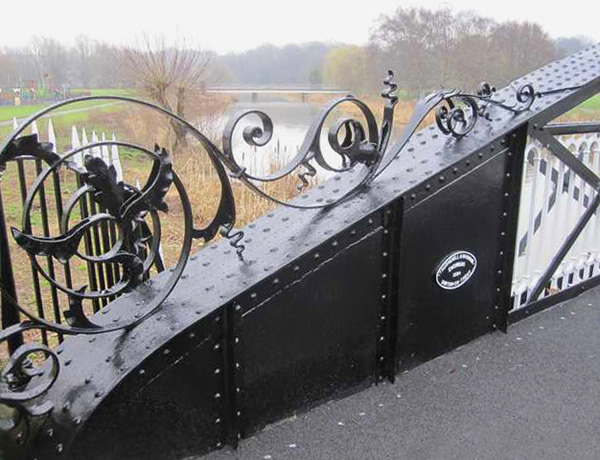
Andresey Bridge
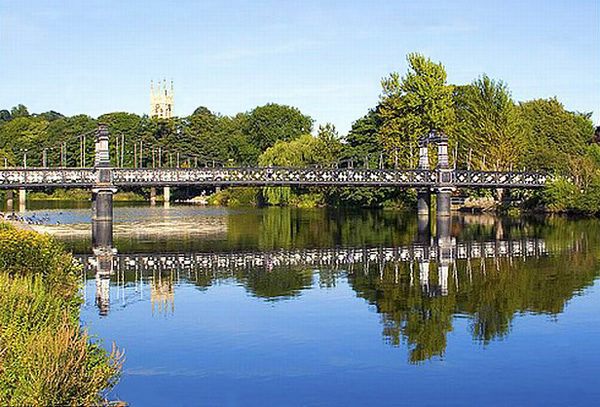
Ferry Bridge
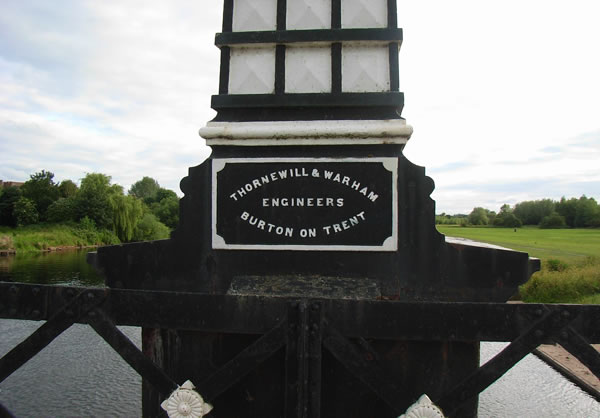
By 1895 Thornewill and Warham were manufacturing approximately twenty steam engines a year. Between 1870 and 1895 they made 500 (including locomotives). Of the 329 that can be traced in the engine order book they were installed in the following types of works:

  • Collieries 202
  • Breweries 50 + 16 locomotives in Burton breweries
  • Waterworks 12
  • Ironworks 10
  • Potteries 10
  • Engineering 6
  • Sewage Works 5
  • Railways 4
  • Gasworks 3
  • Quarries 3
  • Lead mines 2
  • Building works, brickworks, canal company, flour mill. dock company and woodworks 1 each.

In 1907, assignment of the business changed from Robert Thornewill Esq. to Thornewill and Warham Ltd. Robert Thornewill died in 1914, leaving two daughters, Ella Violet and Kathleen Hamilton

1919 marked the end of an era when Thornewill and Warham Ltd. went into liquidation and a new company of the same name was formed. This was purchased by S. Briggs & Co. Limited which remains successful today but was moved from the New Street premises to new premises in Derby Street to make way for the Octagon Shopping Centre.
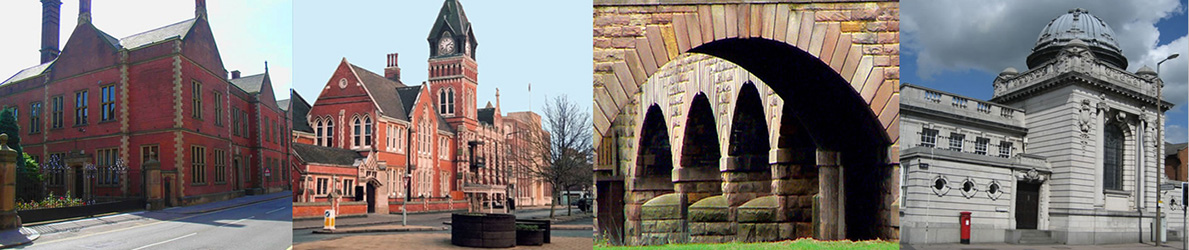
W H Mason & Son

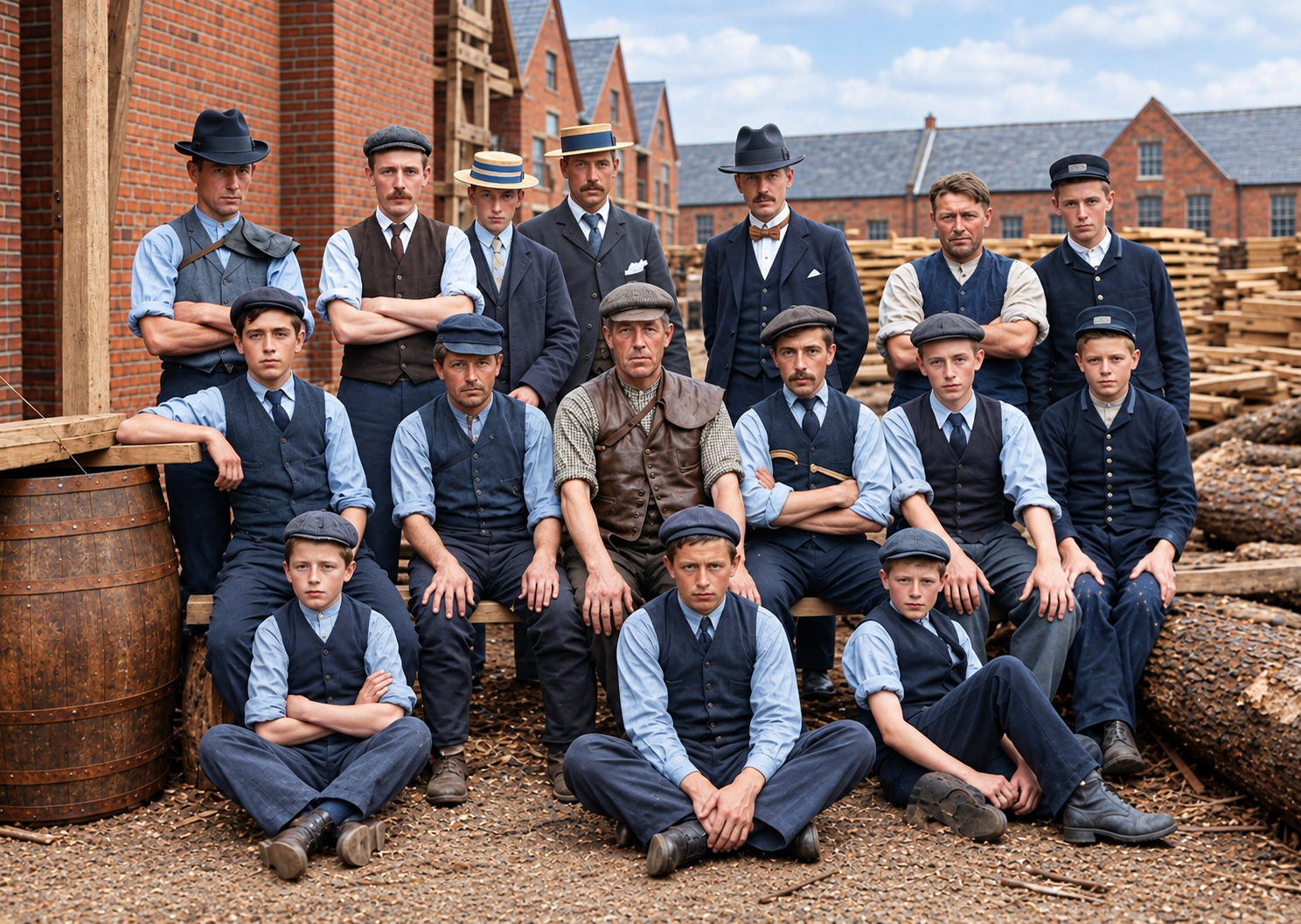
W H Mason & Son was established William Mason, brother Walter, relative Henry Mason, who previously had hiw own carpenter business, and a fourth partner in 1897. It was located in a mill on Hawkins lane where it was to remain until 1952.

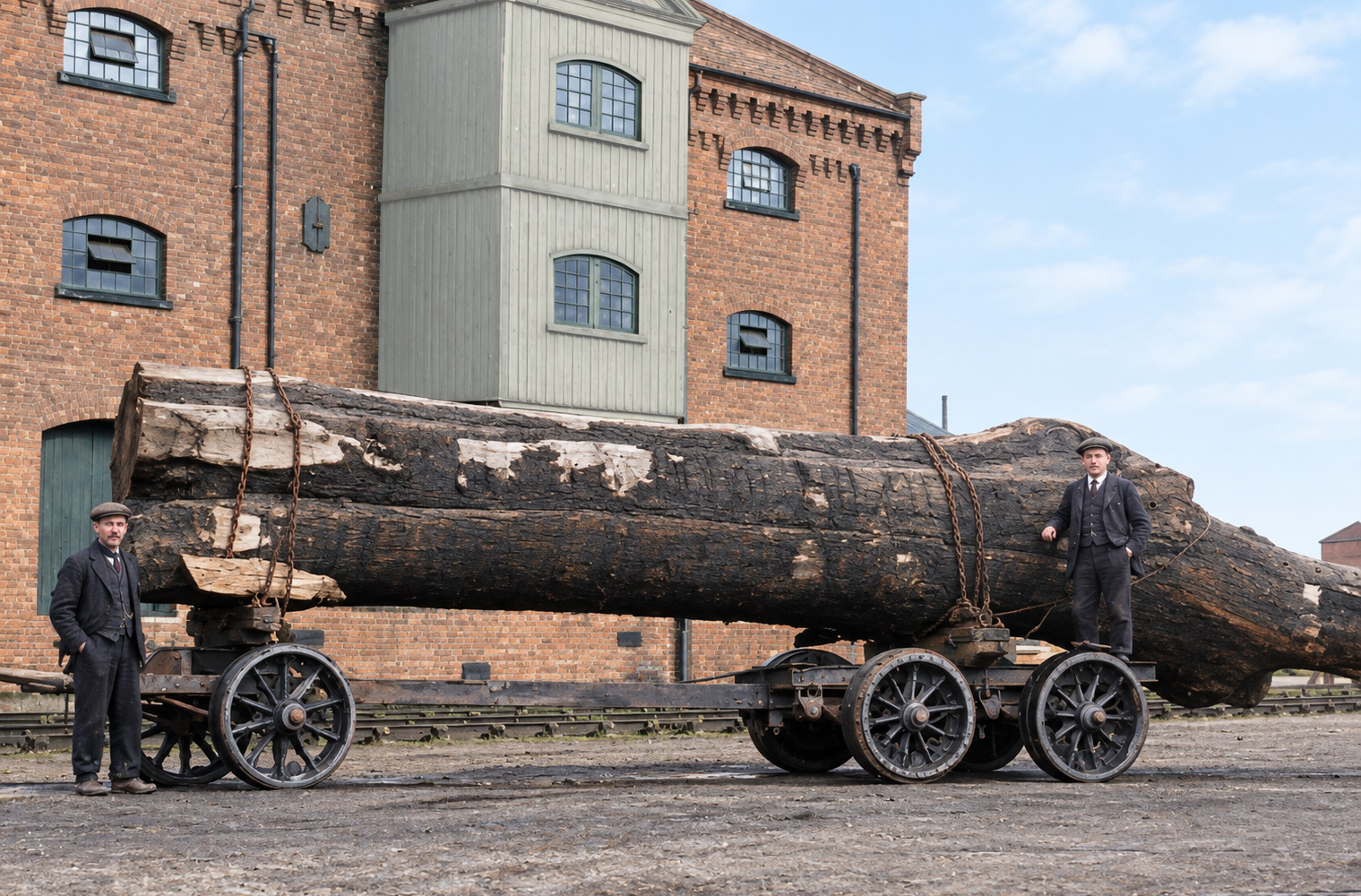
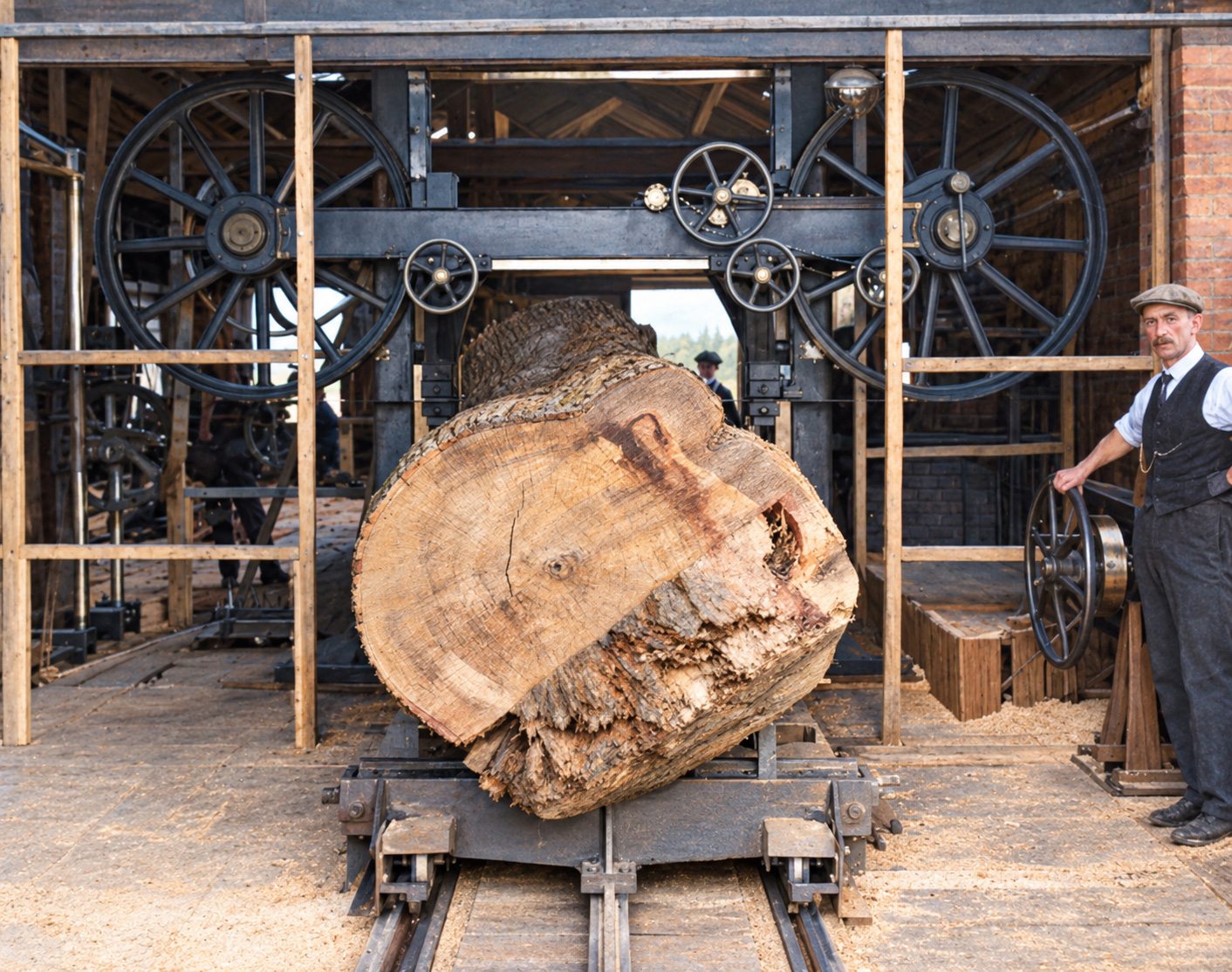
Felled trees were purchased and transported to the mill by a heavy horse drawn trailer ready for sawing. The mill only employed around 16 people so some heavy manoeuvring was required.


New tree acquisition


Ready for the saw

Some years later, a wood lathe was installed and woodturning became a significant part of the business largely servicing the many breweries in the town.

The company still exists which makes it one of the oldest businesses in town which has to be something to be proud about.