The Ryknield Engine Company was established in 1902 with purpose built factory and offices on Shobnall Road with prominent date-stone on the face of the building. The original intention was simply to build both steam and petrol engines for road vehicles.
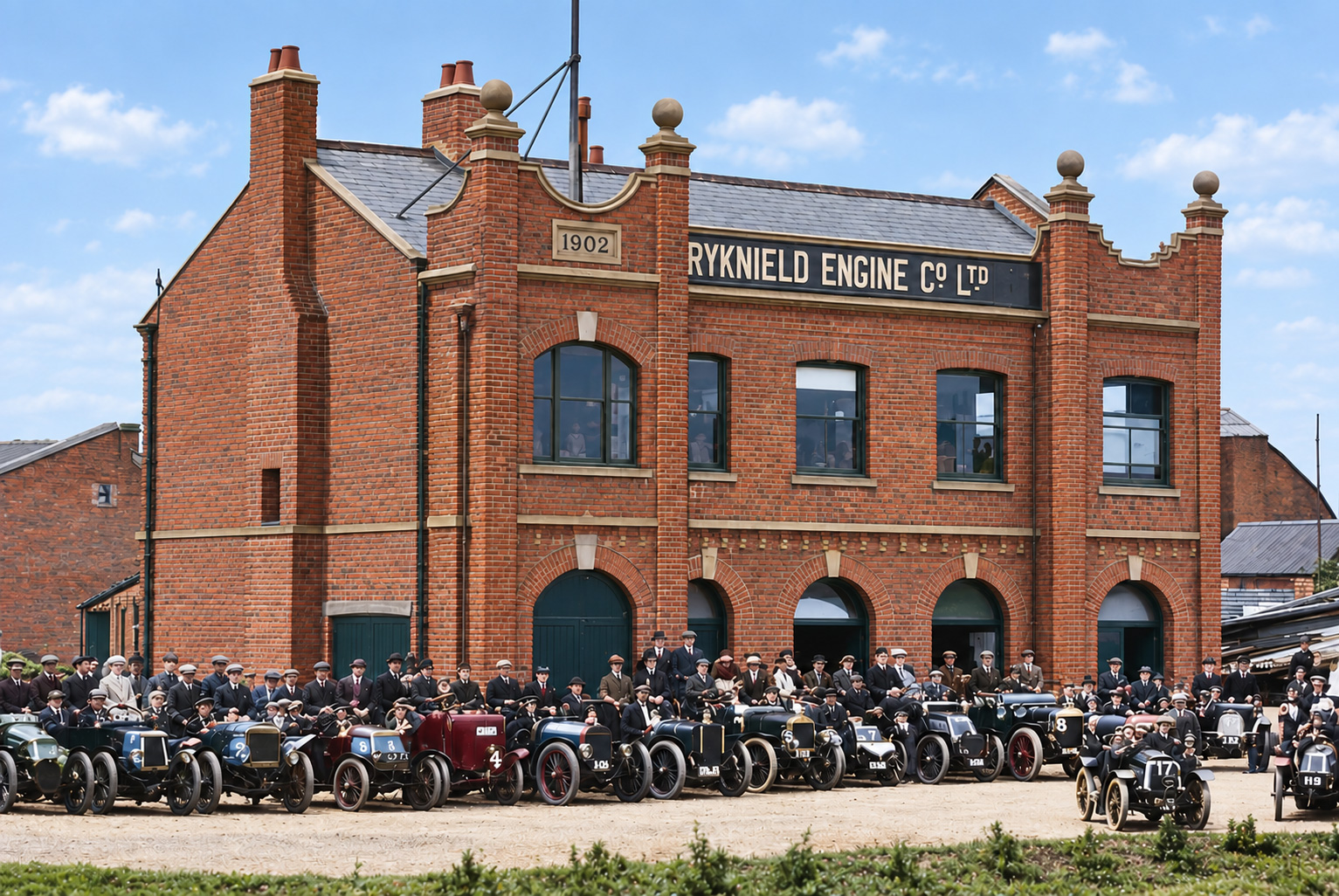
The Shobnall Road factory during a vehicle exhibition c1905
Ernest E. Baguley, who had been an apprentice in the rail industry, saw the potential of the motor car and in 1901 he designed a steam-engine for a motor car whilst employed as an engineer with W.G. Bagnall Ltd. They did not share his enthusiasm so he left to join the newly formed Ryknield Engine Company as manager in November 1902.
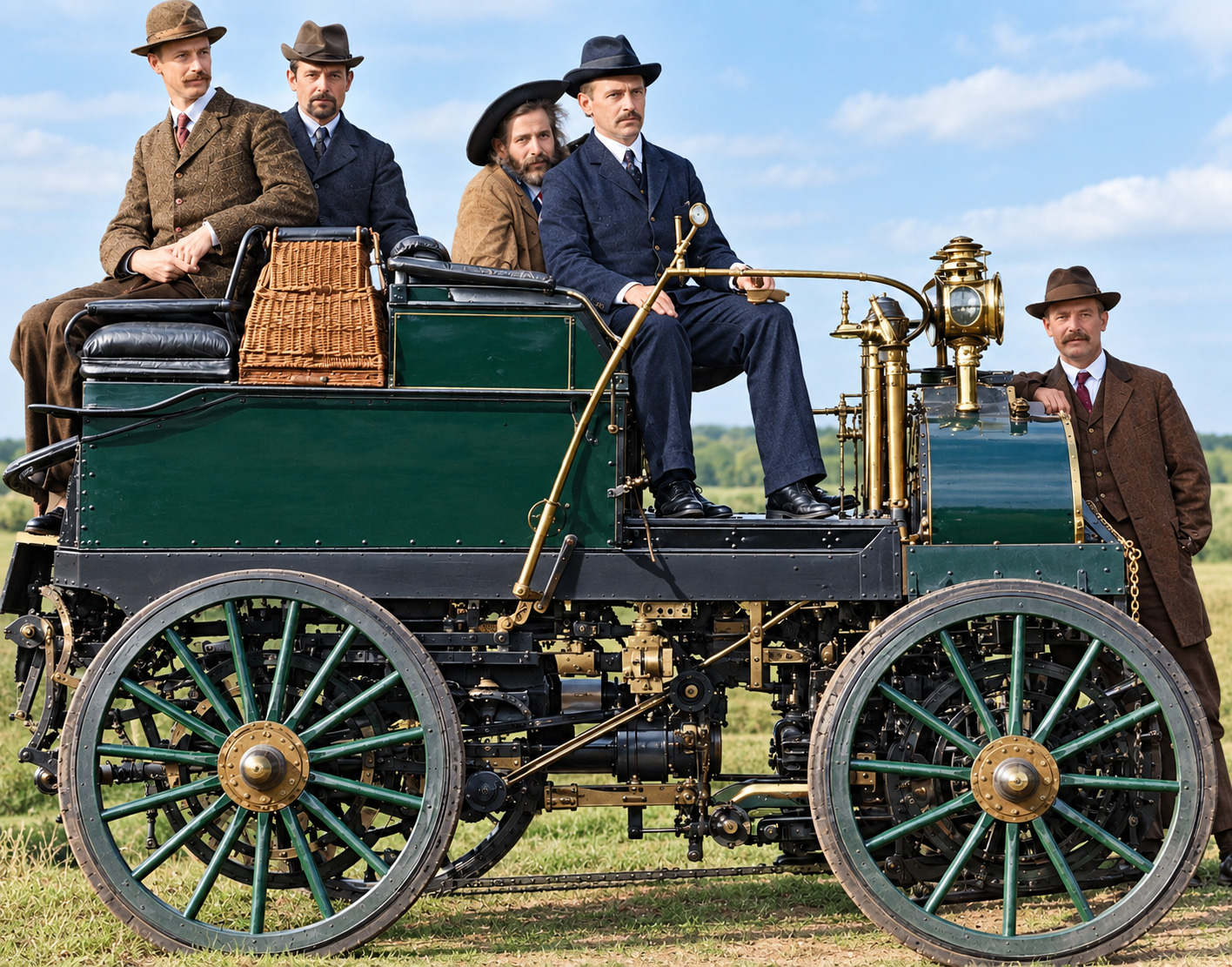
The first ever Ryknield steam powered car. 1902
However, the company quickly realised that for road vehicles, petrol internal combustion engines was the future. In 1903, the company primarily targeted the cheaper end of the market, and produced an almost 10-horsepower car. Such power required the all important steering wheel mounted horn.
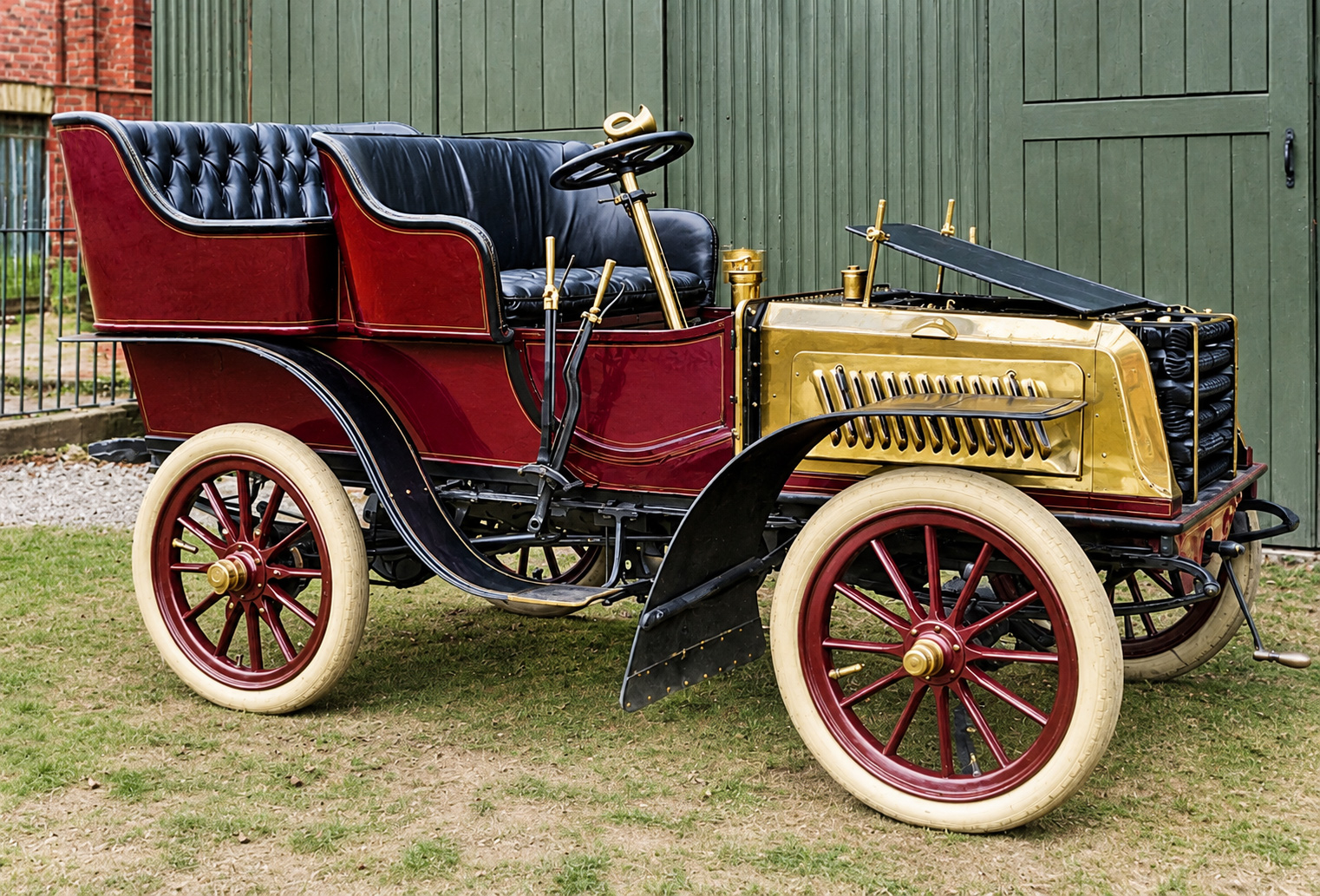
This quickly got refined and within a year, the company was producing a much more refined looking car such as below.
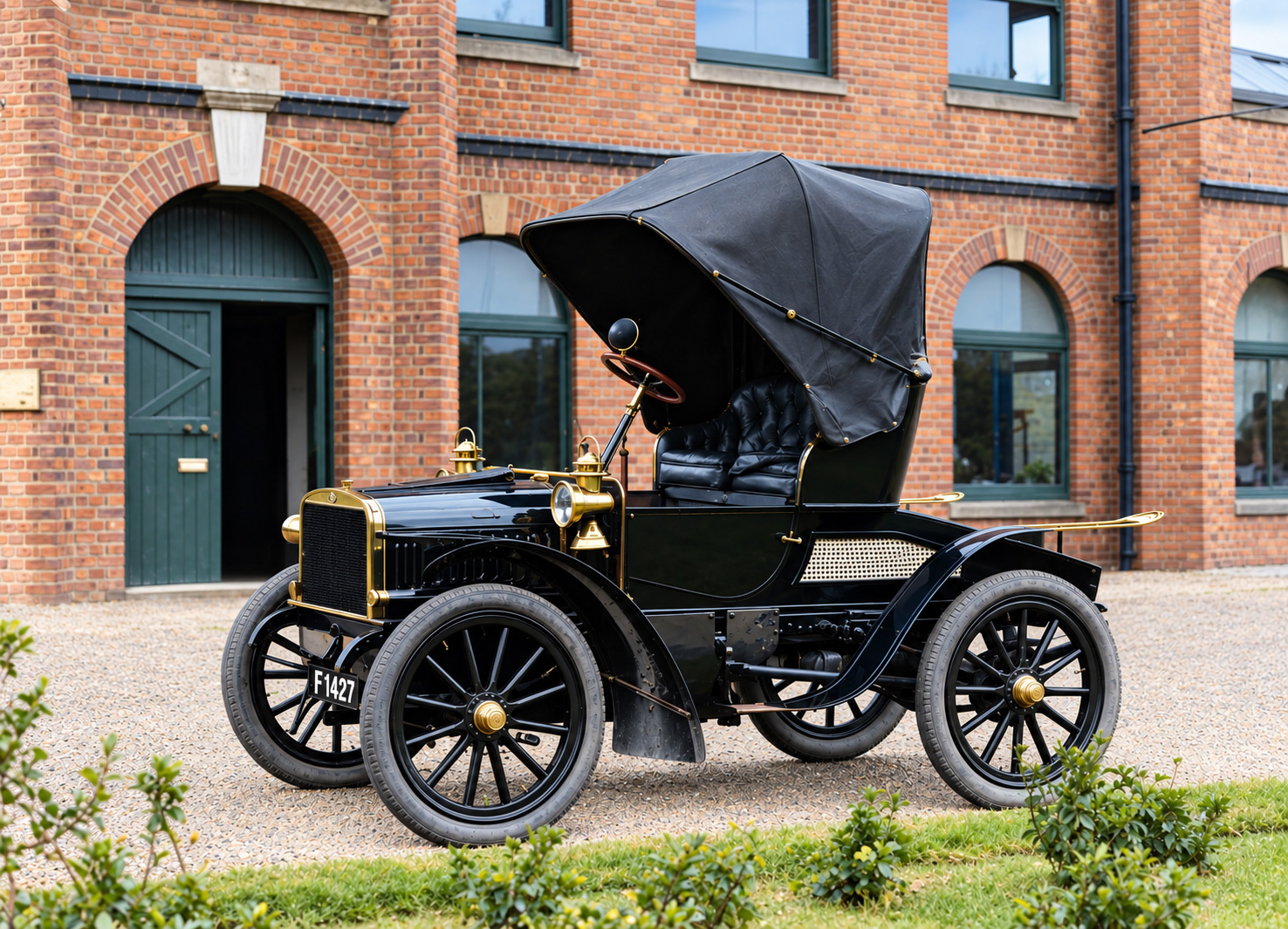
Ryknield petrol car 1903
Things developed at breakneck speed. No waiting years for the new model, pretty much every car was a further development of the last. There was now room for more than one passenger and the horn was mounted in a much more sensible place.
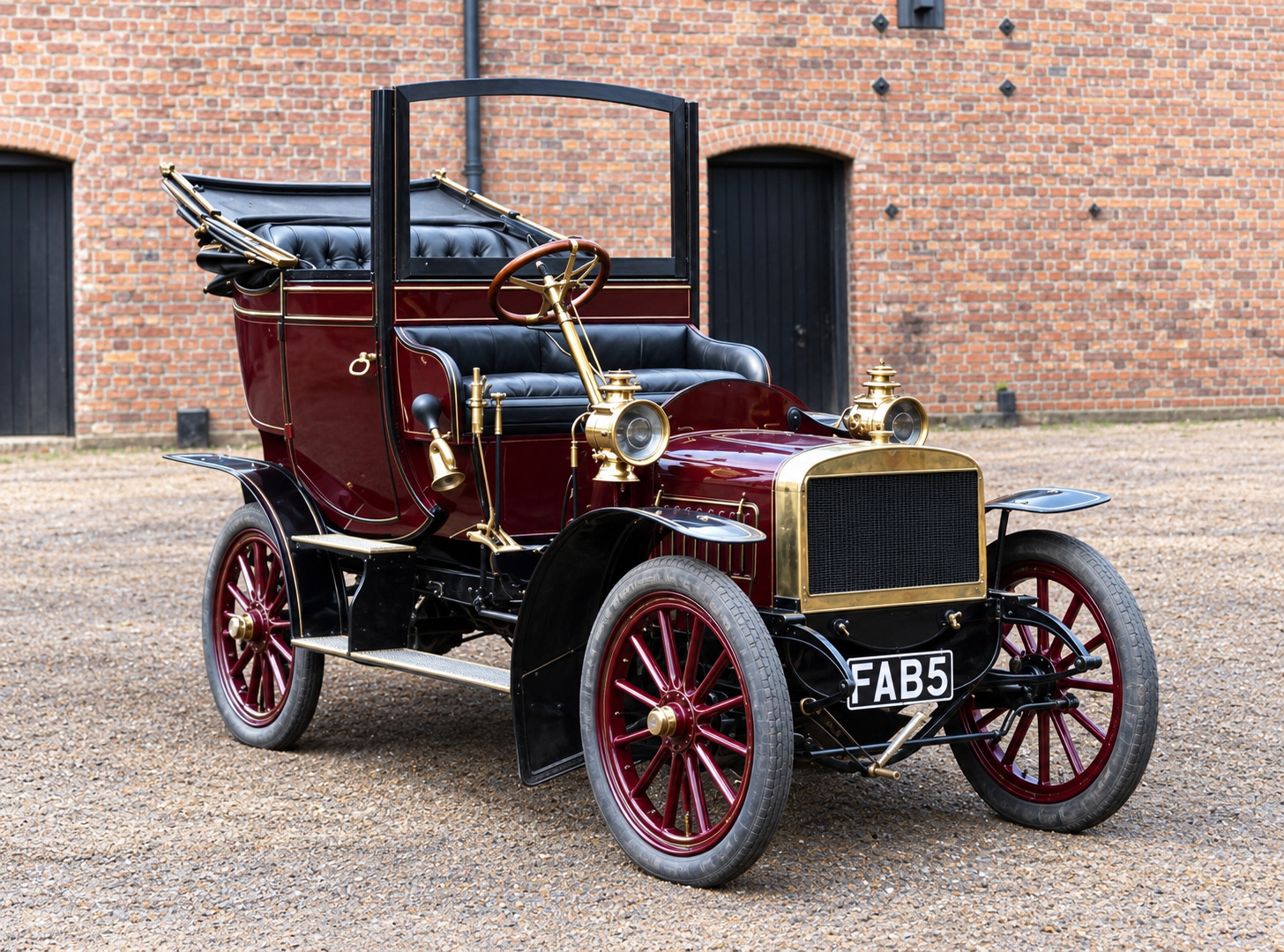
Rykield car 1904
A year later, the engine power had increased and the driver back support had improved after complaints of discomfort. This example was particularly fetching after the owner had requested sporty (well, different coloured) wheels.
In 1905, one of the by now 15 horsepower cars was entered into the International Tourist Trophy by Arthur Clay, and was one of only eighteen cars to complete the endurance race. Despite this, by the end of the year, the company was experiencing financial difficulties and was eventually sold to Wilfred Clay.
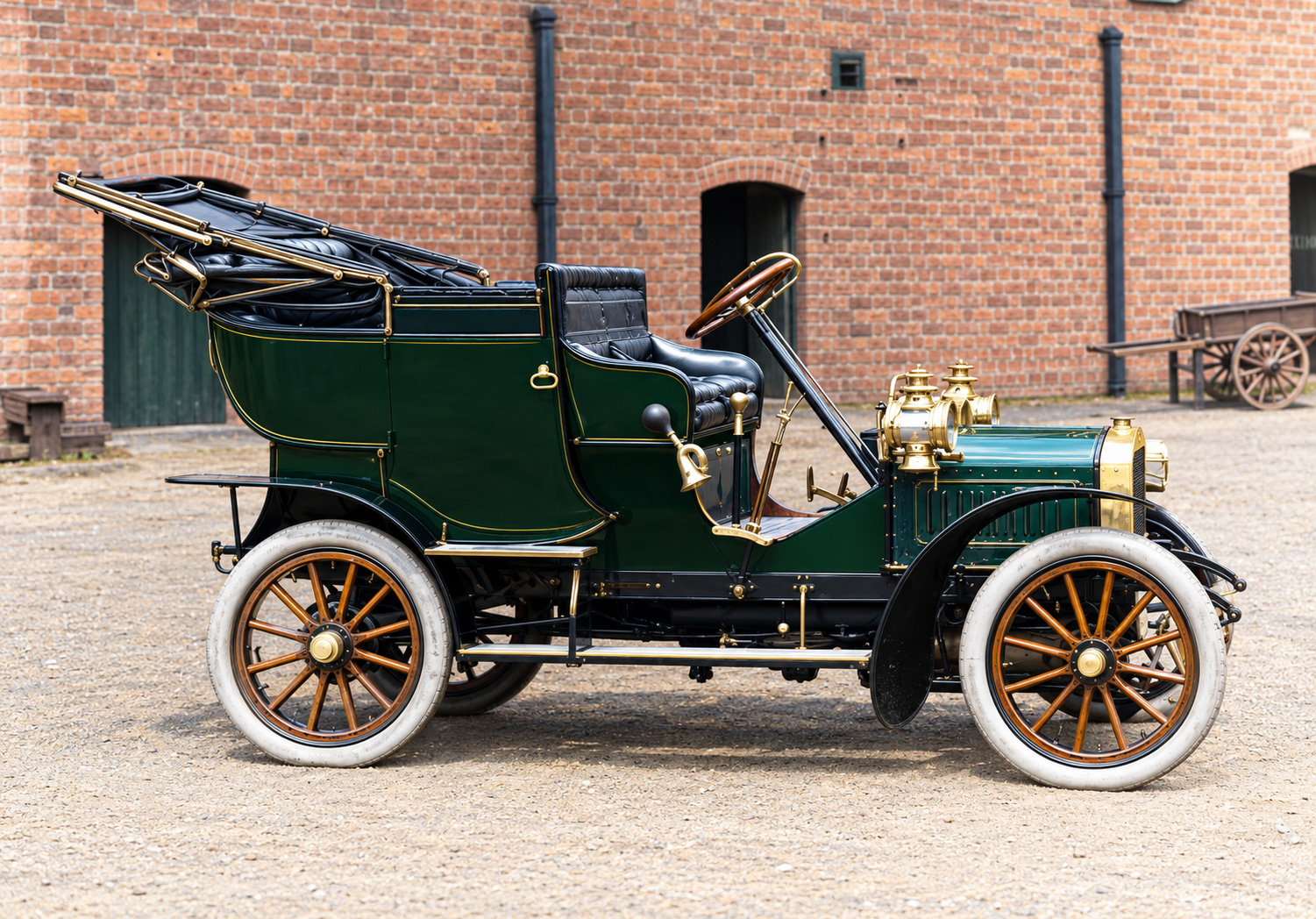
Ryknield car 1905
Under new management, the company branched into commercial vehicles.
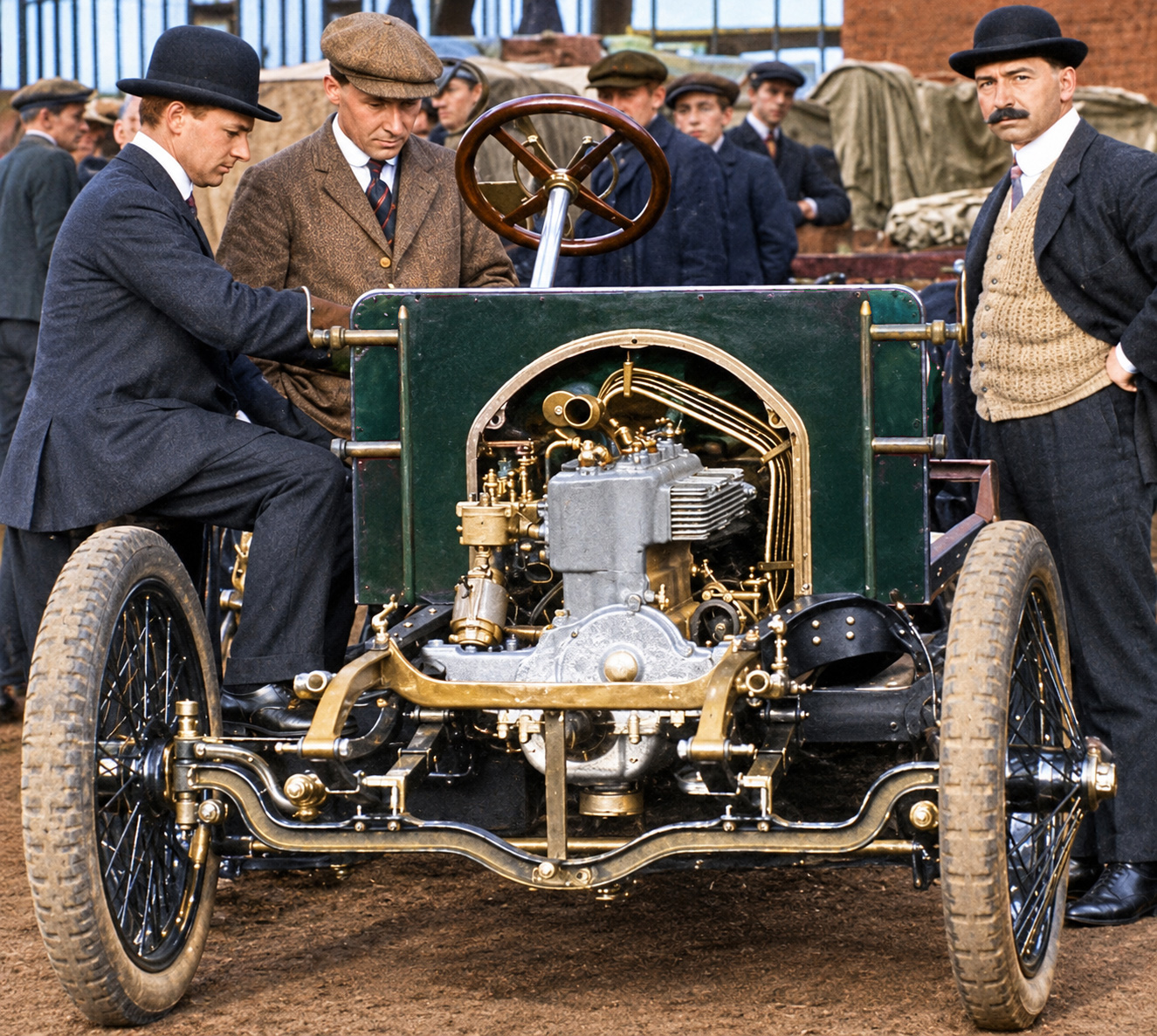
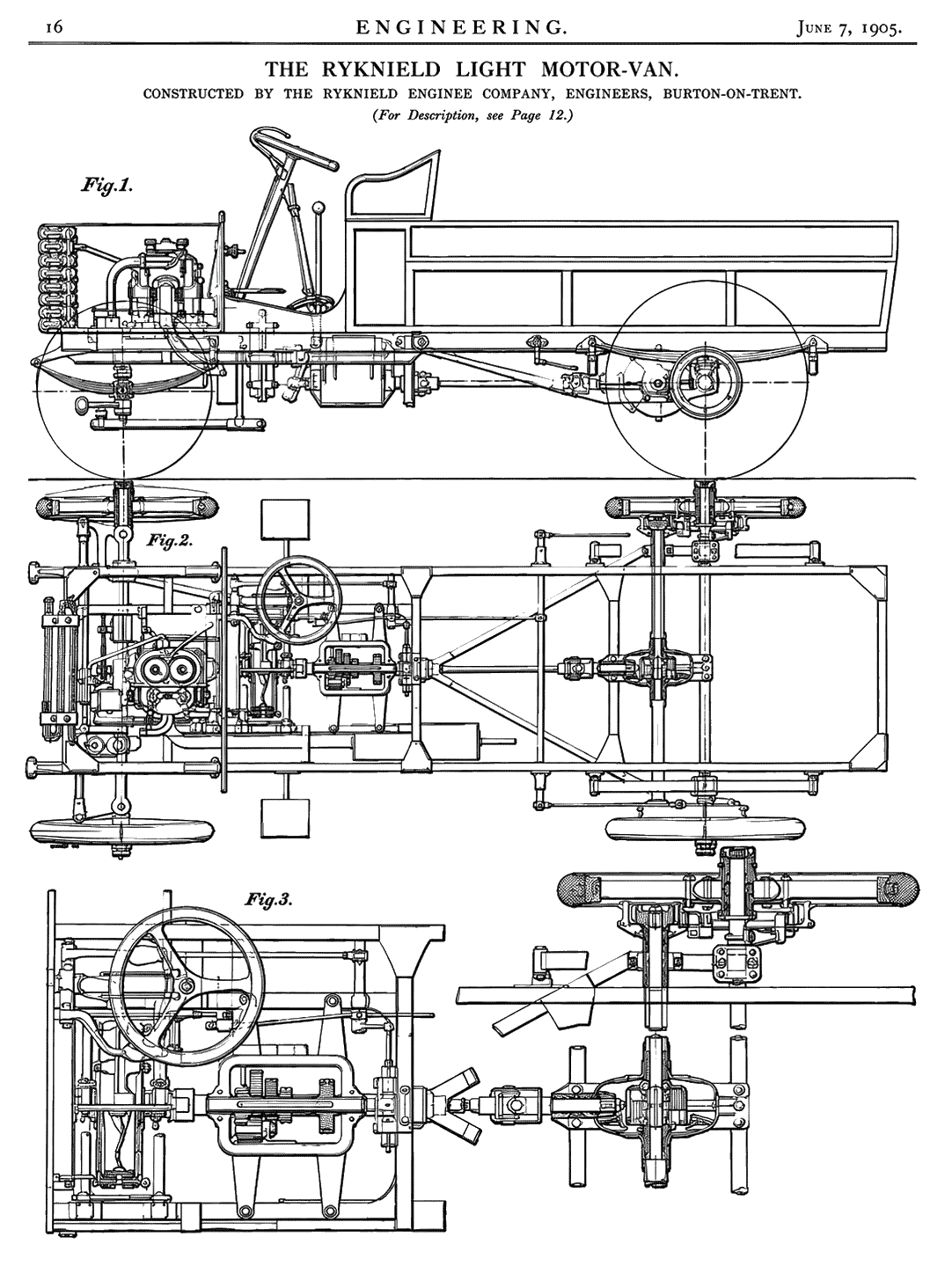
With connections to the Clay family and a number of booming breweries, there was a healthy market demand. The chassis from the 10-15 horsepower car was adapted to a one ton light van which was quite successful.
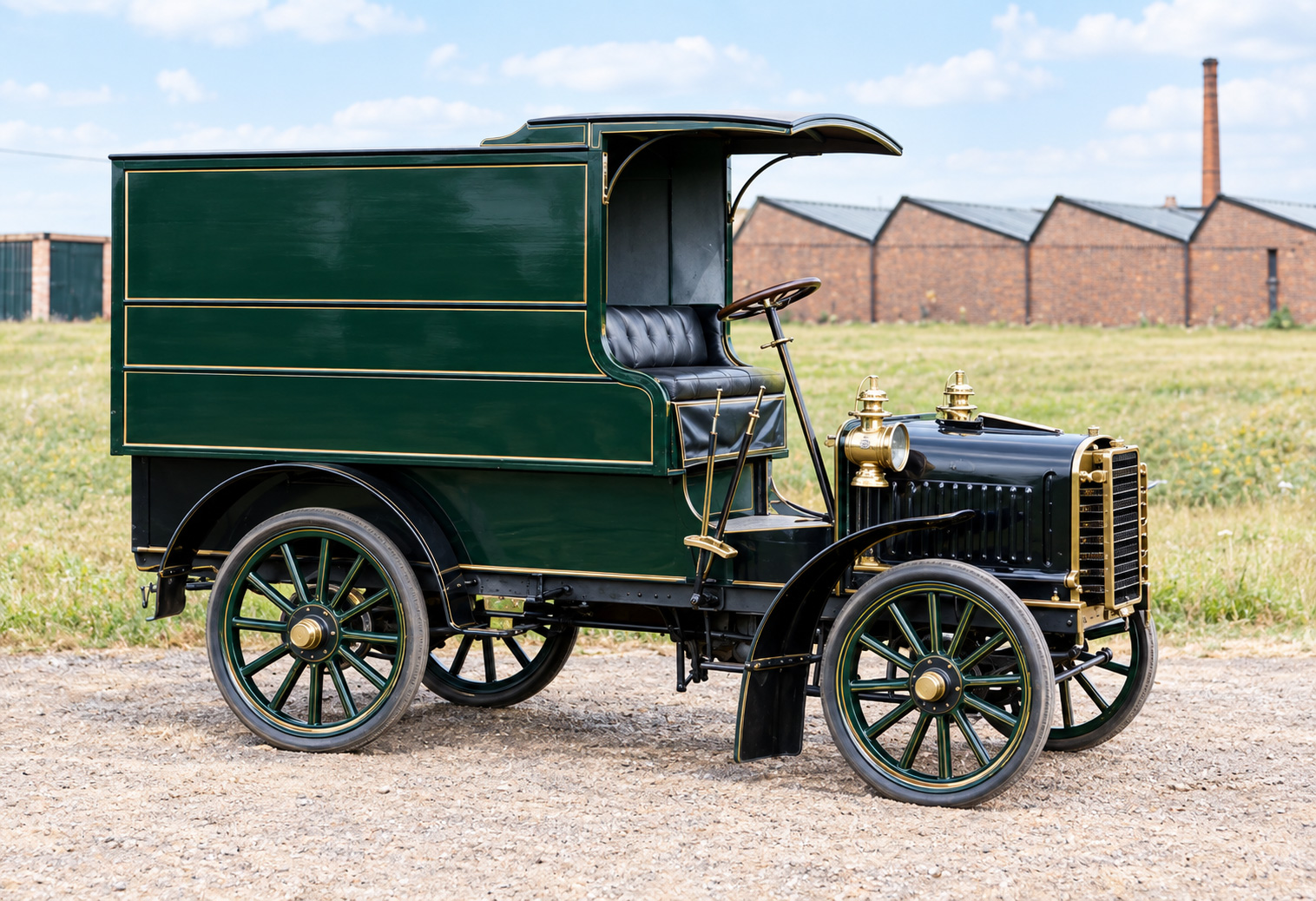
Ryknield light van
One of the first Ryknield light vans to be built can be seen above still awaiting its custom livery for its proud business owner.
Ryknield Motor Company built the first passenger carrying bus to run in Burton in November 1907. Interestingly, it did not belong to Burton Corporation. It was built and operated by the company itself as an experiment to see if transport available to the fare paying general public could prove to be financially successful.
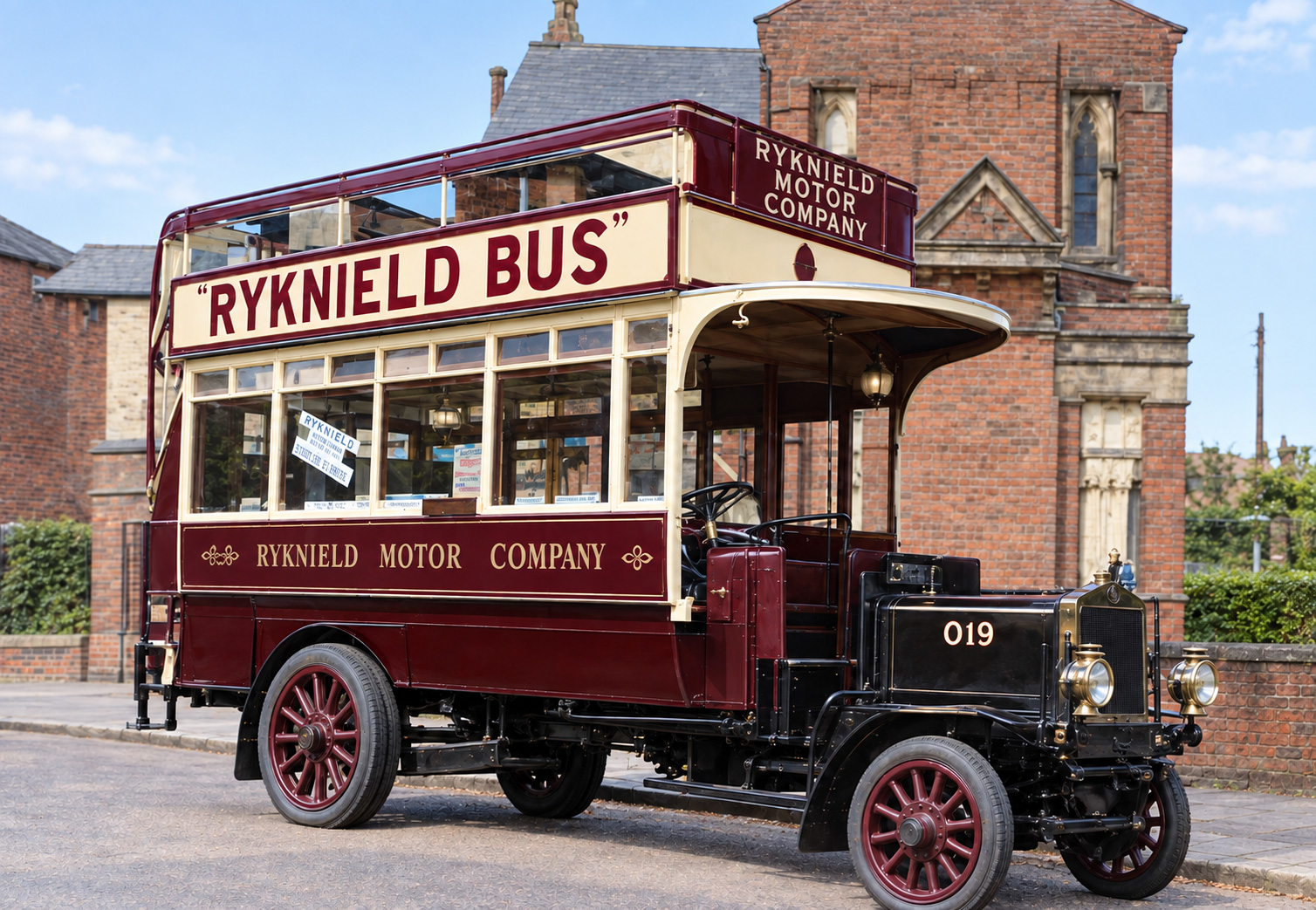
Ryknield petrol bus. 1907
It could seat 36 people, had 32 inch diameter wheels at the front and 40 inch at the rear but could only muster 40 hp which might have made Bearwood Hill a bit ambitious when full.
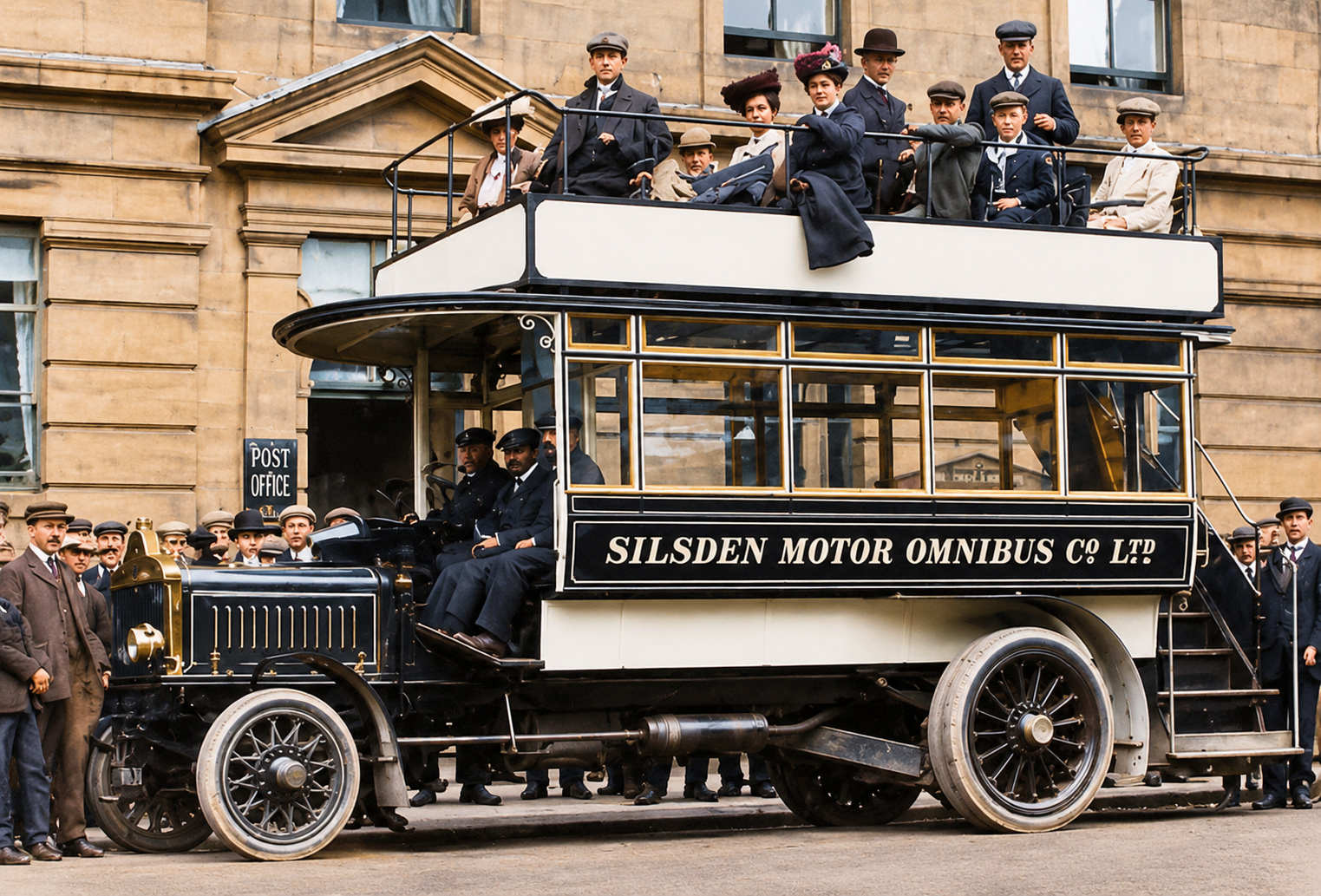
The above bus (Registration FA 126) was one of several sold to Silsden Motor Omnibus Company Ltd for operation in West Yorkshire.
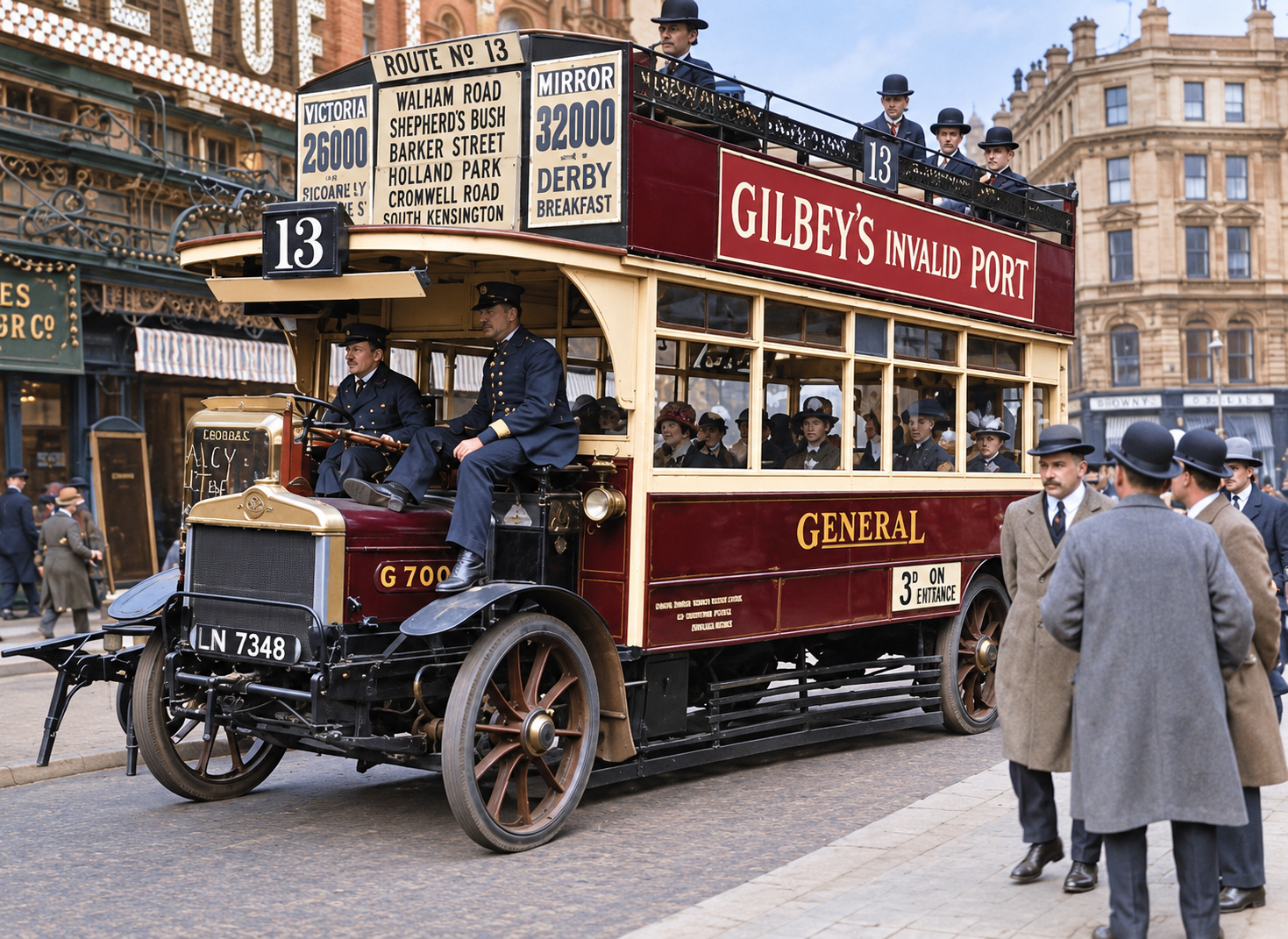
One of the most satisfying orders was for Ryknield to provide some of the first double-decker buses to London General Transport.
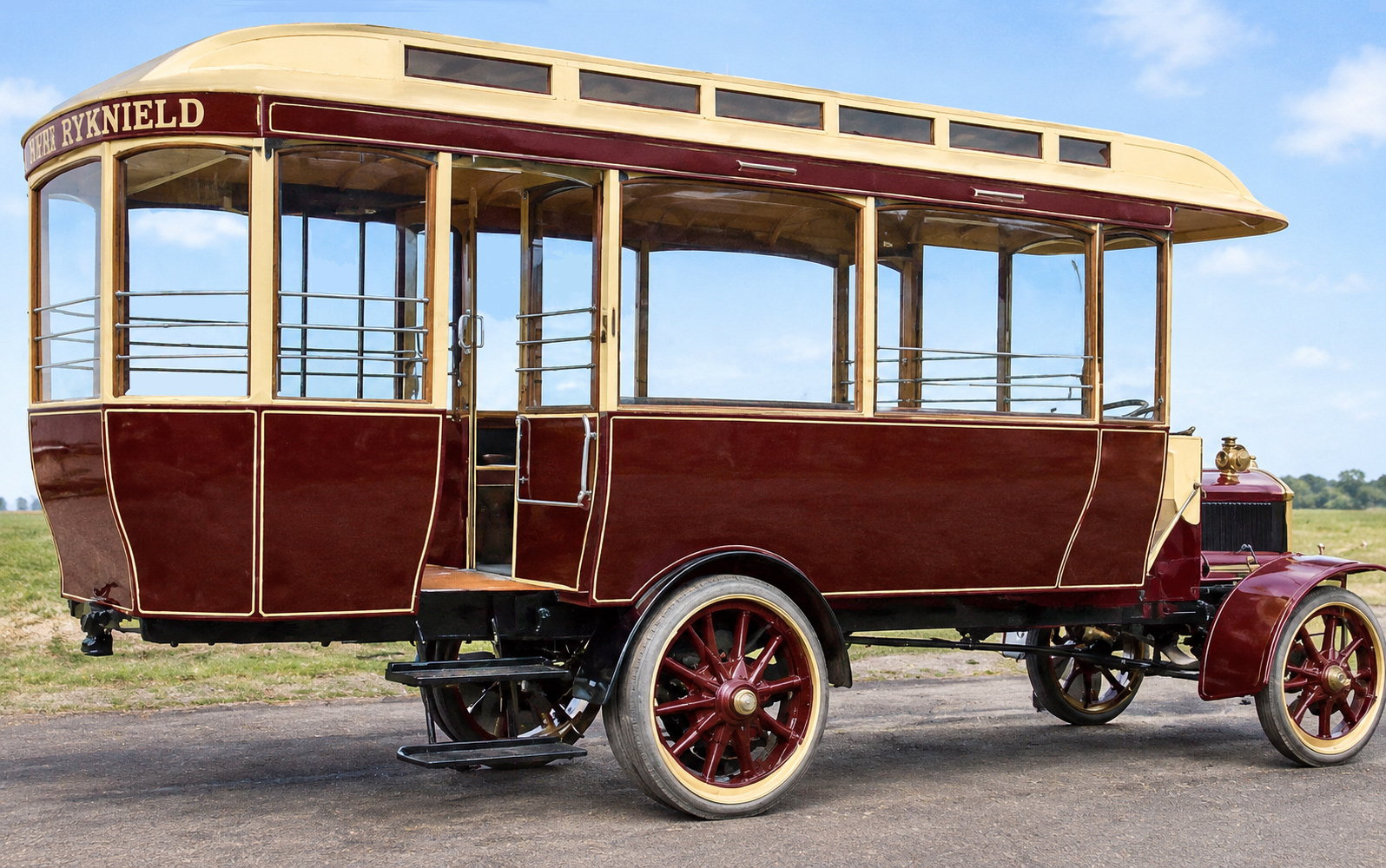
The above ‘futuristic’ single-deck model was the original bus built to be exhibited in Brussels which led to a successful bid to provide 21 buses to operate there.
Despite the Brussel’s buses and selling numerous buses, to London General Transport as well as to Belgium, the company went into liquidation in 1910 but was later reformed as Baguley Cars Limited.
Ryknield did have a go at building larger commercial vehicles like this one for a Manchester company but without great success because this sector was by now covered by far superior offerings despite this producing a whopping 45 horsepower.
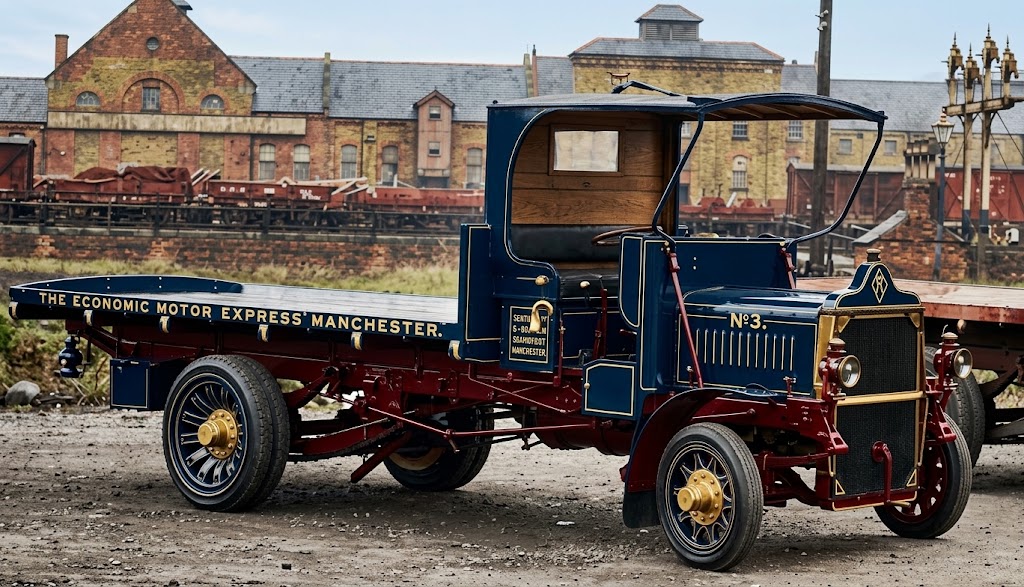
Ryknield commercial vehicle 1909
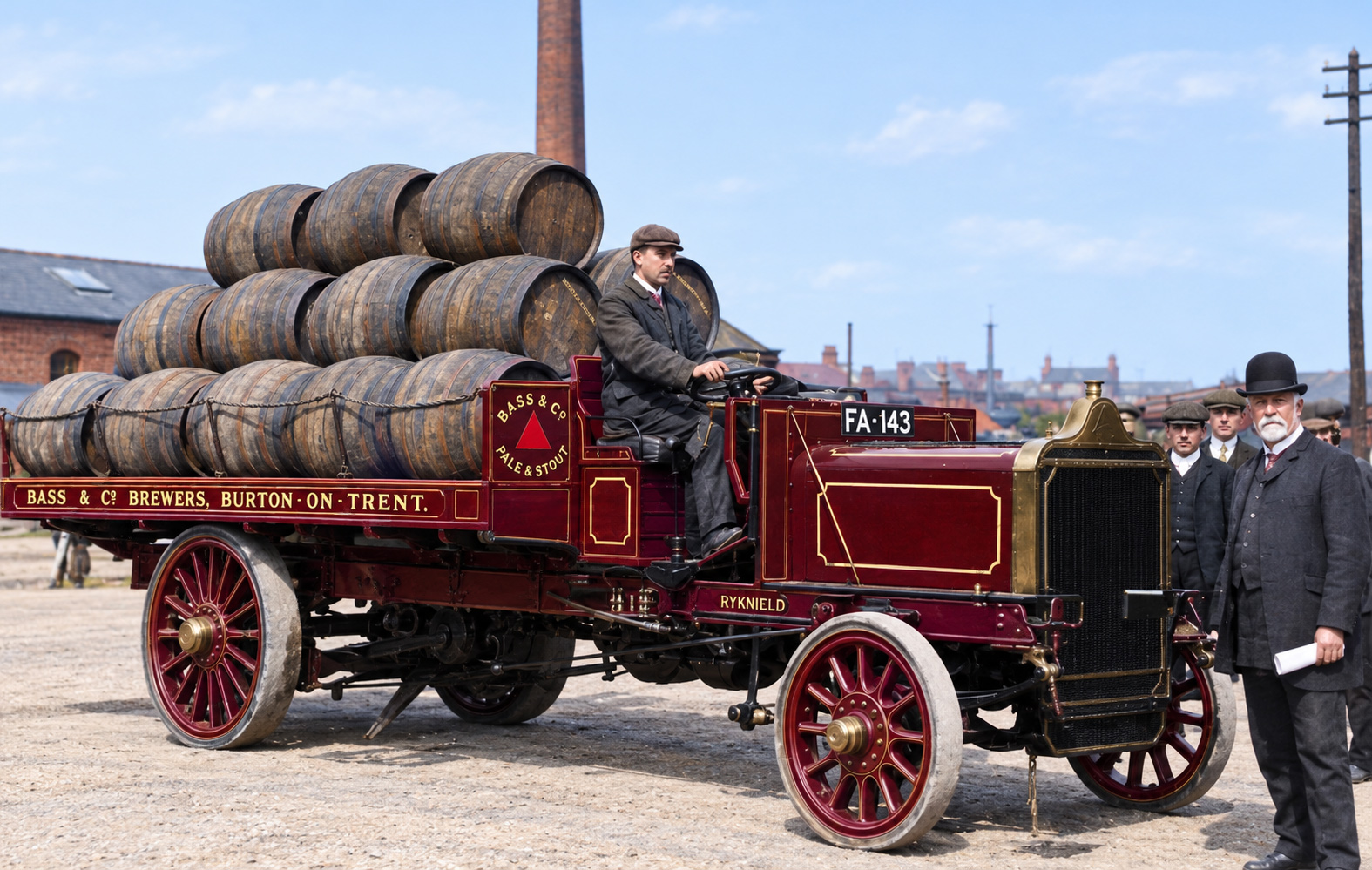
A number of these 5 ton Vehicles were acquired by the Bass & Co. Brewery for use as dray lorries.
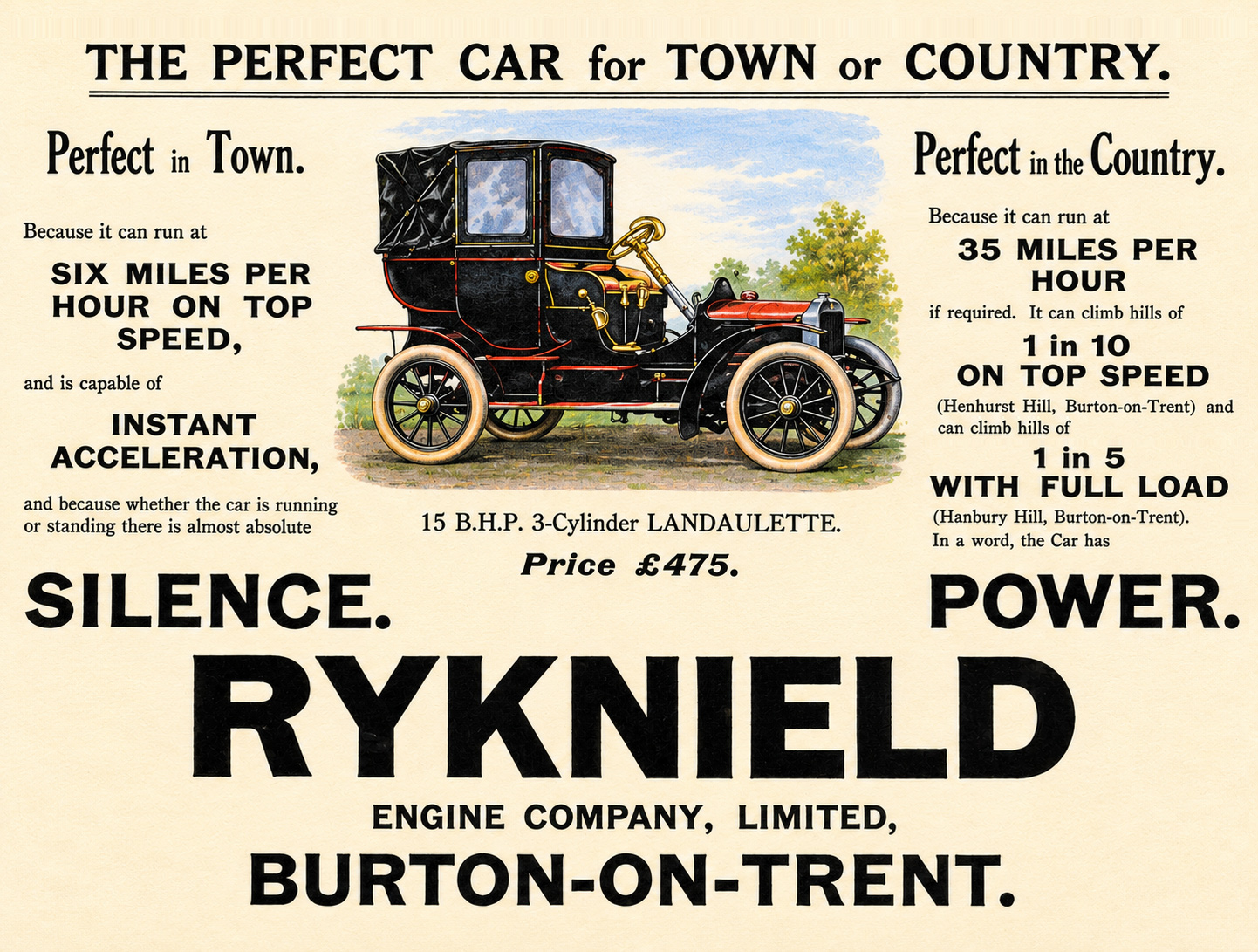
Terrific 1905 Advert for the Ryknield ‘Landaulette’ providing a good idea of the capability and price of cars at the time.
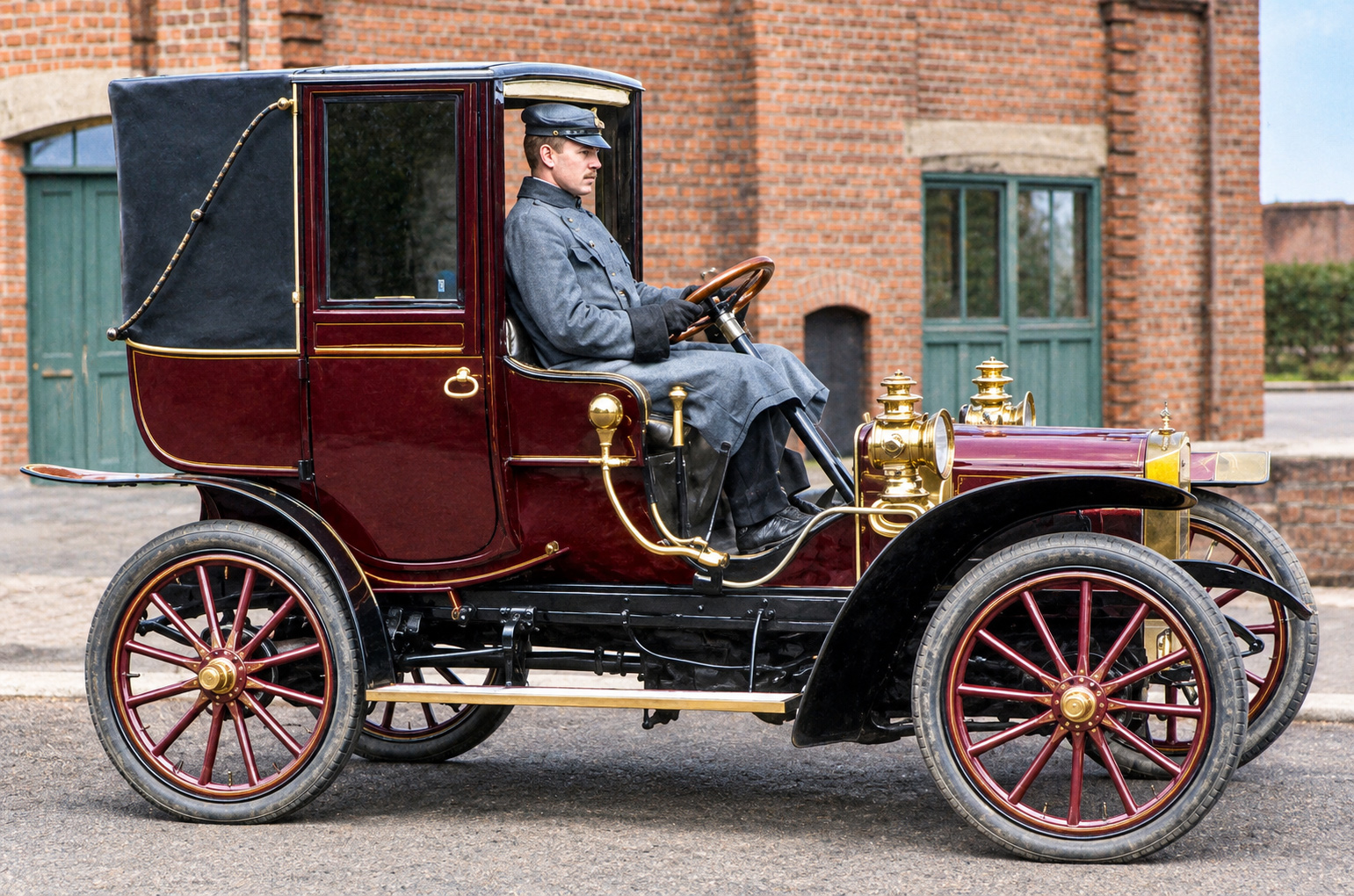
The above example was built for the actress Mrs Lewis Waller to be used for her tour of ‘The Admiral’s Lady’.
Ryknield motor company ran into financial difficulties again and was this time taken over by the larger Baguley company whose main operation until then had been steam locomotives but they had an interest in producing motor cars and road vehicles. By the time the business had ceased, it had progressed to making cars such as this beauty made for Messrs. Bass & Co.
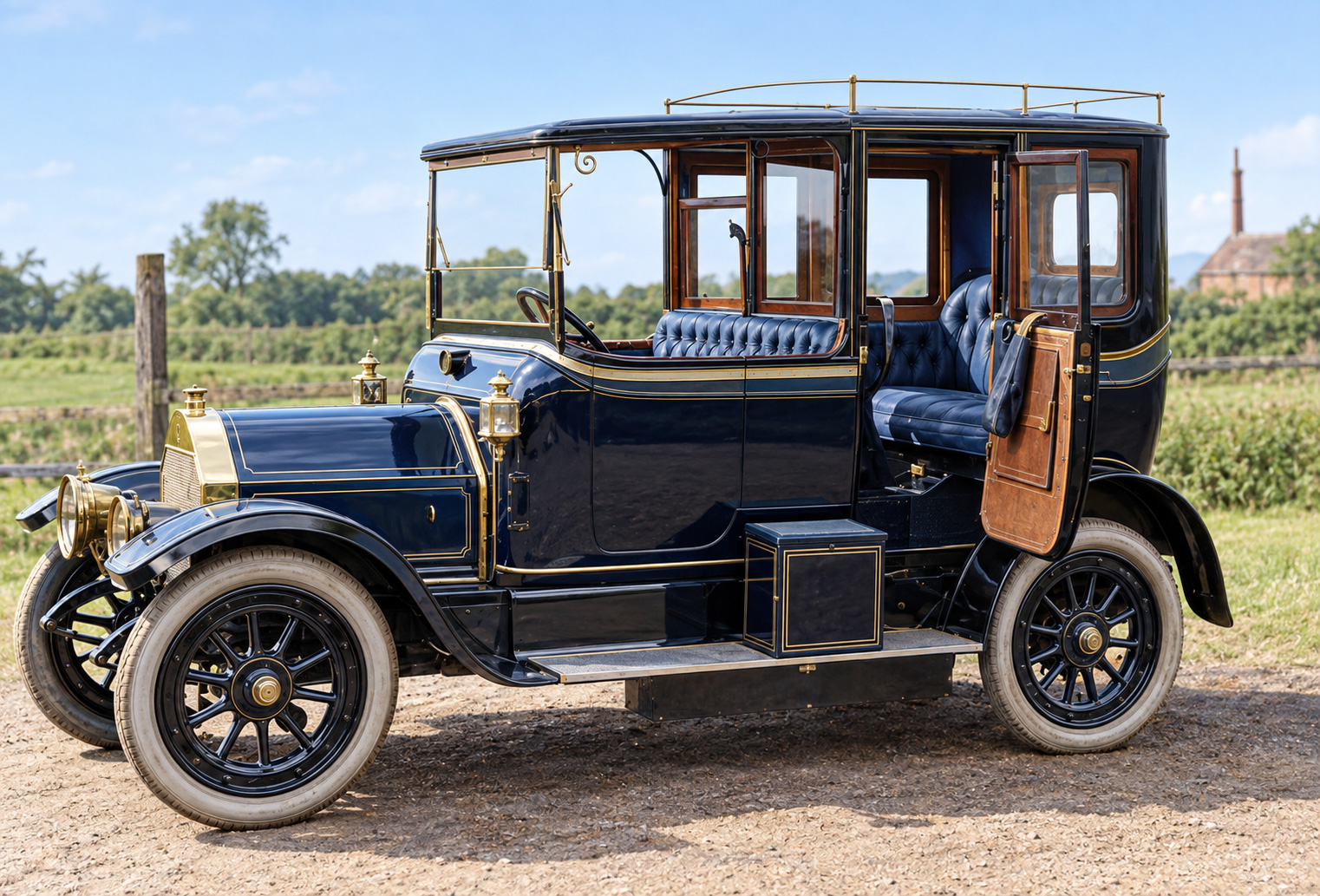
Ryknield car built for Mssrs. Bass & Co. 1911
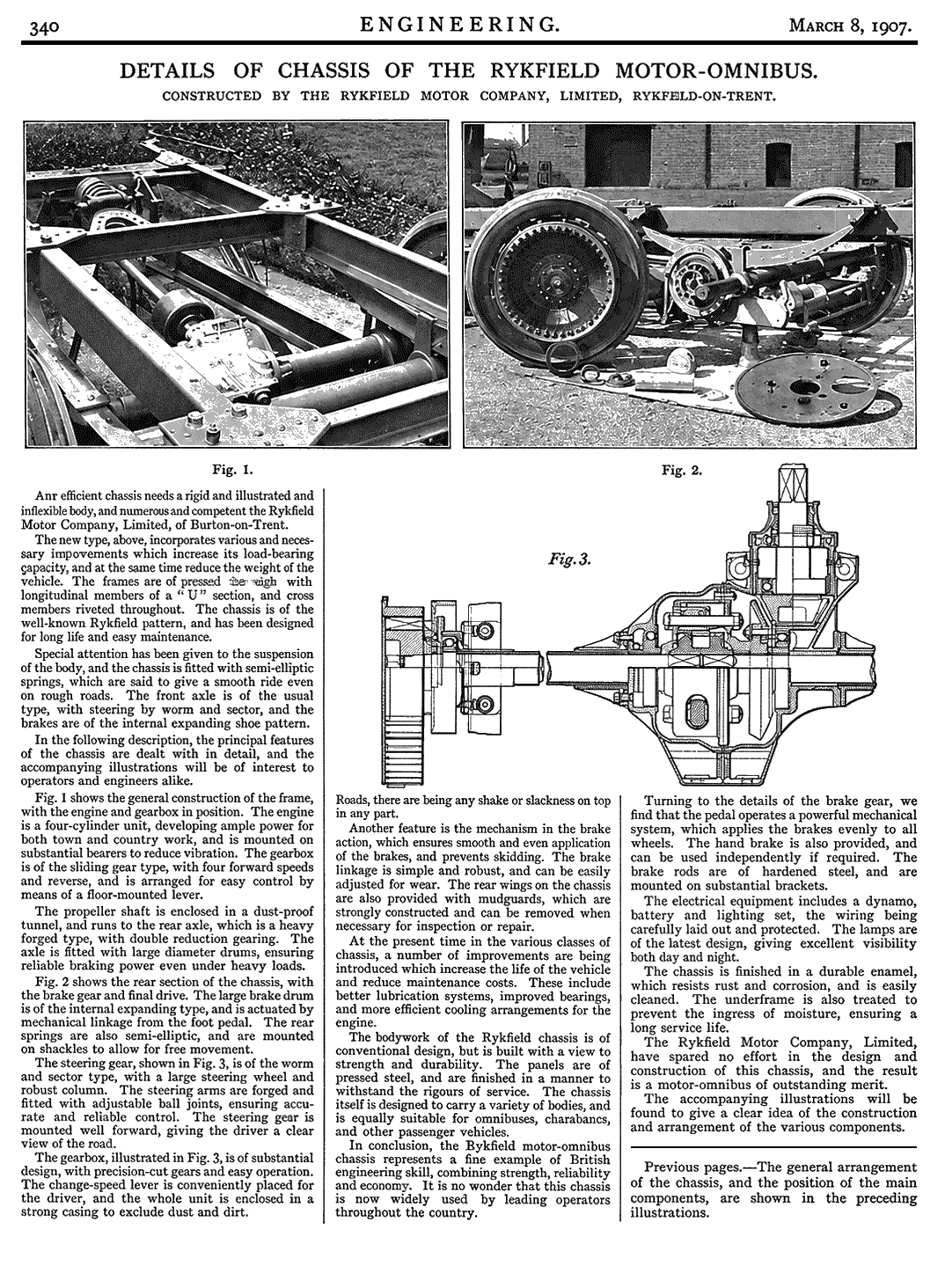
Finally, two significant pages from 1905 and 1907 Engineering publications. I did see in auction, a Ryknield Car Handbook that I would have loved to have featured but unfortunately, way beyond my budget!