This section contains sets of images of Burton by local artists.
If you have a similar collection and would like to have them featured, please feel free to submit them.
This section contains sets of images of Burton by local artists.
If you have a similar collection and would like to have them featured, please feel free to submit them.
A collection of paintings from local artist, Joe Fox
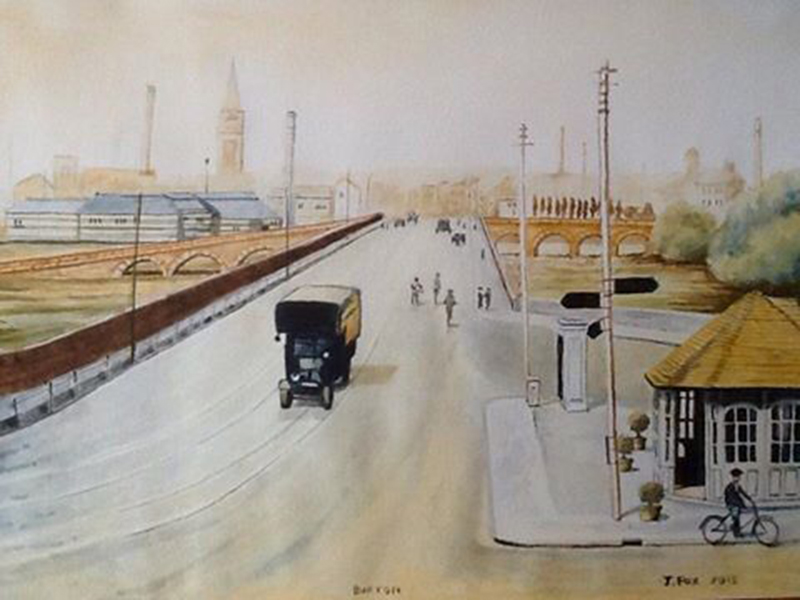
Trent Bridge (inspired by a photo on this website)
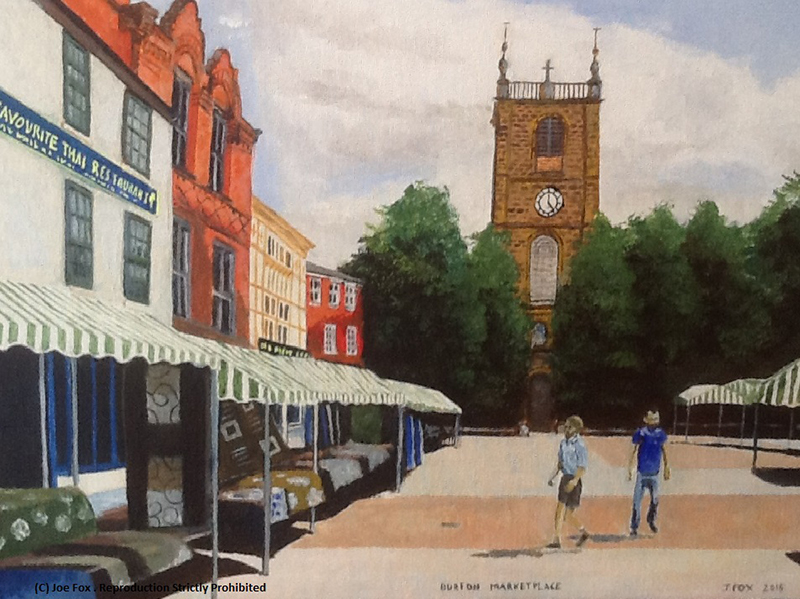
Burton Market Place
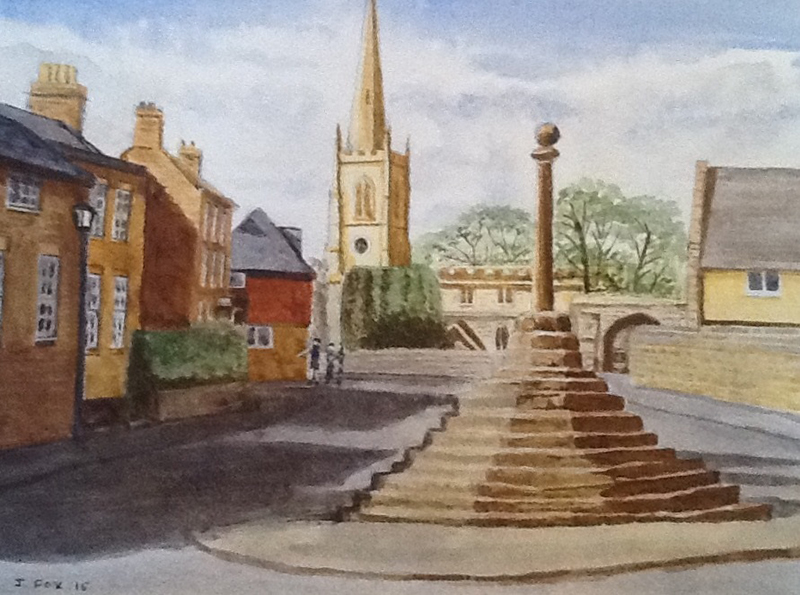
Repton Cross View 1
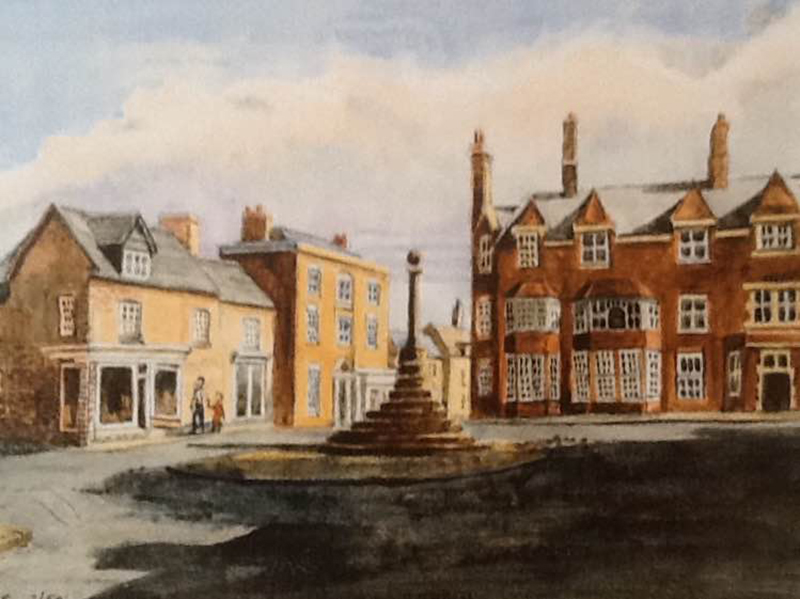
Repton Cross View 2
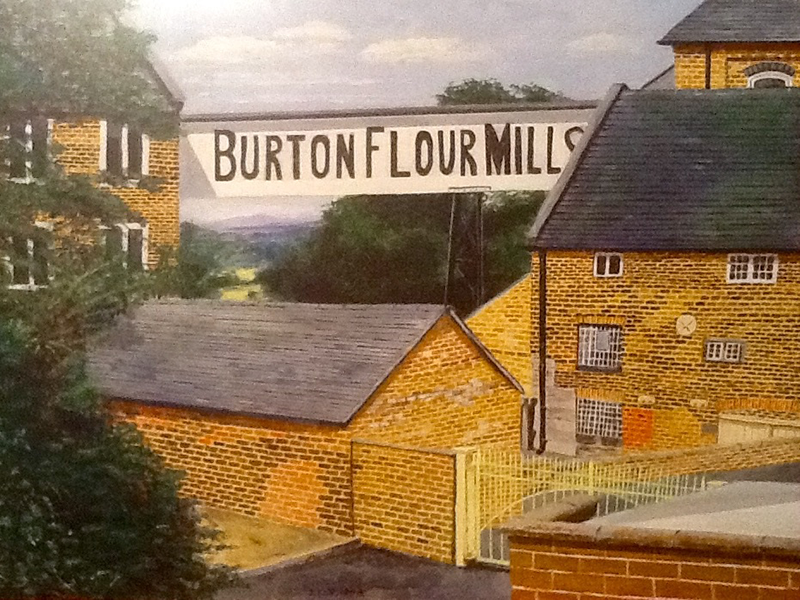
Burton Flour Mills
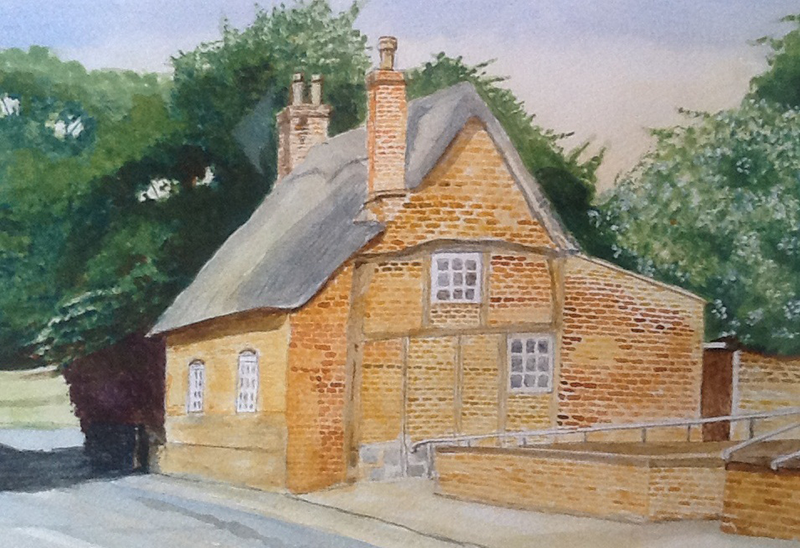
Repton Cottage
Other
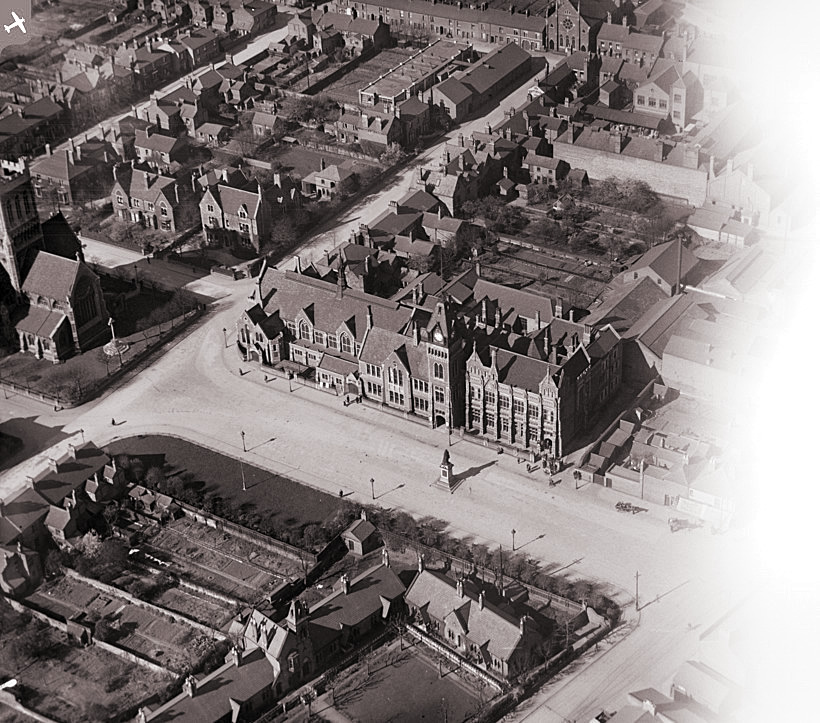
1921 Town Hall
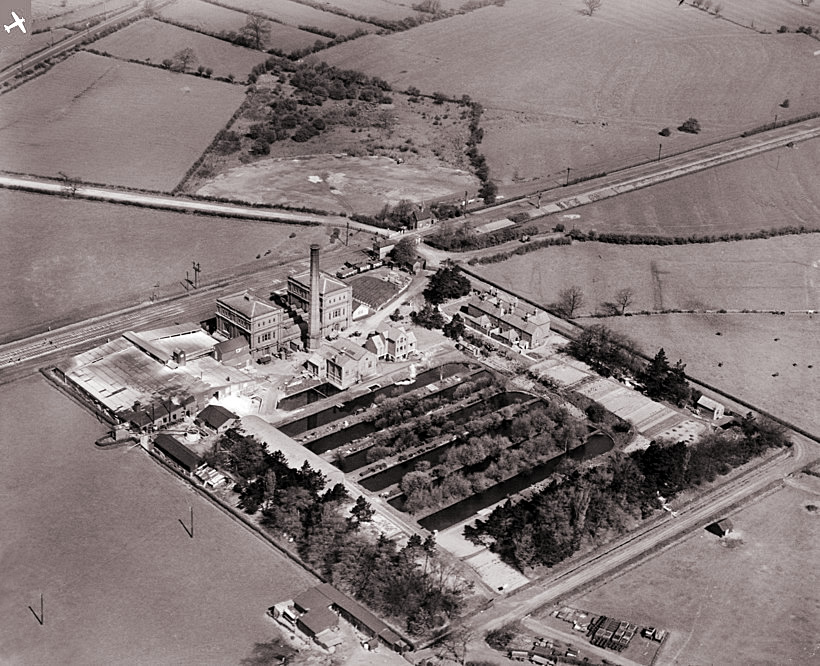
1928 Claymills Pumping Station
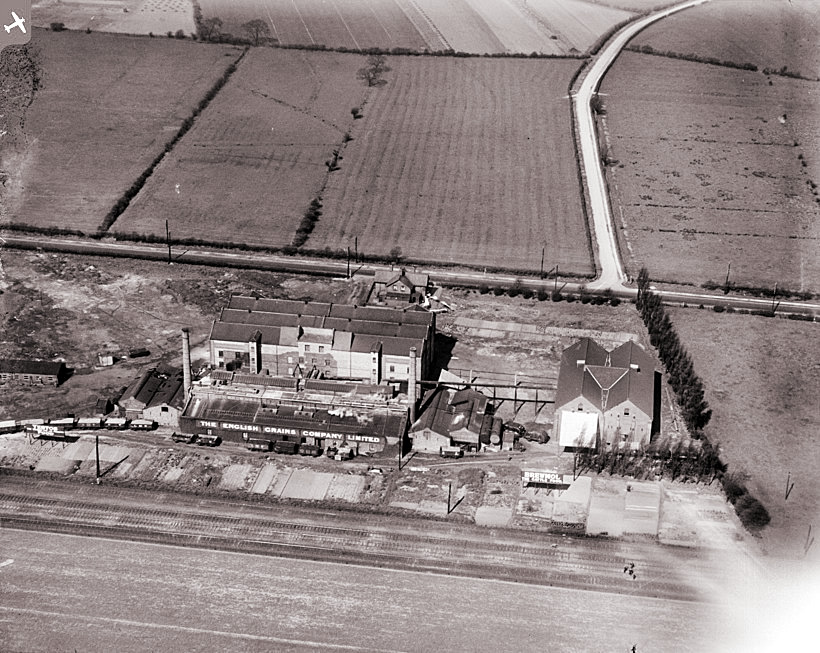
1928 English Grain
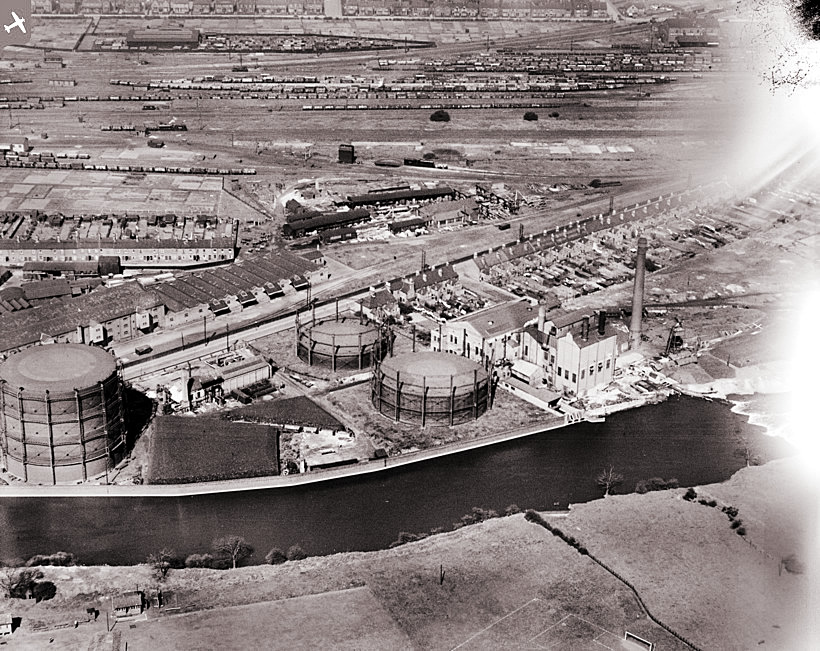
1928 Wetmore Gas and Electric Works
Marston Brewery
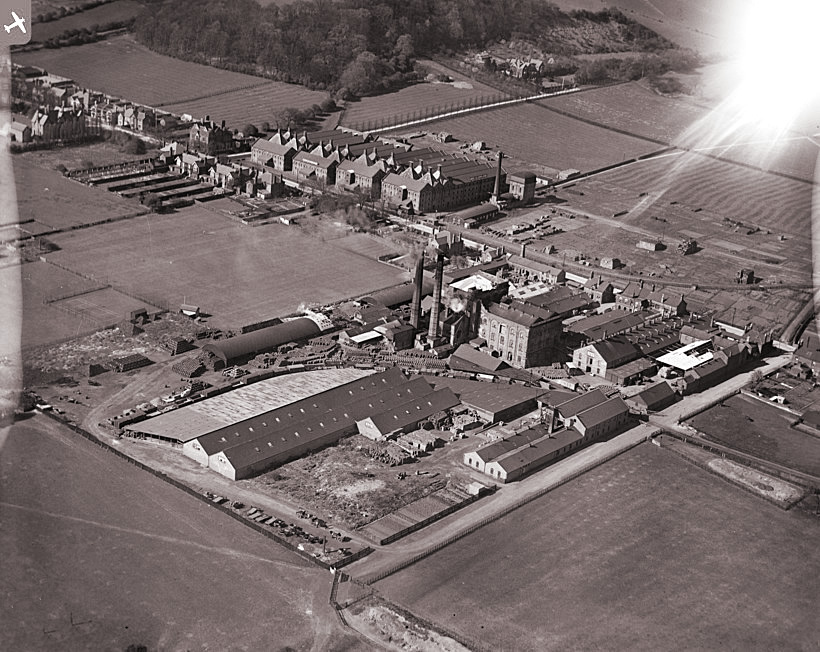
1921 Marstons Brewery #1
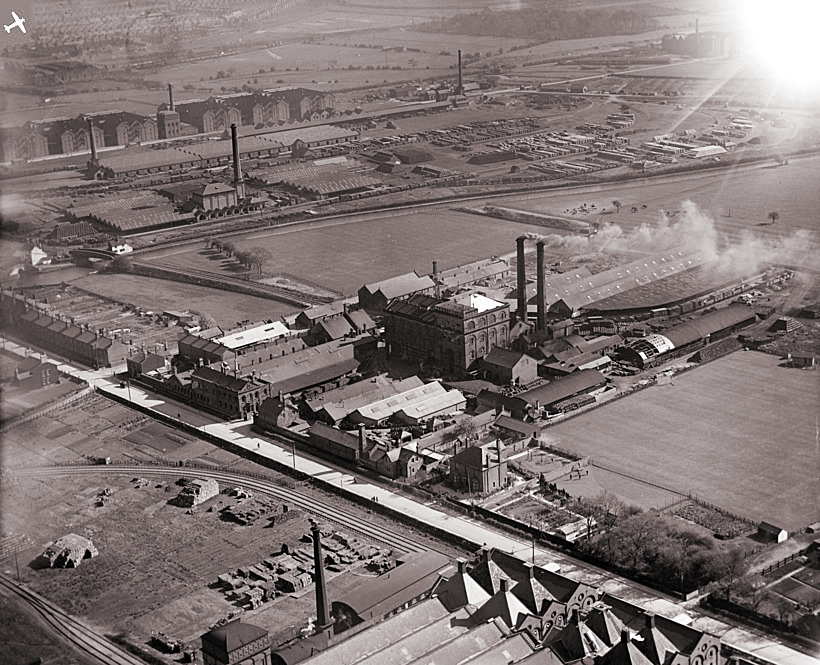
1921 Marstons Brewery #2
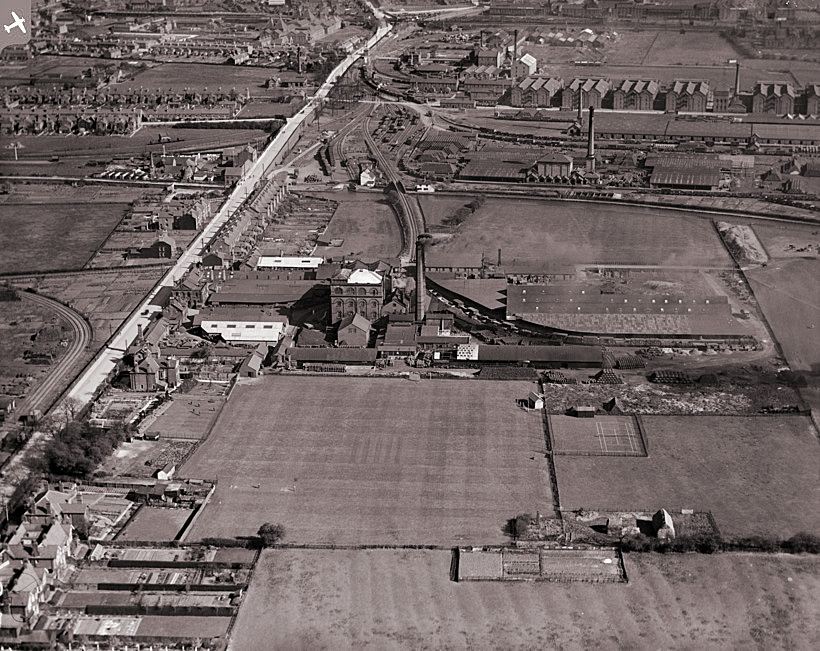
1921 Marstons Brewery #3
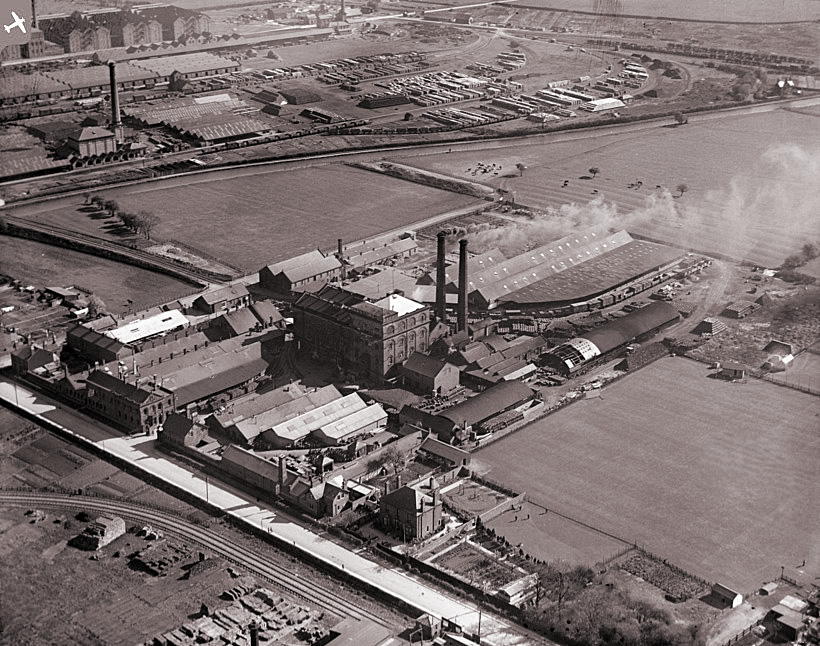
1921 Marstons Brewery #4
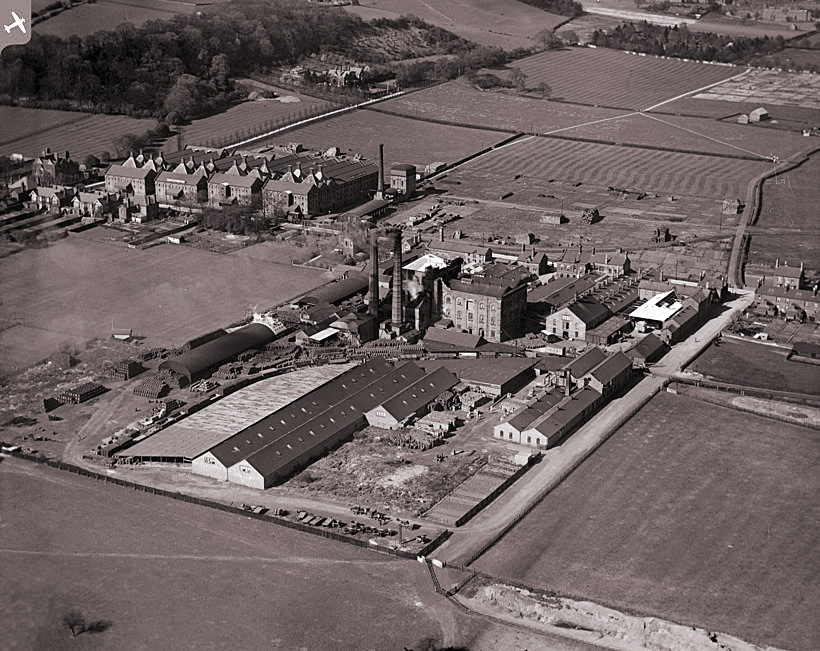
1921 Marstons Brewery #5
Sharps and Knight
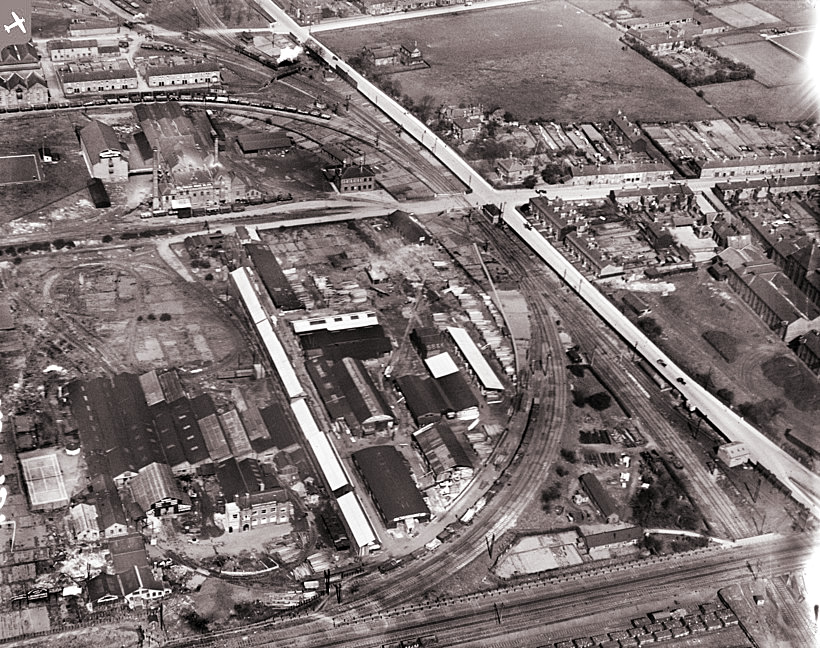
1926 Sharps and Knight #1
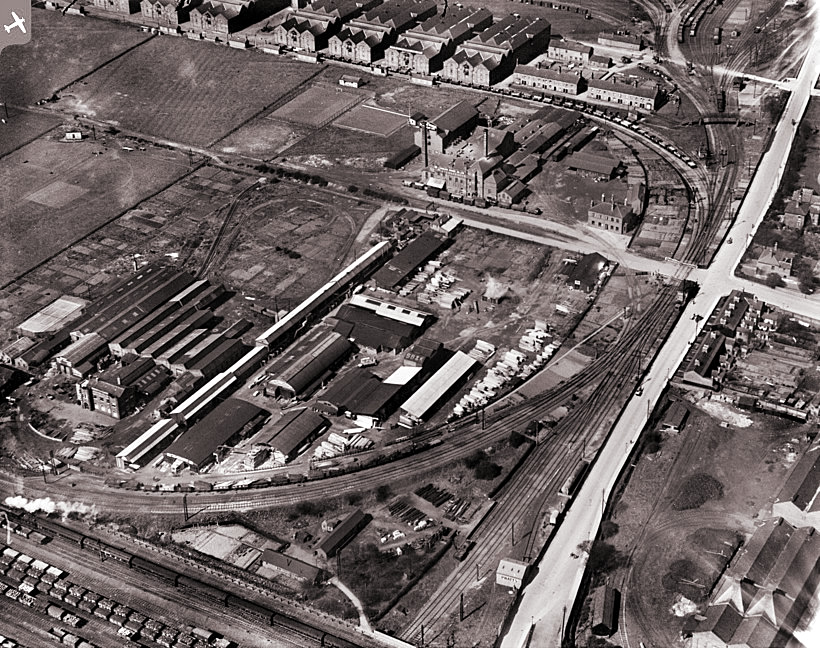
1926 Sharps and Knight #2
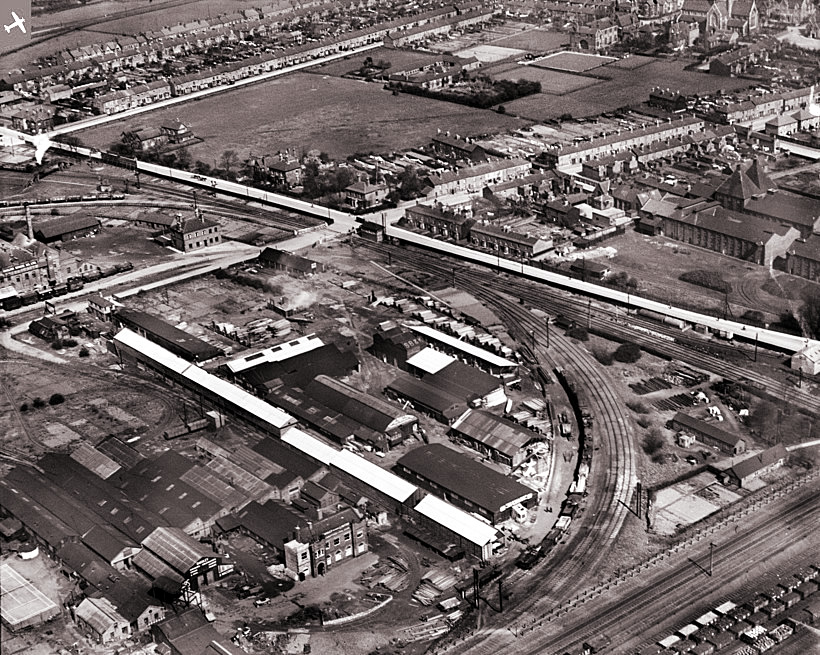
1926 Sharps and Knight #3
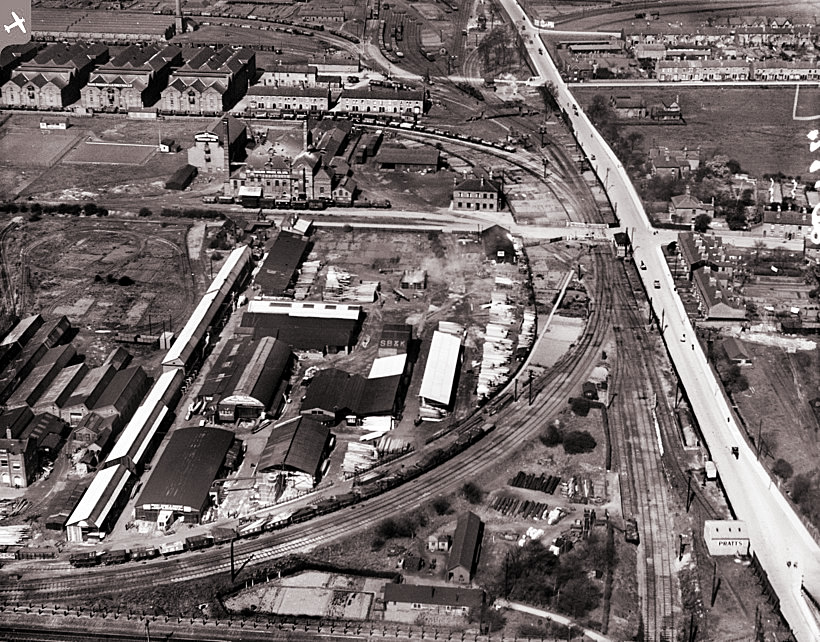
1926 Sharps and Knight #4
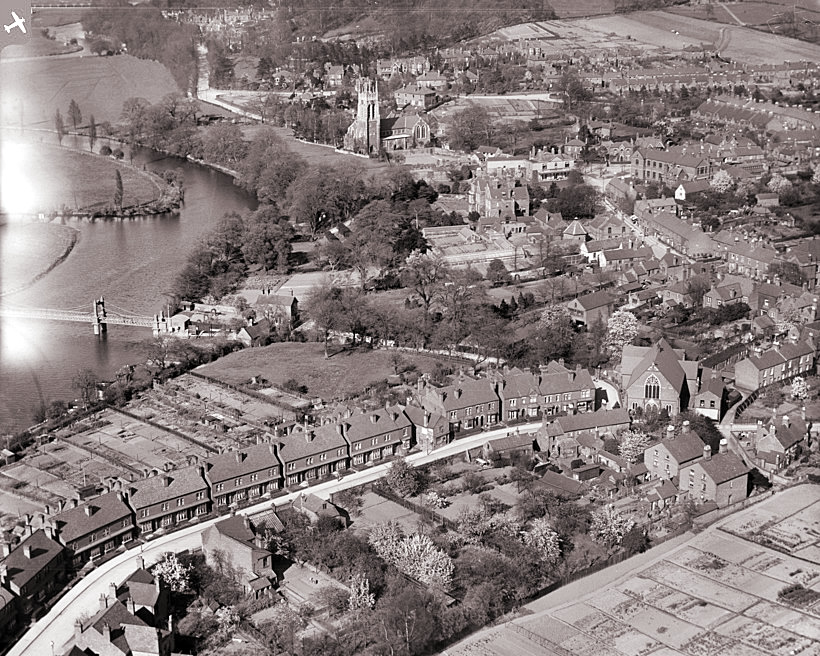 1921 Ferry Street
Beautiful photo showing a newly constructed Ferry Street. Of particular interest is Stapenhill House still in place which was later demolished and the extensive grounds donated by the Goodger family to become Stapenhill Pleasure Gardens.
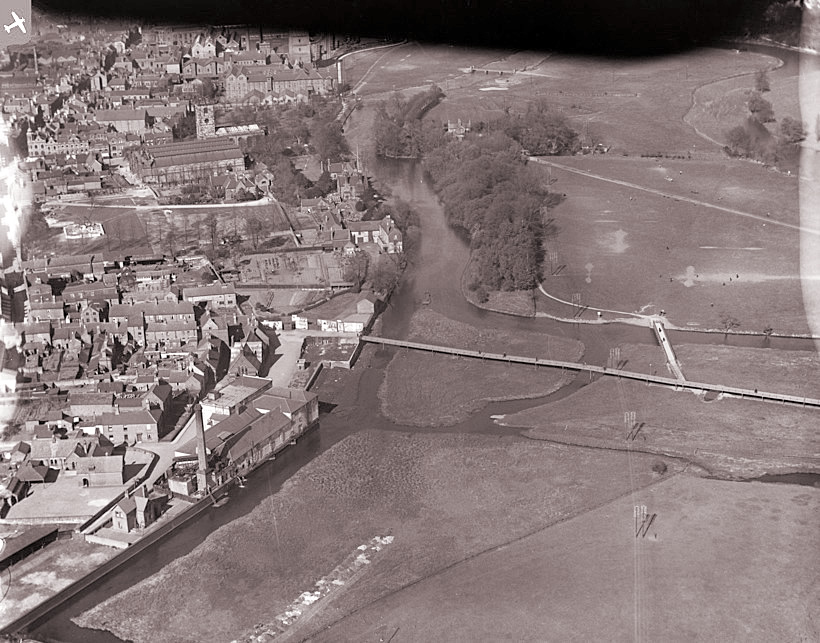 1921 Ferry Bridge Causeway
The Ferry Bridge Causeway is still pretty much the same today but the course of the river has changed significantly. If you take a look from Saint Peter’s Bridge, the large bump which negotiated the river can still be seen but looks rather odd with dry land underneath.
The most glaring omission from this photo is the Burton Technical College (now ‘University’) which was built on land originally belonging to Burton Abbey – a site that extended to 14 acres. The other significant development not yet constructed is the Abbey Arcade.
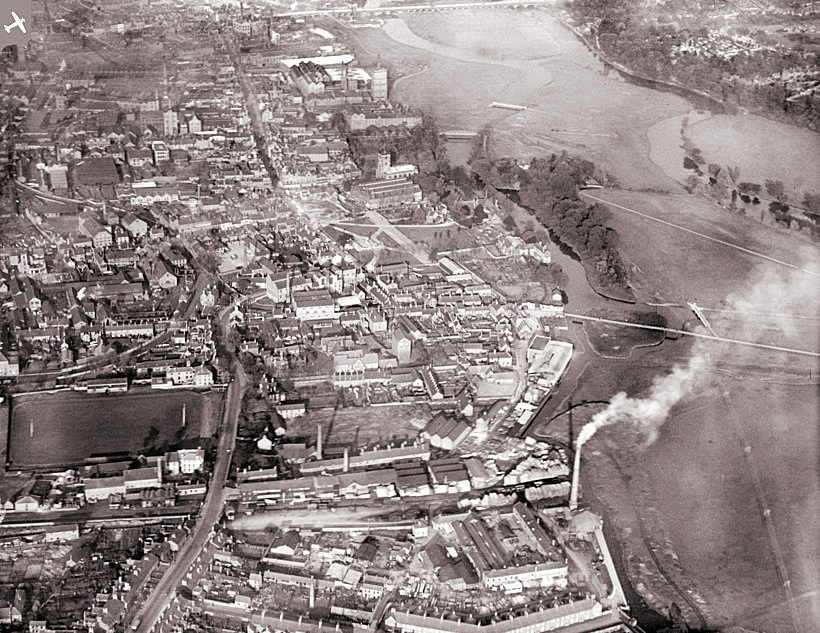 1927 Causeway Bond End
A wider picture of the Bond End end of the causeway provides a great illustration of how things have changed. In the centre of the photo is the Burton Grammar School, later to be replaced with the new school in Winshill.
Of great interest is the course of the river. The wide branch across the middle of the Hay used to be the main flow, rather than the existing branch which travels along the edge of Stapenhill Gardens. At one time, this also used to be the county line dividing Staffordhire and Derbyshire.
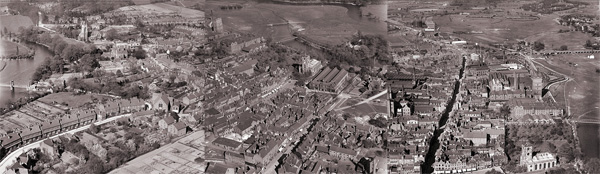
1920s Burton from Above
Select page to view:
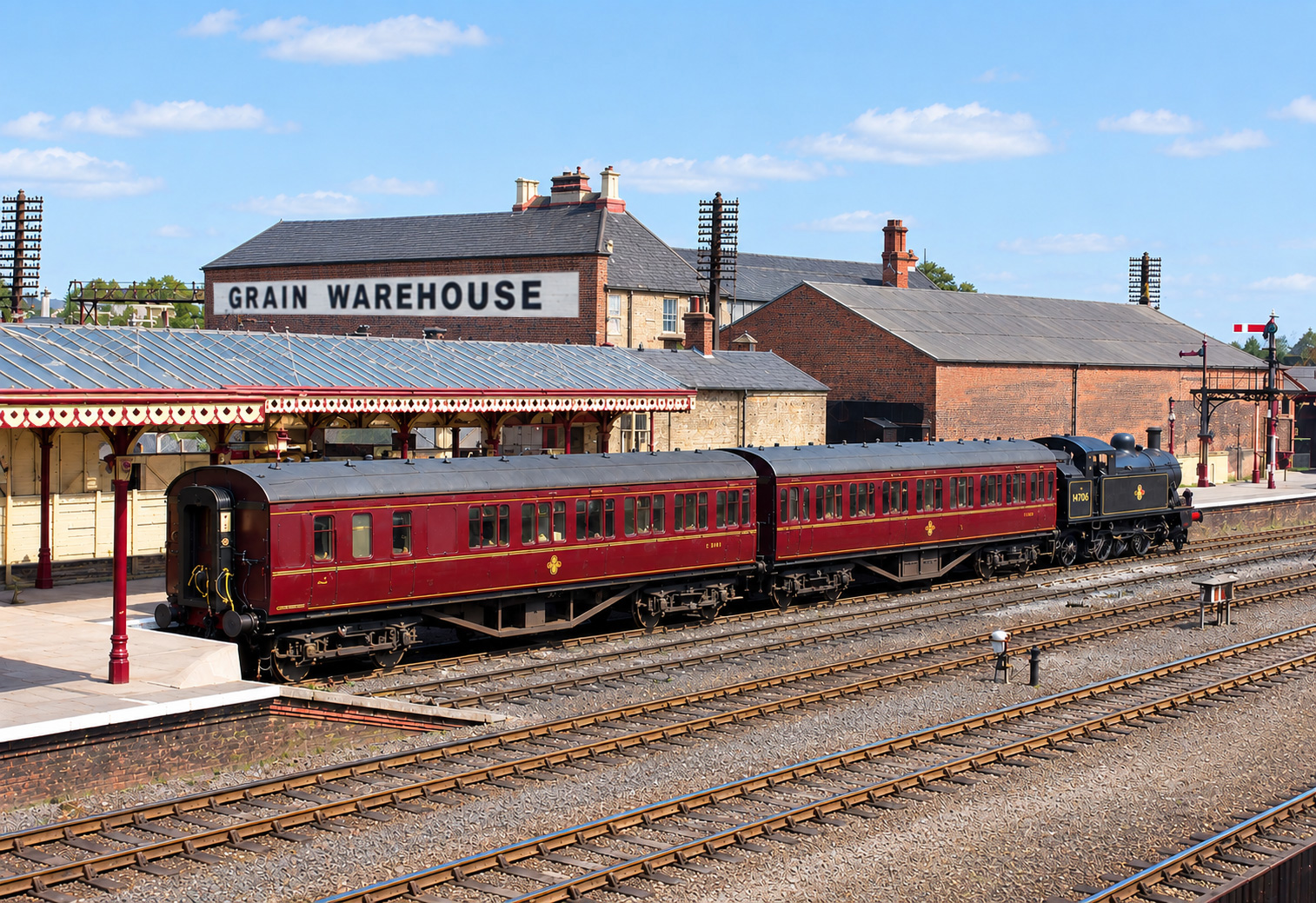
Probably the best known train in Burton history is the ‘Tutbury Jinnie’. The service provided a push-pull service backwards and forwards between Burton’s first Station in Cat Street (later, Station Street) and Tutbury stopping at Horninglow, Stretton & Clay Mills and Rolleston. There were eight trains each way on weekdays and two on Sundays.
The North Staffordshire Railway locomotives were originally painted a bright green, followed by a deep ‘Victoria Brown’ (red-brown). Eventually, they adopted a very distinctive crimson shade known as ‘Madder Lake Red’ (deep maroon) with yellow and vermilion lining. The passenger coaches were also painted in Madder Lake Red.
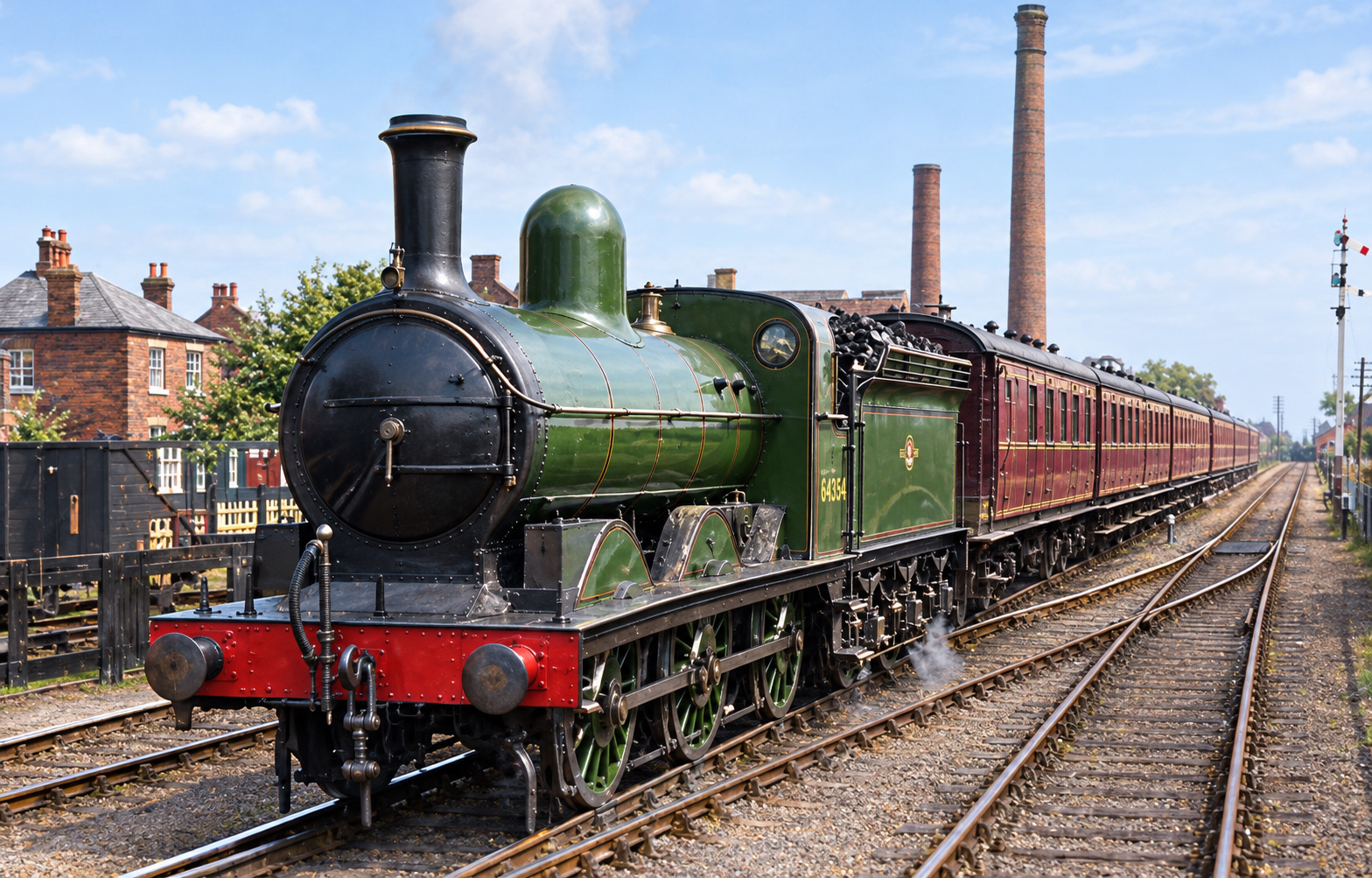 The First Tutbury Jinnie 1849
Robinson J11 class 0-6-0 steam locomotive
LMS Era (1923–1948): Under the London, Midland and Scottish Railway management, the service typically featured locomotives and coaches finished in standard LMS ‘Crimson Lake’ Maroon.British Railways Era (1948–1960): In its final years leading up to its closure in 1960, the service used an Ivatt and Standard Class tank engine (No. 41277), which was a rather less impressive black. This was a small tank engine which means that the water tanks and coal bunker were on the locomotive itself. The 2-6-2 wheel arrangement was particularly suitable for local passenger work.
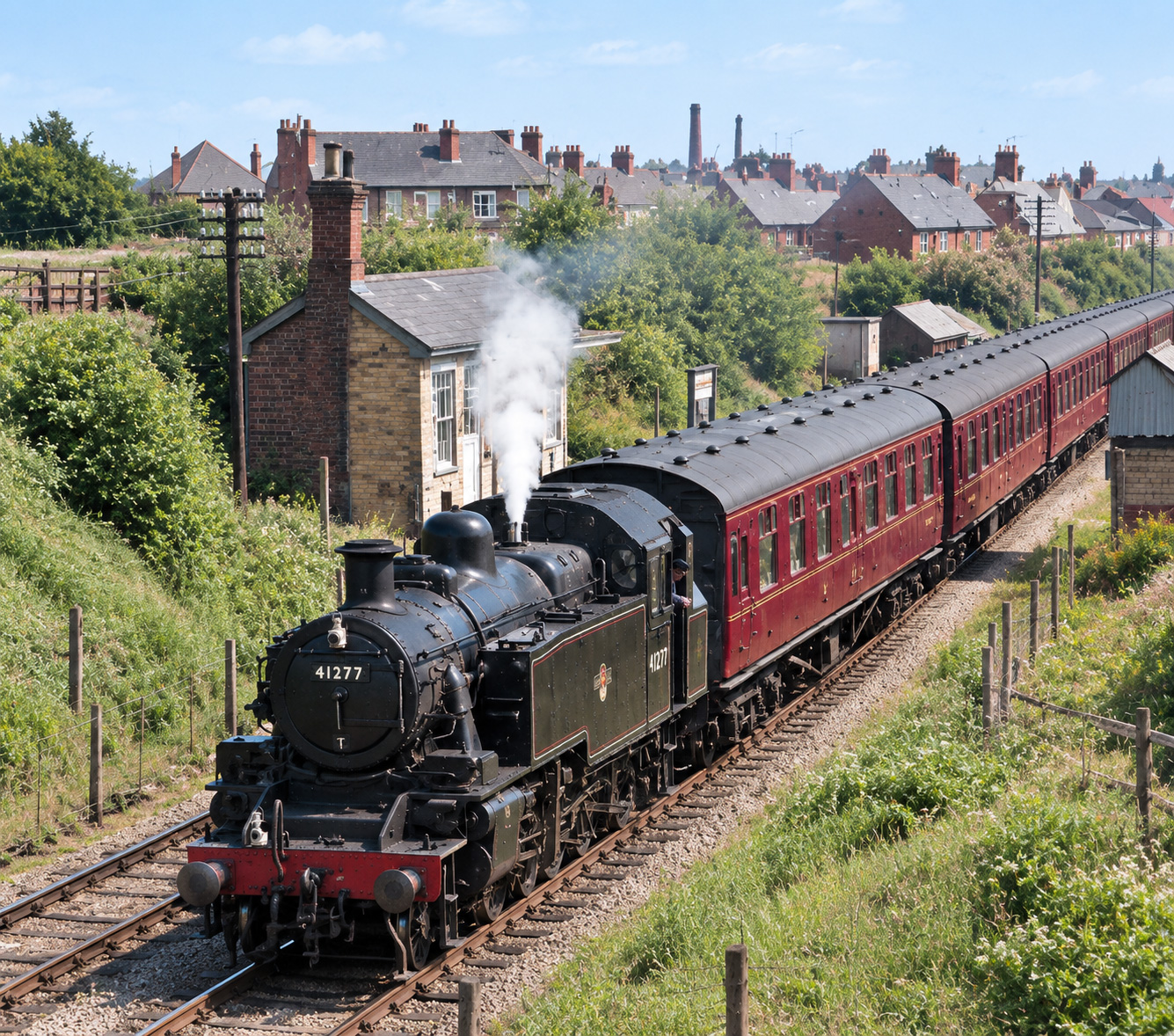 The Jinny in service approaching Clay Mills Station 1956
Robinson J11 class 0-6-0 steam locomotive
My original restoration also showed the later Jinnie as green but after research before publishing, I discovered that it was in fact black. Such a shame, it looked gorgeous in green!
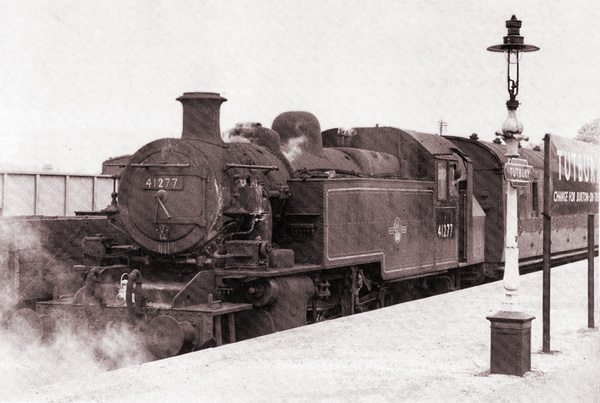 The Jinnie at Tutbury Station about to return to Burton 1958
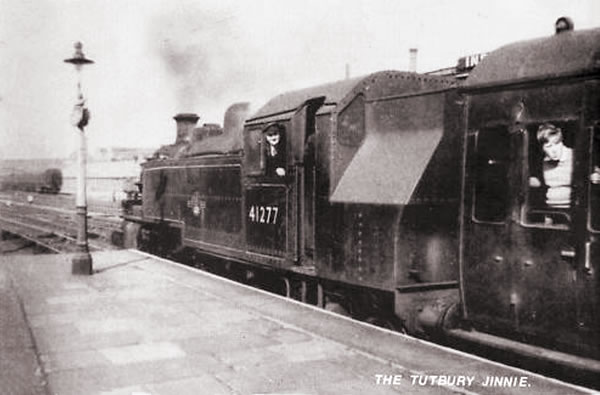 Nearing the end of its life, the line soon to be closed. 1960
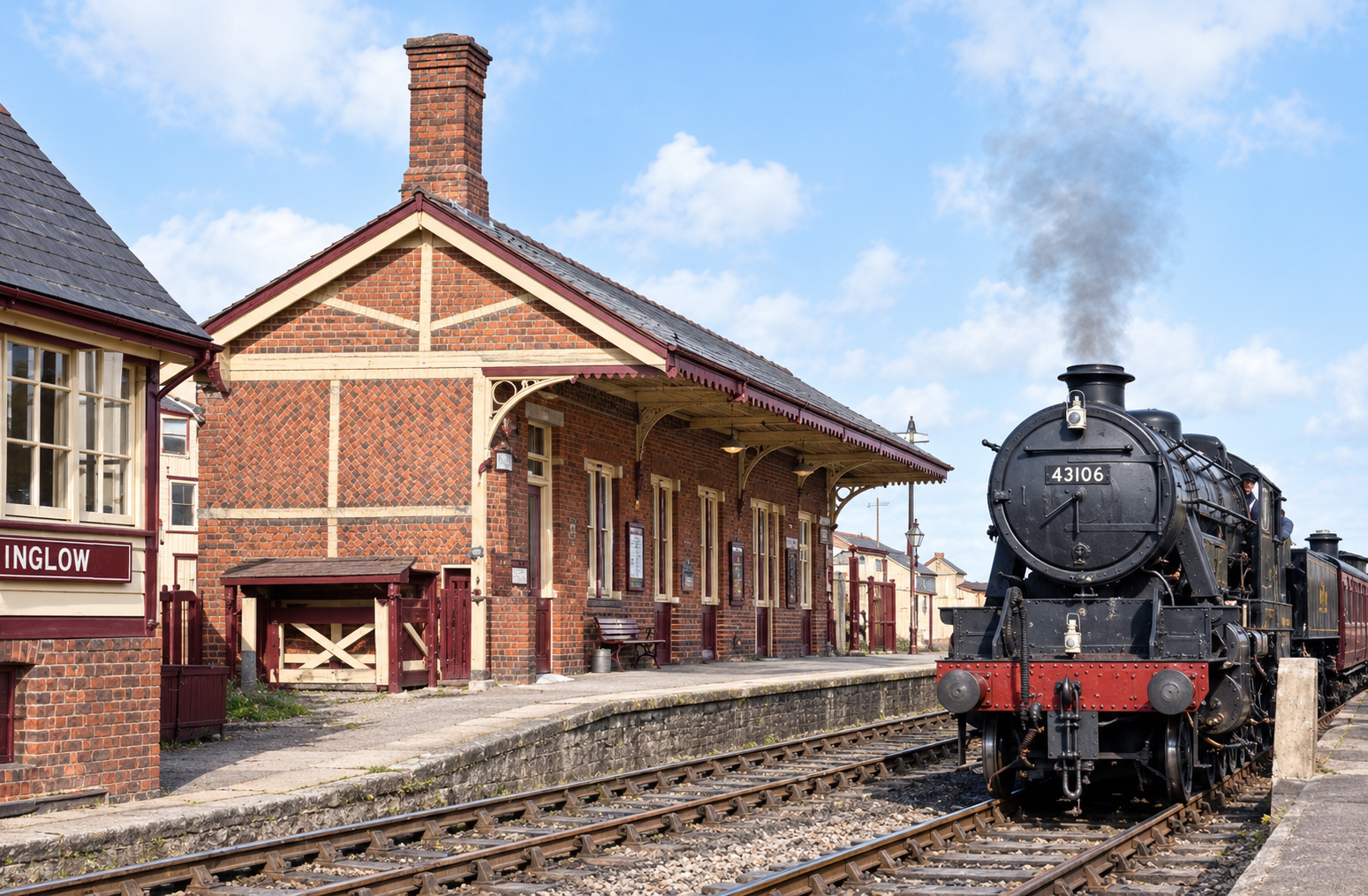 Horninglow Station
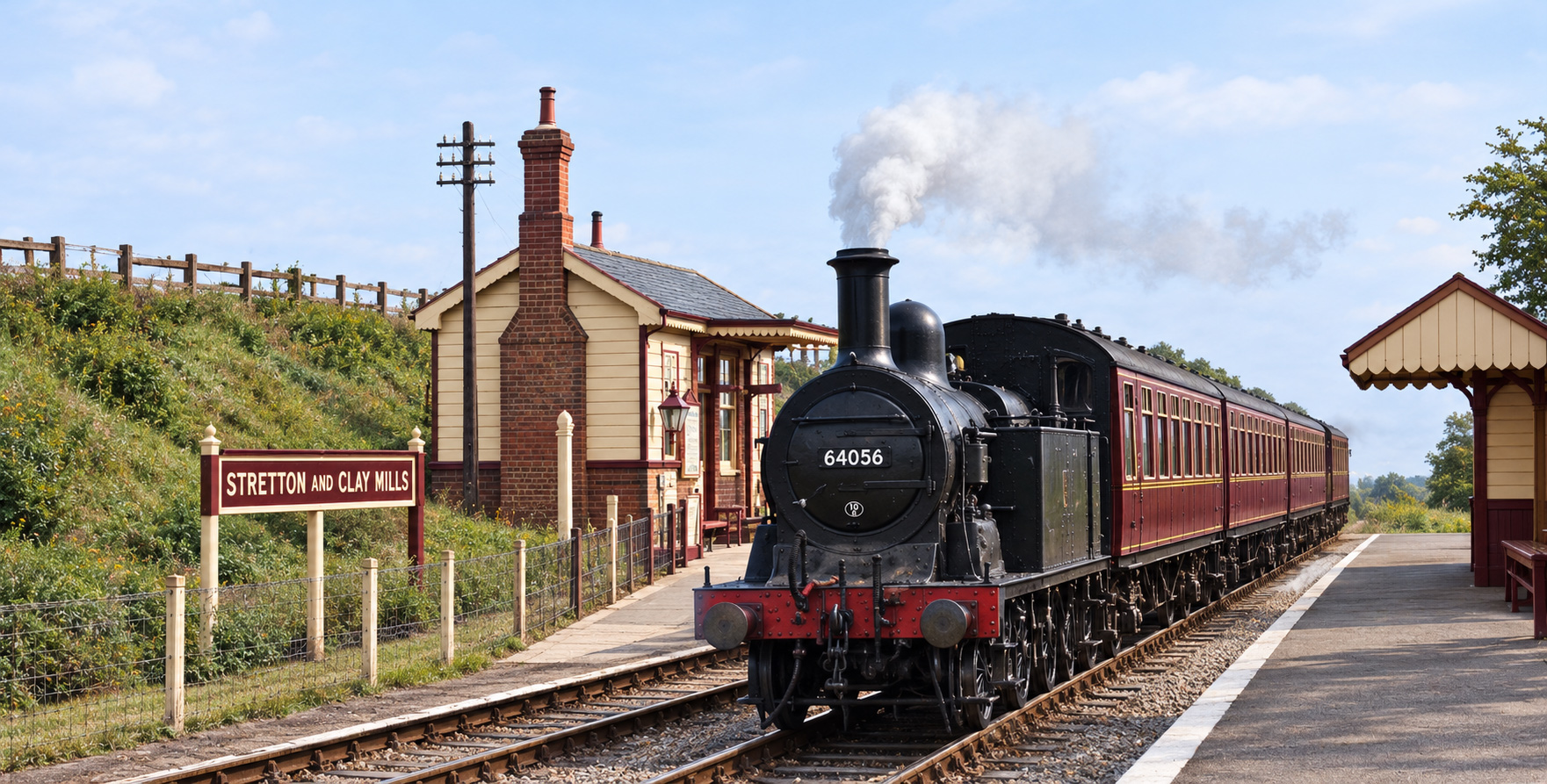 Stretton & Clay Mills Station Station
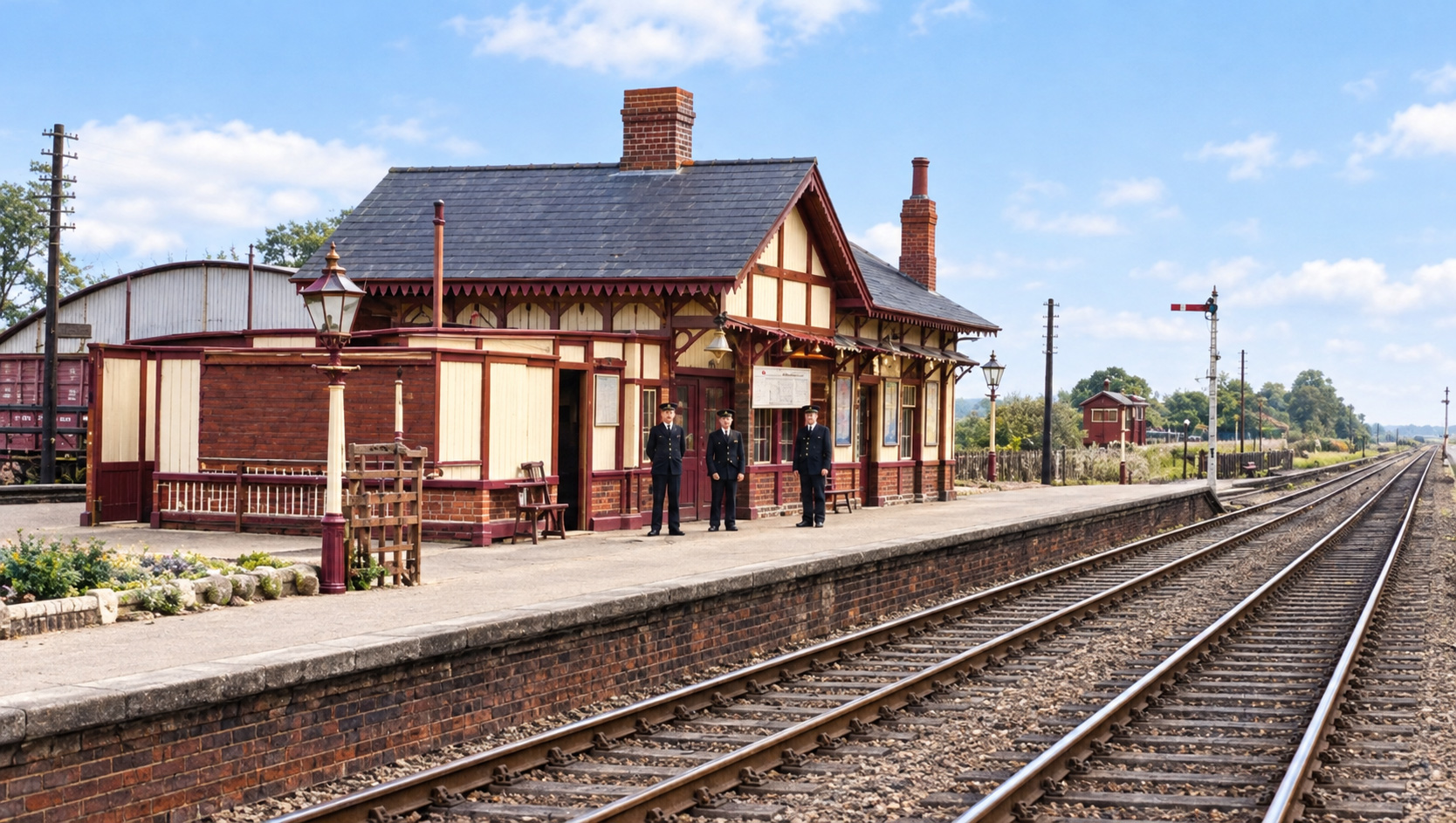 Rolleston Station
 The Tutbury end stop
General Town
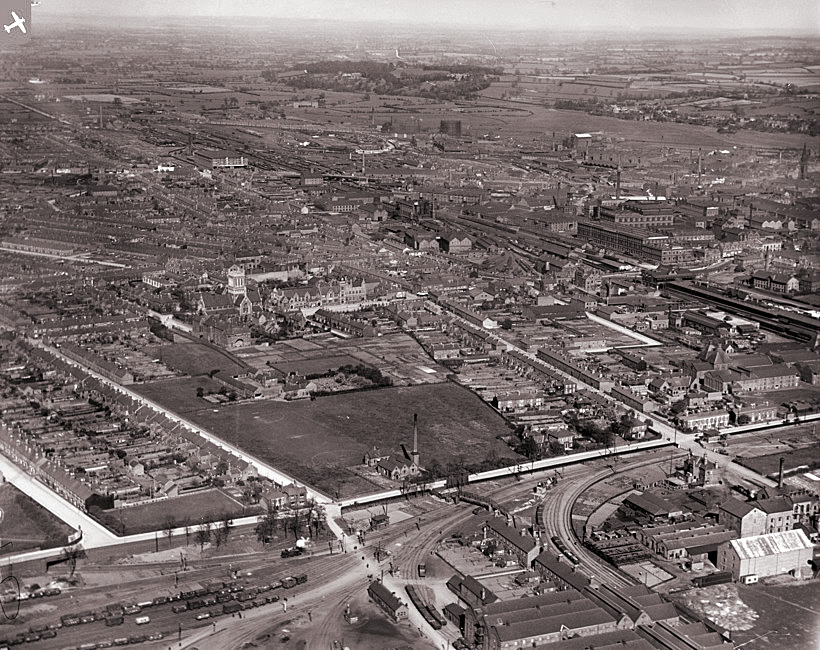
1921 View From South West #1
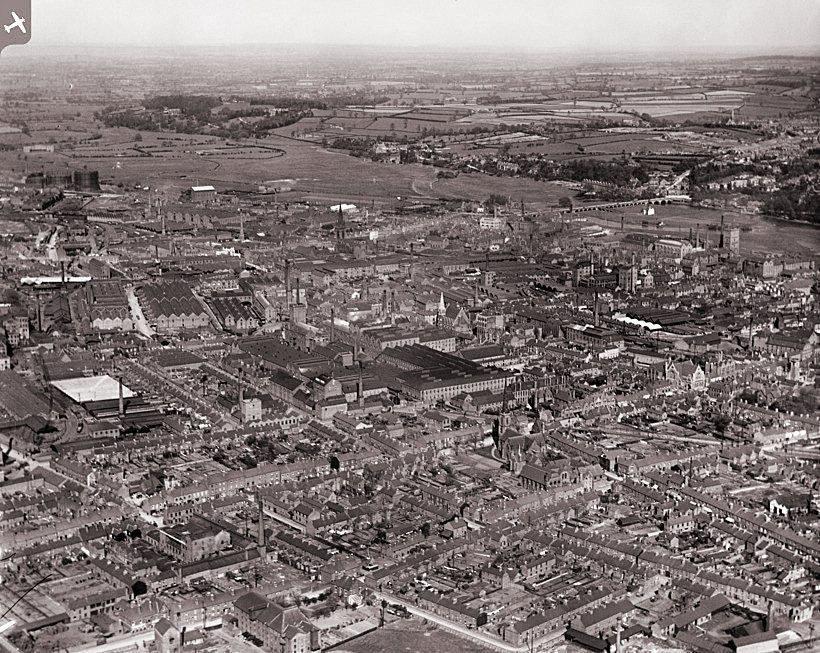
1921 View From South West #2
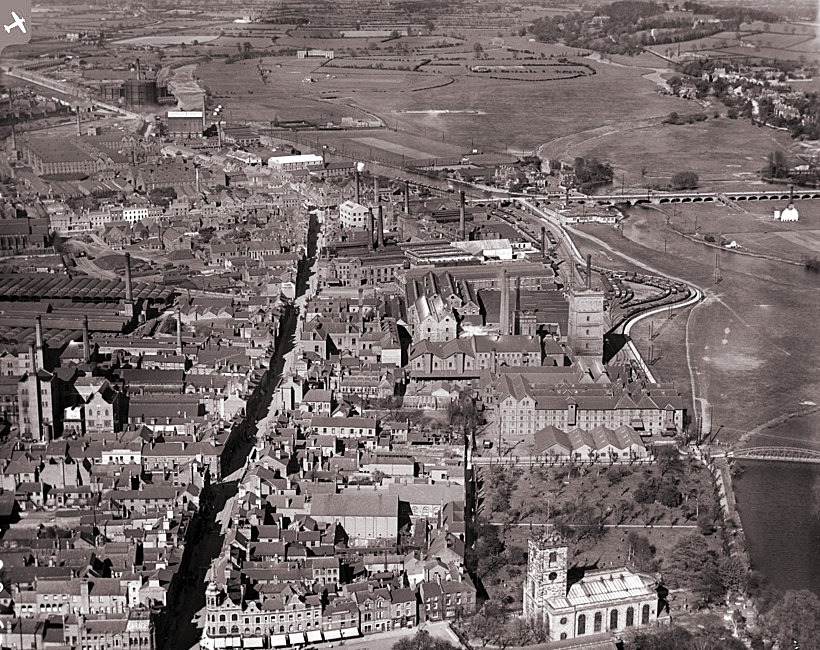
1921 High Street and Malthouses
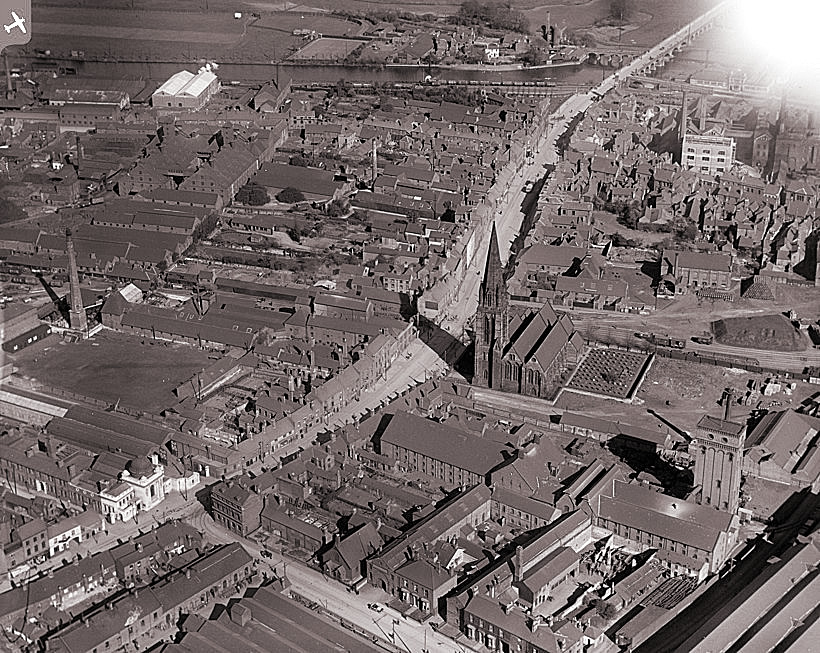
1921 Horninglow Street #1

1921 Horninglow Street #2
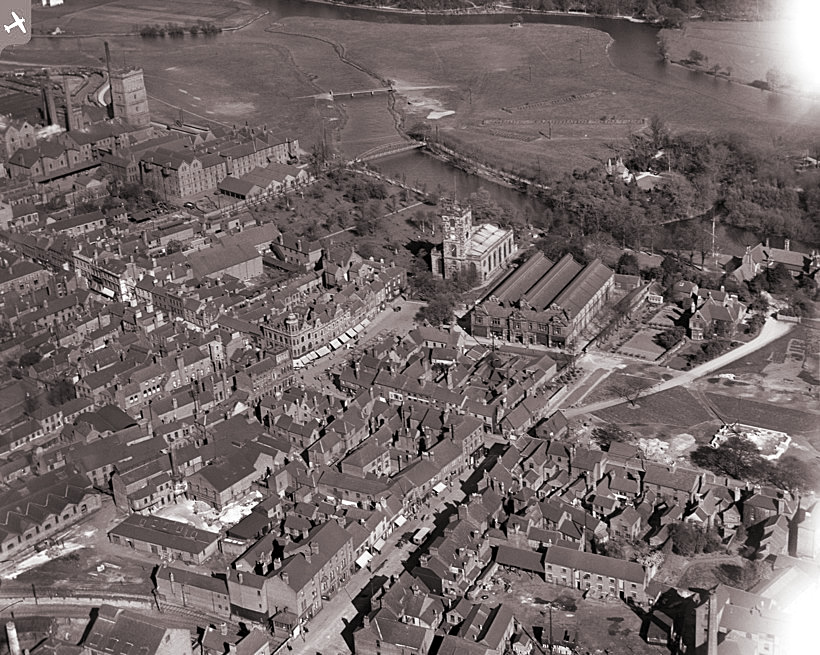
1921 Market Place
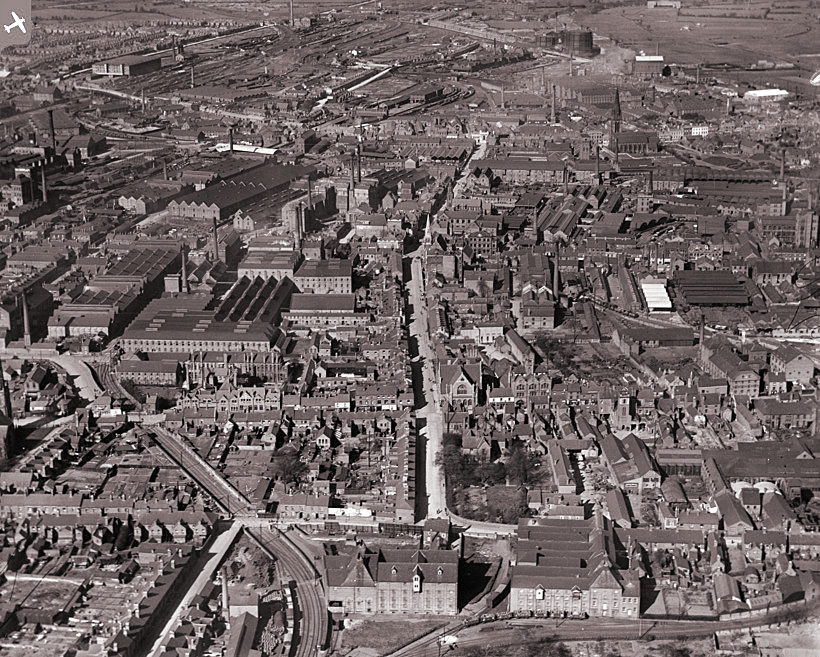
1921 Union Street
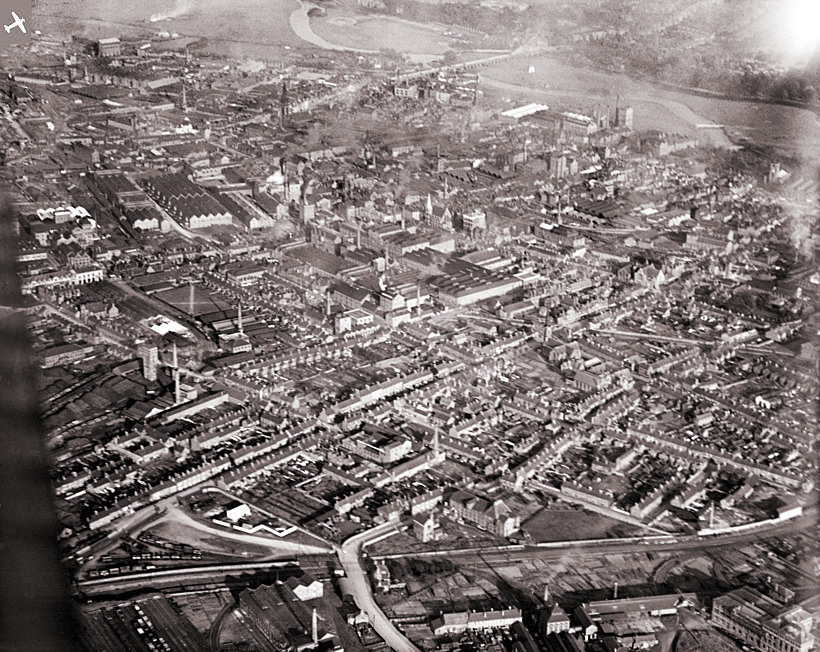
1927 Moor Street
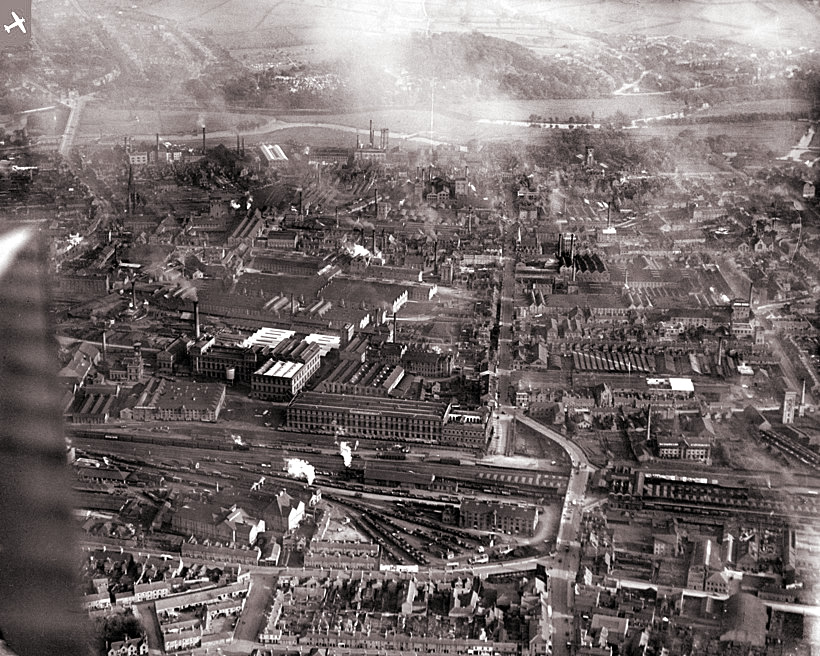
1927 Railway Station
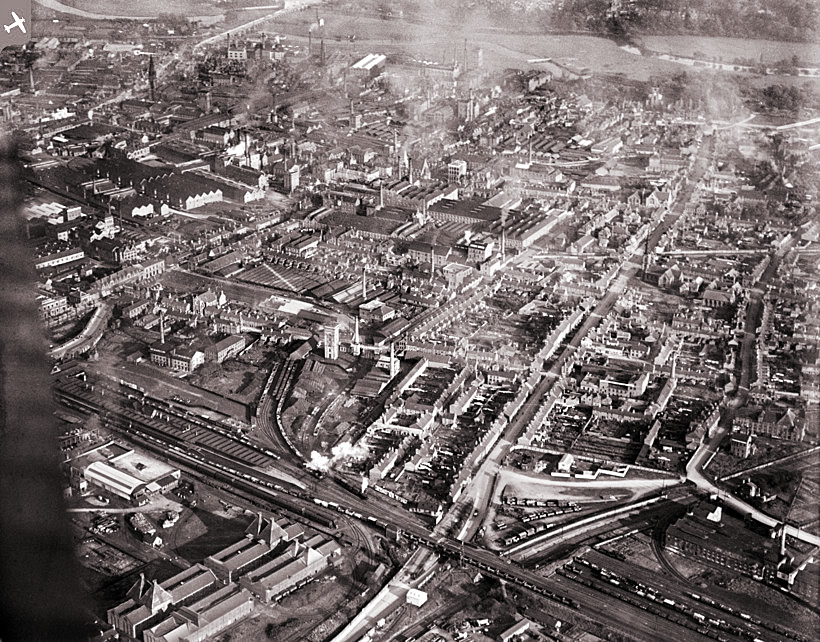
1927 Town
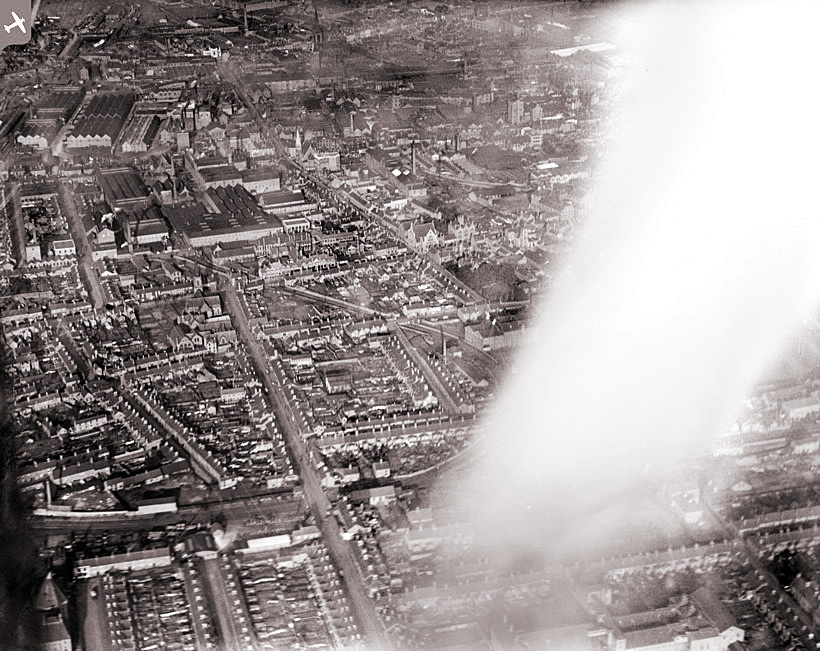
1927 Uxbridge Street
1927 Washlands
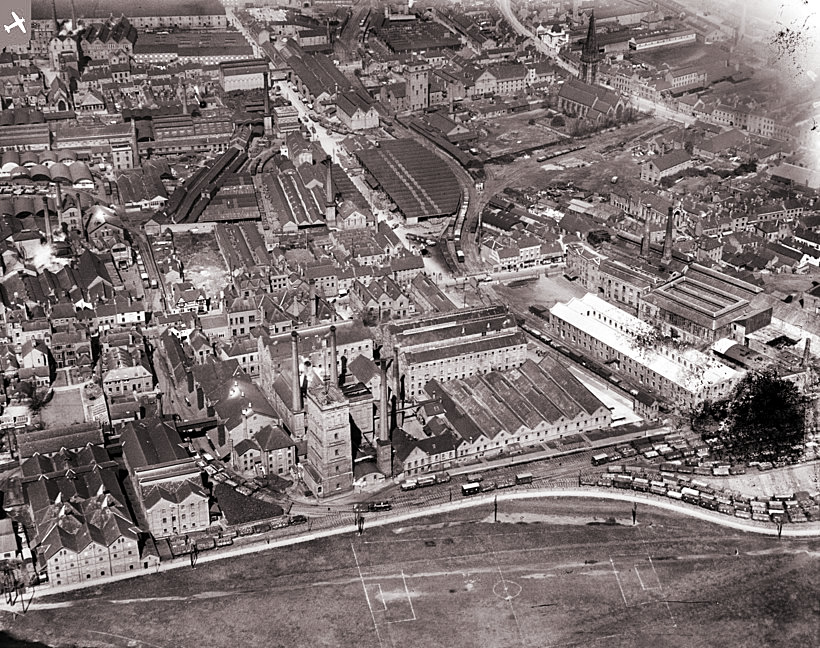
1928 Middle New Breweries #1
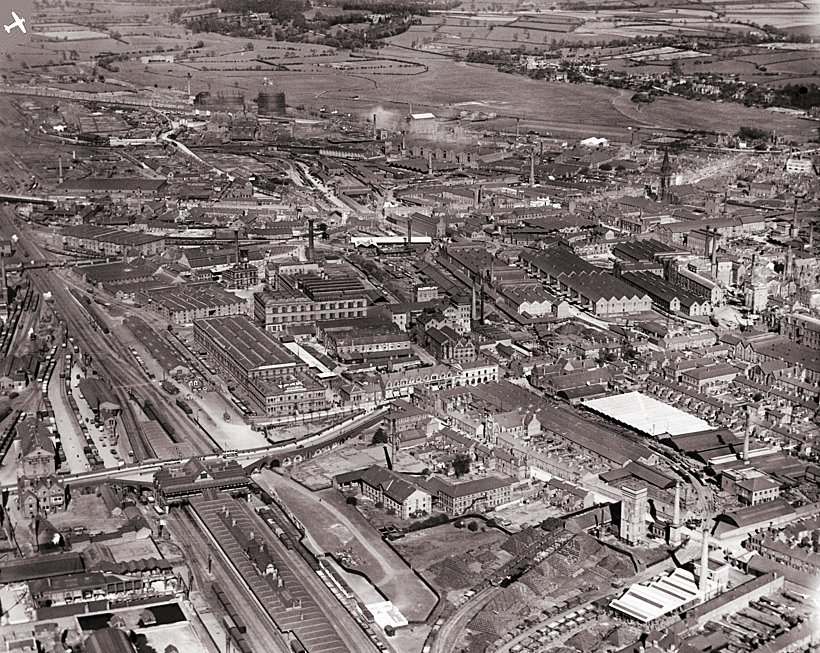
1928 Middle New Breweries #2
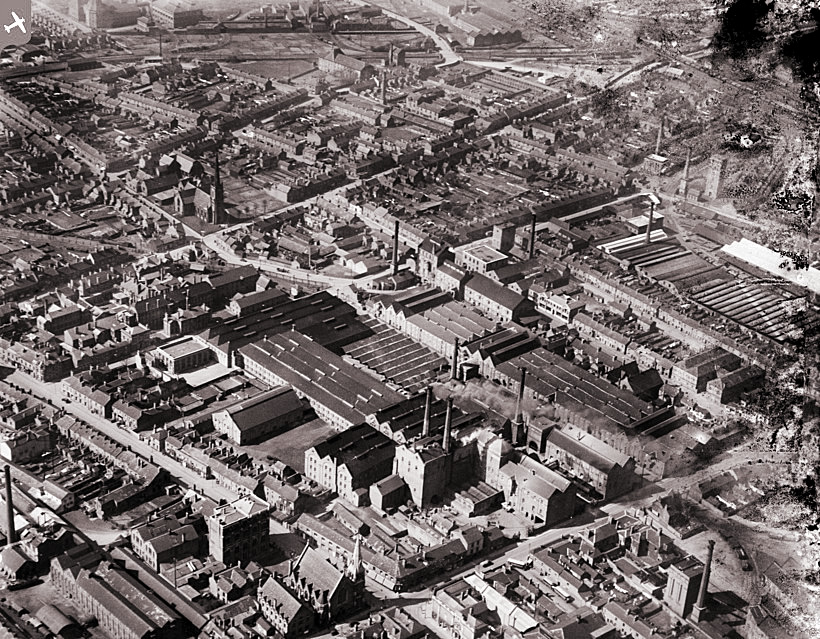
1928 New Brewery
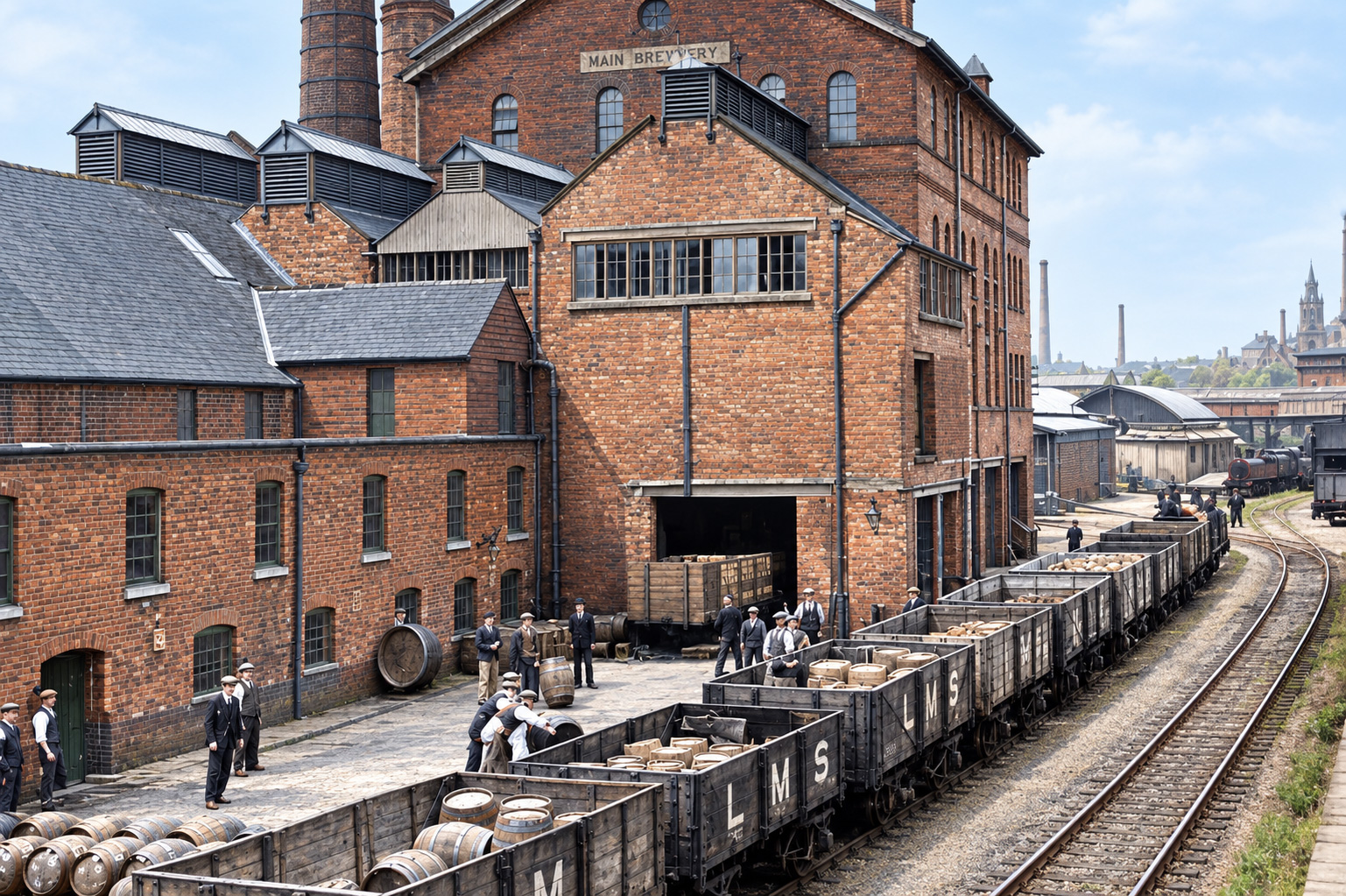
Burton upon Trent when renown as one of the most significant brewing towns in the country, was famous for having its own internal railway system solely to serve the breweries.
Brewers aside however, the plans were not met with enthusiasm, largely because of the many proposed railway crossing that would disrupt the traffic. In 1859, notices were posted all over the town prompting readers to meet at the Court House in Station Street to sign a petition to the House of Commons “Against such railways crossing the Public Streets”. Slightly surprisingly, one of the signatories was W.H.Worthington (who would eventually go on to become Burton’s first Mayor). This might suggest that the Worthington Brewery could manage without them more than some of its competitors!
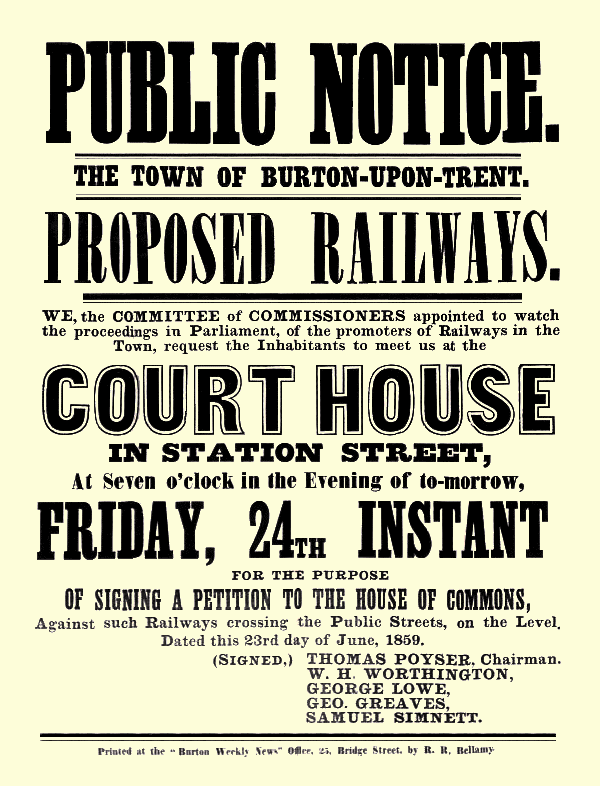
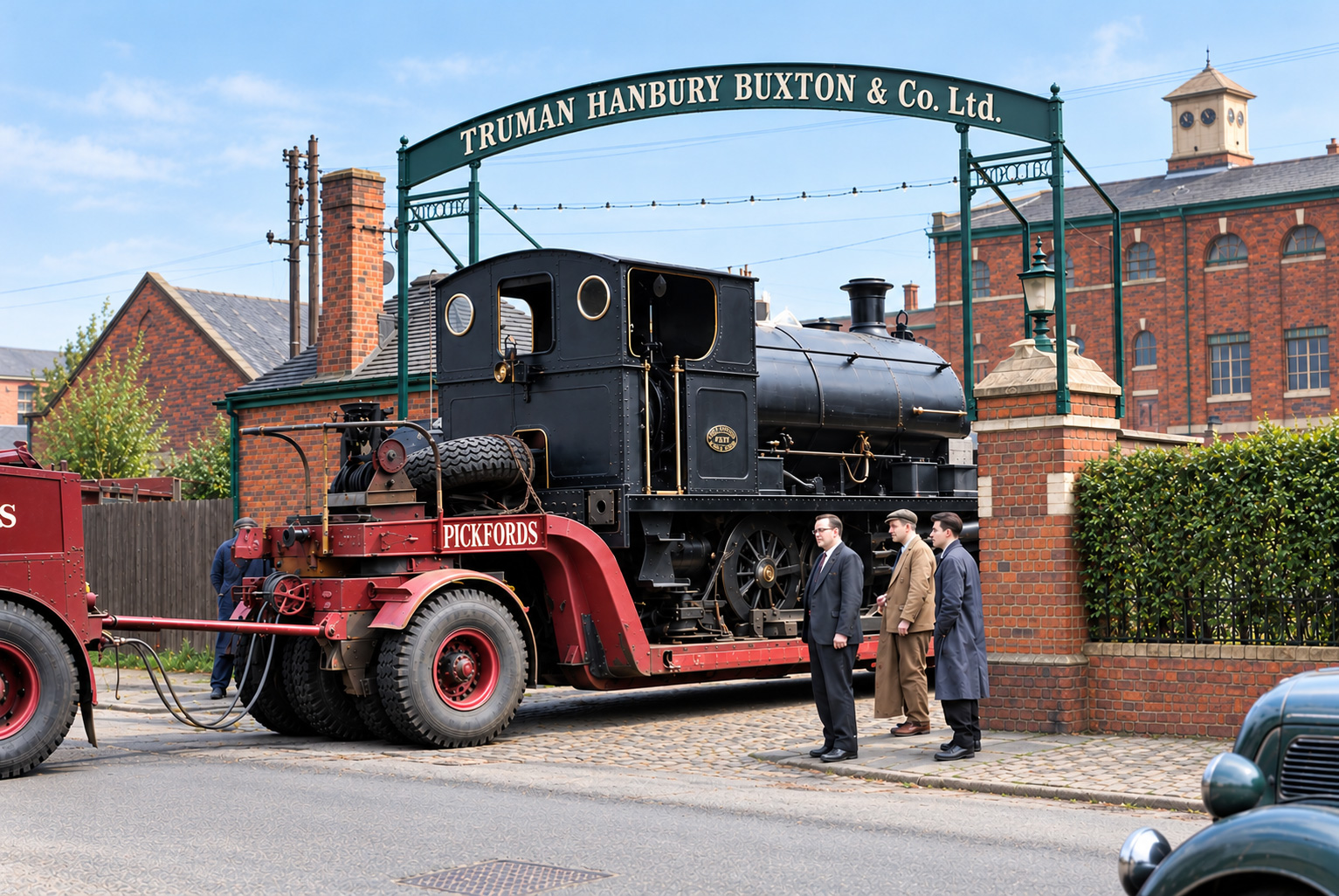
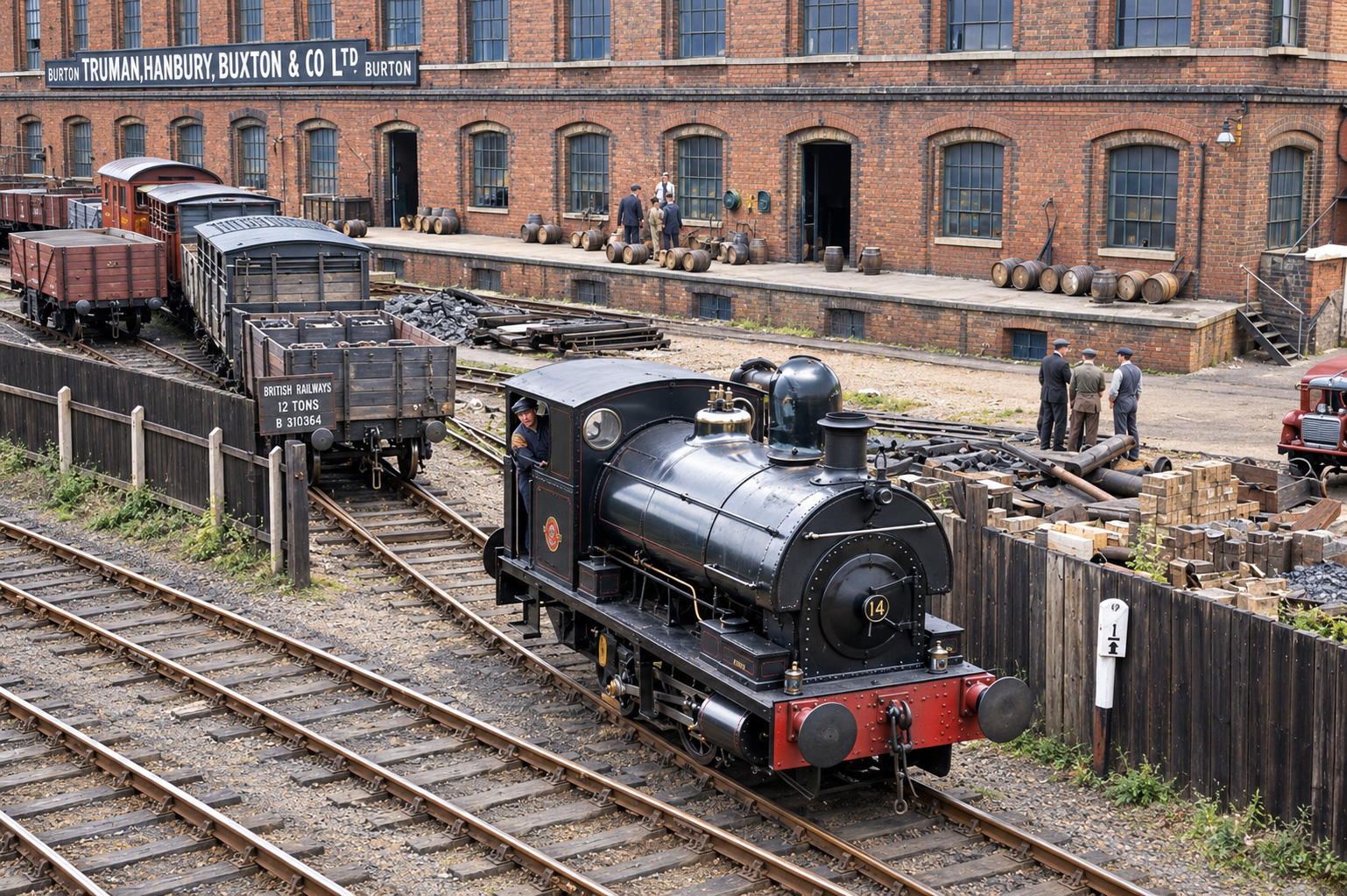
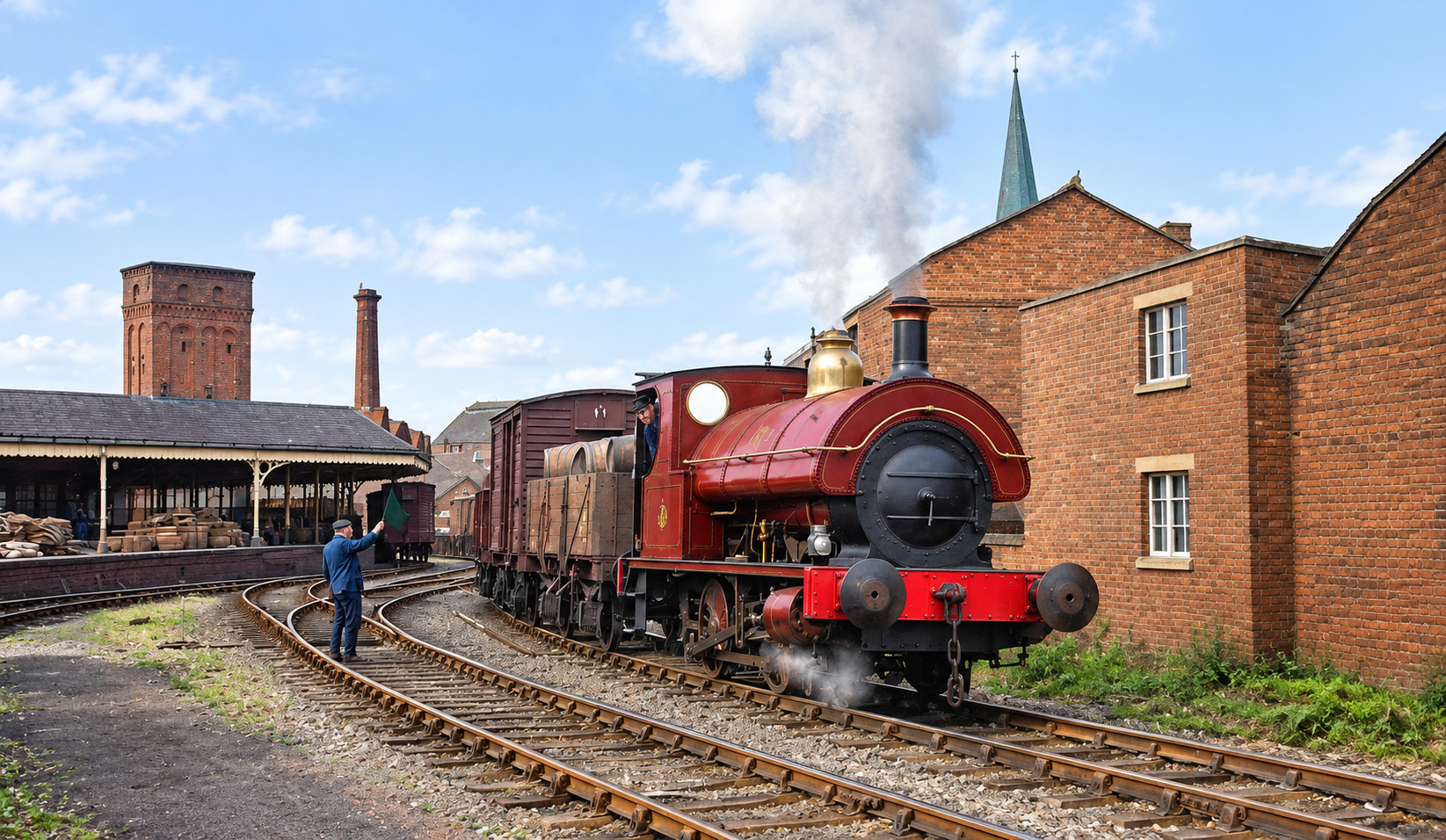
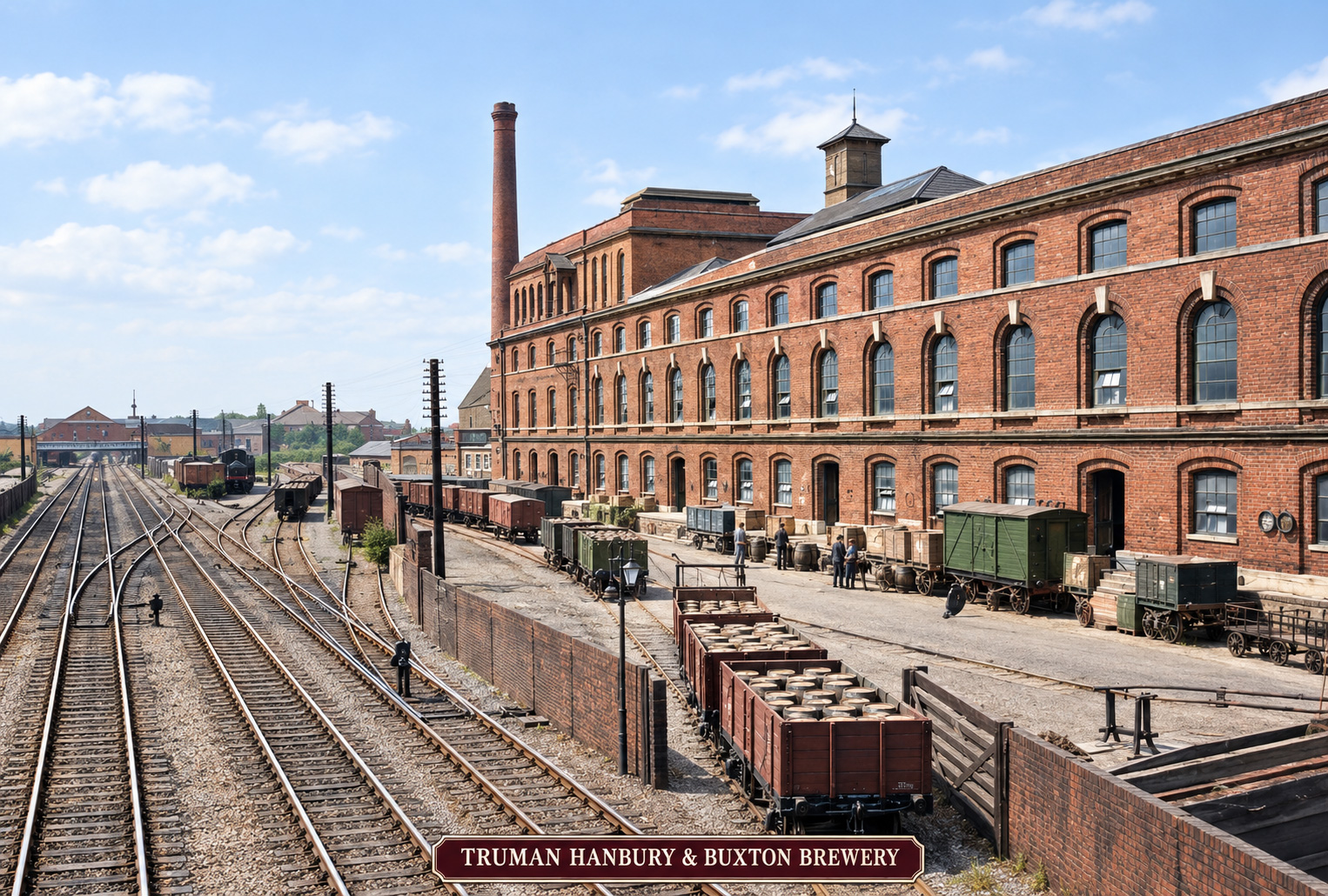
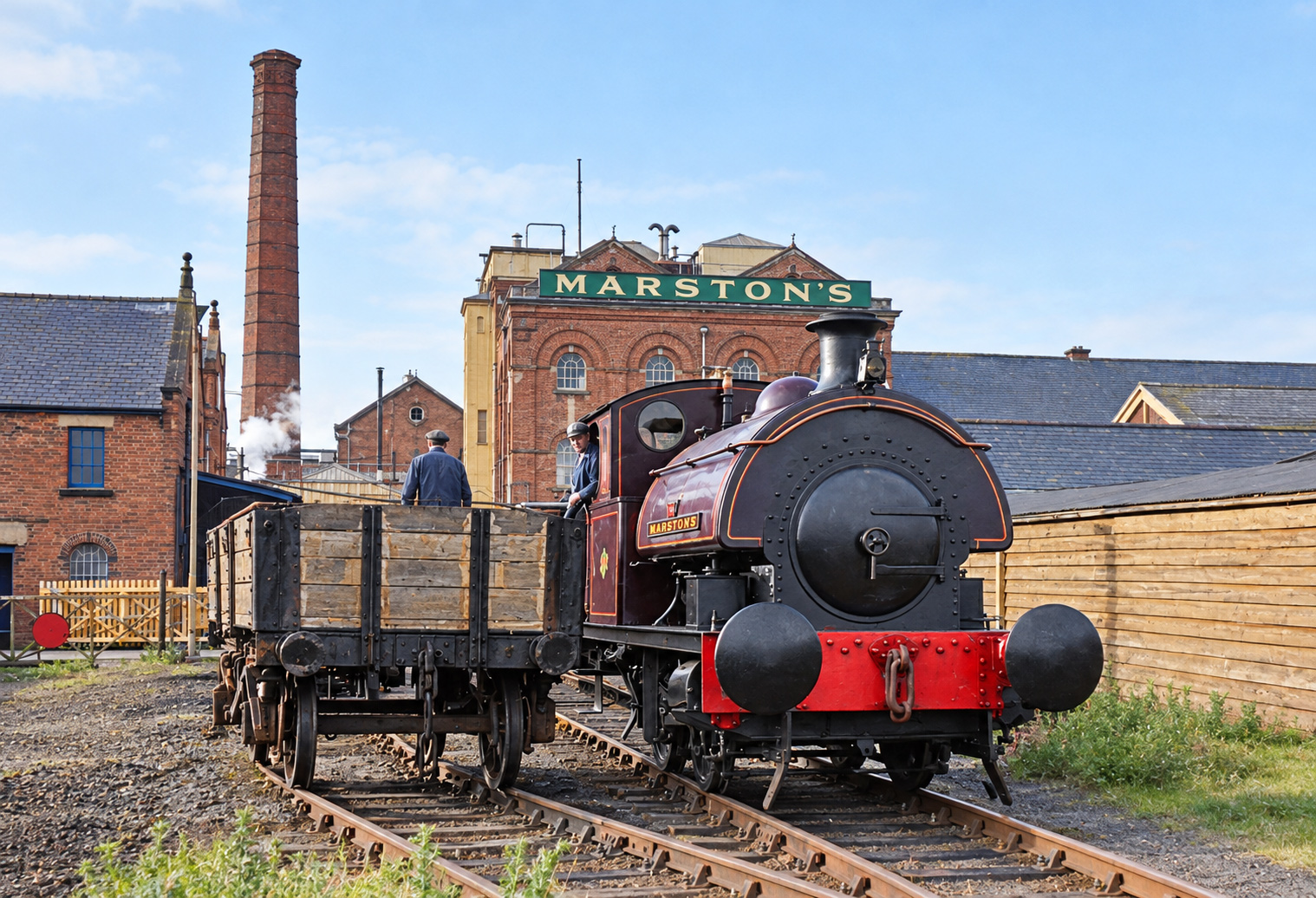
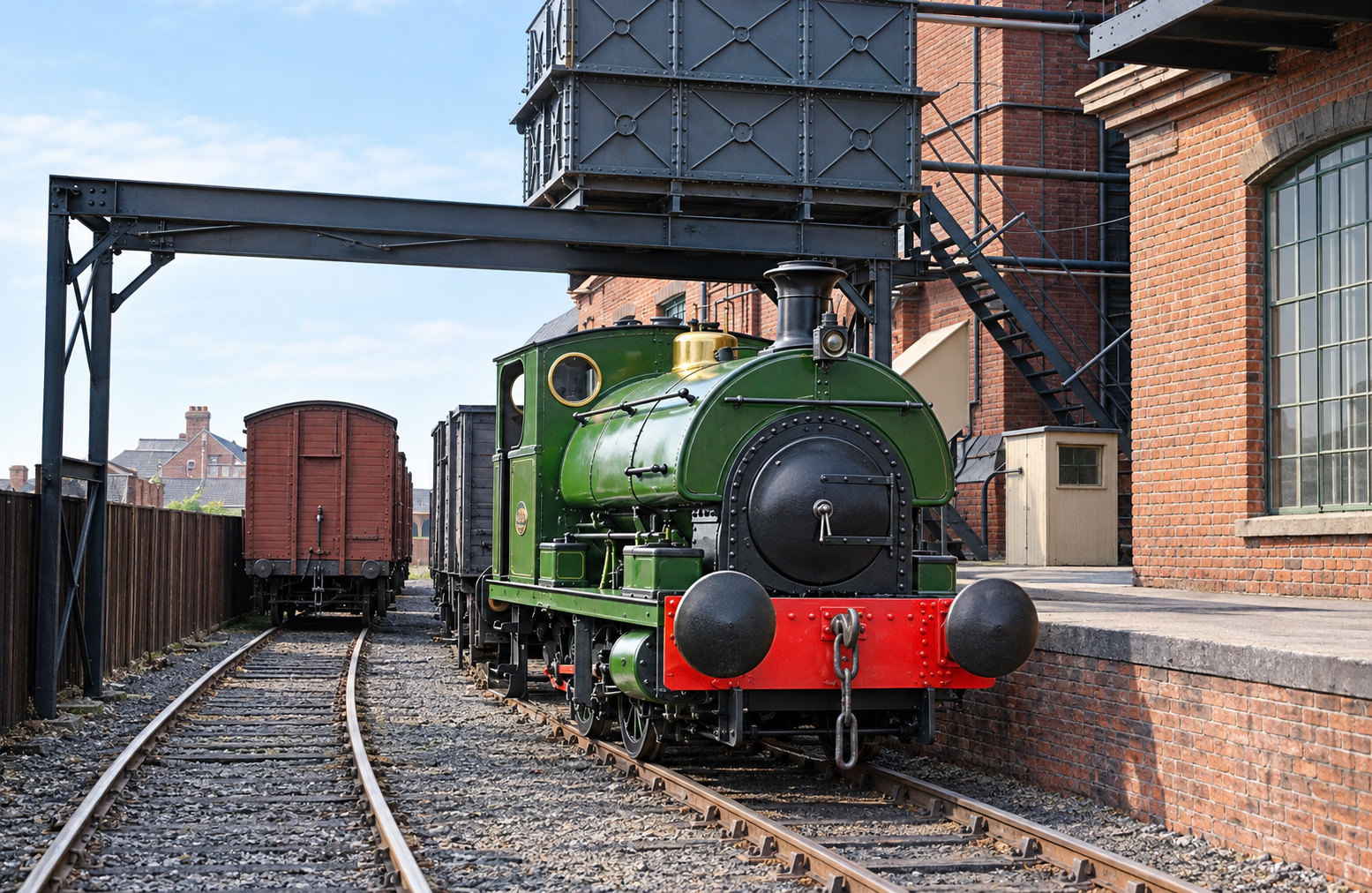
As anticipated, the town’s internal railway had become more infamous than famous with vehicle drivers and pedestrians alike by the time it had reached its peak of 32 railway crossings.
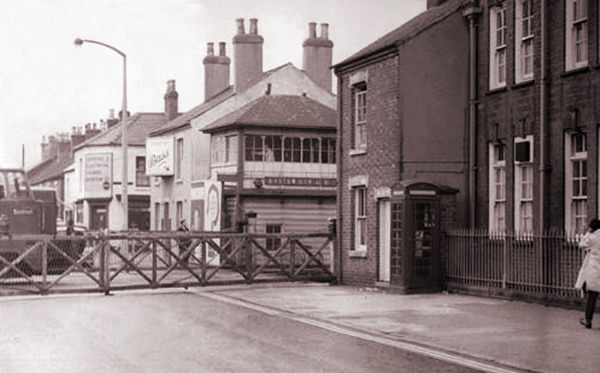
The crossing in New Street with Burton General Hospital in the foreground.
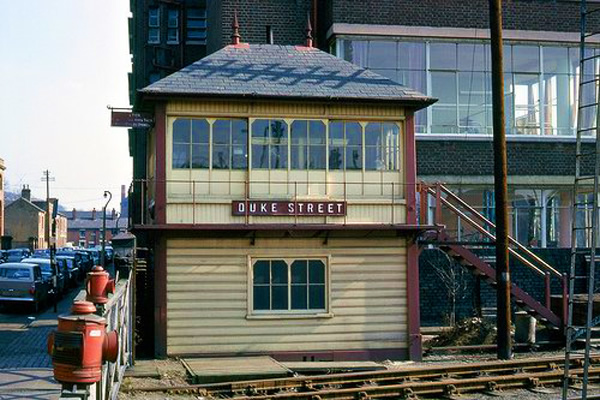
A later photo from a little further down from the New Street Crossing above, this time in Duke Street with the ‘new’ wing of the Burton General Hospital behind.
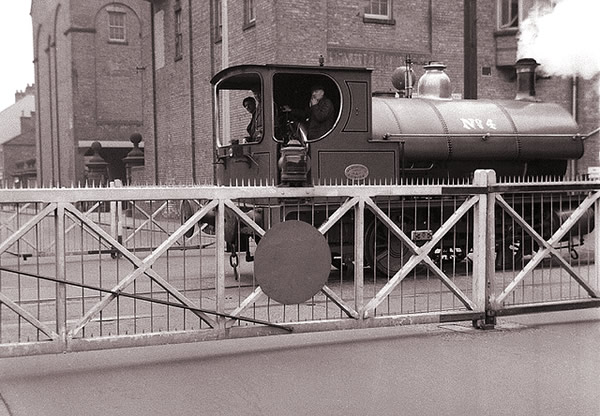
A view of the Station Street crossing in action.
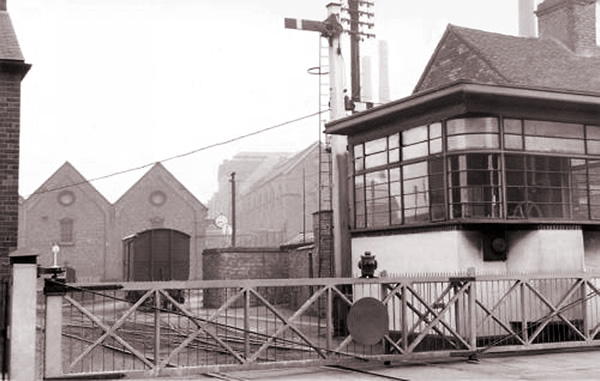
A view of the opposite side of the road reveals one of the more ‘modern’ style of control box.
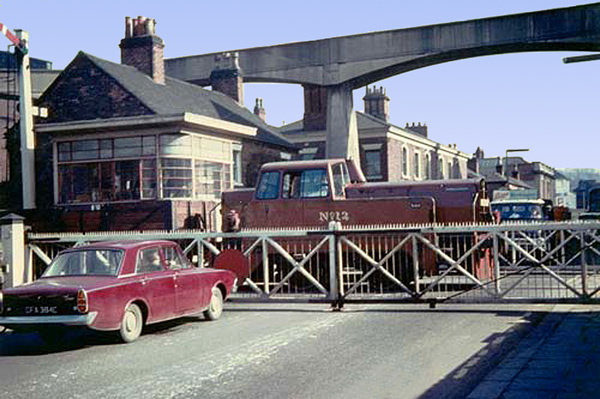
A later view of the same Station Street crossing. I am not too hot on brewery trains but I CAN say that the car waiting is a 1965 Ford Corsair with its distinctive pointed front.
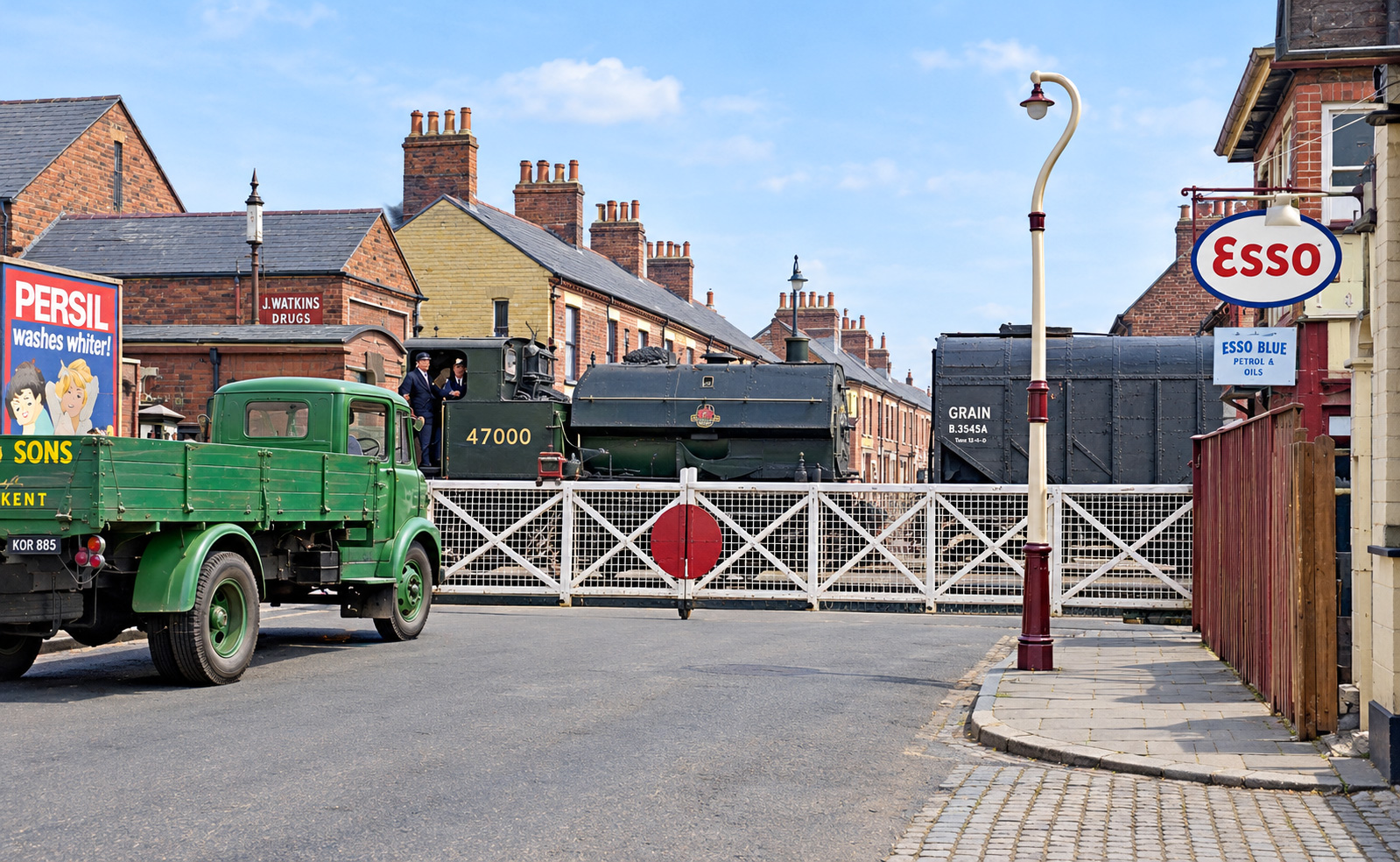
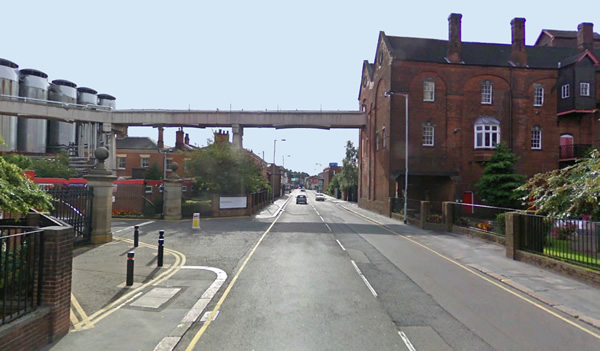
The present day site of the Station Street crossing still has lots of features that can be picked out from the photos above but even still, it is difficult to image trains running back and forth across the road all day.
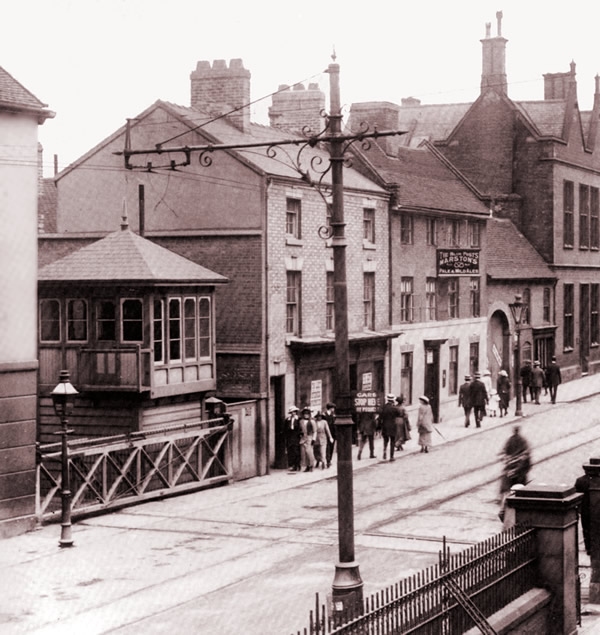
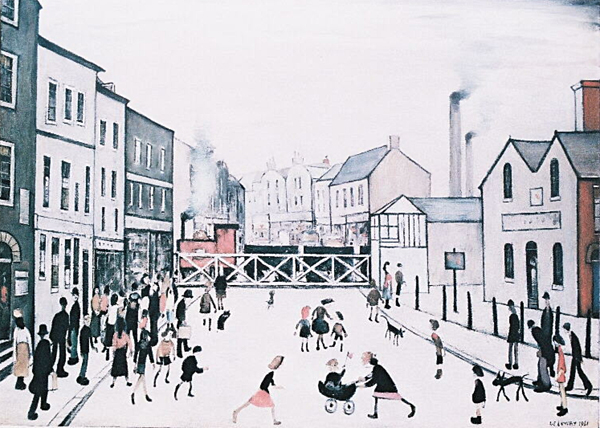
The crossing next to the Blue Posts in High Street was some time later immortalised by being featured in an L.S. Lowry painting, ‘The Crossing’.