Menu Close

Orton & Spooner

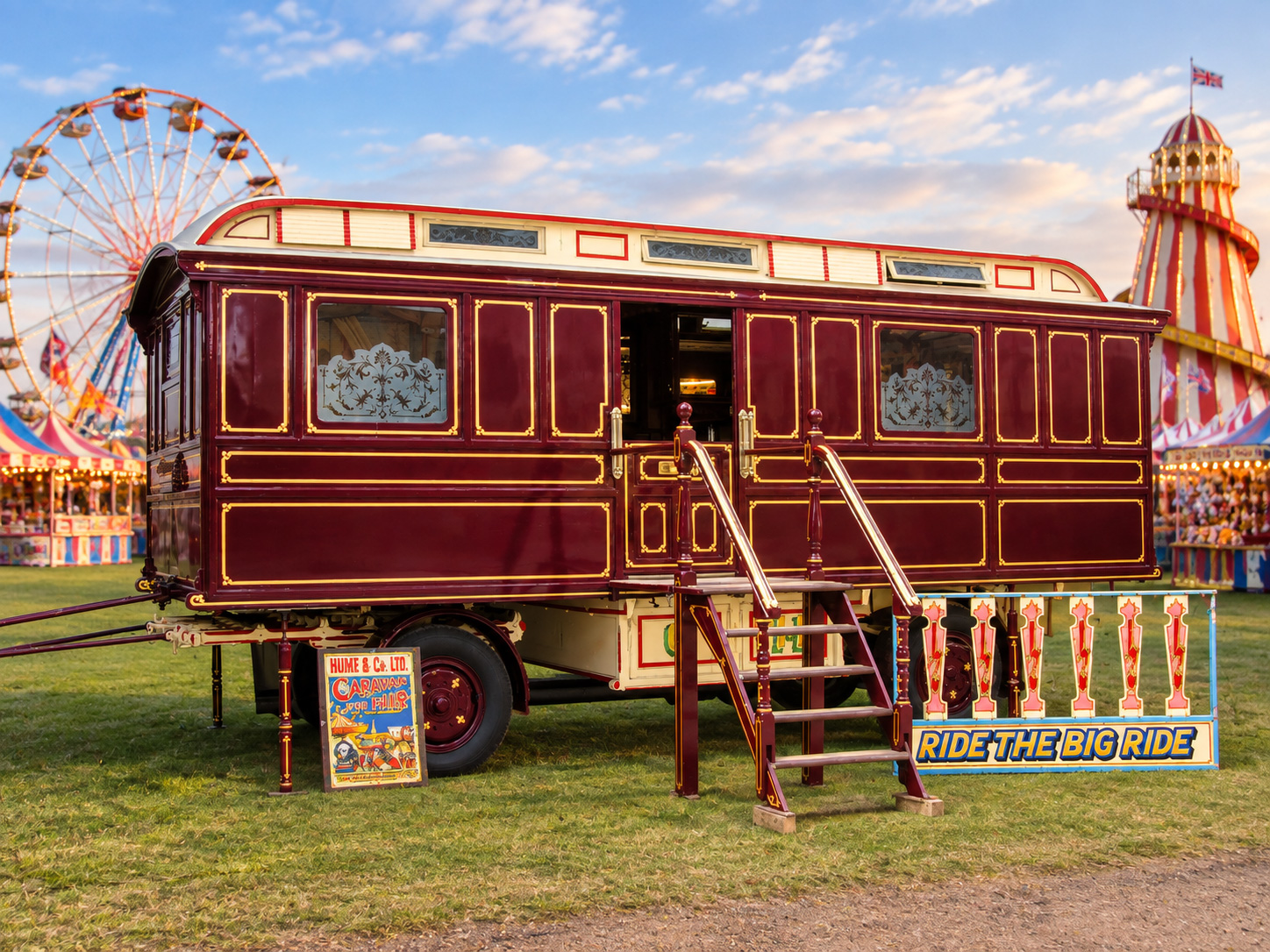
Orton & Spooner was a famous British engineering and fairground manufacturing company based in Burton upon Trent that operated from 1875 until 1977. The company built some of the world’s finest amusement rides, showfronts, and living wagons.

Origins and Partnership

George Orton (1843–1924) was born in Measham. He was a wheelwright and coachbuilder by trade and in 1875 he established the Lion Carriage Works in Victoria Cresent, Burton upon Trent to build transport wagons. From about 1883, he concentrated on building living decorative wagons for travelling showmen.

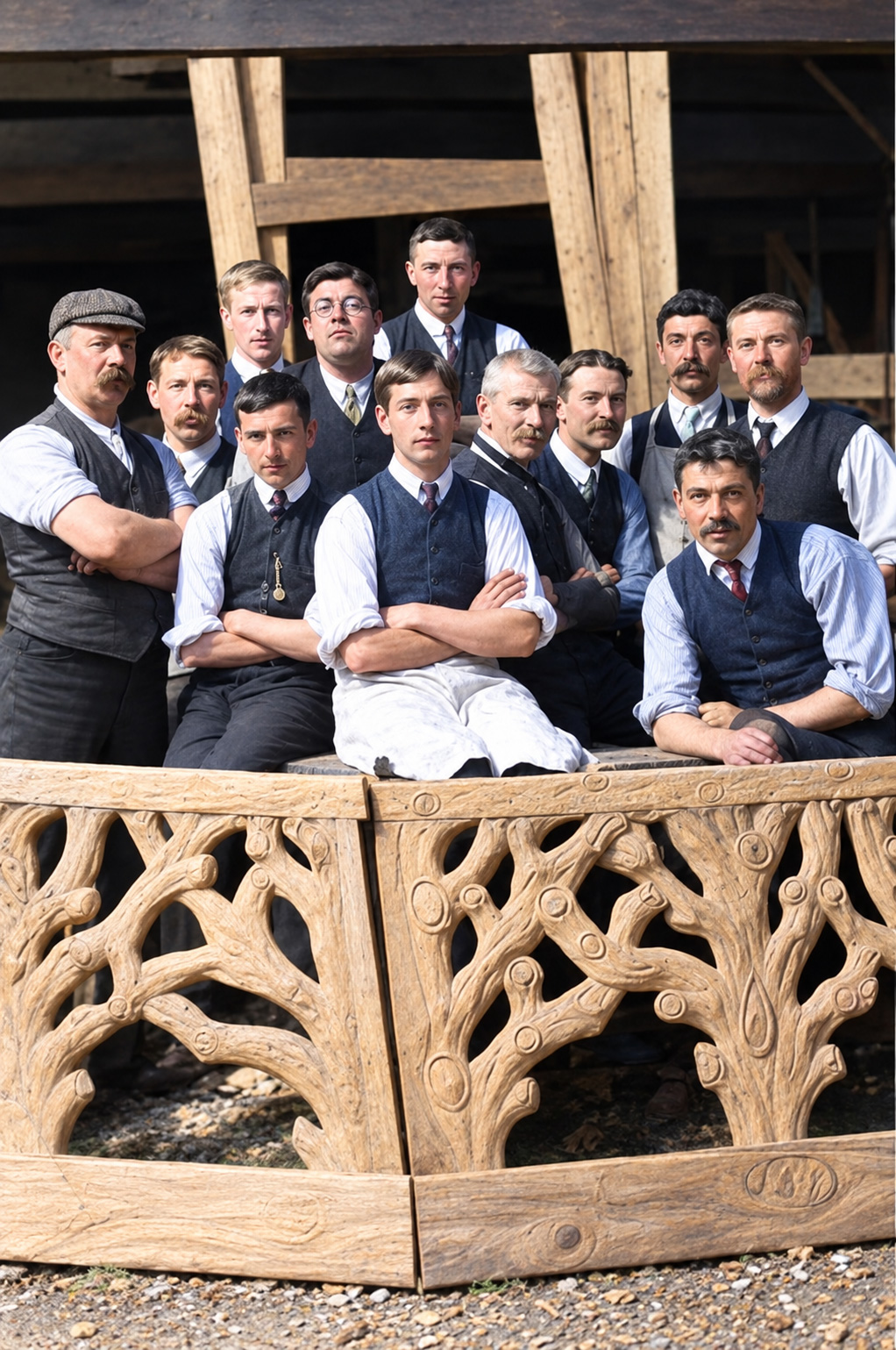
Charles Spooner (1871–1939) was born in Burton and was a wood-carver, and at first made drays and handcarts for brewing companies in the town. He set up in business in 1892 in a yard behind his father’s public house. The Swan. at the Winshill end of the Trent Bridge, and made carved work for showmen and builders of fairground rides, including animal figures for carousels. He was one of Orton’s main suppliers. From 1894 they worked almost exclusively together; their skills fit well together which would lead to a long partnership. In 1897 he married Orton’s daughter Rose Ann.

The two businesses officially joined to become George Orton, Sons and Spooner Ltd. in 1925.

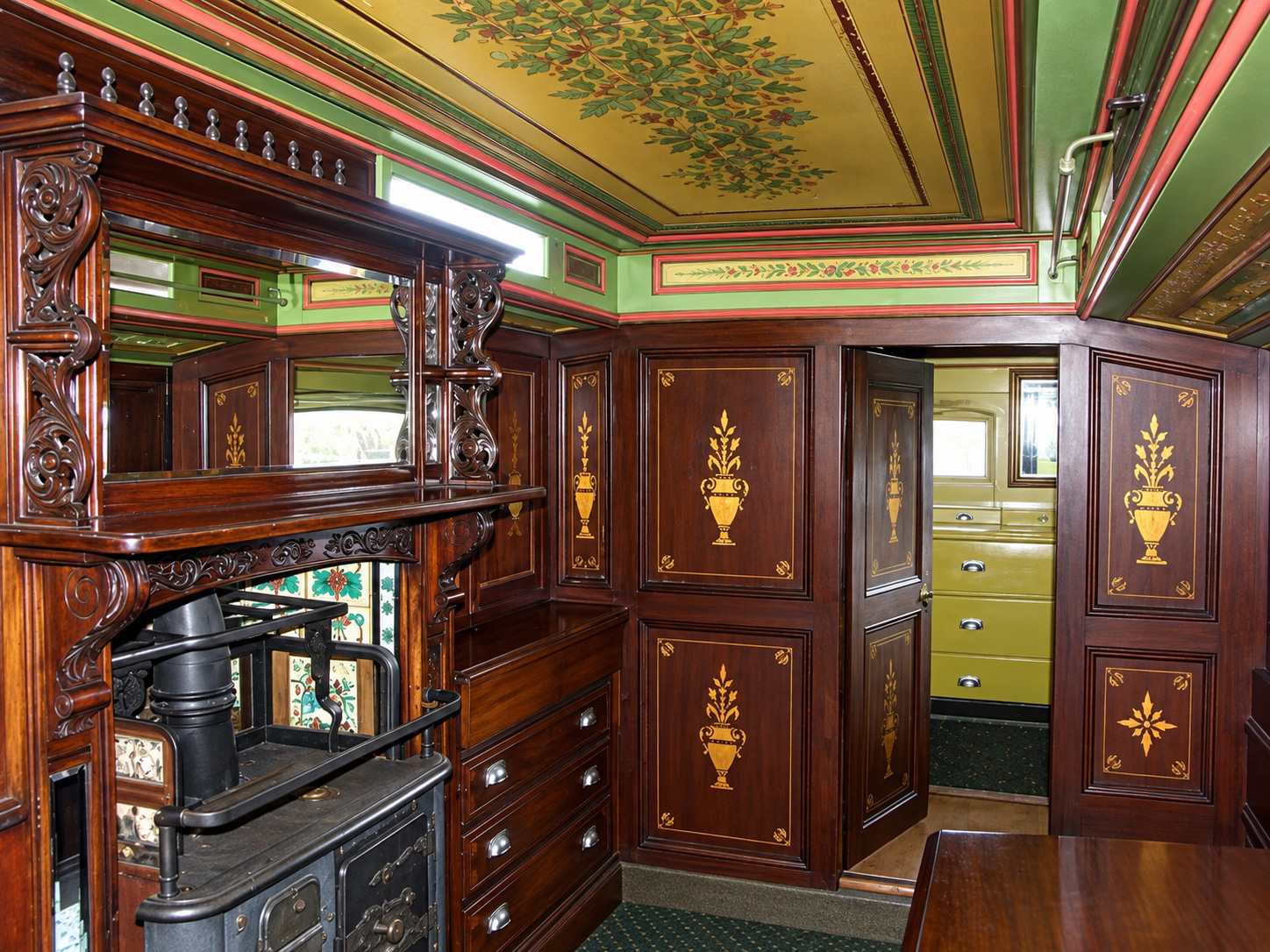
Orton and Spooner Showman Van, equally as impressive inside and out

George Orton retired in 1910, and the business was run by his sons Tom and Charles, his daughter Annie and Charles Spooner. The company in 1912 built erecting sheds on land he had bought in Victoria Crescent in Burton, large enough for a complete fairground ride. Elements for rides assembled here continued to be built at the Lion Work.

Fairground Golden Age

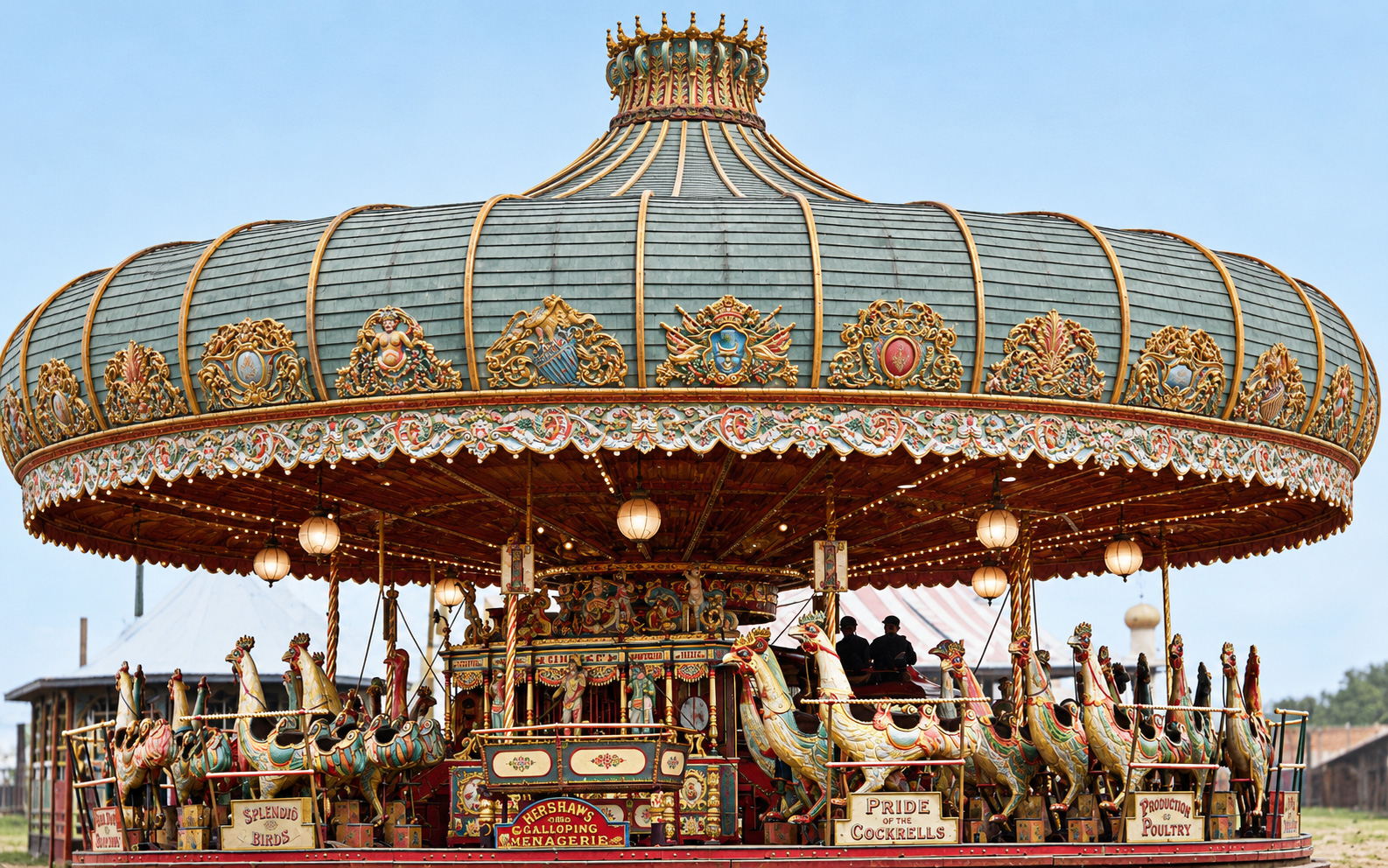
The most important fairground ride at this time was the ‘Circular Switchback’, powered by steam. Orton & Spooner’s main competitor was Frederick Savage of King’s Lynn; after the closure of Savage in 1910, Orton & Spooner dominated the market to become the top fairground ride manufacturers in the UK.

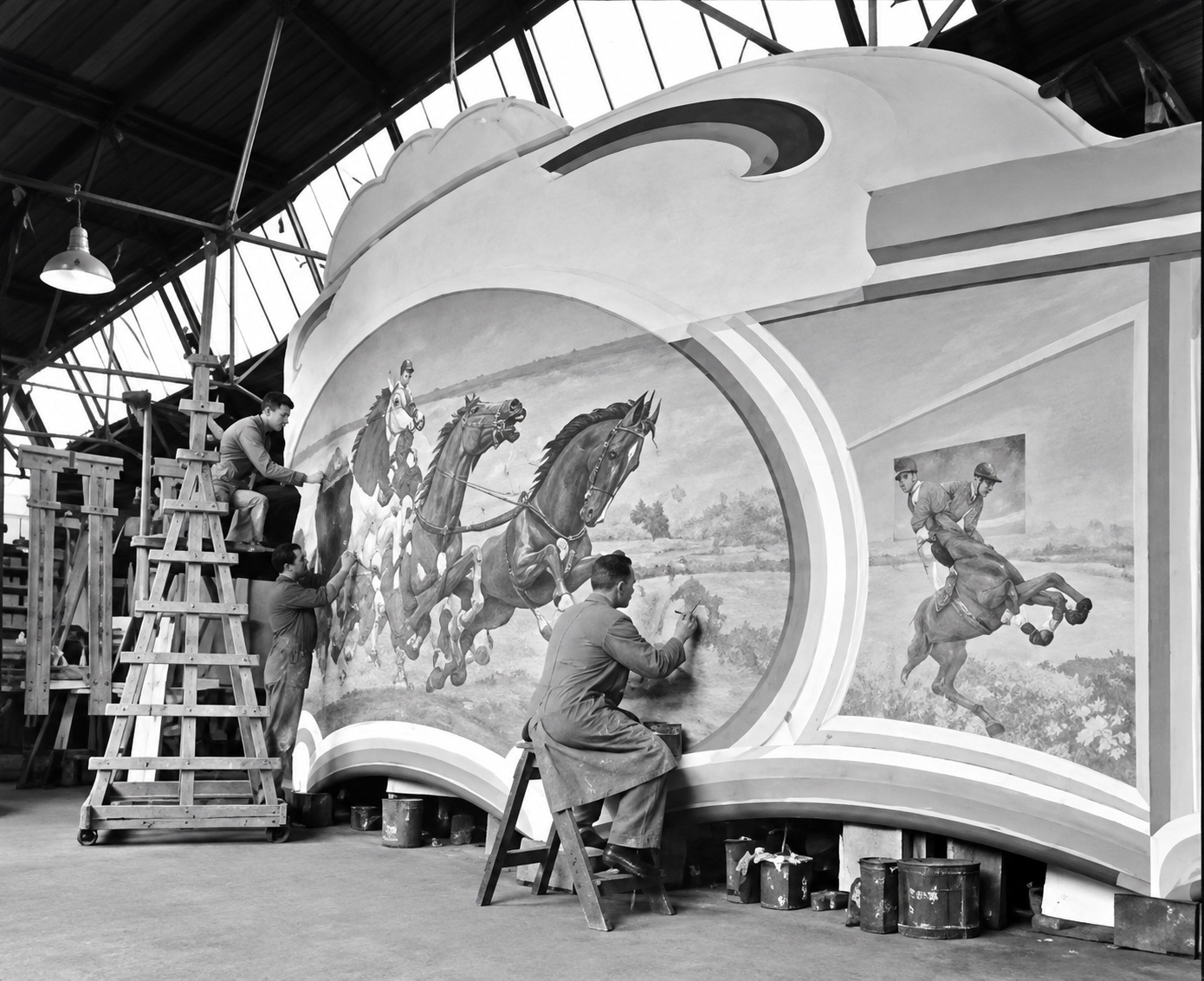
The elaborate panels for all of their rides of all sizes were hand painted at the Orton and Spooner factory.

Orton and Spooner artists at work

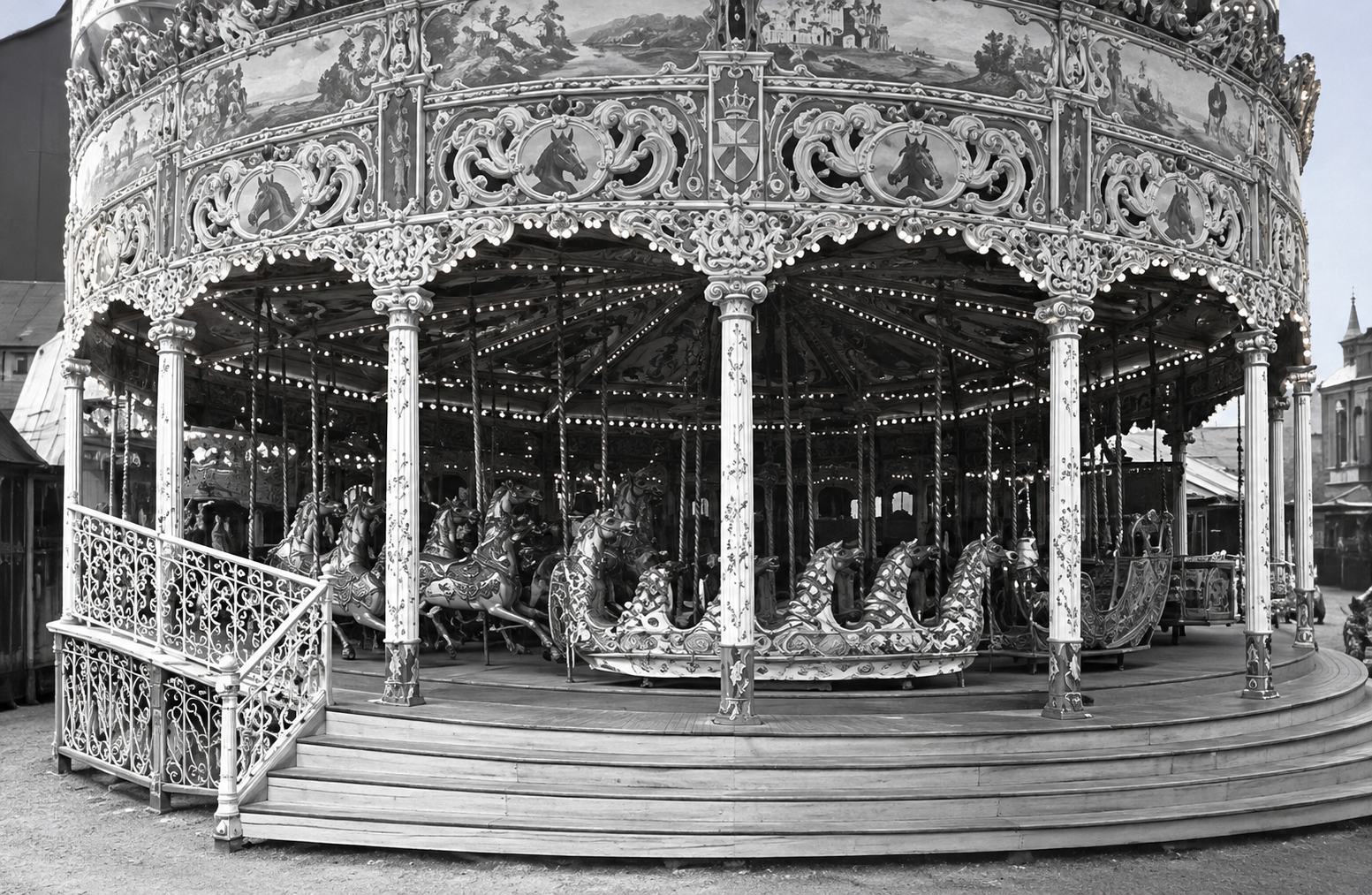
The magnificent four-abreast platform Galloper with a pagoda top, specially built by Orton and Spooner can be seen below at a 1900 Carnival in Glasgow. Amazingly, it was used as a travelling fairground attraction to large fairs such as the Nottingham Goose Fair. It finally ended up being shipped across the Atlantic to Coney Island, New York and was still there in the 1960s but minus the elaborate top.

Orton and Spooner Galloper 1900

In 1912, they built their first so called ‘Electric Scenic Railway’ fairground ride. They went on to make dozens of these large tracks. The ‘scenic railway’, powered by electricity, became important and it was Orton & Spooner that made the first such ride, with a circular undulating track. Over twenty years they built, rebuilt or modified 32 scenic railways. 

Orton and Spooner first Electric Scene Railway 1912

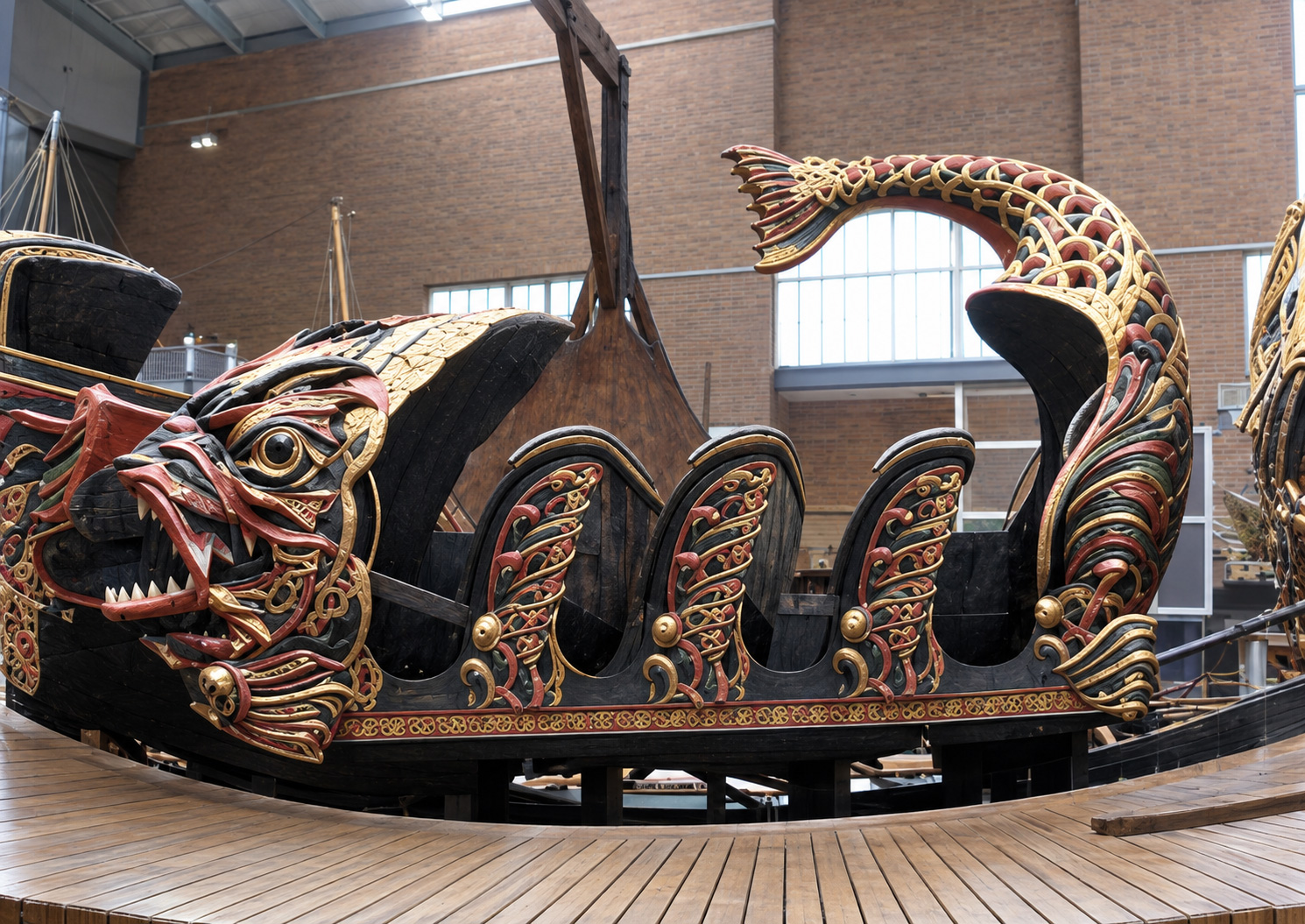
And below, a typical ‘Circular Railway’ carriage carved by Spooner. It was named ‘Whale’ though the teeth suggest something more sinister.

In the 1920s and 1930s, they shifted to smaller rides like Noah’s Arks, Dodgems, and Ghost Trains. Their hand-carved wooden animals and horses were famous for their high quality. From the late 1920s, the most important machines were smaller roundabouts, particularly ‘Noah’s Ark’, so called because of the various carved animals in the ride. They also made other fairground machines and side stalls.

Another great Orton & Spooner ride on a fairground in 1968.

Wars and Final Years
The British government took over the Orton and Spooner factory during both World wars. They built portable aircraft hangars in World War I and military vehicles in World War II. After World War II, demand for fancy fairground rides dropped and the company stopped building fairground rides in 1954.

It survived until 1977 as a light engineering company until it was finally closed in 1977.

Peel Mill


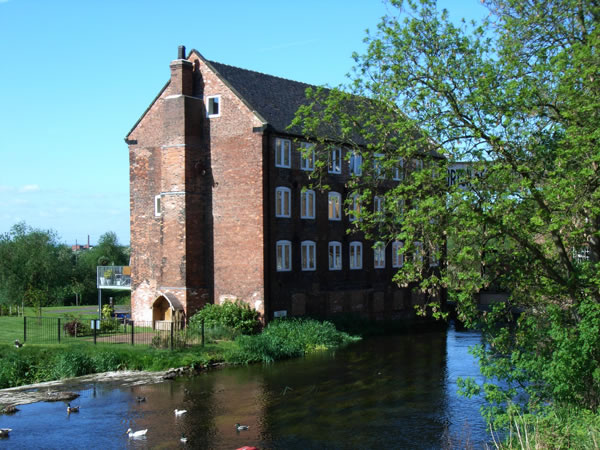
Peel Mill stands almost inconsequentially next to the river in Winshill, at the bottom of Mill Hill Lane. It is easy to pass it by without much notice but it has a fascinating story to tell.

It was opened in Burton by Robert Peel who relocated his milling operation from Altham, near Blackburn, after a large mob broke into Peel’s mill there and destroyed most of the machines due to the Luddite feelings that they would put many people out of work.
So what about the most famous Robert Peel who was Home Secretary, Chancellor of the Exchequer and (twice) Prime Minister best known as the founder of the Police Force? Any relation? In fact yes, he was the mill owner’s Grandson!
Mention the name Robert Peel and the first historic figure that probably comes to mind is man most famous for the formation of the Police Force. This feature concerns his Grandfather, Robert Peel.

Robert Peel experimented with fabric printing in some outbuildings of the family yeoman farm. He made the fortuitous acquaintance of a government officer who had been posted from London whose former job involved the responsibility of an India based textile company with a unique process for permanently fixing patterns on fabric but had been refused permission to establish a similar company of his own in London. The two of them established a small fabric printing company in some outbuildings of the family farm in Lancashire

Another nearby Lancastrian, James Hargreaves, had been experimenting with a machine that could do the work of a group of women sitting at individual spinning machines, far more efficiently. It was the forerunner of the spinning Jenny.

Peel immediately recognised the potential and re-mortgaged the farm to raise money to develop the machine. In 1765, the first mill was in operation at Altham near Blackburn. It had a rack of 40 spinning jenny’s operating in tandem, each turning eight spindles. This was combined with Peel’s printing process to produce his earliest design which featured a single parsley leaf repeated in diagonal rows. This became widely known as ‘Parsley’ Peel and was a great commercial success. So much so that it became his nickname too.

Industrial advancement was everywhere and within a couple of years of Peel’s first mill opening, Richard Arkwright had patented his water powered spinning frame and James Watt was on his way to perfecting the steam engine. Almost overnight mass production had arrived and cotton spinning was no longer a cottage industry. Hand spinners using traditional spinning wheels could simply not compete with ‘modern’ mechanisation.

A large assembled group, feeling that their very livelihood was under threat, broke into Peel’s mill and destroyed as many machines as possible, throwing many of them into the adjacent river Calder. The textile world wasn’t ready for Peel’s advancements so, rather than trying to rebuild, he decided to look around for another potential site, far away enough from the rioters but close enough to his now established customers.

Burton-on-Trent
Burton-on-Trent proved to be ideal. Most raw cotton arrived at the Liverpool docks and there was a direct link via the new Trent and Mersey canal which had been recently opened in 1777. Unlike the Lancashire he was leaving behind, Burton embraced the idea of new industry and Joseph Wilkes, a very successful businessman and director on the Burton Boat Company which leased the shipping rights on the river Trent from the Earl of Uxbridge and who owned his own bank, was more than happy to help finance Peel’s new business. Another great advantage of having Wilkes involved was that the terms of the Burton Boat Company’s lease enabled them to supply him with sites for mills and water to power them.
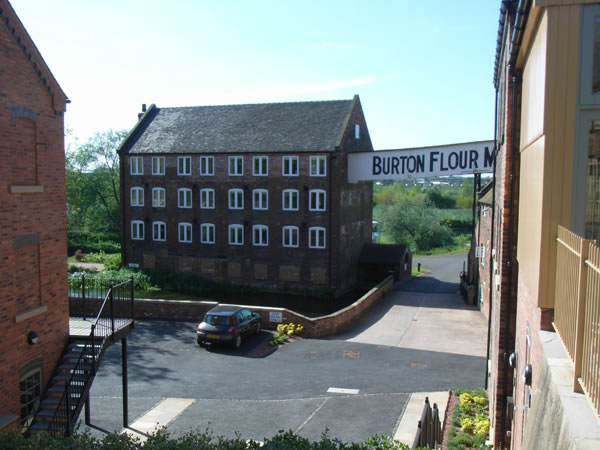
Mill wheels need a guaranteed, steady flow of water to act as a driving force. Without proper water management the Trent at Burton was too unpredictable, too slow flowing and liable to flood. At Winshill however, there was already a site for a former fulling mill on an artificial island with suitable weirs and sluices to control the flow. By 1781, all remains of the original fulling mill had disappeared, to be replaced by a new much larger purpose built four storey mill. Another fellow director of the Burton Boat Company, Sampson Lloyd, also ran a foundry. This was just upstream of the proposed mill, allowing mill machinery to be built and easily shipped into place. After a few years, it was decided to remove the first floor to make a much higher ground floor which was comprised of 8 high bays measuring 120 feet by 30 feet.
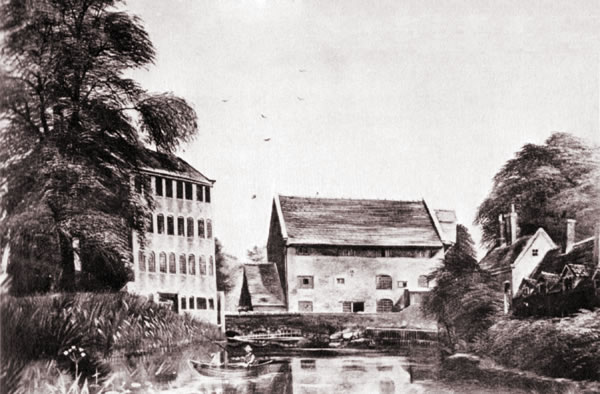

Before the arrival of photography, the above early 19th cenury painting of the Peel Mill, together with what was then, Burton Corn Mill, provides the best available record of the scene.

Robert Peel, by now almost 60 years old but still very energetic and with two keen sons. A second mill soon followed at Bond End in Blackpool Close, 300 yards south of the Fleet stones. Construction started in 1782 and was completed the following year. It was supplied by water from a specially dug channel known as Peel’s Cut. To assist in the construction he purchased several large consignments of timber from J.W. Wilson of Burton costing £66.00.

The third mill was constructed between 1784 and 1787 and was built on the site of the old Upper Mill near Waterside in Stapenhill. In 1795 the fourth mill was built at Bond End close to the other existing mill; this mill was called the “New Building”. In 1814, part of the old forge mill at Winsill was converted into their fifth and final mill in Burton.

Robert had started by leasing two houses in Horninglow Street but, once established, brought a large Georgian town house in Lichfield Street which he re-fronted and completely refurbished. Peel House was conveniently close to his Bond End works. He also had cottages built close to their mills for workers and superior houses for managers, overlookers and superintendents.
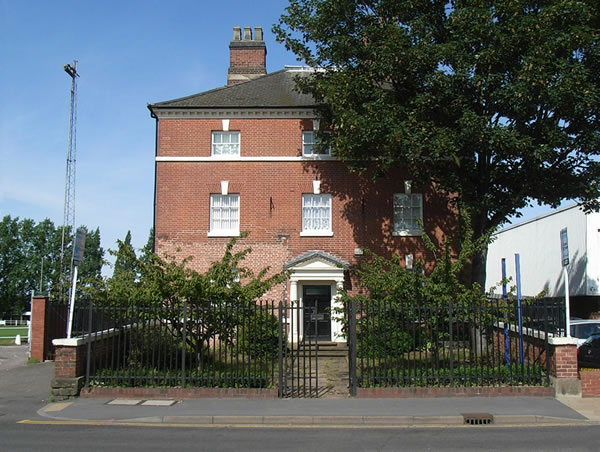
In little more than a decade the Peel’s had made the textile industry the major employer in the area, before the enormous growth in the brewing industry, and other business entrepreneurs, seeing the opportunity created by Peel’s success, started mills of their own. Thomas Dicken and Benjamin Wilson, two of the early brewers in Burton, left the brewing industry and joined forces to establish a mill on the river Trent at Alrewas. In Tutbury, John Bott and his son Charles, already involved in producing woollen cloth, erected a five-storey cotton mill on land leased from the Duchy of Lancaster in Bridge Street where the existing mill stream could be exploited as a power supply. Numerous other mills also sprung up and down the Trent from Burton.

This rash of factories springing up to cash in on the advantages of new industrial technology may have been mechanised but manpower was still essential. Spindles had to be loaded, looms supplied with thread, machines constantly maintained, raw materials and finished goods moved. For the most part it was boring, repetitive and noisy work. Around a quarter of all mill workers were children. Many officially ‘paupers’, poor children and orphans sent as indentured apprentices to prevent them becoming a burden on their home parish in the days long before the welfare state. Mill owners were responsible for housing and feeding their apprentices.

Hours of work in Peel’s mills were generally six o’clock in the morning until nine o’clock at night with only a short break for a midday meal, six days a week. They did though, directly and indirectly, provided employment for almost 800 local workers which was a significant proportion of the population at the time. Although conditions seem atrocious by modern standrads, they were actually much better than in many other industries of the time.

Summoned before a Select Committee set up by the Government to investigate conditions in factories, Peel said that as a busy man he did not have much time to visit his factories personally and claimed that it was the mill managers, paid by results, who were responsible for the poor conditions and long hours. Robert Peel, now ‘Sir’ Robert Peel, to his credit, used his public position to try and improve conditions and supported several acts of parliament, among them, setting limits on the number of hours children could work and ensured they were provided with suitable clothing and a basic education.

Robert Peel retired in 1792 and moved back to Lancashire leaving his sons in charge at Burton. By then, Robert Peel II had set up his own business. Initially in partnership with Wilkes he purchased the bulk of Sir Thomas Thynne’s Drayton Bassett estate and opened his own textile mills at Tamworth.

His son, John Peel, and other members of the family continued their operations in Burton for a few more years but in a fast moving business the local mills were becoming outdated and uncompetitive. Only one steam engine had been installed. The centre of textile manufacture was gravitating back northwards to Lancashire and Yorkshire. One by one the local mills began to close and brewing took over as the principal industry.
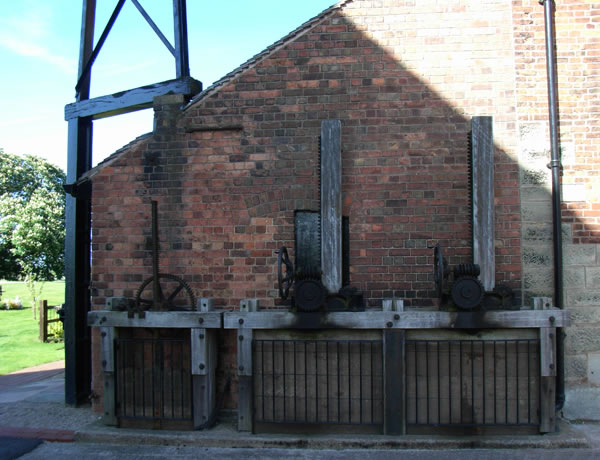
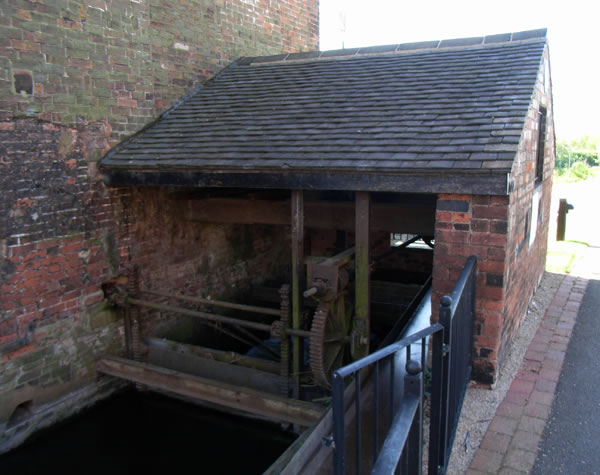
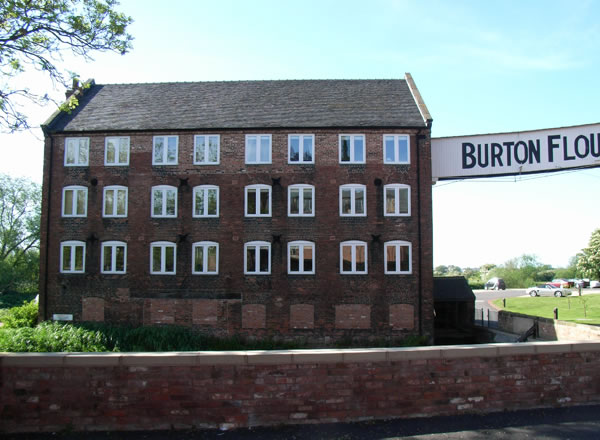
The original Peel mill can still be seen at the bottom of Mill Hill Lane in Winshill and it is still easy to imagine it on its own little island. For a while, it was used as part of the much larger Greensmith’s Flour Mill which grew up next to it. It has now been converted to apartments and, although the main controlled stream has now been replaced with a roadway, a number of the original mechanisms have been retained as features.

Robert Peel II (1st Baronet)
Robert Peel II had a good London education before joining his father’s company. He was made a partner at the age of 23 and very soon, he had taken control of the business and began to make full use of the new technology that was transforming the textile industry.

Peel, still a Lancastrian at heart, established other milling interests at Woodhill, to the north of Bury. After marrying the daughter of one of his partners, he settled at Chamber Hall in the town. It was there that Robert III was born, one of 11 children.

Robert Peel II, with a much better education than his father had enjoyed, was a very shrewd businessman and, still aware that his introduction of machinery was still likely to cause problems among traditional Lancashire textile workers, he built a new factory in Tamworth and manned it partly with pauper children from London workhouses. Financially, this venture was a complete success and in the 1790s, Robert Peel II was recognised as one of Britain’s leading industrialists, commanding a workforce of 15,000. In 1790, he was elected MP for Tamworth and 10 years later he was knighted and became 1st Baronet.

Sir Robert Peel II eventually sold his share of cotton mill interests and retired from business with enormous wealth in 1818. He continued to lobby for improvements in working conditions and supported the Factories Act, passed in 1819 banning the employment of children under nine. Nevertheless, 20 years after the Factories Act the Burton mills were employing 100 children aged between nine and 13 years.

Despite his fortune which had been made using them, Robert Peel II became a strong supported of causes to improve working conditions and to better provide for the most vulnerable. In 1802, he was largely responsible for the Health and Safety of Apprentices Act, which limited the working hours of cotton-mill workers to a maximum of 12 hours a day.

Sir Robert Peel II died at his Drayton Manor home on 3rd March, 1830.
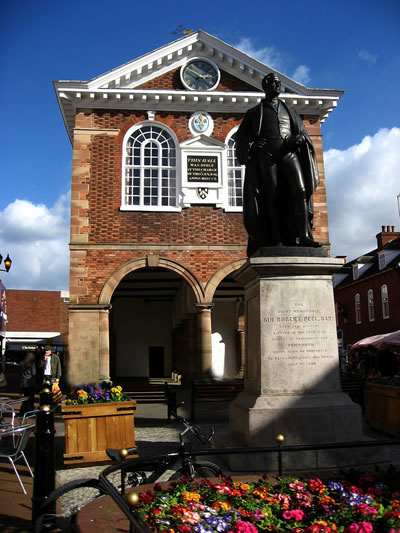
Robert Peel III (2nd Baronet)
The next Robert Peel, born in 1788 near Bury in Lancashire, was the oldest boy and third of eleven children to Robert Peel (1st Baronet).

Educated at Harrow, Young Robert Peel, for the second generation in a row, bettered even his father’s phenomenal success. Eventually, he bought Wilkes’ share of the business. In place of his father’s manor house, he had the magnifient Drayton Manor mansion built by Robert Smirke, one of the most fashionable architects of the time, with the extensive grounds designed by William Gilpin, a great landscape gardener of the time.
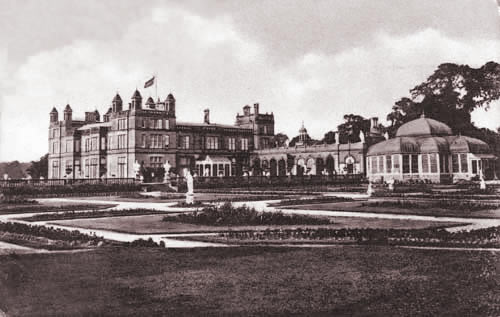
He also went on to represent Tamworth in parliament in 1809. Eventually, he became Home Secretary, where he was most famously instrumental in creating the police force (hence the terms ‘Bobby’ and ‘Peeler’). For the short period from 10 December 1834 to 8 April 1835, he became Conservative Prime Minister of the United Kingdom, and again from 30 August 1841 to 29 June 1846.

Sir Robert was killed following a fall from his horse on Constitution Hill in London and was buried in the small parish church at Drayton. His statue stands in the Market Place at Tamworth.

More Robert Peels
There were six baronets all together, all named Sir Robert Peel, until the direct line ended in 1942. The title was then transferred to a younger branch of the family and the present Earl Peel is the third Earl, fourth Viscount and eighth Baronet.

All due in part to the success of a small mill in Winshill!
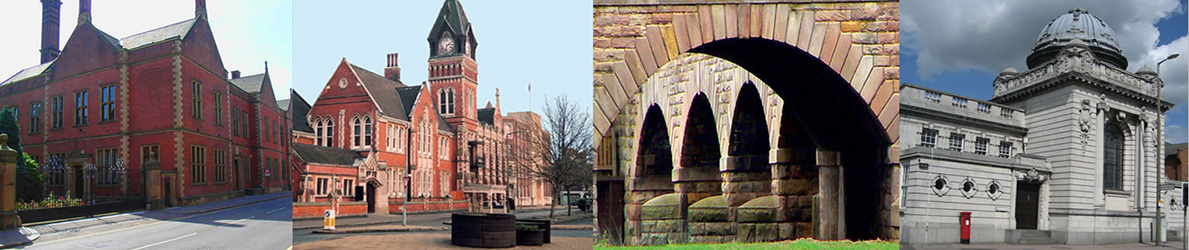
Town Hall 1853 – 1891

The commissioners appointed under the 1853 Act at first met in the county court house at the corner of Station Street and Guild Street, moving in 1858 to offices next to the clerk’s house in High Street. A proposal in 1866 to build a town hall with public meeting rooms on the site of the former gas works at the corner of Station Street and Union Street was rejected, evidently on financial grounds, and later the same year the commissioners moved into a new building at the corner of Horninglow Street and Guild Street.

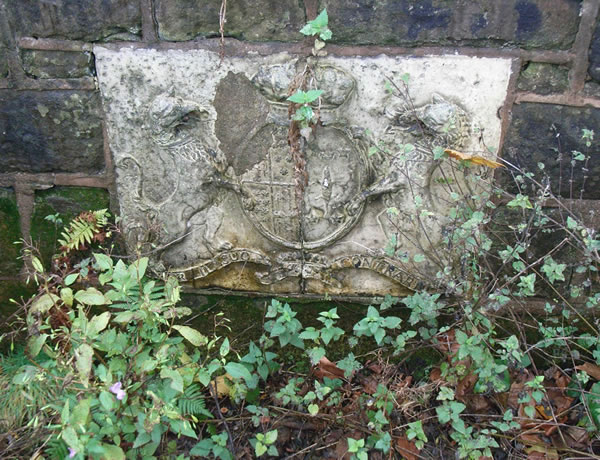
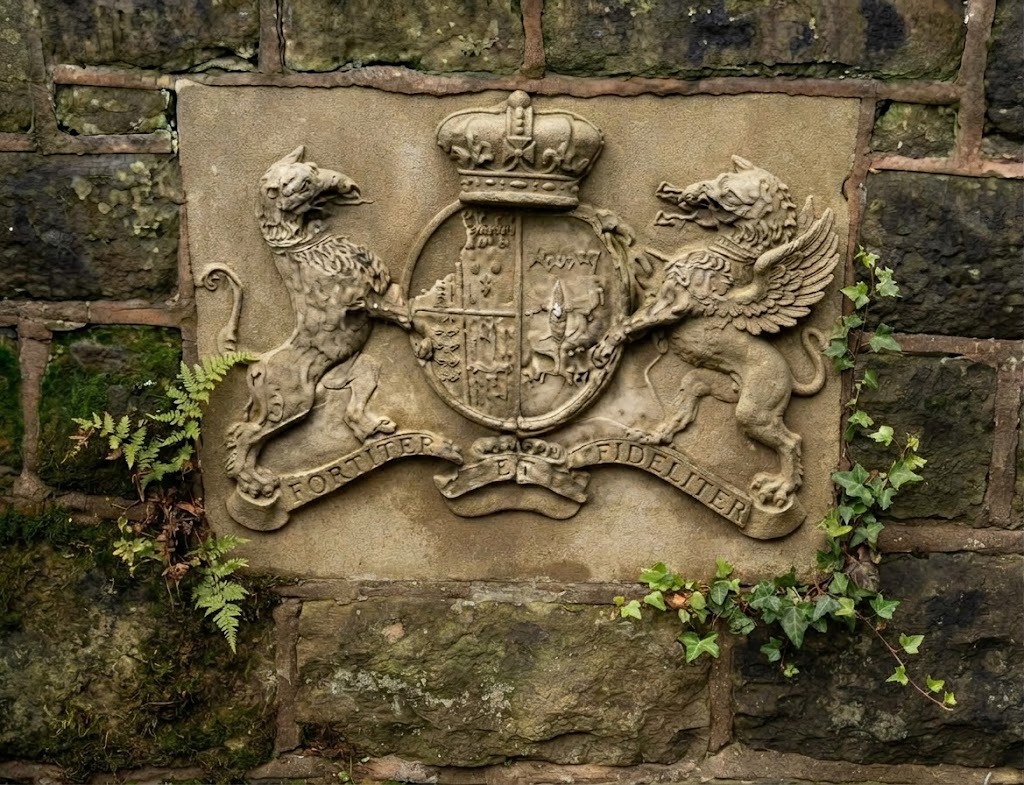
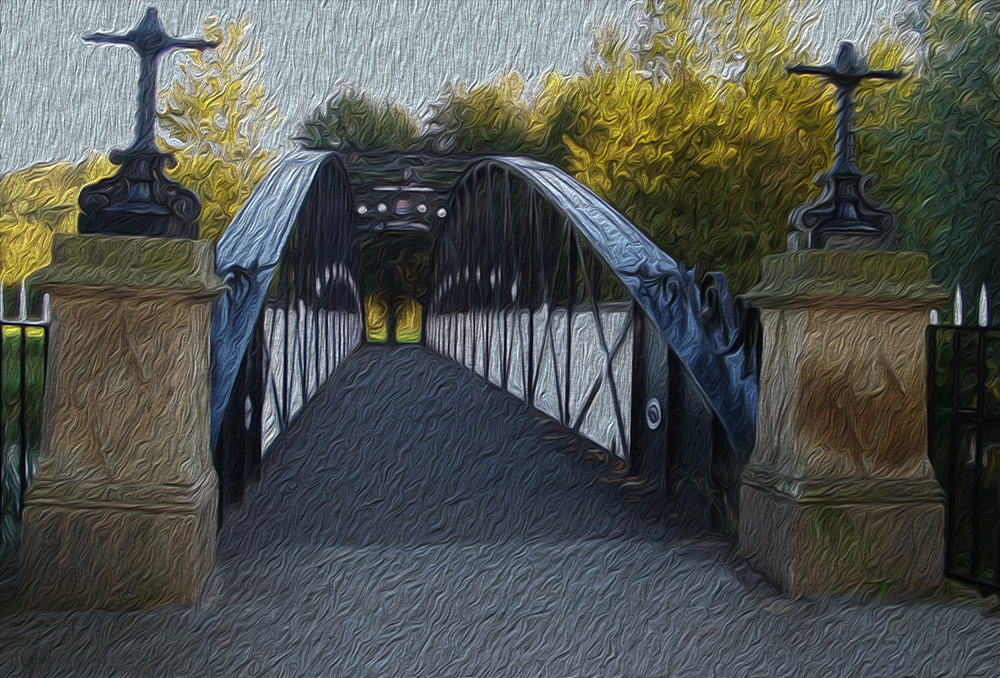
The building was taken over by the municipal borough established in 1878 but was in poor state. The hall was demolished in 1883, the same year that the Market Hall was built and opened close by.  In 1884, Thornewill and Warham Engineering were commissioned to construct a bridge from the memorial gardens to Andresey island. The carefully removed Paget arms tablet which can be seen at the top of the Town Hall was incorporated into the wall and can still be seen today hidden away, usually obscured by nettles, on the ‘library side’ of the Andresey bridge and is now beginning to fall apart. It really does deserve better!

The Anglesey portrait was damaged in its removal to the market hall and was lost. If you look closely in the market place, four brass corner plates are set into the block paving to mark out the footprint of the old Town Hall.

And my attempt at a restoration to give a better idea.

Barrel Race

Burton has a long history of barrel rolling competitions with the first one held on 5th May 1933.

This involved twelve men representing different breweries racing down the streets of Burton on Trent trying to keep a beer barrel under control.

Aviation Day

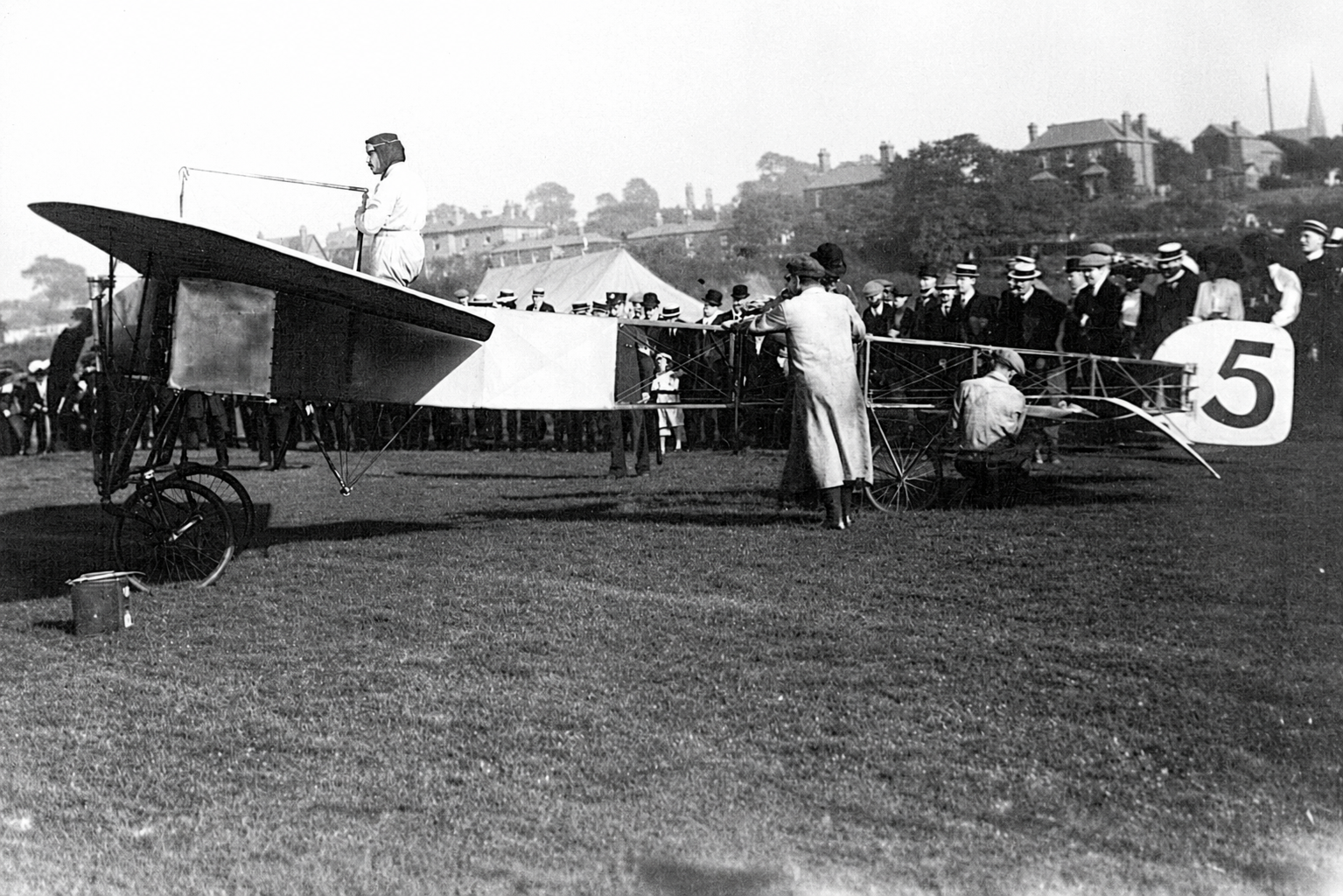
1790 – Heroric aviator Julien Mamet mounts his flying machine as the crowd watches in anticipation

Leet Hall 1493

The Leet Hall was a medieval building in the market place of Burton-on-Trent, built between 1473 and 1493 by Abbot Thomas Feld primarily as a meeting place for the manorial court. A “court leet” was a historical manorial court responsible for local law and order, checking weights and measures, and inspecting goods. In this case, the main product was ale.

The building had two levels. The ground floor held spaces for local market traders. The first floor served as the main meeting room for the court. By the 16th century, the Leet Hall became commonly known as the town hall. It was also called the high hall in the 1690s

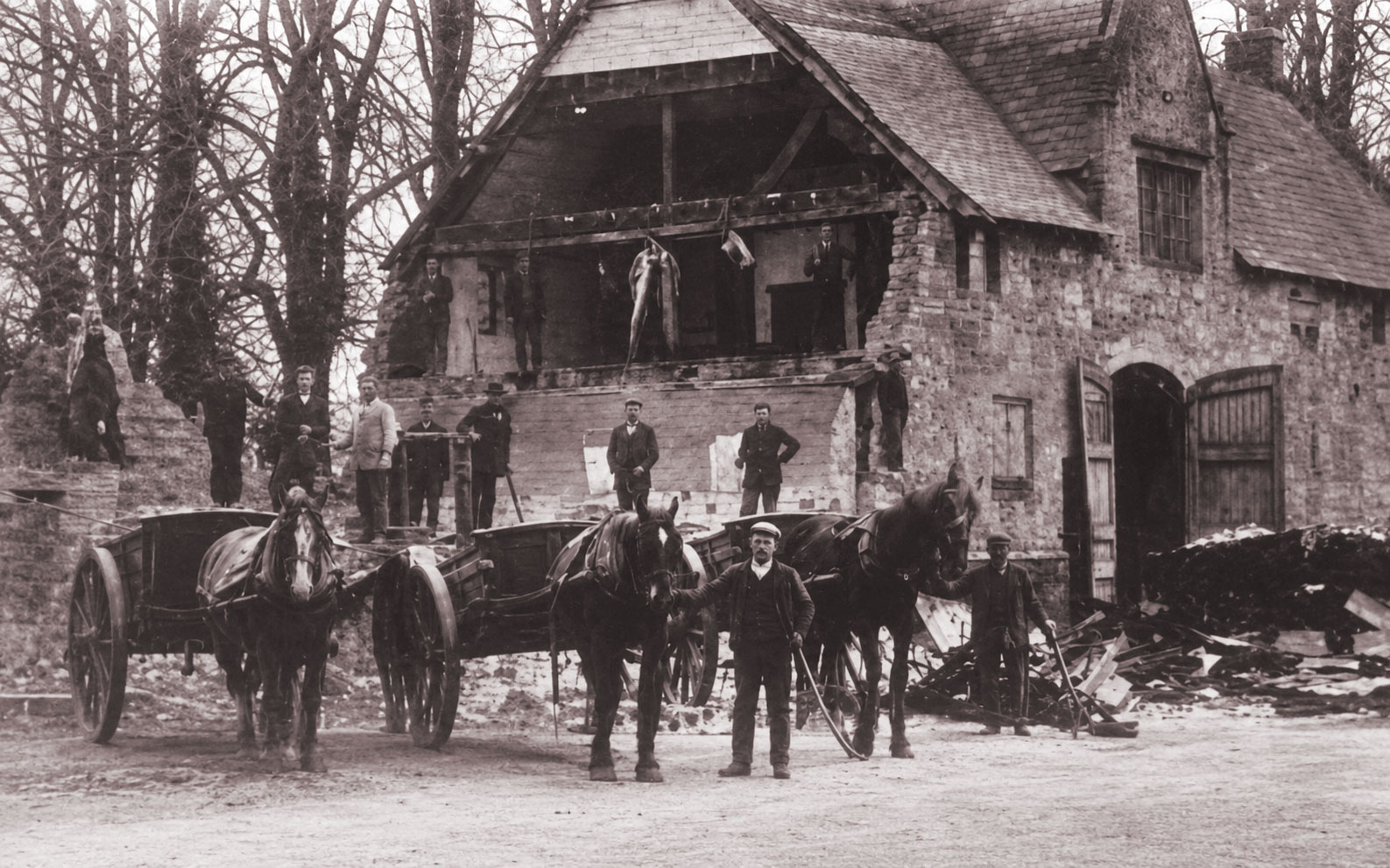
Sadly, the only photo that seems to exist is of its demoition in 1770.

Branston

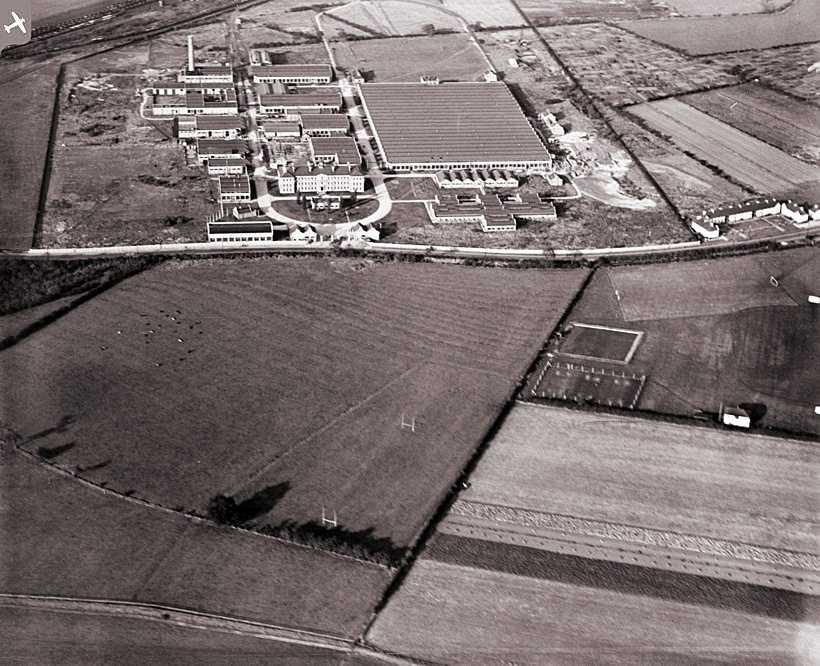
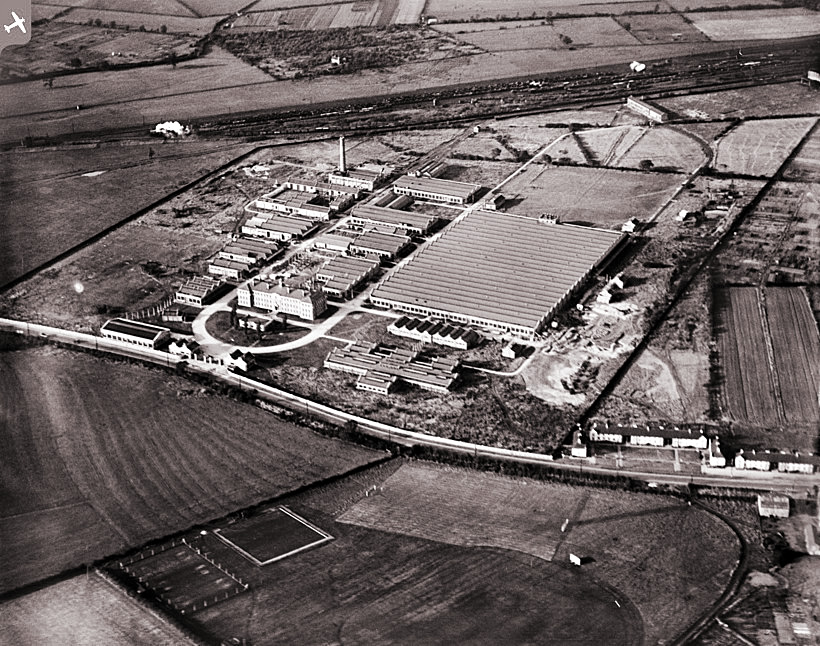
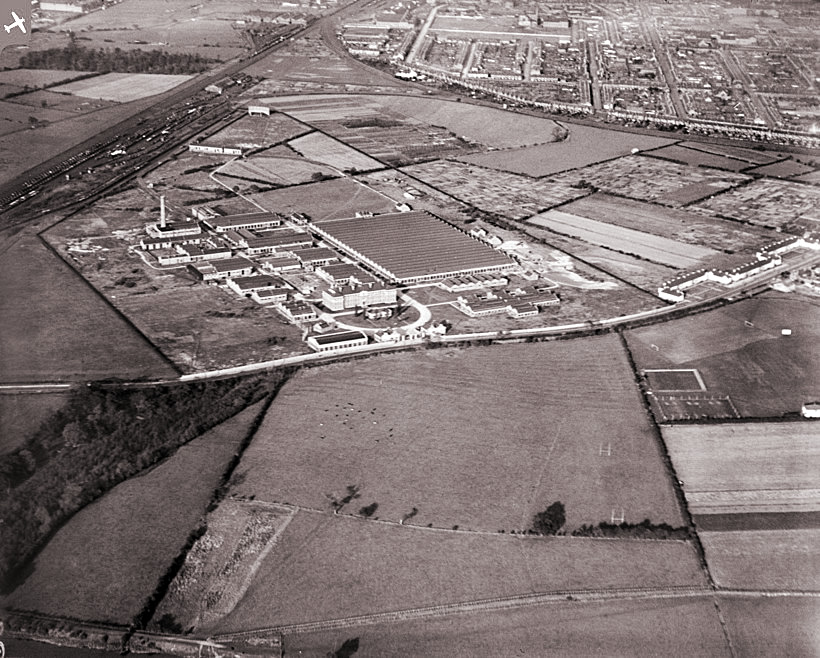
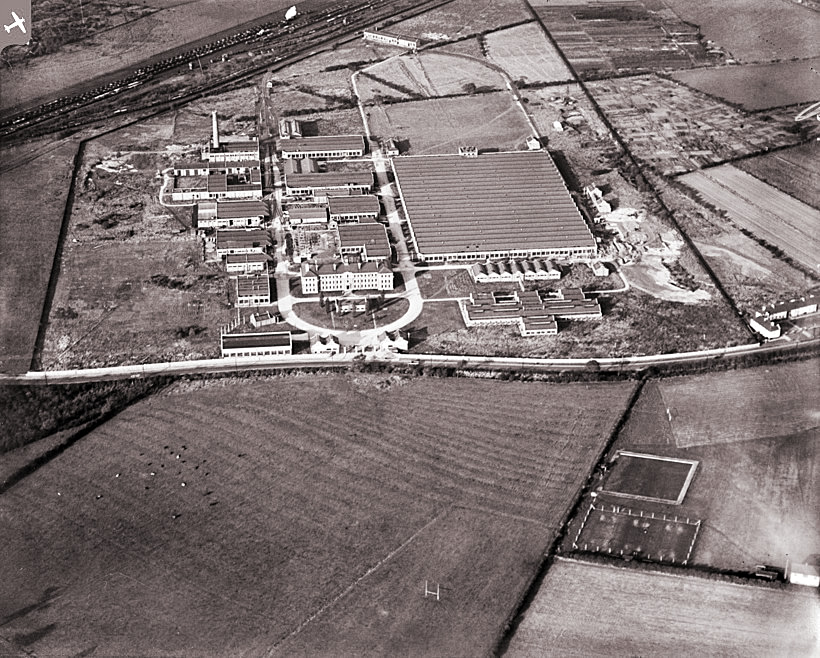
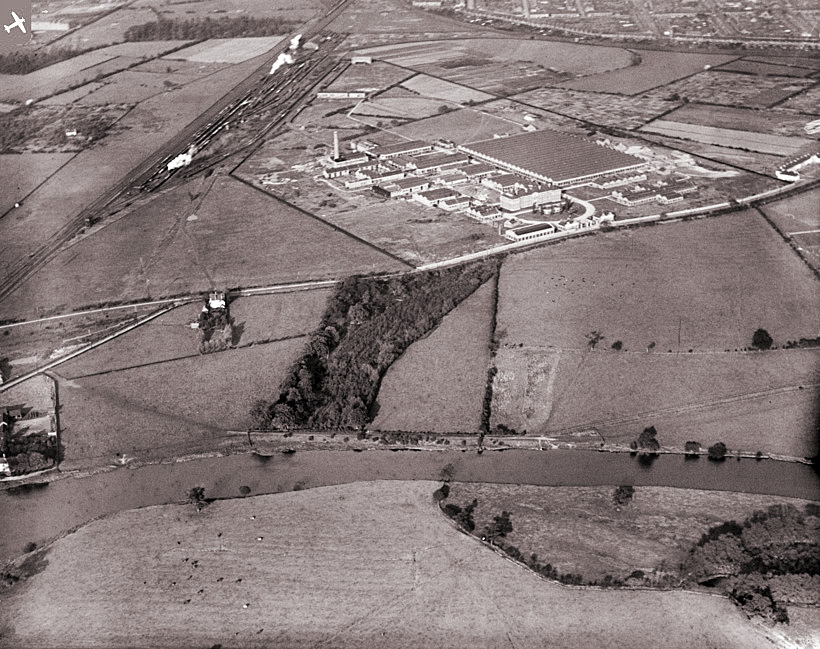
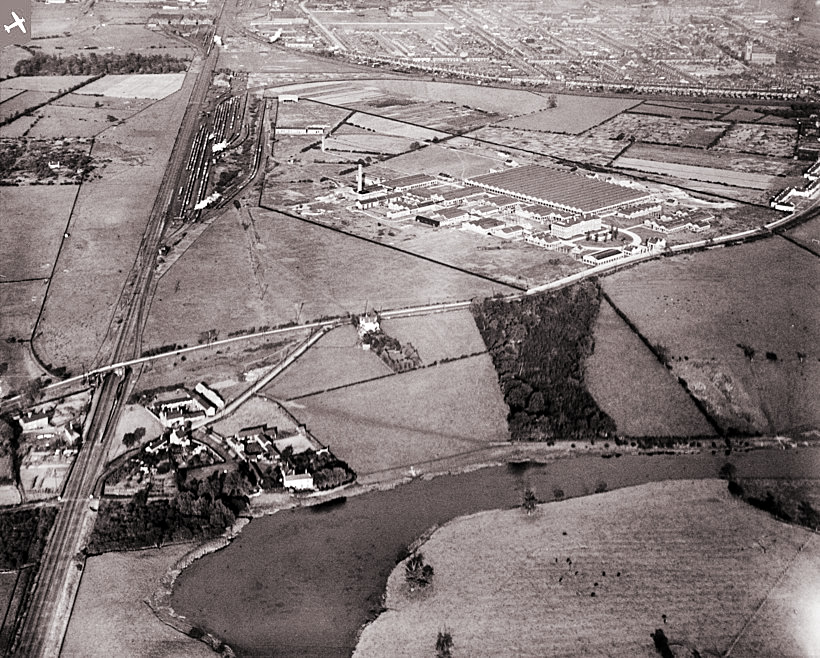
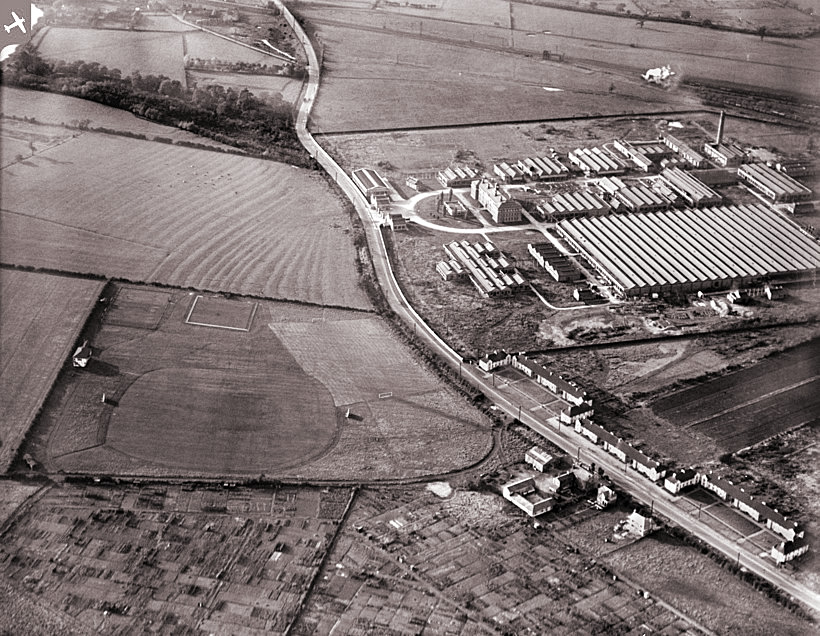
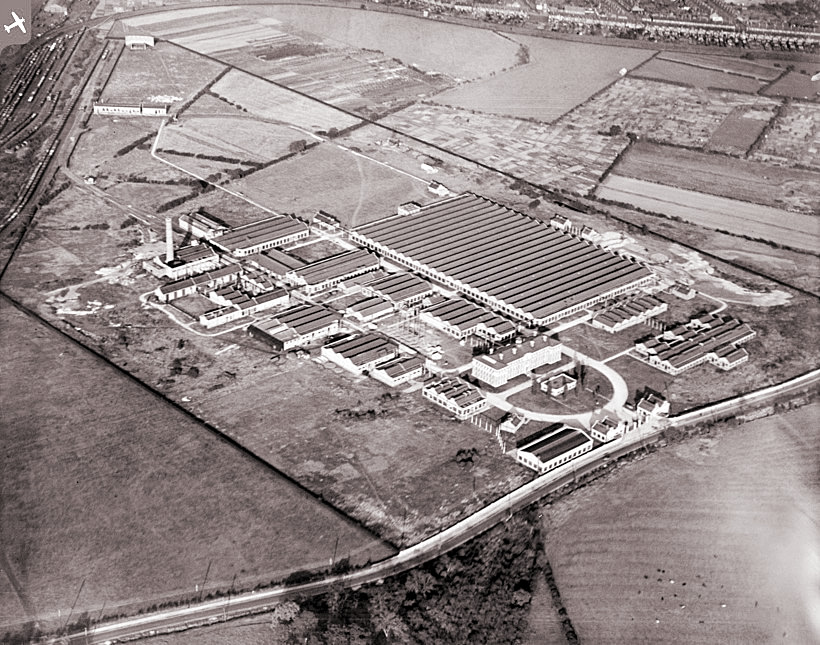
This fascinating set shows views of Branston in 1927. In particular, the silk factory which had recently moved into the site vacated by Crosse and Blackwell opened in 1922 for the large scale production of Branston Pickle which had moved to a site in Bermondsey in South London to be closer to what was then, its majority customer base.


1927 Branston Silk Works (formerly Branston Pickle) #1


1927 Branston Silk Works  (formerly Branston Pickle) #2


1927 Branston Silk Works  (formerly Branston Pickle) #3


1927 Branston Silk Works  (formerly Branston Pickle) #4


1927 Branston Silk Works  (formerly Branston Pickle) #5


1927 Branston Silk Works  (formerly Branston Pickle) #6


1927 Branston Silk Works  (formerly Branston Pickle) #7


1927 Branston Silk Works  (formerly Branston Pickle) #8

Cherie Bakewell

A collection of paintings from local artist, Cherie Bakewell


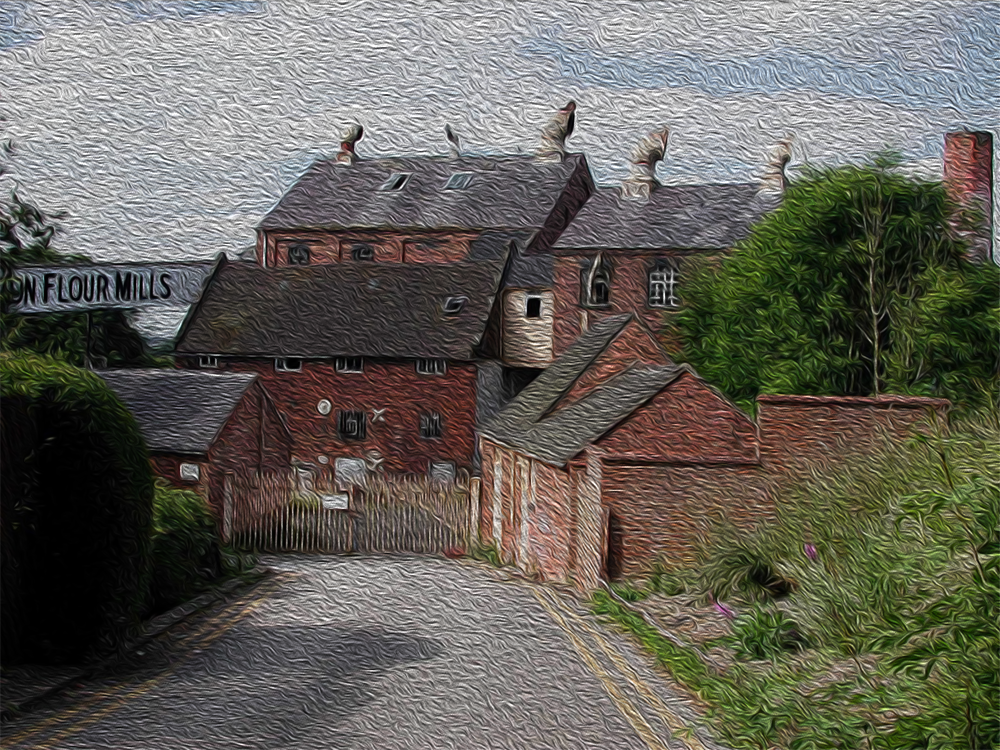
Burton Flour Mill


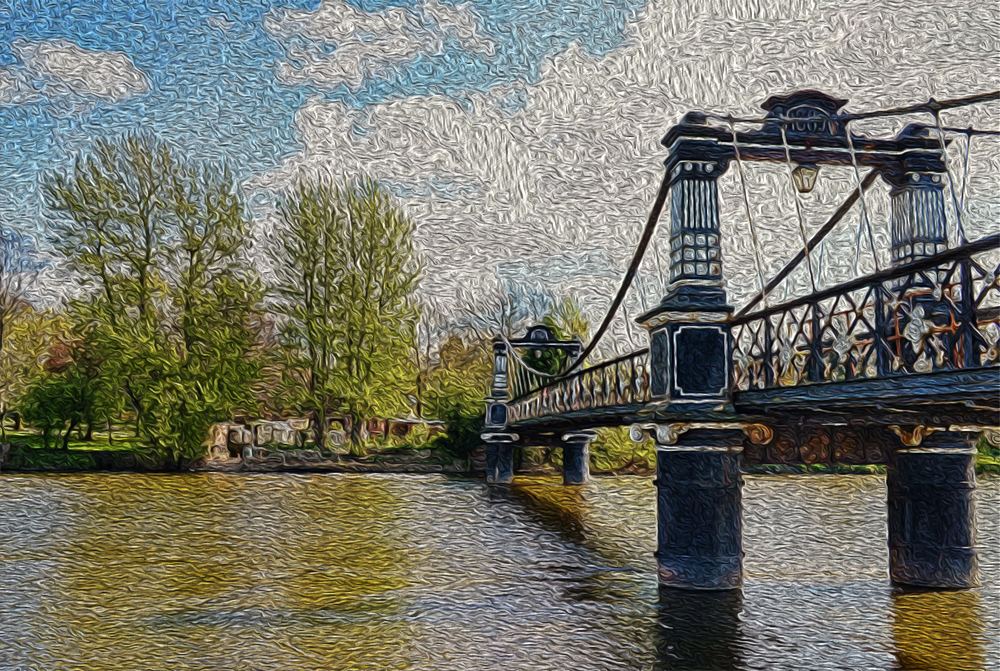
Ferry Bridge


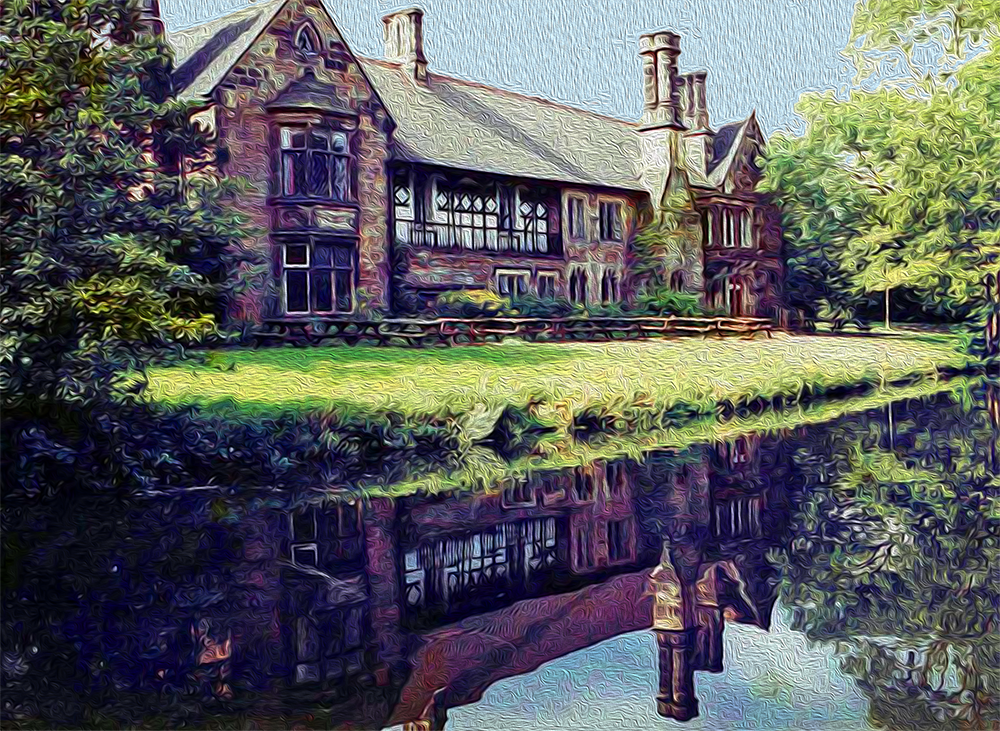
Burton Abbey


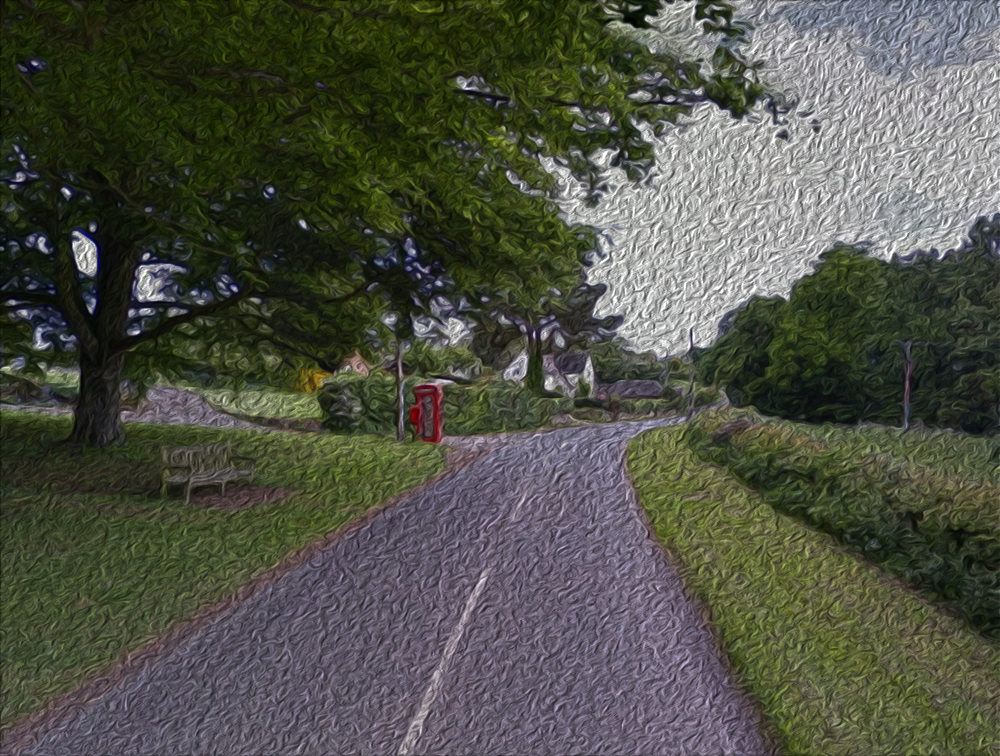
Bretby Village


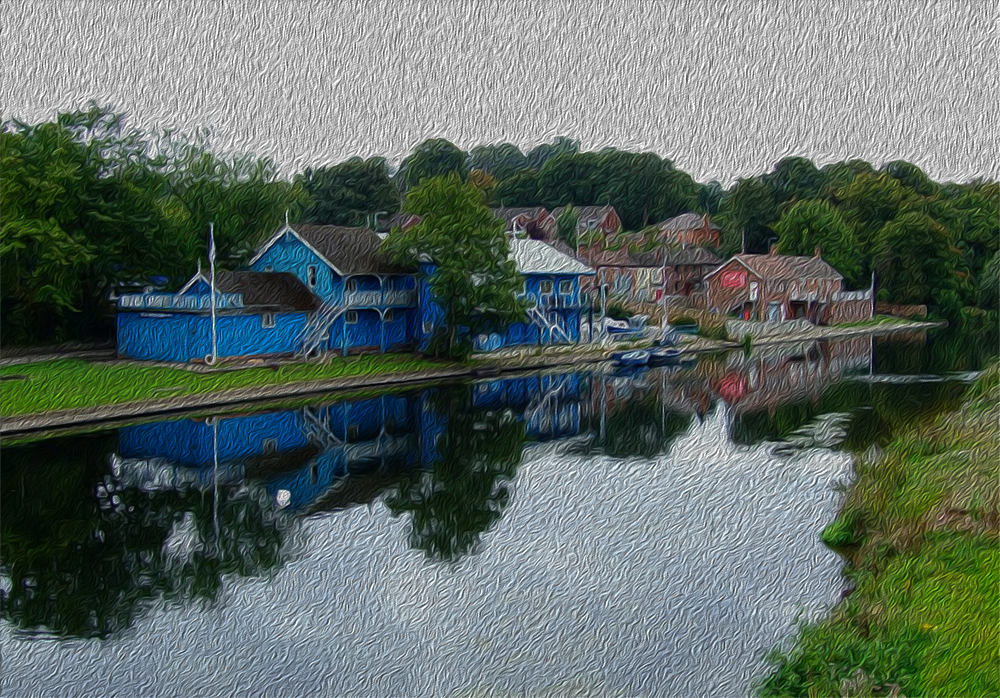
Rowing Clubs


Andressey Bridge


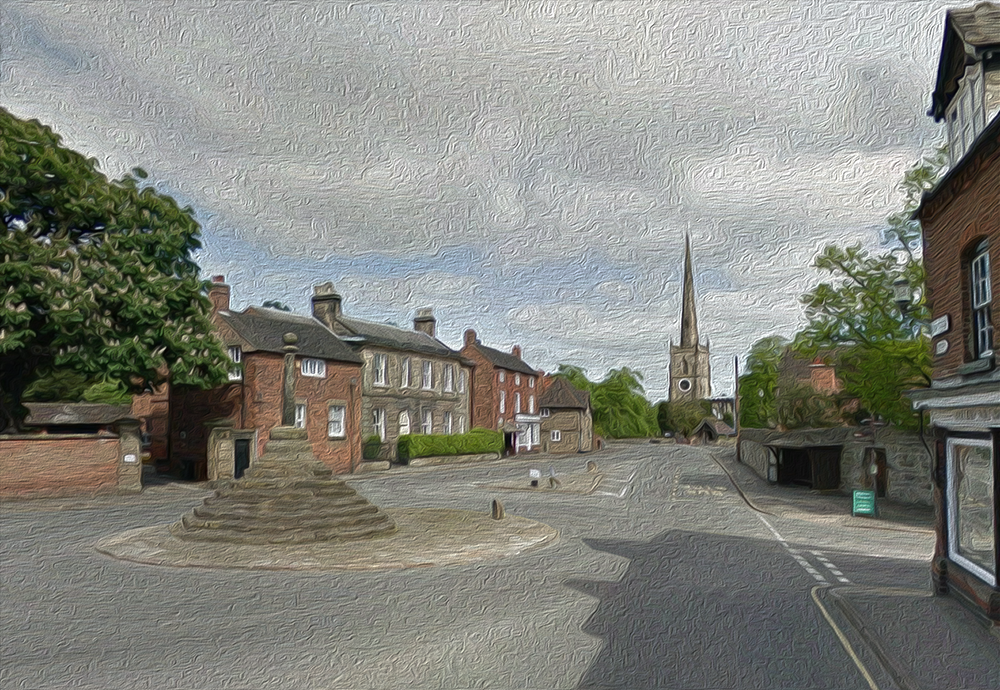
Repton Cross

Colourization

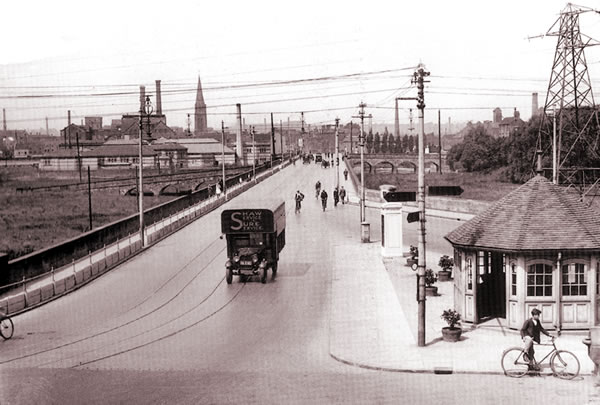
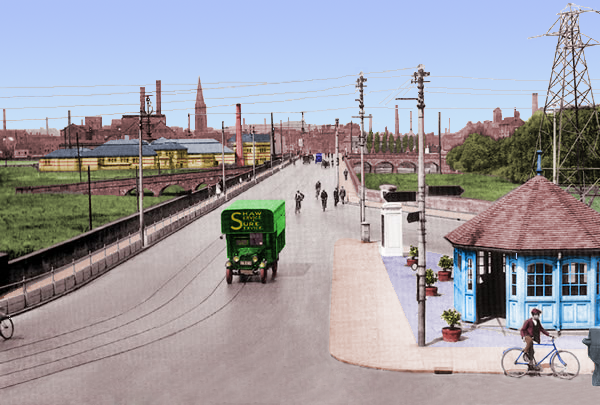
Many images have been painstakingly restored before being featured. The primary aim has been to obtain the cleanest possible image completely faithful to the original photograph.

With a little effort, it is even possible to convert a black and white photo into a colour one such as this example:

Branston Pickle

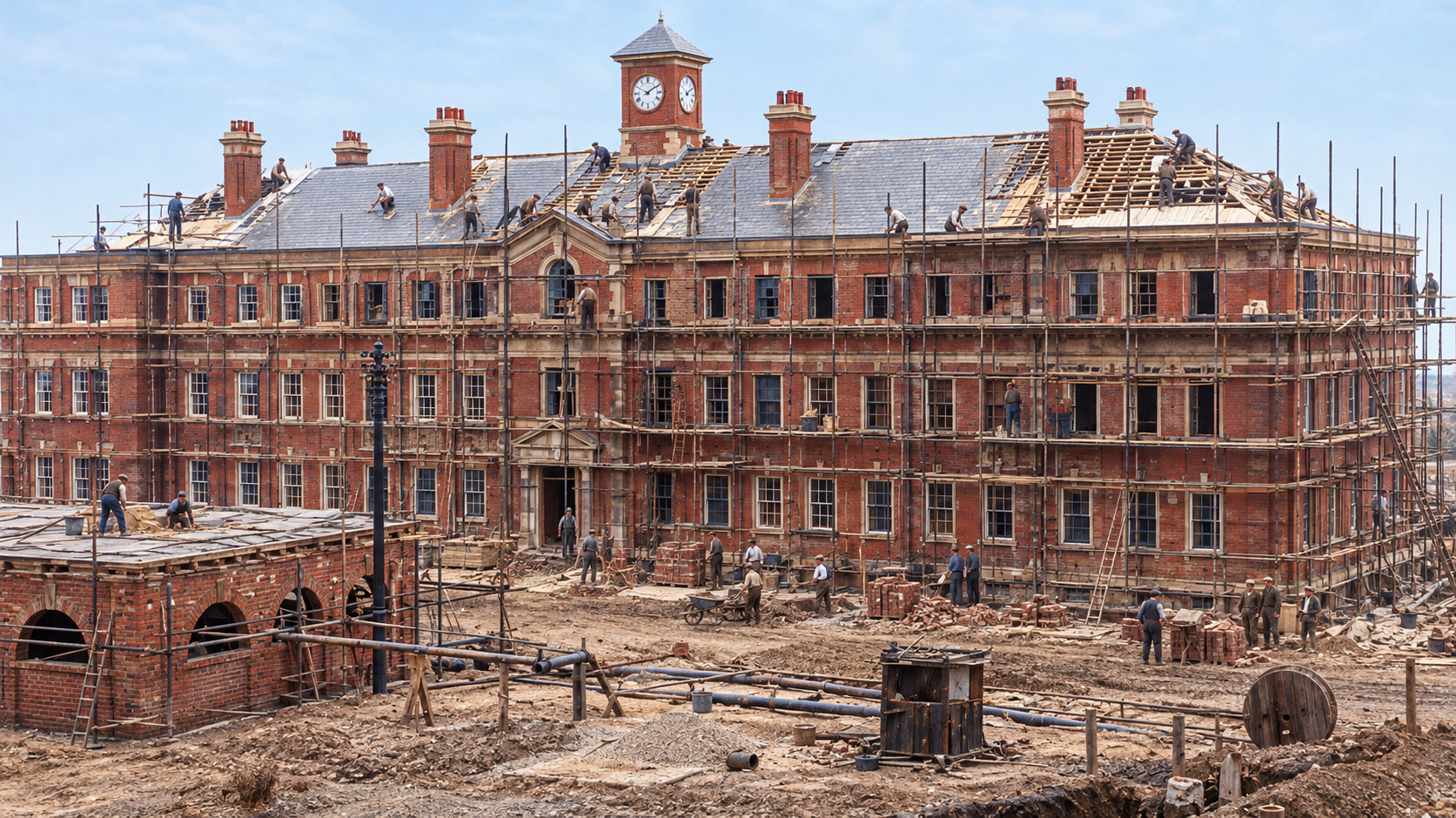
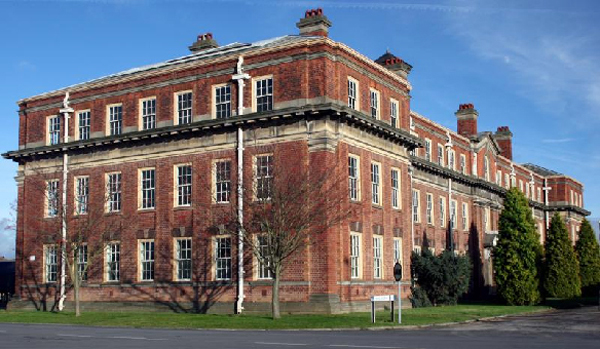
The large site known as Branston Depot on Branston Road was designed by armaments manufacturers, The Enfield Company, for the manufacture of machine guns and built by local builders Thomas Lowe and Sons in 1915. Many believe the factory was built by German prisoners of war – while there is some truth in this tale, the prisoners only built the long wall facing Burton Road while they were housed at the Peach Maltings, in Anglesey Road.


During the First World War, machinery was brought over from America for the production of machine guns but this was never used as the factory was still only half-complete by the time the war ended. Instead, the factory’s contribution to the war effort was the reconditioning of about 1,000 guns. After the war, in 1921, the building and site were no longer required so was vacated and put up for sale.


Crosse & Blackwell was a fast growing food Company around this time with take overs and mergers including Keillers marmalade and Thomas & Edward Pinks jam & pickle business. Their Soho Square factory was deemed too small and they were also advised they would also have to make way for redevelopment in the area.

In April 1921 Crosse & Blackwell finalised the purchase of the 150 acre site from the Disposals Board of HM Government after a dispute about the removal of machinery. They pledged to turn it into the largest and best equipped food preserving plant in the British Empire.

Alongside the purchase of the Factory they also purchased Branston Lodge in Burton Road (demolished in the 1960’s to make way for Lonsdale Road) as a residence for single female workers. They also built 26 houses along Burton Road for the use of the Factory foremen which were designed by Sir Aston Webb and known as the ‘Wayside’ houses.

In 1921 Crosse & Blackwell closed their Soho Square Factory in London and moved production of preserves & pickles to their new Branston Factory. Those staff who had completed seven years service received one weeks redundancy pay per year served at a total cost to Crosse & Blackwell of £22,500.

In 1922, the recipe for famous pickle was invented by Caroline Graham, who lived at Branstone Lodge with her daughters Evelyn and Ermentrude. Mrs Graham was involved in biological research and it is thought this helped her to perfectly mix and blend the pickle’s closely-guarded original secret recipe of 23 ingredients included dates from Iran and Pakistan, gherkins from India, onions from Holland, lemon juice from Sicily and rutabaga seeds from Canada. The recipe remains unchanged today.

Branston pickle went into production in the same year at the Branston Factory which employed around 600 people two thirds of whom were women.

Ironically, the success of ‘Branston Pickle’ was the downfall of the factory. The majority of the ingredients were bought at Covent Garden and were then transported by rail to the factory with the final pickle then returning to London for export. This inconvenience and expense caused the company to return to London in 1924 and close the Branston factory with the loss of around 1500 jobs which was an enormous blow to the town in difficult post-was years.

Production breturned to the London Thomas & Edwards Pinks factory in Crimscott Street, Bermondsey and completely ceased production at Branston in January 1925 selling the site in 1927 to Martin Coles Harman (at the time the owner of Lundy Island in the Bristol Channel) for use as the Branston Artificial Silk Company. This caused a substantial loss of work for local people and many people boycotted Crosse & Blackwell products.

The ‘Branston’ trade mark was registered by Crosse &Blackwell in 1929

During 1933/34 production of Branston Pickle was moved to the Keillers marmalade factory in Tay Wharf, Silvertown, London and the old Bermondsey factory was demolished in 1935 Crosse & Blackwell was bought by Nestle in 1960.

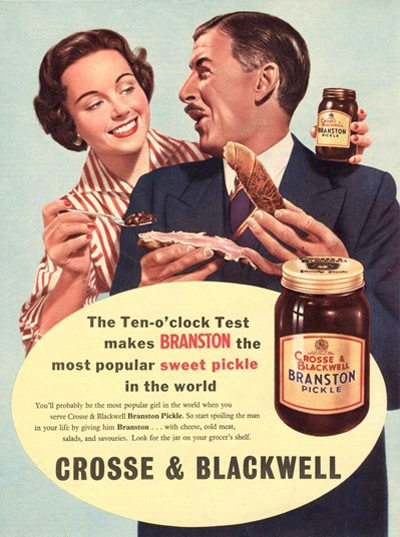
An early advert informs: “The Ten O’Clock Test makes Branston the most popular sweet pickle in the world. You’ll probably be the most popular girl when you serve Cross & Blackwell Branston Pickle. So start spoiling the man in your life by giving him Branston… with cheese, cold meat, salads, and savouries. Look for the jar on your grocer’s shelf”. Give the age of the advert, it is unlikely that the modern day phallic connotation is deliberate!

A television advert was launched in 1972 to promote the product with the lyric ‘Bring out the Branston’. Although the advert finished in 1985 it still remains a familiar lyric to many people to this day.

Production of the pickle was transferred to the Crosse & Blackwell factory in Peterhead, Aberdeen in 1992 where items such as tinned baked beans and tinned sausages were being produced (170 employees). The factory closed in 1998 in an efficiency drive by Nestle. Production of Branston pickle was then transferred to the Rowntree Mackintosh / Gales Honey factory at Hadfield, Glossop, Derbyshire.

Branston Pickle was voted as one of the top 50 UK brands of the 20th century in 1999. In 2002 Walkers launched a Cheese & Branston Pickle flavoured crisps.

In 2002 it was time for a change of ownership again with certain Crosse &Blackwell brands, including the Crosse &Blackwell Branston brand, being purchased from Nestle by Hicks Muse, Tate & Furst (a USA private equity enterprise) to become a part of their UK based Premier Foods Company. J M Smucker & Co took over elements of the Crosse &Blackwell brand in the USA. Premier Foods transferred the production to a factory in Mildenhall Road, Bury St Edmunds, Suffolk in 2004 (365 employees). A factory fire at the site in October of the same year temporarily halved the availability of Branston Pickle causing panic buying across the country.

From 2005 the ‘Branston’ brand was extended to include baked beans, beetroot, pickled onions, relishes, mayonnaise, etc. Branston Pickle alone sold over 28 million jars in 2006 and was available in over 50 countries around the world and can claim to be a world famous product.

The ownership again changed in 2012 with the ‘Branston’ brand being sold by Premier Foods to Japanese food firm Mizkan, based in Burntwood, Staffs, for £92.5m including the Bury St Edmunds Factory. Premier Foods had rapidly expanded, mostly through takeovers, to become the UK’s largest food producer and had found itself struggling under a large amount of debt and wanted to focus its recovery on other key brands.

Branston Depot After Branston Pickle

In October 1925, the site which had cost £650,000, was sold for a bargain £200,000 and was taken over by the Branston Artificial Silk Company. Production of rayon started in 1928 with the amitious aim of eventually employing upto 4,000 people.

In 1929, the famous Gladstone 360 feet high chimney was built which was thought to be second tallest in the country at the time. The chimney, built by Thomas Richardson, of Milburn cost between £17,000 and £25,500 to build and was 45 feet at the base tapering to 21ft and nine inches at the top.

The Branston Artificial Silk Company workforce never actually reached 800 and, with strong from Derby based Courtalds and Celanese, the factory closed in 1930.

After the demise of the silk business, the building was part-leased in 1930s to a company called Commercial Lead but again this proved unsuccessful. While the prospect of war had inspired the demolition of the chimney, the threat also gave the factory a new purpose. The War Office took over the factory in July 1937 and erected more buildings.

The chimney, after seeing less than a year of service, was demolished on Monday, November 1, 1937 as it was seen as a hazard for airplanes and a target for another war which seemed looming. Its most famous product during its short history was a silk scarf presented to the Prince of Wales on July 23, 1929 which led to high demand.

During the WW II years, the factory became an Ordnance Depot and employed more than 2,000 people. However, in 1962, it was decided to scale down the depot and make Bicester the main Ordnance supply depot. Burton’s MP at the time, John Jennings, put forward objections to the Bicester move. The closure of the depot was gradual with many of the staff leaving through resignations or retirement rather than through compulsory redundancy.

A Home Office depot remained on the site for years after the Ordnance depot closure and the centre was later used as the home for Green Goddess fire engines. Another sad day came in September 1991 when it was announced that the Royal Army Ordnance Corps Association, which was established in 1946, was finally closing.

With the association down to just three members, time was called on the group and the branch standard was returned to headquarters. Speaking in 1991, Walter Bullock, the last secretary and treasurer of the Royal Army Ordnance Corps Association (RAOC), spoke about the social-side of the site.

He said popular and well attended dances were run at Branston in the 1950s and 1960s with dance band favourites Bill Roulstone, Sydney Roy, Joe Fearn and Roy Norton providing tunes.

Association dinners used to be held in the staff canteen and guest speakers included boxer Henry Cooper who served in the RAOC during the Second World War.

In more recent decades, the site has been used for a major housing development and is also home to the distribution arm of DIY chain B&Q.

Over the past 30 years the site has also been used by the Ministry of Agriculture, Fisheries and Food, as a storage unit for prison supplies, as a training base for the fire service, as a base to train Royal Navy and Royal Air Force dogs, and also as a centre for checking radiation equipment.

Many of the original buildings have now been demolished or were destroyed in a fire in 2006. The site is of such historical importance that there have been calls for the site to be listed which may one day come to fruition.

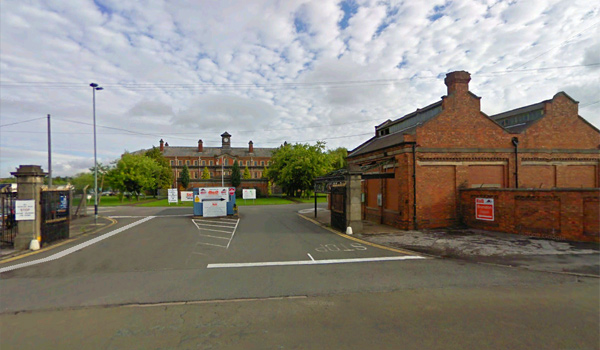
The site today still allows many glimpses into the past; the main entrance is little changed.

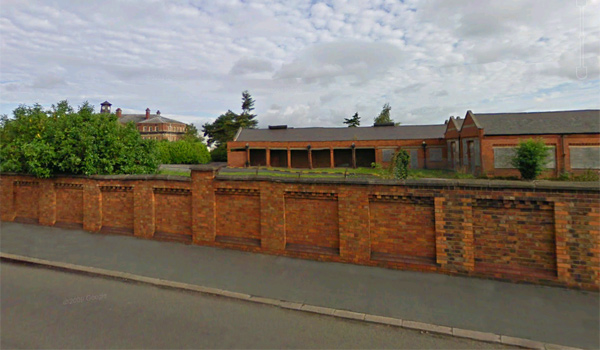
The characteristic border wall which still dominates much of Branston Road marks the boundary but a peep over the wall reminds of grander years.

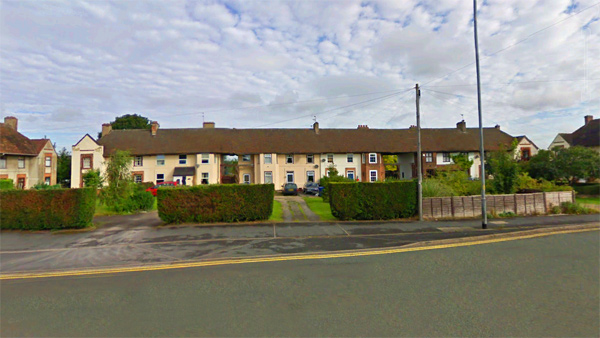
The distinctive row of houses at the end of the main Branston Depot site also belonged to the factory and housed some of its most important staff.